How I got my new product cited in AI overviews
I launched RevPages about eight weeks ago.
It helps SaaS teams find SEO opportunities and prioritise them based on potential revenue.
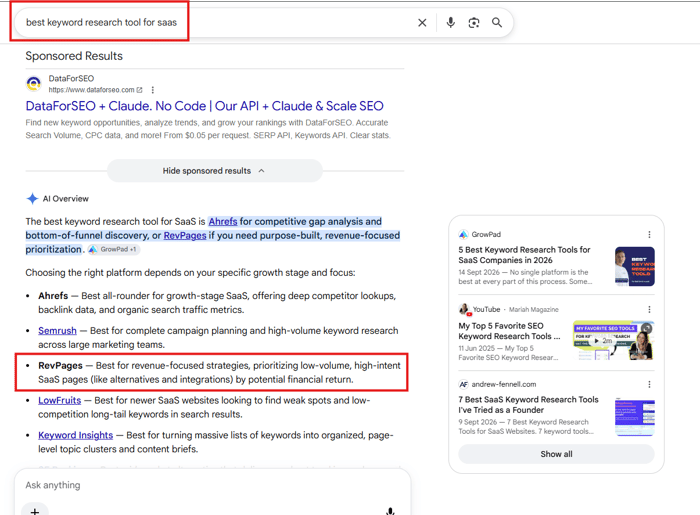
Recently it’s been getting cited in Google AI Overview for “best keyword tool for SaaS”.
That’s a good search for the product to appear in.
Someone looking for a keyword tool specifically for SaaS is very likely to be interested in RevPages.
I’m not saying we’ve 100% cracked AI SEO or AEO, or whatever you want to call it - yet.
The site has had just 18 visitors from organic search so far, and only two have tried the product.
But getting mentioned in AI overviews for one of our main use-cases is a huge win.
Here’s exactly how I did it
1. I made the website effortless to understand and crawl
When you’re building a new product, it’s tempting to pack the site with clever "marketing-speak" to impress visitors.
But visitors don’t use those kinds of terms when they search, and neither does a search engine trying to work out what the site's actually about
You have to make it painfully obvious what your product does and who it’s for.
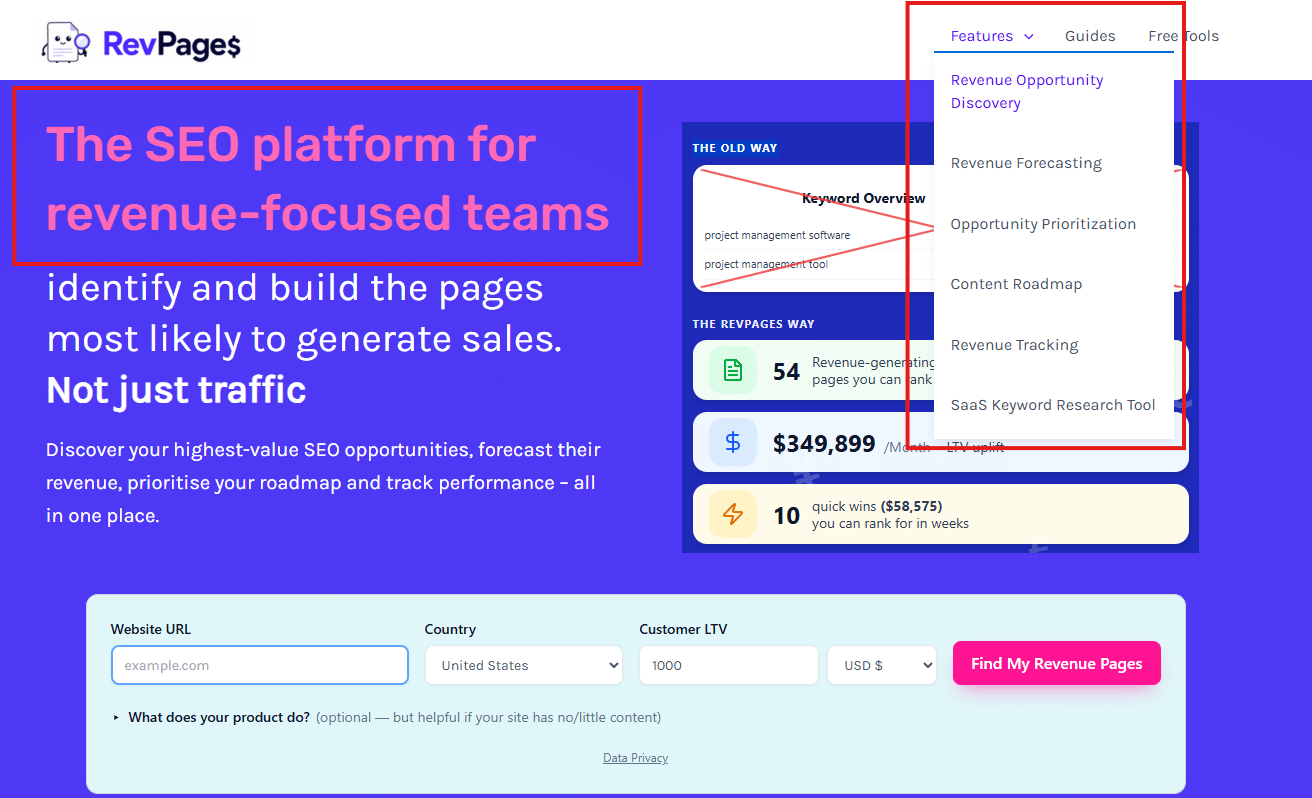
I started with a simple home page that gives an overview of what the product does and who it’s for.
Then I built a Features page which lists all of RevPages core functions, with a brief overview of each
Then I created a dedicated page for each feature, where I went into more detail about each one and its benefits.
I headed all pages with terms people actually search for, while keeping the pages focused on explaining the product clearly.
I also ensured the pages are all logically linked, and the site loads quickly and passes all the Google web vitals tests.
2. I published guides around the problems RevPages solves
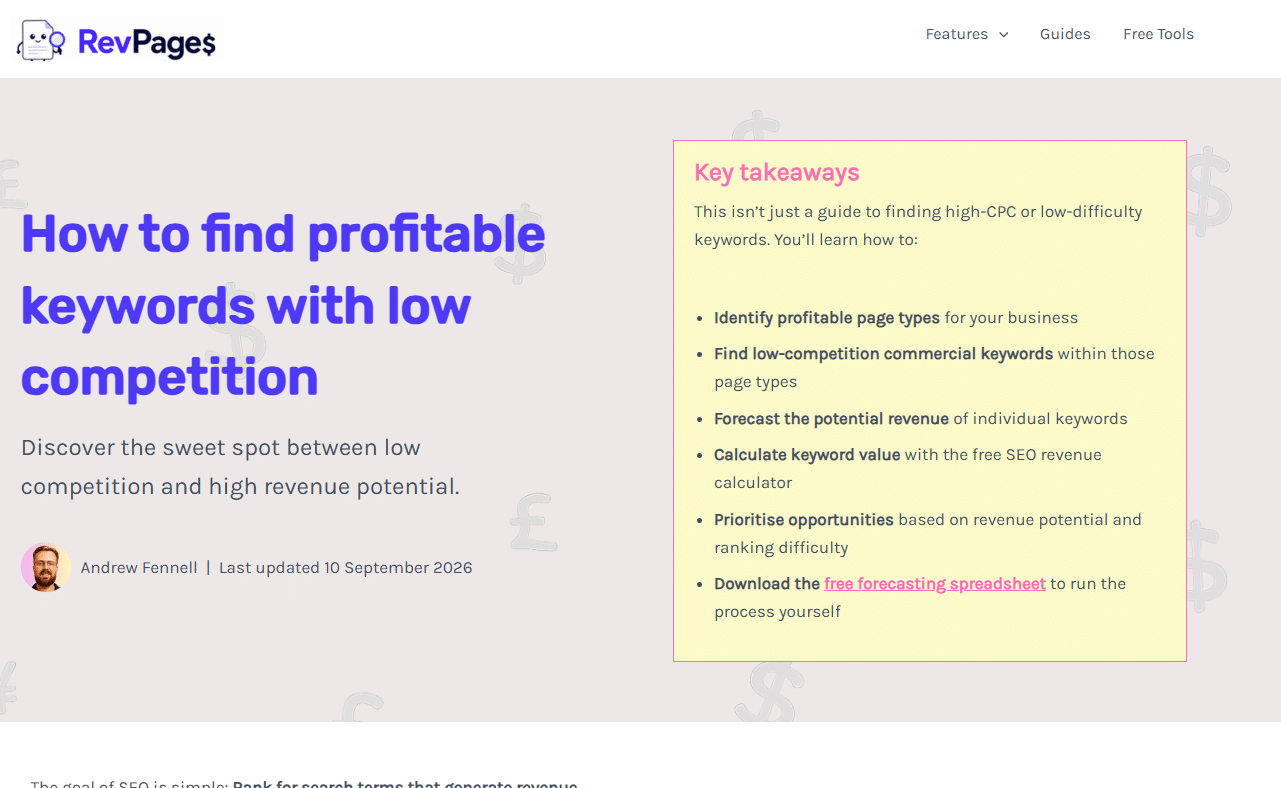
I’ve written a handful of in-depth guides on the main topics that RevPages operates in:
- SaaS keyword research
- SEO revenue forecasting
- SEO opportunity scoring.
Most of these pages aren’t ranking yet, but they still serve a purpose
At this stage, they’re there to help search engines and LLMs understand what RevPages is about, and why we are experts in subjects we talk about.
These guides probably won’t ever bring in tons of traffic (especially now that AI overviews are taking away the majority of clicks going through to information content) but they build a solid SEO foundation to start building on - a step that can’t be skipped.
3. I gave the product a presence beyond its own website
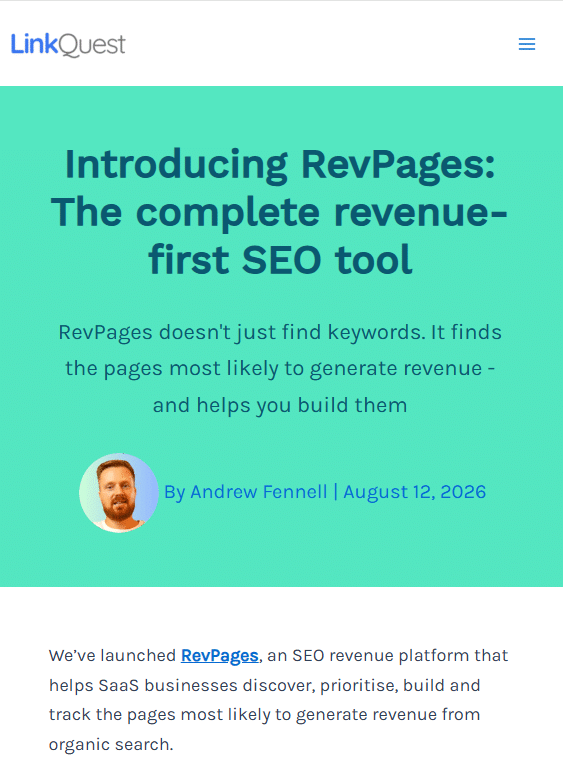
I published straightforward launch posts on my personal website and agency site. They explain what RevPages is, who it’s for and where people can try it.
Those aren’t huge publications with high domain authority, but they allowed me to put an accurate description of the product somewhere other than its own site - which is very important to help Google and LLMs get some third-party evidence of the claims made on its own website
4. I pitched my founder story
I reached out to publications that feature founder stories and landed placements with Indie Hackers and Starter Story (thanks guys)
The links are very good for the site’s authority and relevance, but they also got the story in front of people who build, market and buy software - strong potential users of the tool.
A founder story gives me room to explain why I’m making the product and who I hope it will help - which again allows me to feed plenty of information about the product into the search ecosystem.
5. I asked to be included in relevant tool lists
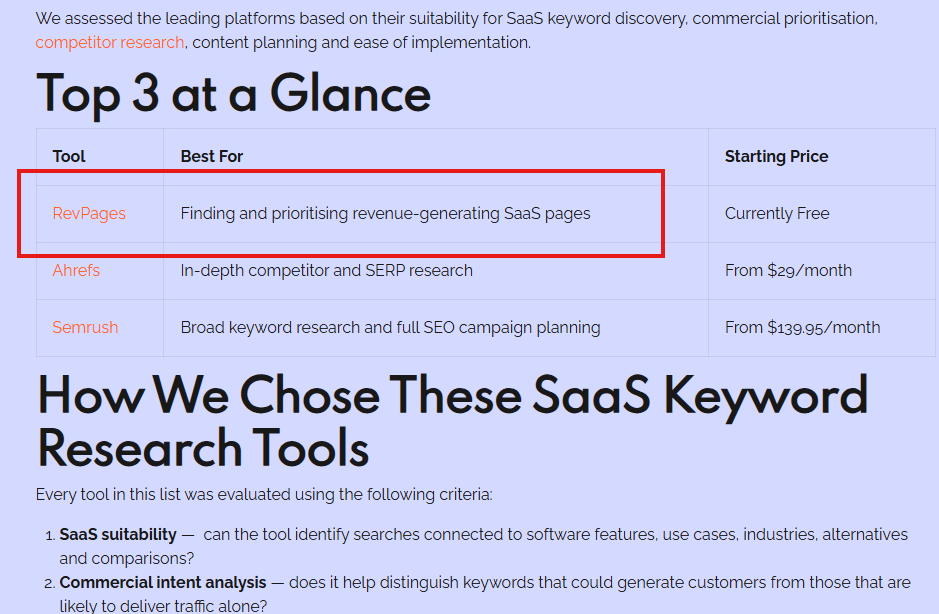
I found sites that had published “best SEO tools” type lists and emailed them to ask if they would include RevPages.
This tactic is getting very difficult to do successfully because everyone is trying to do it right now, (mainly because it’s understood to be a major factor in getting cited in AI search) but it’s ten times easier if:
- You’ve built a genuinely good product that deserves to be in the lists
- You write personalized emails to the author and don’t spam everyone with automated outreach tools.
This still involved plenty of emails that went unanswered, as well as rejections, but so far, I’ve secured six list placements in relevant lists.
When users ask LLMs questions like “what is the best tool for saas keyword” research they pull their answers directly from lists like these - so earning mentions for your product is vital for AI search visibility.
What the numbers actually look like
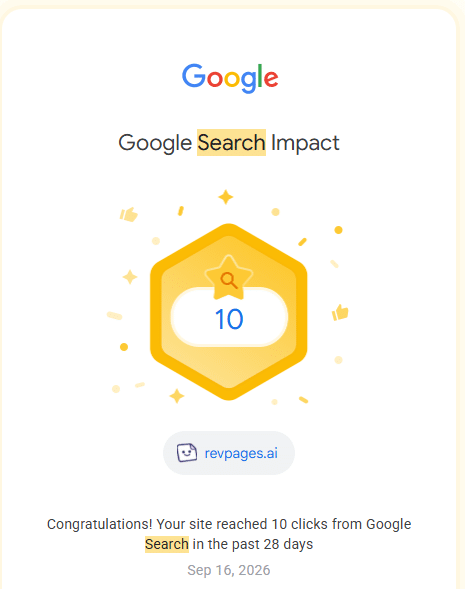
Being cited is a decent milestone, but it hasn’t turned into meaningful traffic or product usage yet:
Here’s where RevPages is so far:
- 18 visitors from organic search
- Two people who tried the product
- One relevant AI Overview citation that I’ve spotted
For me, the encouraging part is where RevPages is appearing. “Best keyword tool for SaaS” is much closer to the product than a broad SEO search with lots of traffic but little buying intent.
The next challenge is turning that early visibility into visits, usage and feedback.
What I’m doing next
I’m planning to publish more detailed content that follows the work people do in RevPages, to build out topical authority and attract people who have a genuine need for the tool.
Another thing I’m going to really focus on is building more free tools for SEO teams and agencies.
Informational articles can still be useful, but AI answers mean fewer people need to click through for a simple explanation. A tool gives someone a reason to visit your site and get a job done - and I see them being a crucial part of SEO in the future.
Further down the line, I’d like to publish original data and studies. I used that approach a lot at my previous business, StandOut CV, to earn links. It takes work to get a study seen, especially when your site is new, so I’m waiting until our domain authority is a little higher.
And I’ll keep looking for relevant tool lists where RevPages would be a useful addition.
Eight weeks in, this is a small signal, not proof that the strategy works. But it’s nice to see the product start appearing for the searches I built it to serve.

Love how honest the numbers are. Getting cited for a high intent SaaS keyword while traffic is still tiny is still a real signal. The part that stuck with me is making the site painfully obvious for both crawlers and LLMs. Guides for authority plus list placements for the answers those models actually pull from feels like the right AEO stack right now. Curious which of the six list mentions you think actually fed that Overview.
This resonates a lot — how long did it take before you saw any real signal on it?