How Sarhne Makes Anonymous Feedback Feel Simple, Safe, and Personal
The Need for More Honest Online Communication
People spend a large part of their day online, but honest communication is still not always easy. A public comment can feel too exposed. A direct message can feel too personal. A face-to-face conversation can feel uncomfortable, especially when the message involves feedback, admiration, advice, or something the sender has never said before.
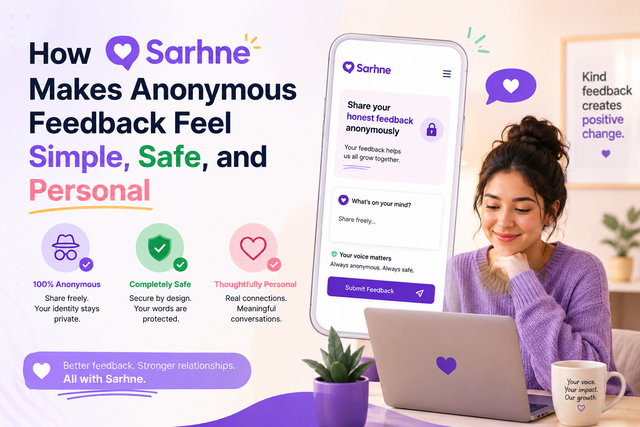
Sarhne gives people another option. It creates a personal space where users can receive anonymous messages through a simple public link. The idea is easy to understand, but the reason it works is deeply human. Most people want to know what others think about them, but they do not always want to ask directly.
That is why anonymous messaging continues to attract attention. It offers a softer path between silence and public conversation. For Arabic-speaking users, صارحني expresses this idea clearly. It feels like a direct invitation to be honest, without making the moment too formal or uncomfortable.
A Personal Page That Invites Real Responses
Sarhne is built around a personal public page. Each user creates an identity, chooses a username, writes a short introduction, and receives a shareable link. This link can be placed in a social media bio, sent to friends, added to a status update, or shared anywhere people may want to respond.
The public page is important because it gives the experience context. A sender knows who they are writing to, but they do not need to reveal themselves. That balance makes the message feel personal without making the sender feel exposed.
A good personal page can also guide the tone of the responses. If the user writes a warm introduction, people may send kinder and more thoughtful messages. If the introduction asks for advice, the replies may become more useful. If it asks for memories, the inbox may become more emotional and personal.
This makes Sarhne more than a blank anonymous form. It becomes a small digital space shaped by the user’s own tone.
Why Sending Without an Account Matters
One of Sarhne’s strongest features is that senders do not need an account. This small detail has a big effect on participation. When people are asked to sign up before sending a message, many of them leave. They may not want to create another account, share an email, or go through extra steps.
Anonymous messaging works best when the process feels quick and natural. Someone sees a link, opens it, writes a message, and sends it. The fewer barriers there are, the more likely people are to take part.
This is especially useful for casual feedback. A follower may want to send a short opinion. A classmate may want to share encouragement. A friend may want to say something kind but stay anonymous. If the process takes only a few seconds, the sender is more likely to complete the message.
Sarhne understands that the moment matters. Honest thoughts often appear suddenly. A simple sending process helps capture them before they disappear.
Control Is What Makes Anonymity Comfortable
Anonymous messaging can feel exciting, but it must also feel manageable. A user should never feel like they have opened a door they cannot close. Sarhne gives receivers control over their inbox, which makes the experience healthier and more trustworthy.
Users can manage messages from a dashboard. They can archive messages they want to keep, delete unwanted ones, and pause the inbox whenever they need a break. These features may seem simple, but they are essential.
Control changes the emotional experience of anonymity. Instead of feeling exposed to whatever arrives, the user remains in charge. They can decide what stays, what goes, and whether new messages should continue coming in.
This is one of the most important lessons for any anonymous platform. Openness is valuable, but only when users have boundaries. Sarhne’s inbox controls help create that balance.
Safety Features Behind the Experience
For anonymous messaging to work well, safety cannot be treated as an afterthought. People need to feel that the platform has systems in place to reduce spam, repetition, and harmful behavior. Sarhne highlights several protections, including rate limiting, duplicate detection, content filtering, moderation signals, server-side verification, and password encryption.
These features support both the sender and the receiver. Rate limiting can prevent one person from flooding an inbox. Duplicate detection can reduce repeated messages. Content filtering and moderation signals help keep the space cleaner. Password encryption protects user accounts and supports a more secure experience.
Most users may not think about these systems while using the platform, but they notice the result. A cleaner inbox feels calmer. A safer platform feels easier to share. When users trust the environment, they are more likely to invite honest messages again.
This is why safety is not only a technical feature. It is part of the product’s personality.
Designed for Arabic Users, Not Just Translated for Them
Sarhne’s Arabic-first identity gives it a strong advantage. Many platforms offer Arabic language support, but the experience often feels translated rather than truly designed for Arabic users. Sarhne is positioned differently. It focuses on Arabic communities from the start, with full right-to-left support and natural Arabic language.
This matters because language affects trust. Users feel more comfortable when the interface matches how they read, write, and communicate every day. The platform does not feel foreign or adjusted later. It feels familiar.
The meaning of صارحني also adds cultural clarity. It is short, memorable, and emotionally direct. It tells users exactly what kind of interaction the platform is built around: honest expression.
For a communication platform, that kind of language fit is powerful. It helps the product feel less like a tool and more like a natural part of online conversation.
How Different Users Can Benefit from Sarhne
Sarhne can be useful for many types of people because the basic idea is flexible. Not everyone will use an anonymous inbox in the same way. Some will use it for fun. Others will use it for feedback, reflection, or community engagement.
A few practical examples include:
• A content creator asking followers what they enjoy most
• A student collecting honest advice from classmates
• A friend inviting anonymous compliments or memories
• A public figure receiving private reactions from an audience
• A community member asking for suggestions without public pressure
The best use depends on the invitation. A thoughtful prompt can improve the quality of responses. Instead of simply sharing the link, users can tell people what kind of messages they want. This small step can turn a random inbox into something more meaningful.
Writing Better Prompts for Better Messages
The public page introduction is more important than many users realize. It sets expectations. It tells senders whether the space is playful, serious, emotional, or feedback-focused.
A strong prompt should be clear and friendly. It should make people feel welcome while guiding them toward better responses. For example, a creator might ask, “What should I improve in my content?” A student might write, “Send me honest advice for this semester.” A friend might say, “Leave a kind message or something you have wanted to tell me.”
Good prompts usually have three qualities:
• They are short enough to read quickly
• They explain what kind of message is welcome
• They sound natural rather than forced
When users guide the conversation, they often receive better messages. The platform provides the structure, but the user’s wording shapes the mood.
Why Sarhne Works Well With Social Platforms
Sarhne does not need to compete with social media because it works naturally alongside it. People already use social platforms to gather attention, share updates, and connect with others. Sarhne adds a different layer: private anonymous response.
A user can post a Sarhne link on Instagram, TikTok, WhatsApp, X, Facebook, or any other platform where they already have an audience. The link becomes an invitation for a more private type of interaction.
This makes the platform easy to adopt. Users do not need to move their community somewhere else. They only need to share one link. That link can create a quiet space for messages that may not fit public comment sections.
In a noisy social environment, that quiet space can feel refreshing.
The Future of Private Honesty Online
Sarhne shows that anonymous messaging still has value when it is simple, safe, and designed for a specific audience. Its appeal comes from a familiar human desire: people want honesty, but they also want comfort. They want to hear what others think, but they do not always want a public conversation attached to it.
The platform’s personal pages, easy sending process, inbox controls, safety features, mobile-first design, and Arabic-first experience all support that purpose. It gives users a way to invite honest messages without making the process complicated.
For Arabic-speaking communities, صارحني feels direct and natural. It captures the emotional promise of the platform in one word: speak honestly. When combined with thoughtful controls and a clean user experience, that promise becomes more than a slogan. It becomes a useful way for people to connect, reflect, and hear what others truly want to say.
