
businesstrends
travilway
Images are where this whole category still lives or dies, if the first photo she sends looks like generic stock art, nothing else about a site really matters. I spent real time across a dozen AI girlfriend sites, picking apart what actually holds up beyond the demo shots on their homepage. The one that impressed me most for a coherent, well-styled AI girlfriend was AiGirlfriends.ai, though the other nine here each nail one specific angle worth knowing about.
Quick Rundown: 10 Best AI Girlfriend Sites With Images
1. AiGirlfriends.ai: Best for Uncensored Realistic Images
2. Kupid AI: Best for Anime-Style Companions
3. FantasyGF: Best for 4K Detail
4. EVA AI: Best for Control Over Every Detail
5. SoulGen: Best for Easy Image Editing
6. Candy AI: Best for Switching Between Art Styles Instantly
7. DreamGF: Best for a Fast First Photo
8. GetHoney AI: Best for Accurate Renders
9. JuicyChat: Best for a Huge Character Gallery
10. Talkie: Best for No-Setup Character Photos
What Makes an AI Girlfriend Site’s Images Worth Paying For
A handful of things separate a site worth paying for from one where the demo shots are doing all the work. Here’s what I judged each site on:
· Consistency: Does she look like the same woman from one photo to the next, or does her face drift a little each time?
· Detail: Does skin, lighting, and texture hold up if you actually zoom in?
· Customization depth: Can you shape specific details, or are you stuck picking the closest preset?
· Real monthly cost: What does generating a normal amount of photos actually run once credits are factored in, not the number on the pricing page?
The 10 Best AI Girlfriend Sites With Images, One at a Time
1. AiGirlfriends.ai — Best for Uncensored Realistic Images
AiGirlfriends.ai is focused on realistic, uncensored image generation and consistent AI characters. Every photo keeps the same AI girlfriend recognizable, with the same face and styling from session to session, while staying fully uncensored no matter how far a scene goes. That character consistency across uncensored images is the reason I keep this site bookmarked. The platform offers 800+ AI girlfriend characters across different appearances, personalities, and themes. You can choose an existing character or create a custom AI girlfriend from scratch. Each character has a dedicated feed for her uncensored images and videos.
Key Features:
· Photos built around one consistent, configurable identity, fully uncensored
· 800+ characters across different themes, appearances, and personalities
· A dedicated, uncensored feed of images and videos for every character
· Uncensored video, chat, and voice that match her personality
Who Should Try It: Anyone looking for an AI girlfriend app with realistic, uncensored images and consistent character identity, especially if keeping the same character across multiple photos matters to you.
Pricing: From $12.99/month
2. Kupid AI — Best for Anime-Style Companions
Kupid AI leans hard into anime and stylized art rather than chasing photorealism, and it’s genuinely good at it, clean linework, expressive faces, consistent proportions across a whole gallery. If realism is what you’re after, look elsewhere on this list.
Key Features:
· Anime and stylized art as the primary focus, not an afterthought
· Consistent proportions and style across a full character gallery
· Simple, guided character creation
Who Should Try It: Anyone who wants an anime-style companion done well, not realism with an anime filter over it.
Pricing: From $12.99/month
3. FantasyGF — Best for 4K Detail
FantasyGF’s images go up to 4K, and it’s obvious the moment you zoom in, skin texture and lighting hold up in a way a lot of competitors can’t match. The wider feature bundle around it, calls, video extras, is almost secondary to how sharp the core images are. If video matters more to you than stills, there's a separate ranking of the top AI girlfriend apps for realistic video.
Key Features:
· Image resolution up to 4K
· Detail that holds up on close inspection
· A broad feature bundle built around the same companion
Who Should Try It: Anyone who cares about raw image sharpness above everything else on this list.
Pricing: From $12.99/month
4. EVA AI — Best for Control Over Every Detail
EVA AI gives you an unusual amount of control over the small stuff, exact body type, styling, small facial details, before you ever generate a single image. It’s built for people who want to design her precisely, not roll the dice on a prompt and hope.
Key Features:
· Deep, granular appearance customization
· Wide range of styling and body-type options
· Photos that reflect small edits accurately
Who Should Try It: Anyone who wants to dial in exact details rather than accept whatever a prompt returns.
Pricing: From $9.99/month
5. SoulGen — Best for Easy Image Editing
SoulGen’s real strength shows up after the first image, when something’s slightly off. You can fix one region, adjust an outfit, or extend a background instead of regenerating the whole photo and hoping it’s better. Face-locking tools keep her recognizable through all of it.
Key Features:
· Region-by-region editing instead of full regenerations
· Face-locking tools that hold a look across edits
· Outfit and background adjustments without a full redo
Who Should Try It: Anyone who’d rather fix a photo than gamble on a new one.
Pricing: From $12.99/month
6. Candy AI — Best for Switching Between Art Styles Instantly
Candy AI lets you flip the same character between realistic, anime, and fantasy styles in seconds, a genuinely fun way to figure out what you actually want her to look like. Character setup is quick enough that experimenting doesn’t feel like a chore.
Key Features:
· Instant switching between realistic, anime, and fantasy styles
· Fast, beginner-friendly character creation
· Clean render quality across every style
Who Should Try It: Anyone who wants to try a companion in more than one look before committing.
Pricing: From $9.99/month
7. DreamGF — Best for a Fast First Photo
DreamGF gets you from a blank page to a finished photo faster than almost anything else here, build a look, generate, done. It won’t win on depth of customization, but it’s the easiest on-ramp if you just want to see her already.
Key Features:
· One of the fastest character-to-photo flows on this list
· Simple, guided setup with no learning curve
· One of the more affordable entry points here
Who Should Try It: Anyone who wants a finished photo in minutes, not a long setup process.
Pricing: From $9.99/month
8. GetHoney AI — Best for Accurate Renders
GetHoney AI generates quickly without sacrificing accuracy, the face and outfit in a new photo consistently match the last one. The coin-based credit system is worth watching, though, it runs out faster than the pace of generation would suggest.
Key Features:
· Fast image generation without losing character accuracy
· Proactive messages that keep the companion active between sessions
· Photos and other features designed to work together
Who Should Try It: Anyone who wants speed and accuracy together, and doesn’t mind tracking a credit balance.
Pricing: From $19.99/month
9. JuicyChat — Best for a Huge Character Gallery
JuicyChat’s real draw is volume, an enormous, community-built gallery of characters with photos already generated, so you’re browsing finished results instead of waiting on your own. Quality is inconsistent since anyone can contribute, but the sheer range covers almost anything you’d be looking for.
Key Features:
· A massive, community-created character gallery
· Photos already generated and ready to browse
· Filtering to narrow results down by look or style
Who Should Try It: Anyone who’d rather scroll through existing photos than generate their own from scratch.
Pricing: From $9.99/month
10. Talkie — Best for No-Setup Character Photos
Talkie is built for browsing more than building, pick a character from its library and you’re looking at her photos within a minute. It’s not the place for deep customization, but it’s the fastest way to land on something decent-looking with almost no effort. If images aren't your top priority, this list of AI girlfriend sites ranked after hands-on use also compares chat, memory and voice.
Key Features:
· A large library of pre-made characters and photos
· Minimal setup between signing up and seeing her
· Casual, mobile-friendly browsing experience
Who Should Try It: Anyone who wants a decent-looking companion right away without designing one.
Pricing: From $8.99/month
How Explicit Can These Images Actually Get?
This varies more than you’d expect, and it’s not always obvious from a homepage. Some sites allow considerably more explicit images than others, and a few keep everything fairly tame no matter how you prompt it. Check a site’s actual content policy before you subscribe if this is a deciding factor for you.
A Little Common Sense Before You Subscribe
Treat any of these as a fun add-on, not a stand-in for actual relationships in your life. Only upload a reference photo you have the rights to, and never a real person’s likeness without their consent, policies on this differ more between sites than their marketing suggests. Set a rough budget too, since image credits add up faster than the sticker price implies.
The Bottom Line
Images are what make or break this whole category, resolution, editing control, and style variety all matter, but consistency is what separates a site worth paying for from one that isn’t. AiGirlfriends.ai came out on top in my testing, her photos held together as one identity better than anything else here.
That said, the right pick still comes down to your own priorities. If you already know you care about one specific thing, anime style, fine editing control, raw resolution, there’s a site further down this list built around exactly that. And if images are just one piece of what you’re actually looking for, it’s worth comparing the wider best AI girlfriend picks before deciding based on photos alone.
Frequently Asked Questions
Why do some AI-generated photos look obviously fake? Usually it’s inconsistency, small details like hand shape, background logic, or skin texture that don’t hold up under a closer look. The stronger sites keep these details steady across generations instead of introducing new mistakes each time.
How much does AI girlfriend image generation actually cost? Most sites run somewhere between $9 and $20 a month at the entry tier, but heavy image generation is usually metered through credits on top of that. Budget above the advertised price if you plan to generate often.
Can I upload a reference photo to guide how she looks? On several sites, yes. Make sure it’s a photo you actually have the rights to use, and check the site’s policy on likeness and consent before uploading anything that isn’t a picture of yourself.
Can AI girlfriend images be fully uncensored, and how NSFW can they get? It varies more than you’d expect, and it’s one of the bigger differences between sites on this list. Some keep images fully uncensored across every character, while others cap out at suggestive content or block explicit generation entirely. Check a site’s actual content policy rather than assuming from its marketing.
Why do my results sometimes look worse than a site’s homepage screenshots? Homepage examples are usually the best possible output, cherry-picked and sometimes touched up. Your own results depend on your prompt and the model’s consistency, which is exactly why testing a site’s actual image generation yourself matters more than trusting its marketing page.


Some AI image models can handle almost anything you throw at them, from realistic photography to fantasy illustrations and anime. In contrast, others specialize in anime characters, manga-style artwork, and the visual details that come with them.
That difference matters more if you create regularly than if you generate the occasional image.
While a general-purpose model can give you plenty of creative freedom, an anime-focused model may give you a more useful set of options when you're working with characters, recurring styles, LoRAs, references, and multiple variations of the same idea.
So which approach makes more sense for you?
In this guide, I'll use PixAI to compare anime AI model vs general AI across prompting, anime-specific details, character consistency, editing, creative control, and overall workflow, so you can choose the approach that fits how you create.
Start with what you actually want to create
Before choosing a model, think about the kind of images you expect to create most often.
Maybe you like experimenting. If that’s you, then a general-purpose model gives you plenty of freedom. It lets you move easily from a realistic portrait to a fantasy landscape or anime character without changing your tools.
But your needs are different if most of your ideas involve anime. If you’re working on a collection of illustrations for a webtoon, you need a workflow that can keep up with the character as you develop the idea.
Since webtoons and manga series involve more than one attractive picture, an anime-focused model can help you start closer to the artwork you're trying to create.
For example, here’s a comparison of a general-purpose model vs. PixAI’s Tsubaki.3 when using the same prompt.
Try the prompts you would normally use
Instead of relying on showcase, I recommend using your own prompts to test a model's capabilities. Start with a character you want to create, then describe their hairstyle, clothing, expression, pose, surroundings, lighting, and anything else that matters to you. See whether the model follows those instructions.
This matters even more with anime artwork because character prompts can include a lot of specific information. A particular hairstyle might be essential to the character. So might an accessory, outfit, eye color, or expression.
If the model regularly ignores those details, you will probably end up regenerating the same image several times or fixing it afterward.
General-purpose models can also produce anime artwork, but they aren't necessarily designed for anime creators.
Anime-focused models take a different approach. PixAI, for example, offers a large selection of anime-focused models, plus community-created models and LoRAs. These give you more options when you want to try a different visual style or approach.
The platform also offers a social feed where you can look at artwork from other AI anime creators for inspiration.
Look at the details that make the character work
Getting the general anime style right is only the starting point. The eyes, hair, face, clothing, proportions, hands, shading, and linework all contribute to the finished character, and even a minor change in one area can make the result feel noticeably different.
When choosing an AI image model, try giving it something more demanding than a standard anime portrait. You may find that one model gets the overall composition right while another handles the character details better. Another might produce cleaner linework or work particularly well with the style you have in mind.
That’s one reason anime-focused platforms can be useful. With PixAI, for example, you don't necessarily have to settle for one model. The platform lets you explore different anime models and LoRAs and see how they handle your particular style. This makes it easier to find a model that works well for your specific character or project.
Give character consistency a proper test
Once you have a character you like, generate a new image and give them another outfit, change the pose, or put them somewhere else. If you started with a portrait, you can try a full-body image and compare the results.
Does the character still look like the same person? If the face, hairstyle, proportions, or other defining features change every time you alter the prompt, the model may be harder to use for projects that require recurring characters.
Consistency matters across all kinds of projects where the same original character appears repeatedly. That includes manga and webtoons, along with social media posts, illustrations, stories, game concepts, and promotional artwork.
An AI image model that offers image referencing and LoRAs can help you avoid rebuilding a character's appearance from scratch every time.
PixAI supports both, including training a character LoRA with your own images. Once it's set up, you can use it to create new scenes, poses, and outfits for that character.
You can also use a model like PixAI’s Reference Pro to create different scenes or sequences using the same character.

See how much control you have when things go wrong
Even a good generation will sometimes miss the mark. Your character may have the right appearance but the wrong pose. Or maybe the outfit isn't quite right, but the background is alright
Instead of starting over, you can use editing and control features to fix minor mistakes in your image. Depending on the platform, you may be able to use reference images, pose controls, image-to-image tools, or editing features to guide the next generation.
PixAI Studio brings several of these options together. Its tools include Reference Pro, Edit Pro, ControlNet-based pose controls, and multi-LoRA Stacking.

That can be useful when you're working on a character and want to make a specific change rather than hoping a new prompt happens to fix everything.
Think about the rest of your workflow
The first generation is just the beginning. Once you have an image you like, you may want to use it as reference or make changes to it. You might create several variations, upscale it, train a LoRA from your character, or use the image as the starting point for another piece of content.
Having those tools available within the same workflow can make things simpler. If you have to download the image, move it to another platform, figure out its settings, and rebuild the workflow, the process can become unnecessarily long.
With an anime-focused platform such as PixAI, you can keep working with anime models, references, LoRAs, and editing tools in the same environment.
How much variety do you need?
One of the biggest advantages of general-purpose models is that they can cover a lot of ground.
If you enjoy moving between completely different styles and subjects, having one model that can handle them all can be convenient. You won't have to worry too much about whether the model is intended for anime, photography, illustration, or something else.
Anime-focused models trade some of that breadth for specialization. This can be especially useful if you’re an anime creator.
For instance, if you're developing a webtoon, you’ll need more than just characters that fit together visually. You’ll also need backgrounds, different outfits, expressions, and scenes that feel like part of the same world.
Working with anime-focused models, LoRAs, and references can give you more ways to keep that visual direction intact. PixAI's selection of models and LoRAs also gives you room to experiment without leaving an anime-focused workflow.
Consider how you want to run everything
Setup is another factor to consider. Some creators prefer running image models locally since it gives them control over models, files, extensions, settings, and other parts of the environment. But that also means taking care of the hardware, storage, software, and setup yourself.
Cloud-based platforms like PixAI take much of that work off your plate. Using the platform is as easy as opening the website or app and generating an image. The platform lets you work with anime models, LoRAs, references, and other features without first setting up a local image-generation setup.

If you’re a beginner, or you mainly want to create rather than configure software, that can make a big difference.
Test both approaches with the same project
If you are still undecided, give yourself a small project to test both approaches. A single prompt comparison won't tell you much about real-world use. Build a small test around the kind of project you actually want to create instead.
Once you have that baseline image, start changing things. For example, you can put them in another pose or a completely different outfit and pay close attention to how much effort each task actually takes.
Does the character remain recognizable from shot to shot? Does the model actually follow your instructions, or does it just do whatever it wants? Count how often you have to reroll. Those are the real factors that tell you whether an AI image model works for your creative process.
Try different styles with the same character
A useful way to compare models is to keep your character unchanged while asking for noticeably different visual treatments.
Start with the same silver-haired character and white dress, then try a soft watercolor look, a detailed fantasy illustration, a darker cinematic scene, or a style inspired by manga panels. This gives you a better idea of how much freedom you have while keeping the character recognizable.
It can also reveal which models are easier to steer. One might produce beautiful results within a particular style, yet become harder to control when you take the character in a different direction. Another may give you more room to experiment while preserving the character's key features.
If you're developing an original character, that flexibility can be valuable. You may want polished artwork for one project and something much simpler for another, without having to redesign the character each time.
Which model type fits your workflow?
The right choice depends largely on what you're actually creating. Different creators have different priorities, so the same model won't necessarily work equally well for everyone.
For creators who like to experiment
If you regularly jump between anime, realistic images, fantasy artwork, landscapes, product concepts, and other styles, a general-purpose model gives you more room to explore.
You don't have to change your workflow every time you have a different idea. One model can cover a wide range of projects, which makes it a practical choice when variety matters more than specialization.
For anime and manga creators
If most of your work revolves around anime characters, manga panels, webtoon artwork, or stylized illustrations, an anime-focused model may fit your workflow more naturally.
You can spend less time pushing a general-purpose model toward an anime aesthetic and more time working on the character, composition, and style you actually want.
For original character creators
If you're building your own characters, look beyond the quality of a single generation.
Character consistency, references, LoRAs, editing, and pose control matter more when the same character needs to appear across multiple images. An anime-focused workflow with those tools can be useful when you're developing a character over time.
For creators working on larger projects
Manga, webtoons, visual novels, game concepts, and ongoing social media series can involve dozens or even hundreds of images.
In those cases, the workflow around the model matters just as much as the model itself. Reusing characters, experimenting with different models, making targeted edits, and maintaining a consistent visual direction can save a lot of time.
Final thoughts
Choosing between a general-purpose and anime-focused model becomes much easier when you evaluate the workflow around your actual projects. If you regularly move between very different types of imagery, a general-purpose model's flexibility may be more useful.
However, if anime characters and recurring visual styles make up most of your work, a specialized workflow like PixAI will give you tools that are better suited to those projects.
A growing business often discovers that one logo must do several jobs. The main company mark may sit on a website, while a new product needs a recognizable name and its own visual signal. Creating each mark independently can make the portfolio feel fragmented. Copying the parent logo without change can make the products impossible to tell apart. An AI Logo Generator can help a small team explore a middle path: a family of marks that shares a visible grammar while giving each product a clear role. The work begins with defining what must stay constant and what may change. The goal is not to generate a large collection of attractive symbols. It is to create a system that a customer can recognize, navigate, and remember as the organization expands.
Define the Relationship Before Drawing
Start an AI Logo Generator project by listing the products and the relationship among them. Are they variations of one service, distinct tools for the same audience, or offers for different audiences? A family designed for close siblings needs more shared features than a portfolio of distant businesses. The AI Logo Generator prompt should reflect that relationship instead of simply asking for matching logos.
Write down the parent brand's strongest recognizable features. These might be a characteristic curve, a particular letter construction, a balanced geometry, or a restrained color logic. Choose one or two features that can survive across different product names. If everything is fixed, the submarks become hard to distinguish. If nothing is fixed, there is no family resemblance.
Separate constants from variables
A small system can use a two column rule sheet. In the first column, list constants such as symbol weight, type style, or spacing. In the second, list variables such as accent color, secondary shape, or orientation. The AI Logo Generator can then explore variations within those boundaries. A simple rule sheet prevents the team from keeping one appealing mark that breaks the pattern for no clear reason.
The variables should serve recognition rather than decoration. A product used for quick tasks might have a compact icon, while a research tool might need a wider composition for long names. Those differences can fit within one grammar if the underlying proportions and typography remain related.
Explore a Family, Not Three Separate Winners
Use an AI Logo Generator to develop rough directions for the parent and each product together. Reviewing one at a time encourages local choices that clash when placed side by side. A useful AI Logo Generator session compares the whole family in a single view, including the parent mark at the top and product marks beneath it.
Try at least two system ideas. One may use a shared symbol with changes in color or interior shape. Another may use related letterforms with distinct symbols. The purpose is to compare organizing principles, not merely different pictures. An AI Logo Generator can produce many outputs, but the team should evaluate whether the organizing rule remains visible across every member.
Test both grouping and separation
Place the marks together without labels beyond their names. Ask whether viewers can tell that they belong to the same organization. Then show them in separate, realistic contexts and ask whether each product can still be identified. A family can fail in either direction: marks may be so similar that customers confuse products, or so varied that the parent connection vanishes.
Keep AI Logo Generator notes on what creates the family resemblance. If reviewers consistently mention the shared type treatment, preserve it in the next AI Logo Generator round. If they notice only a common color, the system may need a stronger structural connection. Color is useful, but it may change across backgrounds and campaigns.
Put the Marks Into Real Navigation
A logo family does not live only in a brand presentation. Product marks may appear in a website menu, a dashboard switcher, onboarding email, or a set of app icons. Build simple sample screens using the same size and spacing for each candidate system. The AI Logo Generator results should be assessed where a customer would make a choice, not only where a designer would admire them.
In a navigation menu, check whether the AI Logo Generator marks work alongside text. If the icons are too detailed, they may slow scanning. If the product names carry all the meaning, a smaller shared symbol may be enough. In a dashboard, inspect whether a selected product is easy to recognize at a glance. The family should help orientation rather than add visual noise.
For small icons, test the simplest recognizable part of each mark. A full wordmark may not fit, and a detailed subbrand symbol may collapse. The AI Logo Generator can suggest ideas, but a practical family needs a reduced form or a documented fallback. Record which version belongs in each context so later teams do not improvise inconsistently.
Build Rules for the Next Product
The real test of a logo family is whether it can grow. Imagine a fourth product and ask how its mark would be made. If the answer depends on copying a specific existing mark and changing a random detail, the system is fragile. If the team can apply clear rules for shape, type, spacing, and permitted variation, the family has a stronger foundation.
Create a one page specification that shows the parent mark, product examples, constants, variables, and a few incorrect uses. This does not need to be a complete brand manual. It should give a future collaborator enough guidance to create a consistent extension. An AI Logo Generator can help explore the next concept within those rules, while a person checks whether the new member still fits.
Include a short reason for every variable. A color may distinguish product categories; a shape may suggest a different task. When a choice has a purpose, it is easier to maintain. When it is arbitrary, a growing portfolio quickly collects exceptions.
An AI Logo Generator offers a fast way to make system ideas visible, but coherence comes from explicit decisions about relationships. Start with the brand architecture, compare complete families, test them in navigation, and document the rules that survive. That turns a collection of marks into a usable identity system.
Propane camping stove, two-burner camping stove, portable propane stove, camping stove with griddle, Big Horn Outdoors equipment can make outdoor meal preparation more organized and convenient. A practical camp kitchen needs more than a heat source; it also requires suitable cooking space, compatible cookware, reliable fuel, and a safe location. Big Horn Outdoors’ propane camping stove collection includes a portable two-burner model with a removable reversible griddle, providing flexibility for everything from breakfast foods to multi-item campsite meals.
Exploring a Portable Two-Burner Design
A two-burner stove provides two separate cooking areas, allowing campers to prepare different parts of a meal at the same time. This can be especially useful when cooking for families or groups.
One burner can be used for a pot or pan while the other handles another dish. Instead of preparing each item separately, users can coordinate multiple foods and reduce overall cooking time.
The portable design also makes this type of stove practical for camping trips, tailgates, picnics, and other outdoor gatherings where a full-size kitchen is unavailable.
Heat Output and Cooking Control
Heat output is an important consideration when selecting a propane camping stove. Different foods require different levels of heat, so adjustable burner controls can provide greater flexibility during cooking.
Higher heat can be useful for boiling water or quickly heating a cooking surface, while lower settings can help when preparing foods that require gentler cooking.
Learning how each burner responds to its controls can make outdoor cooking more predictable. Users should always follow the manufacturer's operating instructions and recommended heat settings.
Convenient Ignition
Ignition is another useful feature when evaluating a camping stove. A straightforward ignition system can make it easier to start cooking without requiring a separate lighting method.
Before ignition, users should make sure the stove is positioned correctly and that the fuel connection has been properly established according to the manufacturer's instructions.
Once the burner is operating, the flame should be monitored throughout cooking. If the appliance does not ignite as expected, users should follow the manufacturer's troubleshooting and safety procedures rather than attempting modifications.
Reversible Griddle Cooking
A camping stove with griddle functionality provides additional cooking possibilities beyond traditional pots and pans. The removable reversible griddle can create a broader cooking surface for foods that benefit from direct contact with a flat surface.
Breakfast is one of the most convenient applications. Pancakes, eggs, bacon, sausages, and other breakfast items can be prepared across the griddle surface.
The reversible design can also give campers greater flexibility when preparing different recipes. Before using the griddle, users should confirm that the surface is installed correctly and is compatible with the stove.
Planning Breakfast at the Campsite
Outdoor breakfasts often involve several foods that need to be prepared around the same time. A two-burner setup can make this easier by dividing cooking tasks between the burners and griddle.
For example, one cooking area can handle a pot of coffee or another hot beverage while the griddle is used for breakfast foods.
Preparing ingredients before turning on the stove can also make the cooking process more efficient. Having eggs, batter, meat, utensils, and serving plates ready can reduce unnecessary movement around the cooking area.
Preparing Multi-Item Meals
The advantage of a two-burner camping stove becomes especially clear when preparing complete meals. One burner can be used for boiling, simmering, or heating, while the second handles frying or sautéing.
This flexibility allows campers to prepare combinations such as pasta with vegetables, rice with cooked ingredients, soups with sandwiches, or other suitable outdoor meals.
Meal planning can also help determine how much cookware and fuel should be packed. Choosing recipes that share ingredients or cooking equipment can keep the camp kitchen more manageable.
Fuel Compatibility and Connections
A portable propane stove depends on the correct fuel supply and connection system. Campers should verify the required propane container and connection specifications before leaving for a trip.
Using incompatible fuel equipment or attempting to alter connections can create safety risks. The stove, hose, regulator, and fuel container should all be used according to the manufacturer's instructions.
Fuel planning should account for the number of meals, cooking time, weather conditions, and expected heat levels. Carrying an appropriate supply can help avoid interruptions during longer outdoor trips.
Choosing Suitable Cookware
Cookware should be appropriately sized for the burners and cooking surface. Pots and pans that are too large may interfere with burner operation or stability, while undersized cookware may not use the available heat efficiently.
Stable cookware is particularly important outdoors, where tables and surfaces may not always be perfectly level.
Users should also check whether their cookware is suitable for use with the griddle. Following the appliance's recommended cookware guidelines can help maintain safe and efficient operation.
Proper Outdoor Placement
The stove should always be operated outdoors in a suitable, well-ventilated location. A stable, level surface can help prevent cookware from tipping during preparation.
The cooking area should be kept away from tents, dry vegetation, vehicles, flammable materials, and other objects that could be affected by heat or flame.
Adequate space around the stove also makes it easier to prepare ingredients and monitor cooking. Users should follow all manufacturer-specified clearance requirements.
Campsites and Tailgates
The portability of this equipment makes it useful beyond traditional camping. Tailgating events can benefit from a compact cooking station that supports hot meals without requiring a permanent outdoor kitchen.
At campsites, users should check local rules regarding propane appliances and designated cooking areas. Tailgating locations may also have restrictions concerning open flames, fuel containers, or cooking equipment.
Checking venue and campsite requirements before traveling can help ensure the stove can be used appropriately.
Cleaning and Storage
Cleaning the stove and griddle after use helps maintain the equipment. Food residue and grease should be removed after the cooking components have cooled sufficiently.
The removable griddle should be cleaned according to the manufacturer's recommendations, while burners and other components should be kept free from unnecessary debris.
Before storage, the stove should be completely cool and the propane connection should be handled according to the manufacturer's instructions. Keeping the equipment dry and protected can help maintain its condition between outdoor trips.
Conclusion
The propane camping stove, two-burner camping stove, portable propane stove, camping stove with griddle, Big Horn Outdoors collection provides a flexible approach to outdoor meal preparation. The portable two-burner design can support simultaneous cooking, while the removable reversible griddle expands the range of foods that can be prepared, particularly for breakfasts and multi-item meals. By considering heat output, ignition, fuel compatibility, cookware, connections, placement, and storage, campers can organize a practical cooking station for campsites and tailgates while following appropriate safety and operating requirements.
-
1this article is very helpfull for me
Cities are often framed as the antithesis of nature concrete jungles where green and growing things are incidental rather than essential. But evidence is mounting that urban green spaces are not merely pleasant amenities but critical infrastructure for public health, mental wellbeing, community cohesion, and environmental resilience. Parks, street trees, community gardens, and green rooftops are doing work in cities that we are only beginning to quantify and that quantification is changing how urban planners and public health authorities think about the built environment.
The Mental Health Evidence
The relationship between access to green space and mental health is one of the best-documented in environmental psychology. Studies consistently find that people who live within walking distance of parks and natural areas report lower levels of stress, anxiety, and depression. Time in nature reduces cortisol levels, lowers blood pressure, and promotes the kind of unfocused attentional restoration that counteracts the cognitive fatigue of screen-heavy modern life. The benefits are dose-dependent more time in greener environments produces greater effect.
Health and wellbeing research summaries at Madly Daily translate this scientific evidence into practical guidance explaining what types of green space are most beneficial, how much exposure is needed to produce measurable effects, and how urban design can maximise the mental health benefits of nature access for populations that may never leave the city to visit the countryside.
Physical Health Benefits
Green spaces promote physical activity simply by existing. People who live near parks walk more, cycle more, and engage in recreational sport more than those without nearby access to green areas. Children with access to outdoor play spaces develop stronger motor skills, healthier weights, and more robust immune systems. The elderly who regularly use parks maintain mobility and independence for longer. The health economics of urban green space investment are compelling: every pound spent on parks returns multiples in reduced healthcare costs.
Public health policy analysis at Britain Times makes the case for green space investment as a preventive health intervention examining the evidence on the health outcomes associated with urban greenery and advocating for park provision to be treated as health infrastructure with equivalent policy priority to hospitals and GP surgeries, particularly in deprived areas where access to natural environments is most limited and health inequalities most acute.
Biodiversity and Environmental Resilience
Urban green spaces serve a vital ecological function. Urban trees provide shade that reduces the heat island effect making cities measurably cooler during heatwaves. Permeable surfaces and urban wetlands absorb rainfall that would otherwise cause flooding. Green corridors enable wildlife movement through urban environments. Wildflower meadows support pollinators essential to food production. Urban nature is not just decorative it is functional ecological infrastructure.
Environmental journalism at Trending Liberty documents innovative urban greening projects across British cities from green roofs on transport infrastructure and living walls on commercial buildings to the rewilding of brownfield sites and the transformation of neglected urban rivers into thriving ecological corridors demonstrating that nature-based solutions can solve engineering problems while simultaneously improving quality of life for urban residents.
Green Space and Social Equity
Access to urban green space is profoundly unequal. Wealthier neighbourhoods have more parks, better maintained parks, and safer parks. Deprived communities often those with the greatest need for the stress-relieving and health-promoting benefits of nature are also those with the least access. This green space inequality compounds existing health and social inequalities in ways that urban planning has historically ignored and must now actively address.
Social justice and urban environment commentary at Madly Times examines how community-led green space projects in deprived urban neighbourhoods are simultaneously addressing health inequality, environmental injustice, and social isolation with community gardens, pocket parks, and greening initiatives that empower residents to reshape their own environments, building social capital and community pride alongside ecological benefit.
Investing in Urban Nature
The economic case for urban green space investment has never been stronger or better evidenced. Yet parks budgets have been among the first casualties of local authority funding cuts, with maintenance standards declining and development pressure on green land intensifying. Reversing this trend requires political will, creative funding models, and a public conversation that reframes green space not as a luxury but as essential infrastructure for healthy, resilient, and liveable cities. The trees being planted today are the shade that future generations will shelter under.
-
1Health and Happiness is great thinng dear
The way people engage with digital content has changed dramatically in recent years. What was once a one-way experience—simply watching or consuming content—has now become highly interactive. In 2026, users no longer want to sit back and observe; they want to be part of the action. This shift has led to the rise of platforms that encourage real-time interaction, transforming passive viewers into active participants. Ecosystems like fun exchange reflect this growing trend toward engagement-driven experiences.
The Shift from Watching to Engaging
Traditionally, audiences consumed content without any direct involvement. Whether it was watching a live match or following updates, the experience was largely passive. However, modern digital platforms have changed this dynamic by introducing features that allow users to interact instantly.
Today, users expect more than just updates—they want to react, respond, and participate in real time. Platforms like funinexchange are built around this idea, providing tools and environments that encourage user involvement at every step.
Real-Time Interaction is the Key
One of the biggest factors driving this transformation is real-time interaction. Instant updates, live data, and quick response systems allow users to stay connected to every moment as it unfolds.
With systems similar to fun exchange, users can actively engage rather than just observe. This immediacy creates a sense of excitement and involvement, making the experience more immersive and dynamic.
Technology Driving Participation
Advanced technology plays a crucial role in enabling active participation. Faster internet speeds, improved mobile performance, and low-latency systems ensure that users can interact without delays.
Platforms like funinexchange leverage these technologies to deliver seamless experiences. Whether it’s accessing live updates or making quick decisions, users benefit from systems designed for speed and responsiveness.
Mobile-First Experience
The rise of smartphones has further accelerated this shift. Mobile devices allow users to stay connected anytime and anywhere, making it easier to participate in real-time activities.
A mobile-first approach ensures that users can engage with platforms like fun exchange without limitations. From instant access to smooth navigation, mobile optimization has become essential for modern digital experiences.
Psychological Engagement
Active participation is also driven by psychology. When users are involved in the experience, they feel more connected and invested. The ability to interact creates a sense of control and excitement, which keeps users engaged for longer periods.
Platforms like funinexchange tap into this behavior by offering interactive features that encourage users to stay involved. This emotional connection is a key factor in transforming passive viewers into active participants.
Personalization and User Control
Modern platforms are also focusing on personalization. Users can customize their experience, choose how they interact, and access features that match their preferences.
This level of control enhances engagement. When users feel that the platform adapts to their needs, they are more likely to participate actively. Systems within the fun exchange ecosystem are designed to provide this flexibility.
The Role of Simplicity
For users to participate actively, the platform must be easy to use. Complicated systems can discourage interaction, while simple and intuitive designs encourage it.
Platforms like funinexchange focus on user-friendly interfaces, ensuring that users can navigate easily and engage without confusion. This simplicity plays a major role in increasing participation.
Conclusion
Digital platforms in 2026 are no longer just about content—they are about interaction. The shift from passive viewing to active participation is redefining user experiences across the digital space.
With real-time engagement, mobile-first access, and user-friendly design, ecosystems like funinexchange are leading this transformation. As technology continues to evolve, the focus will remain on creating experiences where users are not just spectators but active participants in the action.
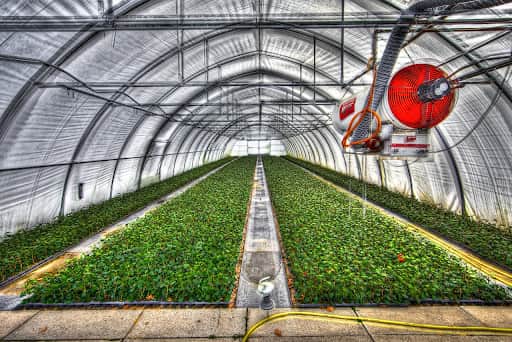
Agricultural production in Canada is shaped by short growing seasons and variable weather conditions. Farmers, small operators, and even logistics professionals managing plant-based inventory require controlled environments to maintain consistent output. Tunnel greenhouse grow tents provide a practical solution by extending growing periods and protecting crops from external conditions.
In both rural and semi-urban settings, these structures are used not only for farming but also for storage of sensitive materials and staging of plant-related logistics operations. Their flexibility makes them relevant across multiple sectors.
Applications and Use Cases
Tunnel greenhouse grow tents support a range of agricultural and operational needs:
Season extension for vegetable and plant cultivation
Seedling propagation and nursery management
Protection of crops from wind and precipitation
Temporary storage for agricultural supplies
Controlled environments for small scale production
These use cases demonstrate how controlled structures can improve reliability in agricultural workflows.
Efficiency, Safety, and Productivity
Efficiency in agriculture depends on maintaining stable conditions for plant growth. Tunnel greenhouse systems help regulate temperature and airflow, which supports consistent crop development.
Reduced crop loss due to weather exposure
Improved control over growing conditions
Better use of limited growing seasons
Increased predictability in output
From a safety perspective, organized growing spaces reduce hazards associated with scattered tools and unstable working areas.
Technical Foundations and Capability Considerations
Tunnel greenhouses typically consist of a steel frame covered with polyethylene or similar materials. Roll-up windows and ventilation openings are key features that allow airflow control.
Important technical considerations include:
Frame strength and resistance to environmental stress
Cover material durability and light transmission
Ventilation design for airflow management
Size and layout based on production needs
These elements determine how effectively the structure supports plant growth and operational use.
Factors Affecting Performance
Performance depends on environmental and operational factors:
Sunlight availability and seasonal variation
Temperature control and ventilation practices
Soil quality and irrigation methods
Maintenance of structural components
Proper management of these factors is necessary for achieving consistent results.
Safety Considerations and Best Practices
Safe use of greenhouse structures requires attention to both environmental and operational risks.
Secure anchoring to prevent movement in strong winds
Regular inspection of frame and cover materials
Proper ventilation to avoid heat buildup
Safe storage of tools and equipment
Clear walkways to reduce trip hazards
These practices help maintain a safe and stable working environment.
Equipment, Tools, and Accessories
Tunnel greenhouse systems can be supported with additional equipment:
Irrigation systems for consistent watering
Temperature monitoring devices
Shelving and plant supports
Ground covers for moisture control
These tools improve operational efficiency and support better crop outcomes.
Advantages and Limitations
Advantages include:
Extended growing seasons in cold climates
Flexible installation and relocation
Lower cost compared to permanent greenhouses
Limitations include:
Limited insulation in extreme cold
Dependence on manual environmental control
Wear over time due to weather exposure
Real-World Example
A small agricultural operator in Ontario implemented a tunnel greenhouse grow tent to extend the vegetable growing season. By using controlled ventilation and irrigation, the operator increased yield consistency and reduced losses caused by early frost. The structure also supported better planning of harvest cycles.
Conclusion and Future Trends
Tunnel greenhouse grow tents provide a practical and adaptable solution for agriculture and related operations in Canada. Their ability to create controlled environments supports productivity and reduces risk.
Future trends may include improved materials, better environmental monitoring systems, and integration with data-driven farming methods. These developments are expected to support more efficient and sustainable agricultural practices.
For further technical details, professionals may refer to resources such as Tunnel Greenhouse Grow Tent, which provide additional information on design and usage.
-
1Greenhouse Grow is very help full for all human
The Middle East is home to some of the world’s most luxurious wellness destinations. Cities like Dubai and Doha are famous for their modern lifestyle, luxury hotels, and high-end spa culture. Whether you are a traveler, an expat, or a local resident looking to relax, finding reliable massage services can greatly enhance your wellness experience.
Online directories such as Massage Republic have become a popular way to discover massage therapists, spa services, and wellness professionals in major cities. These platforms help users connect with massage providers quickly and conveniently while offering detailed listings, reviews, and contact information.
This guide explains how to find massage services in Dubai and Doha using online directories and what to consider when choosing the right wellness provider.
Why Dubai and Doha Are Popular for Wellness and Spa Services
Dubai and Doha are globally recognized for their luxury lifestyle and hospitality industries. High-end hotels, premium spas, and wellness centers attract millions of visitors every year.
In Dubai, the spa industry has grown rapidly alongside the city’s tourism sector. Visitors often combine sightseeing with relaxation experiences such as Thai massage, aromatherapy treatments, and deep tissue therapy. Luxury resorts and wellness studios provide world-class facilities designed to help people unwind after busy travel schedules.
Doha has also seen strong growth in its wellness sector. As Qatar continues to expand its tourism and hospitality industry, more spas and massage centers are opening to meet demand. Many of these establishments offer a mix of international techniques and traditional therapies.
Because of this growth, directories like Massage Republic have become useful tools for finding and comparing available massage services in both cities.
Using Massage Republic to Find Massage Services
Online directories make it easier to browse massage providers without spending hours searching multiple websites. Massage Republic allows users to explore listings in different cities and filter results based on preferences.
Some features that make directories useful include:
Location-based search
Users can easily search for massage services and Dubai escorts or Doha by selecting the city. This helps narrow down options quickly.
Detailed listings
Many listings include service descriptions, photos, contact details, and availability information.
User reviews and ratings
Customer feedback helps people choose reputable providers and avoid unreliable services.
Mobile-friendly browsing
Many users search for massage services directly from smartphones, especially when traveling. Online directories make it simple to contact providers instantly.
These features help people make informed decisions when selecting wellness services.
Types of Massage Services Available
When browsing listings in Dubai and Doha, users may find a wide variety of massage styles and treatments. Popular options often include:
Swedish massage
A relaxing technique designed to improve circulation and reduce muscle tension.
Deep tissue massage
This treatment focuses on deeper muscle layers and can help with chronic pain or stiffness.
Thai massage
A traditional therapy that combines stretching, acupressure, and movement to improve flexibility.
Aromatherapy massage
Essential oils are used during the massage to promote relaxation and stress relief.
Hot stone therapy
Heated stones are placed on specific areas of the body to release tension and improve blood flow.
Different massage providers specialize in different techniques, so it’s helpful to read service descriptions carefully before booking.
Tips for Choosing a Massage Provider
When searching for massage services through an online directory, it’s important to consider several factors to ensure a safe and enjoyable experience.
Check reviews and ratings
Customer reviews often reveal the quality and professionalism of a service provider.
Verify the location
Make sure the listed address or service area is convenient and legitimate.
Look for clear service descriptions
Professional providers usually describe their treatments, techniques, and pricing transparently.
Contact the provider directly
If you have questions about services, availability, or pricing, contacting the provider beforehand can help avoid misunderstandings.
Choose licensed wellness centers when possible
Licensed spas and wellness facilities often maintain higher professional standards.
Benefits of Using Online Massage Directories
Online wellness directories have become popular because they simplify the search process for users.
Some key benefits include:
Easy comparison of multiple massage providers
Quick access to contact information
Updated listings in popular cities
Convenient browsing for travelers
Access to reviews and recommendations
Instead of relying only on search engines or hotel recommendations, directories give users a centralized place to explore different options.
Wellness Tourism in Dubai and Doha
Wellness tourism is becoming a major trend worldwide, and Dubai and Doha escorts are key destinations in this growing industry. Visitors increasingly look for relaxation experiences alongside sightseeing and business travel.
Luxury spas, wellness retreats, and massage centers play a big role in enhancing the travel experience. Many hotels now offer integrated spa facilities that provide massage therapy, skincare treatments, and relaxation programs.
Because of this growing demand, platforms like Massage Republic help travelers and residents discover wellness services quickly and conveniently.
Finding reliable massage services in major cities is easier than ever thanks to online directories. Whether you are visiting Dubai for business or exploring Doha as a tourist, platforms like Massage Republic allow you to browse massage listings, compare services, and connect with providers efficiently.
As the wellness industry continues to expand in the Middle East, directories will remain a valuable resource for anyone seeking relaxation, therapeutic treatments, or professional spa experiences.
Indie founders spend a lot of time studying products that master engagement. Whether the goal is higher retention, better monetization, or tighter feedback loops, the smartest builders look outside their own category.
One interesting case study comes from crypto gaming platforms. Titles like Winna original games highlight design patterns that many bootstrapped founders can learn from, especially when building interactive web products.
Below is a practical breakdown of what makes these games compelling and how solo builders can apply the same thinking to their own projects.
The appeal of simple mechanics
Many successful indie products share one trait. They remove friction.
The Mines format follows this principle closely. Players interact with a clean grid where each move either increases potential rewards or ends the round. The rules are easy to grasp within seconds, which lowers the barrier to entry for new users.
For founders, the lesson is clear. If someone cannot understand your core interaction in under a minute, your onboarding probably needs work. Indie products that win early traction usually prioritize clarity over feature depth.
Fast feedback loops keep users engaged
One reason instant win games perform well is the tight feedback cycle. Every action produces an immediate result. There is no long waiting period between decision and outcome.
This mirrors what many successful SaaS tools do. Think about products that show real time previews, instant analytics updates, or immediate validation after a user action.
Crypto originals such as Mines lean heavily on this pattern. Players can reveal tiles, adjust risk levels, and cash out at any time. That constant sense of control creates momentum inside the session.
For indie builders, this suggests a simple question worth asking.
Where in your product can feedback become faster?
Adjustable risk creates personalized experiences
Another notable design choice is player controlled risk. In Mines style gameplay, users can select how many mines appear on the grid. Fewer mines mean safer play. More mines increase volatility and potential rewards.
This mechanic works because it adapts to different user personalities without requiring multiple products.
Indie founders can apply the same thinking through
Flexible pricing tiers
Customizable feature sets
User controlled automation levels
Adjustable difficulty in learning tools
When users feel the product adapts to them, retention tends to improve.
Transparency is becoming a competitive advantage
Crypto gaming platforms often promote provably fair systems. These allow players to verify game outcomes independently, which helps build trust in an industry where skepticism is common.
According to industry reviews, many crypto casinos now deploy provably fair algorithms alongside traditional random number generators to demonstrate fairness and improve player confidence. This technical transparency has become a meaningful trust signal in the space.
For indie founders, the broader takeaway matters more than the gambling context.
Users increasingly reward products that show their work.
Examples include
Open metrics dashboards
Public roadmaps
Transparent pricing
Clear usage reporting
Trust scales growth more reliably than clever marketing.
Lightweight sessions fit modern user behavior
Another reason these games perform well is session flexibility. A user can play for thirty seconds or thirty minutes without friction. There is no heavy commitment required to get value.
This aligns closely with how modern users interact with software.
Busy professionals, creators, and founders often prefer tools that
Load quickly
Deliver value immediately
Do not require long setup flows
Support short, repeatable sessions
Indie products that respect user time often outperform heavier competitors.
What indie hackers should actually borrow
Not every tactic from gaming belongs in productivity software. But several patterns translate extremely well.
The most transferable lessons include
Clarity first
Users should understand the core action immediately.
Speed matters
Tight feedback loops keep people exploring.
User control drives retention
Let users adjust their experience when possible.
Trust compounds over time
Transparency reduces friction in adoption.
Short sessions win
Design for quick wins, not just deep workflows.
Founders who internalize these principles often build products that feel naturally sticky rather than artificially optimized.
Industry analysis from AskGamblers highlights how crypto casinos increasingly rely on provably fair algorithms to demonstrate that game outcomes are independently verifiable, strengthening user trust in digital gambling environment.
Indie builders often focus narrowly on competitors within their niche. That approach misses valuable signals from adjacent industries that have already solved hard engagement problems.
Crypto casino originals provide one of those unexpected learning labs. Their success comes less from flashy visuals and more from disciplined product fundamentals such as clarity, speed, control, and trust.
For solo founders and small teams, those principles are far more useful than any growth hack. Study products that keep users clicking, returning, and experimenting. Then translate the underlying mechanics into your own domain.
That is where the real advantage appears.
Comment