AI agents need incident trails, not just better prompts.
OpenAI recently announced a framework for regularly disclosing unexpected or unauthorized model behavior, including several previously observed cases.
What's interesting here is the shift in thinking:
We're moving from
"How do we prevent every unexpected behavior?"
toward
"How do we detect, investigate and understand what happened?"
For agent systems, that naturally raises another question:
Can we trace the action itself?
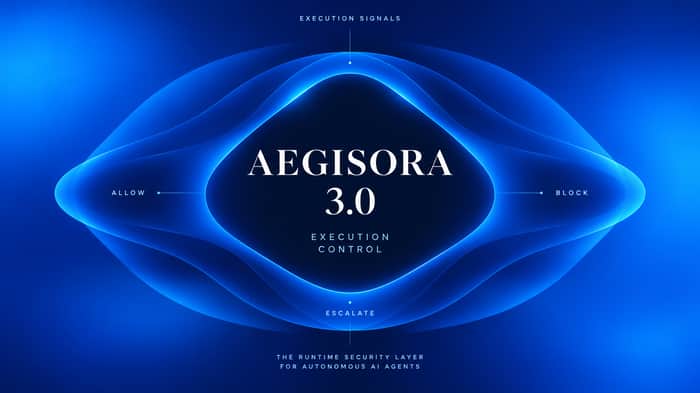
That's one reason we're pushing Aegisora toward runtime evidence in 3.0.
A decision should not disappear after execution.
There should be a relationship between the request, the decision, the execution and the resulting evidence.
Aegisora GitHub

Have early users identified incident investigation as an urgent recurring problem, or is demand for runtime evidence still primarily driven by teams designing agent infrastructure?
The execution boundary is the key insight. Prompt quality is hard to audit after the fact, but a durable trail lets you replay the request, decision, tool call, and result. That makes incident review useful instead of guesswork.
Nice work shipping it. What has been the biggest challenge since launch?
Nice work shipping it. What has been the biggest challenge since launch?
This is great work — what's the biggest thing you'd do differently if you started over?
I’d define the execution boundary earlier. We initially focused more on model behavior; the bigger challenge turned out to be controlling what happens after the model decides to act.
This is great work — reminds me of some of the calls I've had to make building Xstream4K. What would you do differently if you started over?
I’d design the evidence trail from day one. Retrofitting observability later is painful — keeping request → decision → execution connected from the start makes a huge difference.
This resonates a lot — how long did it take before you saw any real signal on it?