Building a SaaS for $500: What I Did Right and What I Regret
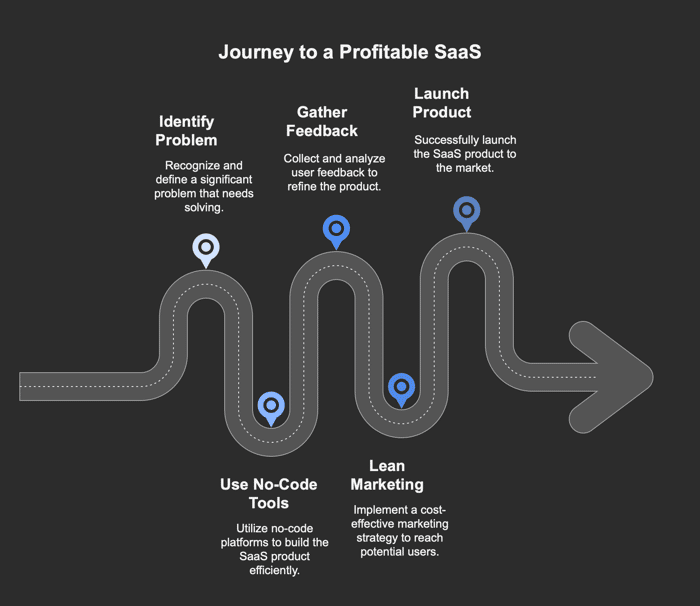
A few years ago, if someone told me I could build a SaaS for just $500, I would have laughed. SaaS products usually require a team, months of development, and thousands of dollars. But I managed to do it—building a functional, profitable SaaS product on a shoestring budget.
I did some things right, made some mistakes, and learned a lot along the way. If you're thinking about bootstrapping your own SaaS, here’s an honest breakdown of my journey.

What I Did Right
1. Started with a Painful Problem
Instead of chasing trends, I focused on a real problem I had experienced myself. Managing customer relationships was becoming a hassle for small teams like mine. Existing CRM solutions were too expensive or bloated with features we didn’t need.
I figured if I built something simple, cost-effective, and customizable, I could attract people like me—small businesses, freelancers, and startups that wanted an easy-to-use CRM without breaking the bank.
2. Leveraged No-Code Tools
I didn’t have the budget to hire developers, so I turned to no-code platforms. No-code tools have evolved massively over the last few years, making it easier than ever to build functional products without writing a single line of code.
I built my CRM using Fuzen.io . But you can use other platforms like Bubble, Glide, or Airtable, depending on your needs. The key was focusing on functionality rather than perfection.
3. MVP First, Features Later
I launched with only the core features—contact management, basic automation, and email tracking. No fancy dashboards, no AI-powered analytics, just the basics. This helped me:
- Get real users quickly
- Validate my idea
- Avoid wasting time on features nobody wanted
If I had waited until the product was “perfect,” I might still be working on it today.
4. Pre-Selling to Validate Demand
Instead of assuming people would pay for my product, I tested demand early. I created a simple landing page explaining the idea and offered lifetime access for a one-time payment of $50 to the first 10 users.
To my surprise, I got 10 signups within two weeks. That was enough validation to keep going.
5. Kept Costs Low
I only spent money on essentials:
- Domain & Hosting: $60/year
- No-Code Platform Subscription: $35/month
- Basic Marketing (Google Ads, Facebook Groups, etc.): $100
- Landing Page & Logo Design: $50
That’s it. No fancy offices, no paid developers, no unnecessary expenses.
What I Regret
1. Underestimating Marketing & Distribution
I thought “build it and they will come.” Big mistake. SaaS is insanely competitive, and without solid marketing, even a great product will go unnoticed.
I should have focused more on:
- Content marketing (blogging, SEO, case studies)
- Community engagement (Reddit, Indie Hackers, Twitter)
- Partnerships & collaborations
Instead, I wasted time tweaking features nobody asked for. Marketing should have been a priority from day one.
2. Not Charging Enough
I initially priced my SaaS too low—$5/month. I thought low pricing would attract more users, but instead, it undervalued my product.
After talking to users, I realized that businesses were willing to pay $20–$30/month if the product solved their pain point. When I increased the price, my revenue grew without a drop in sign-ups.
Lesson: Don’t be afraid to charge what your product is worth.
3. Ignoring Customer Support in the Beginning
At first, I saw support as a secondary task. But customers had questions, and slow responses led to cancellations.
Once I set up automated FAQs and a basic chatbot, my churn rate dropped by 30%. I also started personally responding to users, which built trust and led to word-of-mouth referrals.
4. Not Building an Email List from Day One
I missed out on a huge growth opportunity by not collecting emails early on. If I had set up an email list before launching, I could have built an audience and generated more traction at launch.
Now, I always advise new founders: Start collecting emails ASAP, even if you don’t have a product yet.
Final Thoughts: Would I Do It Again?
Absolutely. Despite the mistakes, building a SaaS for $500 was one of the most rewarding experiences of my life. The biggest takeaway? You don’t need a huge budget or a technical background to build something valuable.
Here’s my advice if you’re thinking of doing the same:
- Solve a real problem
- Use no-code tools to save money
- Start with an MVP and iterate
- Focus on marketing early
- Price your product fairly
- Take customer support seriously
If you’ve built a SaaS on a budget, I’d love to hear your story! What worked for you? What didn’t? Let’s chat in the comments. 🚀

Hey, I’m speaking with a few early-stage builders about how they go about validating their ideas.
I’d really like to hear about your experience, what you tried, and what was difficult. building something around this and think it might be useful for you. Open to a quick talk?
This is awesome! Really cool to see someone build a whole SaaS for so little.
Absolutely! It’s amazing how technology enables lean, high-impact SaaS development. Excited to see where this goes! 🚀