Commercial Pest Control Solutions for a Pest-Free Workplace
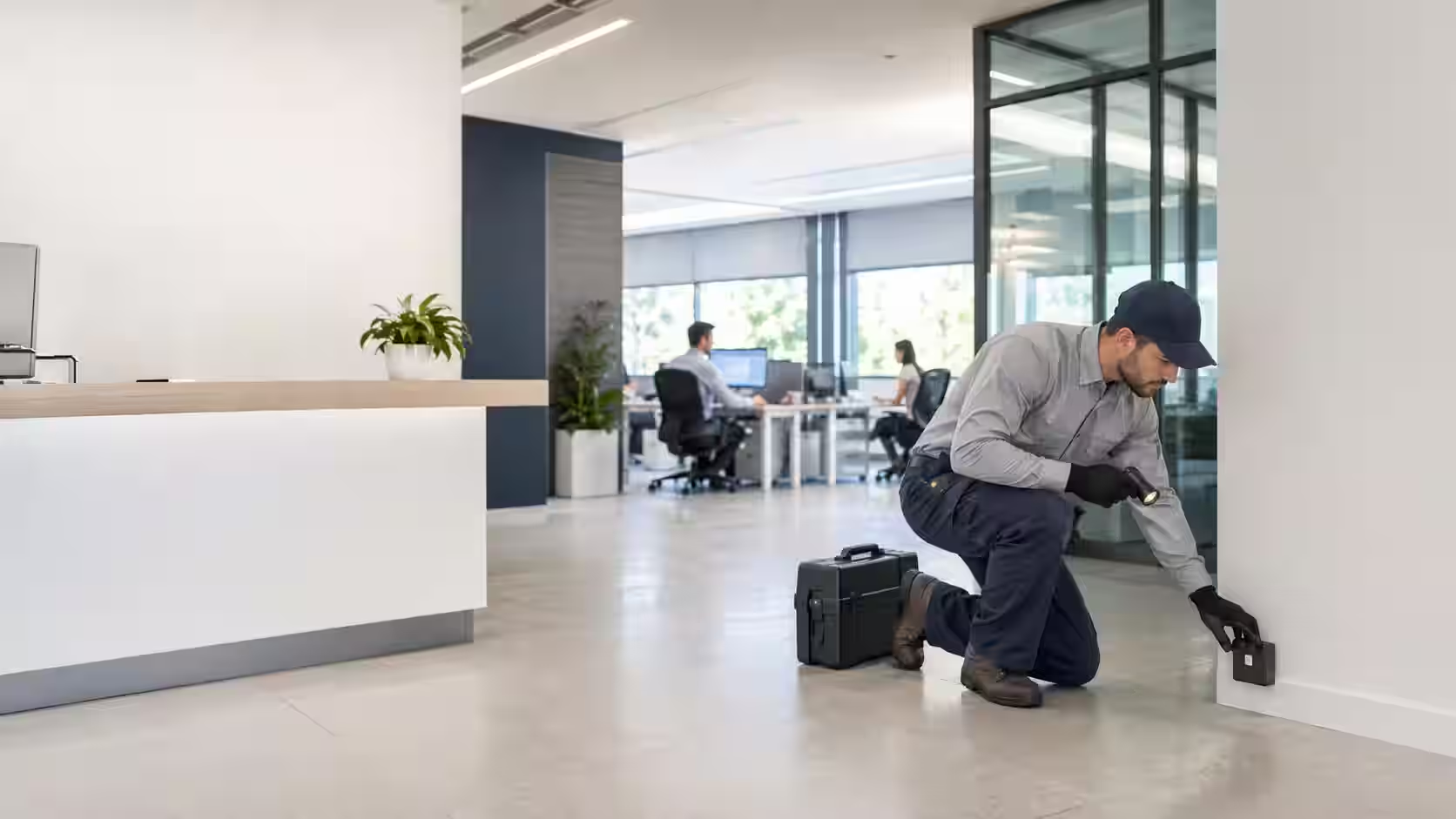
A clean workplace does more than create a positive first impression. It protects employees, reassures customers, supports regulatory compliance, and prevents expensive damage to property and stock. Unfortunately, commercial buildings offer pests many things they need, including warmth, water, food, and undisturbed hiding places. Even a carefully maintained office, shop, warehouse, restaurant, or medical facility can develop an infestation when insects or rodents enter through deliveries, drains, doors, or structural gaps.
Effective Pest Control therefore requires more than reacting when a problem becomes visible. Businesses need a planned solution that identifies risks, prevents entry, monitors activity, and addresses infestations before they spread. With the right procedures and professional support, managers can successfully maintain a safer, healthier, and more welcoming workplace throughout the year.
Why Commercial Properties Attract Pests
Commercial sites often have complex layouts, frequent deliveries, multiple entry points, and large numbers of people moving through them. These conditions create opportunities for pests to enter unnoticed. Break rooms, rubbish areas, storage spaces, loading docks, ceiling voids, and utility rooms can all provide shelter or food.
Different businesses face different threats. Restaurants may attract cockroaches, flies, and rodents because food is prepared and stored onsite. Offices can experience ants, mice, or pantry pests, while warehouses may receive insects inside packaging or imported goods. Moisture from leaking pipes, air-conditioning systems, or poorly drained outdoor areas can also encourage termites, mosquitoes, and other pests.
The Business Costs of an Infestation
A pest problem can affect nearly every part of an organisation. Rodents may chew wiring, insulation, packaging, and equipment. Termites can quietly weaken timber, while cockroaches and flies may contaminate surfaces and food. Repairs, discarded stock, emergency treatments, and temporary closures can quickly become expensive.
Early intervention is usually less disruptive and more affordable than managing a widespread infestation. Regular monitoring gives businesses the chance to act before pests affect customers, staff, products, or essential operations.
Start With a Detailed Site Inspection
Every reliable commercial pest control program begins with an inspection. A trained technician examines areas where pests may enter, feed, breed, or hide. This includes obvious spaces such as kitchens and storerooms, as well as less visible locations behind appliances, beneath shelving, inside roof voids, and around service penetrations.
The inspection should also review outdoor conditions. Overgrown vegetation, standing water, damaged bins, uncovered drains, and gaps around loading areas can increase risk.
Afterwards, the provider should explain what was found, identify likely causes, and recommend practical priorities. This creates a treatment plan based on evidence instead of guesswork.
Integrated Pest Management for Lasting Protection
Integrated pest management combines prevention, monitoring, sanitation, physical controls, and targeted treatments. Its purpose is to reduce the conditions that allow pests to survive, not simply remove those currently visible. This approach is particularly valuable in workplaces because it can limit unnecessary chemical use and reduce disruption.
A practical program may include:
- Sealing cracks, wall gaps, and openings around pipes or cables
- Installing door sweeps, fly screens, traps, or monitoring stations
- Improving waste storage and collection routines
- Fixing leaks and removing sources of standing water
- Rotating stock and keeping goods away from walls and floors
- Applying carefully selected treatments to identified activity zones
Monitoring results help the technician adjust the strategy over time. If activity appears near a loading dock, for example, the response may involve inspecting incoming goods, improving door controls, and repositioning monitoring devices. This focused process produces stronger results than repeatedly treating the entire property without addressing the cause.
Solutions for Common Workplace Pests
Rodents require fast attention because they reproduce quickly and can contaminate food or surfaces. Control may involve secured bait stations, traps, entry-point sealing, and changes to waste handling. Devices should be placed discreetly and checked regularly, especially in sites accessible to customers, children, or animals.
Cockroach management often combines gel baits, monitoring traps, dusts, and precise crack-and-crevice treatments. Cleaning is essential because grease, crumbs, and moisture can compete with bait and sustain the population. Fly control may include drain cleaning, waste management, exclusion screens, light traps, and treatment of breeding areas.
Ant treatment depends on correct species identification. Spraying visible ants may provide temporary relief but can fail to eliminate the colony. Suitable baits and targeted exterior work are often more effective. Termite protection may require inspections, monitoring systems, soil treatments, or building-specific barriers. Each pest demands a solution suited to its behaviour, biology, and location.
Choosing a Dependable Commercial Provider
The quality of the provider directly affects the safety and reliability of the program. Businesses should look for licensed, insured, and experienced technicians who understand commercial environments. A provider should be willing to explain treatment choices, safety requirements, preparation steps, and expected outcomes clearly.
When evaluating a service, ask whether it offers:
- A written inspection report and site-specific treatment plan
- Clear records of products, device locations, and service visits
- Scheduled monitoring based on the property's risk level
- Emergency support when urgent activity is discovered
- Practical recommendations for staff and facility managers
- Follow-up visits to confirm that treatments are working
A company such as Aussie Pest Strike can be considered when a business needs professional support tailored to its premises and operating requirements. The most suitable partner will communicate consistently, maintain accurate documentation, and treat prevention as an ongoing responsibility rather than a one-time appointment.
Employee Habits That Strengthen Prevention
Professional treatment works best when employees support everyday prevention. Staff do not need to become pest experts, but they should know how to recognise and report warning signs. A simple reporting process allows management to respond quickly to sightings, damaged packaging, droppings, unusual smells, or insect activity.
Food should be stored in sealed containers. Spills need prompt cleaning, while bins should have secure lids and be emptied regularly.
Cleaning contractors, maintenance personnel, and managers should also share information. A leaking pipe noticed by one team or a damaged door seal observed by another may explain recurring activity. Coordinated communication closes small gaps before they become larger problems.
Scheduling Service Without Disrupting Operations
Commercial treatment should fit around business activity whenever possible. Many inspections and applications can be scheduled before opening, after closing, or during quieter periods. The provider should explain whether areas need to be cleared, whether equipment must be covered, and when treated spaces can be used again.
Service frequency depends on risk. A busy restaurant or food warehouse may require frequent visits, while a low-risk office may need a different schedule. Pest history, nearby construction, climate, building age, waste volume, and regulatory obligations should all influence timing.
Detailed records are especially useful for audits and inspections. Reports should document observations, actions completed, products used, recommendations, and follow-up needs. Over time, these records reveal trends and help managers direct resources toward recurring weak points.
Building a Workplace That Stays Pest-Free
A pest-free workplace is created through consistent attention, not a single treatment. Regular inspections, good housekeeping, building maintenance, employee awareness, and targeted professional care all contribute to lasting protection. When these measures operate together, businesses can reduce health risks, protect assets, and avoid sudden disruptions.
Consistent action also makes budgeting and operational planning much easier.
It also gives decision-makers clearer information when reviewing performance, approving maintenance budgets, and planning improvements for the months and years ahead.
Managers should review their prevention plan whenever operations change. Renovations, new suppliers, expanded storage, altered waste routines, or increased staff numbers may create fresh vulnerabilities. Keeping the plan current ensures that it continues to reflect how the property is actually used.
The strongest commercial pest control strategy is proactive, documented, and adapted to the site. By addressing access points and attractants early, a business creates an environment where pests struggle to enter or survive. That protects the people who work there, the customers who visit, and the reputation the organisation has worked hard to build.

Commercial pest control is an important part of maintaining a clean, safe, and professional workplace. Regular inspections can help identify early signs of rodents, insects, and other pests before they become a larger problem. I also think businesses should focus on prevention rather than waiting until an infestation becomes severe. Working with experienced professionals can provide customized treatment plans based on the property and type of pest involved. For businesses looking for reliable guidance and effective solutions, professional pest control nv can be a useful option to consider for keeping commercial spaces protected.
Website: https://nevadapestpros.us/
A pest-free workplace is essential for maintaining a safe, clean, and productive environment. Commercial properties can face problems from rodents, cockroaches, ants, and other pests if preventive measures are ignored. Professional inspections and regular treatments can help identify potential issues before they become costly infestations. Businesses should choose reliable pest management services that understand the specific needs of commercial spaces and use effective, responsible methods. For companies looking for dependable pest control in new mexico, working with experienced professionals can provide better protection and long-term peace of mind. A proactive approach not only protects employees and customers but also helps maintain the reputation of the business.
Website: https://newmexicopestpros.us/