Comprehensive Custom Printing Solutions: Applying Exclusive Brand Designs to Candle Tins
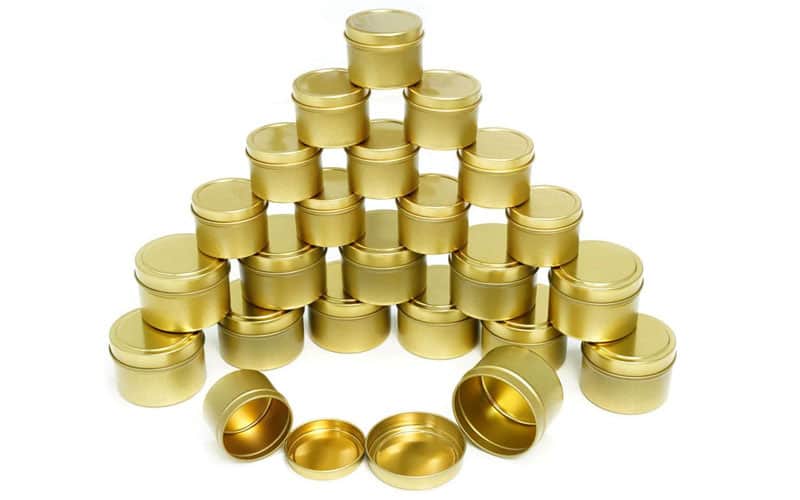
In candle packaging, the tin is more than just a container; it often serves as the customer’s first impression of your brand, product quality, and design aesthetic. Mediocre packaging can overshadow even the finest quality candles. Conversely, a beautifully printed tin can transform a simple product into an impressive symbol of your brand. That is why custom printing has become a vital component of packaging strategies for brands aiming to stand out across retail, wholesale, gifting, and e-commerce channels. At TSING, we understand that buyers ask more than, “Can you make candle tins?” They also ask, “Can you help me create a cohesive, premium, and memorable brand image?” Here, we explore how custom candle tins enhance brand presentation, which printing methods yield the best results, how to balance design with functionality, and the key factors clients should consider before placing an order.
The Brand Value of Candle Tins and Custom Printing
When comparing candle products, customers rarely focus solely on the scent; they also notice color, texture, finish, typography, and visual consistency. Consequently, the role of the candle tin extends far beyond what many buyers anticipate. A custom-printed tin can instantly convey messages of luxury, minimalism, warmth, eco-friendliness, or seasonality. It allows your brand identity to shine through clearly before the customer even lifts the lid.
For many candle brands, custom printing is the deciding factor between an ordinary product and a premium one. While a standard tin offers protection, a branded tin boosts recognition. This is particularly crucial in highly competitive categories such as home fragrance, gift sets, aromatherapy products, promotional candles, and private-label lines. Packaging is no longer merely a vessel for transport; it is an integral part of the product experience.
How to Choose the Right Printing Method?
Not all printing methods yield the same results. The ideal solution depends on your design artwork, order volume, surface finish requirements, budget, and brand objectives. When collaborating with a tin manufacturer, the first step is determining which printing method best suits the candle tins you wish to produce.
Offset printing is one of the most commonly used methods for high-quality candle tins. It delivers crisp details and vibrant color reproduction, maintaining excellent consistency even across large-volume orders. For brands requiring full-surface graphics, fine text, or complex color gradients, offset printing is often the ideal choice for its powerful visual impact. It is particularly well-suited for designs that cover a significant portion of the tin’s surface. Experienced tin box manufacturers can guide buyers in making the right choice, as they understand how each printing method performs on metal surfaces. At TSING, we help clients strike the right balance between aesthetics, cost, and production consistency.
Design Elements That Bring Custom Brand Identity to Life
A beautifully printed candle tin begins with an outstanding design concept. Visual elements must not only be aesthetically pleasing but also clearly convey the brand message and render well on both curved and flat metal surfaces. There are several key elements for clients to consider when designing their candle tins.
First, color plays a pivotal role. Some brands opt for soft, neutral tones to create a calm, natural atmosphere, while others choose rich, deep hues to evoke luxury or seasonal warmth. The color palette should align with the fragrance line, target audience, and retail positioning; a design style that clashes with the product identity can undermine the final brand impression. Second, typography is far more important than many buyers realize. The choice of font can make a candle tin look modern, classic, artisanal, or high-end. Text must also remain legible at the tin’s actual size; if the product name, scent label, or brand logo is too small to read, even the most exquisite design will fall short.
Customization Options to Meet Diverse Brand Needs
Custom printing is just one part of the candle tin customization process. Many buyers want their packaging to reflect their brand identity not only through graphics but also through size, structure, surface finishes, and functional details. Consequently, custom candle tins often require a more comprehensive solution.
Size is a primary consideration. Smaller tins are typically used for sample sets, travel-sized candles, promotional items, or gift sets. In contrast, larger tins may be better suited for standard retail candles or premium home fragrance collections. Each size conveys a different impression and caters to specific customer needs. An excellent supplier helps buyers select sizes that align with both the candle formula and the target market’s needs. Custom finish options include matte or glossy coatings, metallic finishes, embossing, debossing, and spot printing. Each effect alters how the candle tin feels in the customer’s hand and how it appears under retail lighting.
Why Quality Control and Manufacturing Precision Matter for Candle Tins
Even the most exquisite design falls short if the candle tin's production quality is subpar. Print quality depends on the stability of the production process, the precision of metal forming, and the consistency of the surface finish. While buyers often focus on graphic design, true quality stems from the perfect synergy between design and production control. Surface finishing is critical here; the metal surface must be clean before printing to ensure uniform absorption of ink or coating. An uneven or improperly treated surface can lead to inconsistent graphics. High-quality tin box manufacturers understand that surface finishing is just as important as the printing process itself.
Color consistency is another vital consideration. Brands often place orders across multiple production runs over time, and customers expect the tins to remain consistent from batch to batch. Even slight deviations in a printed red hue or discrepancies in logos between batches can damage a brand’s image. Reliable tin box manufacturers manage this by maintaining stable printing standards and rigorous sample approval processes.
Transforming Candle Tins into Powerful Brand Assets
Custom printing elevates candle tins from mere containers to brand ambassadors, marketing tools, and potent shelf-sales drivers. When a design is cris

