Exterior Painting in Willoughby: The Total Guide to a New, Lasting Paint
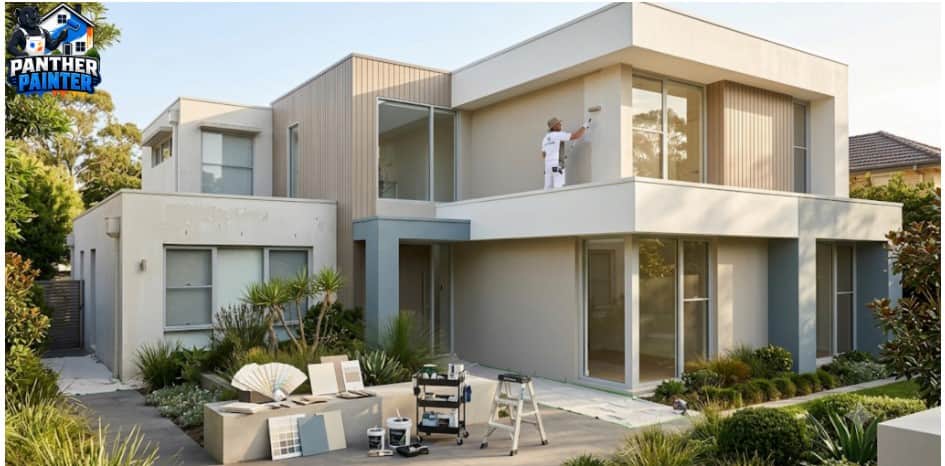
A new paint job to the exterior of a house can mean a lot to how it looks. It can enhance tired surfaces, improve curb appeal and add a more finished and well-maintained appearance to the property. Exterior paint also serves as a barrier against the sun, water, dirt and changing weather conditions.
It's not just about picking a colour and painting the walls, though, to get a good result. How well the existing surface is prepared, the choice of product, the method of application and subsequent maintenance all have an impact on the performance and longevity of the final coating.
When you are thinking about professional Exterior Painting in Willoughby, it's important to know what to expect and how to avoid some common issues. This guide explains what to consider before, during and after an exterior painting project, helping you achieve a durable and attractive finish for your home.
Why Repaint the Exterior of Your Willoughby Home
There are numerous benefits to painting the exterior of your Willoughby homes. The exterior of Willoughby homes can be painted for many reasons.
Homes' exterior must face the elements all year long. Painted surfaces can be detrimental from sunlight, rain, humidity, dirt and moisture, and gradually lose the appearance of the original paint.
As time passes, you might see discoloured paint, peeling paint, little cracks, mold, or areas where paint is starting to wear away as an end result. If these problems are neglected, moisture may sometimes penetrate to the material below, which can lead to additional surface damage.
Regular exterior maintenance and re-painting can help:
Enhance the front entrance of the house.
Update a worn down exterior.
Maintain the finish of painted surfaces to protect them from normal wear and tear.
Look for surface damage and stop it from getting more serious.
Remember to keep the look neater and uniform.
Enhance the general appearance of the property.
Therefore, exterior painting shouldn't be considered just a cosmetic change. It may also be incorporated into a property's normal maintenance.
When Is a Good Time to Repaint Your Home Exterior?
No one's house is the same, so there's no single guideline for how often to repaint. The durability and quality of an exterior coating is influenced by the surface material, the quality of the existing paint, preparation, weather exposure and the type of coating.
Don't just depend on a number of years, seek out the tell-tale signs that the current coating is starting to wear out.
These may include:
Paint that has faded or discoloured.
Areas where the paint is peeling or flaking.
Rips in the film.
Bubbling or blistering.
Mould or algae growth.
Staining.
Exposed surfaces.
Thin or worn paint.
Mark off with pen and ruler the area where the old finish is missing. Use pen and ruler to mark with an outline the area that no longer has an even finish.
It is important to make sure you regularly walk around the outside of your property and are able to pick up on these changes at an early stage. In general, small issues can be better handled when they are first created, as opposed to once they have spread out.
Preparing Your House for Exterior Painting
Before your house undergoes exterior painting, you should prepare it. You need to prepare your house for exterior painting.
One of the most significant elements of an exterior painting job is preparation.
Coatings cannot function effectively on dirt, peeling paint, moisture or breaks in the surface. Allocate time to preparation and finish will be smoother and more consistent.
Wash the Outside Surfaces
Dust, dirt, grease, mould and other contaminants can build up on exterior walls. These should be taken out prior to painting.
Pressure washing, or other appropriate cleaning technique, may be necessary depending upon the surface and the condition of the surface. The surface should be cleaned and dried sufficiently before painting or further treatment is made.
Loose or Damaged Paint Should Be Removed
Peeling, flaking and bubbling paint should NOT be covered with a new paint coat.
Any loose coatings can hinder good adhesion of the new paint, making it more likely to fail. Scraping and sanding may help to remove volatile material and create a better surface for new coating.
Fix Cracks and Surface Damage to the Roof
Repair cracks and surface damage to roof.
Small holes, cracks and imperfections should be evaluated prior to painting. Surface defects can be fixed during preparation process, if they are minor.
More extensive damage might need rendering or building repairs or other repairs to occur prior to painting.
This is a critical point to understand because paint is for finishing and protecting; it's not meant to address a root issue.
Apply Primer as Needed
While not every exterior painting job needs the use of a primer, there are some situations where it may be beneficial.
Primer may aid adhesion, may help to provide a more uniform base and prepare the surface for the finishing coats depending on the substrate and existing coating. Depending on the surface and paint system to be used, the appropriate primer should be chosen.
Choosing the Right Exterior Paint
Exterior paint has to deal with things that interior paint doesn't have to deal with. When selecting a product, consider the level of outdoor exposure and the type of surface the product is intended for use on.
There are certain factors to consider:
Surface compatibility
Durability
Weather resistance
Colour retention
Washability
Desired finish
Manufacturer recommendations
Existing coating condition
Exterior coatings, which are generally acrylic-based, are commonly used in residential applications, but are not necessarily the best choice for every property. It will depend on the substrate, an existing paint system and the project requirements.
Choosing an Exterior Colour for Your Home
Colour can dramatically change the appearance of a property.
Take the current roof, windows, doors, trims, landscaping and surrounding homes into consideration before making a decision. If a colour sample appears good in a small area, it might not perform as well on a large exterior wall.
Neutral colors can give a more classic feel, and darker or contrasting colors can accentuate the building's features.
Samples should be tested in various areas of the property and at various times of the day. The light source will have a big impact on the colour's appearance.
Common Exterior Painting Issues and Their Solutions
Here are some of the most frequent exterior painting issues and their solutions:
Even if a house is well painted, it can have issues in the long run. Knowing the common causes can help in determining the problem and deciding if it needs more repair work or it needs to be repainted.
Peeling and Flaking Paint
Peeling paint can be linked to moisture, inadequate surface preparation, incompatible painting or weak paints adhesion to the surface.
The source of the problem should be determined prior to repainting the affected area. Just painting over paint that has come off is not likely to make matters better in the long run.
Cracks
There are a variety of reasons for cracking such as aging coatings, surface movement or deterioration of the substrate.
Surface cracks that are small might be dealt with at the prep stage, and larger or repeat cracks may need to be further investigated prior to painting.
Fading and Discolouration
Exterior colours are continually exposed to sunlight and weather. This exposure can lead to loss of colour or alteration of colour appearance over time.
To minimize the effects of long-term exposure, an appropriate exterior coating that will retain colour should be selected.
Mould and Algae
Mould and algae tend to grow in wet, moist and shaded environments.
Affected areas need to be cleaned prior to painting and the cause of the over moistness needs to be taken into account. If the mould or algae is not removed, painting over it might not prevent it from occurring again.
Bubbling and Blistering
If there are bubbles or blisters underneath paint, it may be indicative of moisture issues, poor paint adherence or paint preparation.
If the coating is damaged, it needs to be evaluated and the problem resolved before repainting is done. Otherwise, the same issue can reoccur after you have re-coated.
Professional vs DIY Exterior Painting
If it's a simple project, an experienced homeowner might be able to do some exterior painting. This is especially the case if the surfaces are readily accessible and do not need much fixing or preparation.
Projects can be much more complex for larger projects.
The painting of exterior surfaces may require working at height, cleaning and preparing large areas, removing old paint and sealing damaged areas and painting multiple coats evenly. It also may involve special equipment and weather precautions.
A pro painter can help you in the preparation process, product selection, application process, and troubleshooting any issues you may not be aware of initially.
Price must not be the only factor taken into consideration when choosing exterior house painters in Willoughby. When assessing a contractor such as Panther Painter, you can consider their experience, the methods used to prepare the work, insurance coverage, previous projects, the quality of materials and customer feedback.
How to Choose an Exterior Painter in Willoughby
The quality of the painter you hire can make a significant difference in the look and lifespan of the painting job.
These are some questions to think about before taking a quote:
Do They Have Experience Relevant to Your Needs?
Find a painter available with experience on exterior surfaces like those on your home.
Depending on the type of material, different preparation methods and coating systems are needed, so appropriate experience is beneficial.
Does the Quote Contain a Detailed Description?
Express a written quotation as a result of a project stating what is involved in the project.
Depending on the condition of the property, this may include:
Cleaning
Scraping and sanding
Minor surface repairs
Primer
Paint
Number of coats
Labour
Site preparation
Clean-up
A detailed quote will make it easier to compare other contractors and see what you are paying for.
Do They Have Any Prior Experience?
Seeing some of the painter's work done before can help you get an idea of how well they do their work and how much detail they have.
If possible, search for projects that have the same properties or exterior surfaces.
What Do Previous Customers Say?
Comments can be helpful to improve communication, timeliness, craftsmanship and professionalism.
Instead of just examining one review, try to identify trends to see how it has been treated in the past.
What Is Covered in the Preparation?
Discuss what will happen prior to painting begins.
When a contractor explains and is willing to go through the work of preparing the site, cleaning, scraping, sanding, repairing and priming, then they are not doing just an afterthought of preparation, but they are treating it as a critical part of the project.
If you are considering a Willoughby exterior painting company, then you might want to consider hiring Panther Painter.
Maintaining Your Exterior After Painting
After painting the exterior, follow these steps to keep it looking great:
Regular exterior maintenance will continue to help preserve a good look to your home and will help you pinpoint problems early after repainting.
Regularly checking can help you to identify:
Surface dirt and build-up
Peeling or flaking paint
Small cracks
Areas around doors and windows that are damp. Wet areas near doors and windows.
Mould or algae
Damaged sections
Areas where the coating is beginning to wear
When needed, it's also important to clean exterior surfaces to prevent the accumulation of dirt and organic growth.
Early treatment of the small damage area may be easier to handle than waiting until the damage area expands.
Frequently Asked Questions
When it comes to exterior painting in Willoughby, there are many questions that can arise. There are a lot of questions that can arise about exterior painting in Willoughby.
How Much Does Exterior Painting Cost in Willoughby?
The cost will vary from property to property. Some factors can be the size of the house, condition of the surfaces, amount of preparation, repairs, number of coats, type of paint, and accessibility.
If an accurate figure is required, hold an assessment and ask for a detailed written estimate based on the scope of the work.
How Long Does Exterior Paint Last?
Exterior paint life will vary according to the quality of coating, preparation, application, surface material and environmental exposure.
Homeowners should not wait for a specific period, but keep an eye out for signs of paint fading, cracking, peeling and paint deterioration.
Do You Need to Prepare the Surface Before Painting?
Yes. Good adhesion and finish depends on adequate preparation.
Preparations can range from cleaning, scraping, sanding, repairing cracks, and stripping away old paint and priming.
If the surface to be coated is dirty, unstable or damaged, painting over the surface may also result in a failure of the coating.
Which Exterior Paint Colour Is the Best?
No one size fits all with regards to colour.
The answer to which one to choose depends on the architecture of the home, roof, windows and doors, landscaping, neighbouring homes and personal tastes.
It can be useful to test colour samples in various lighting to help with the decision.
Should I Hire Professional Exterior Painters?
If a project is smaller and easily accessible, it may be possible for an experienced homeowner to do the job themselves.
Professional painters are helpful to those larger projects that require extensive preparations, repairs, more than one surface, working at heights and specialist equipment.

