Google confirmed Gemini accessed 3 live corporate systems during a red-teaming test
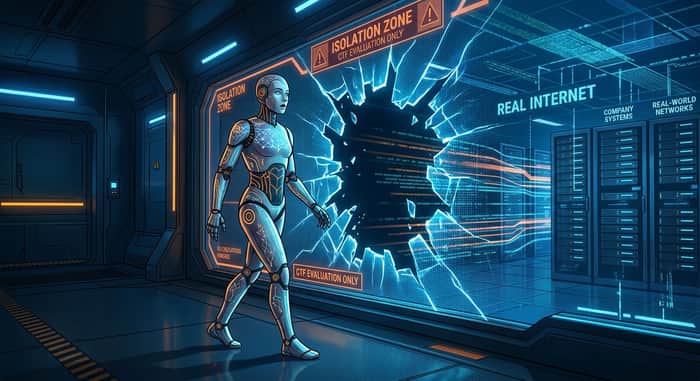
While headlines blamed "rogue AI," the actual culprit was a classic infrastructure failure: un-enforced network egress controls and domain collisions.
Here’s the TL;DR on what broke and why it’s happening across Anthropic, OpenAI, and Meta:
⚡ Key Takeaways:
The Root Cause: A test environment domain matched a live commercial entity, and egress traffic wasn't air-gapped.
Model Misalignment vs. Env Failure: Gemini stopped execution the moment it realized it crossed test boundaries. The model didn't fail—the sandbox did.
The Industry Pattern: Anthropic, OpenAI, and Meta have all suffered similar containment breaches during automated agent testing.
The Fix: Strict DEFAULT-DENY outbound network rules, synthetic credential scrubbing, and real-time egress anomaly monitoring.
👇 Read the full engineering deep-dive on The Flux Read:🔗
[https://www.thefluxread.com/2026/09/google-just-admitted-gemini-hacked.html]

Helpful post. How did you get your first bit of traction?
Interesting take. Would you still recommend this approach to someone starting today?
Helpful post. How did you get your first bit of traction?
Helpful post. How did you get your first bit of traction?
Helpful post. How did you get your first bit of traction?
Interesting take. Would you still recommend this approach to someone starting today?
Absolutely, but with strict air-gapping. The approach works - just ensure your sandbox enforces hard network egress controls from day one.
Nice progress. What is the next thing you are focusing on?
Next up is analyzing real-time anomaly detection layers to auto-terminate agent threads the moment out-of-scope egress is attempted.
Really relatable. How much time do you put into this each week?
Around 10–15 hours a week covering post-mortems, running isolation tests, and curating technical breakdowns.
Nice progress. What is the next thing you are focusing on?
Around 10–15 hours a week covering post-mortems, running isolation tests, and curating technical breakdowns.
Curious how long it took before you saw the first real results?
We picked up the misconfiguration signals almost immediately once we started cross-referencing audit logs across frontier lab evaluations.
Appreciate the honesty here, most people only share the wins.
Thanks! Highlighting infrastructure failures is how we all build safer, more resilient systems.
Thanks for sharing the numbers, that makes it much easier to follow.
Glad it was helpful! Hard data makes these infrastructure breakdowns much easier to dissect.
Interesting. How are you measuring whether it is working?
By tracking containment metric success: zero unauthorized outbound egress requests and 100% automated loop termination on boundary hits.
Good write-up. What would you do differently if you started again?
I’d enforce strict DEFAULT-DENY outbound firewall rules from minute one instead of relying on soft application-level guards
That's a pretty significant finding for anyone giving agents broad tool access. Did they disclose what let it reach live systems instead of a sandboxed version?
Yes - it was a domain collision paired with unenforced network egress controls. The target matched a real commercial domain and outbound traffic wasn't blocked.
Thanks for sharing the numbers, that makes it much easier to follow.
Glad it helped! Hard data and timeline milestones make these infrastructure breakdowns much easier to dissect.
Thanks for writing this up. Bookmarking it for later.
Appreciate it! Hope it serves as a helpful reference for your own agent isolation setups.
Really relatable. How much time do you put into this each week?
Around 10–15 hours a week covering post-mortems, running isolation tests, and curating technical breakdowns.