How Engineers Are Solving Manufacturing Challenges with Modern Production Technologies
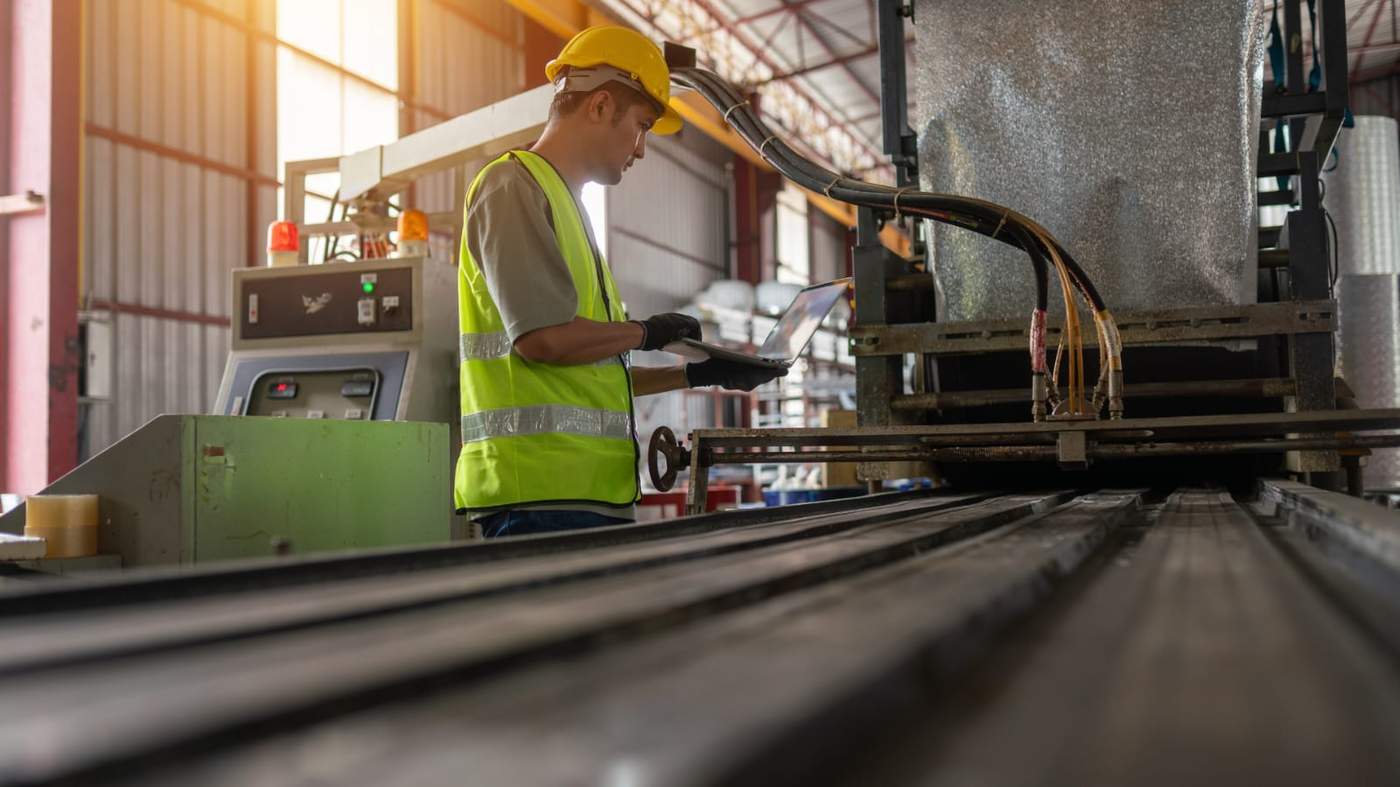
Factory floors have always been busy places, but lately the pressure feels different. You have fewer experienced workers available, delivery dates that keep shrinking, material prices that refuse to sit still, and customers who want custom work without custom-level delays. That combination can chew through margins fast. It can also wear people down.
The good news? Engineers are not just taping together old systems and hoping for the best. They’re rethinking how production works with better data, automation, simulation, flexible tooling, and smarter workflows. When those choices are made carefully, manufacturers can cut waste, improve uptime, and turn daily headaches into real business gains. And yes, they can do it without making every operator feel like they suddenly need a computer science degree.
Manufacturing Challenges in the Modern Era
Manufacturing pressure is no longer a “bad quarter” problem. Tight labor markets, unstable supply chains, higher operating costs, and faster customer expectations have become part of the everyday landscape. A Manufacturing Dive survey found that “94% of respondents plan to increase their investments in technology and automation to improve operations.”
That number says a lot. Leaders know the old playbook is not enough anymore.
Persistent Issues Faced by Manufacturing Sectors
Most manufacturing challenges begin with a familiar list: people, parts, and price. Plants need skilled workers. They need suppliers who can deliver on time. They need materials that don’t blow up the budget. And they still have to meet stricter safety, sustainability, and ESG expectations.
That is a lot to juggle before the first shift even starts.
For engineers working on prototypes, tooling, or bridge production, RapidMade 3d printing solutions can fit naturally into early design iterations, tooling experiments, and low-volume production needs where fast turnaround and part validation really matter.
The Impact of Globalization and Market Volatility
Global sourcing can still reduce costs, no question. But it can also create weak points. One delayed shipment, one quality issue, or one supplier capacity problem can ripple across an entire production schedule.
Workforce shortages, ESG requirements, and market volatility all point to the same reality: manufacturers need to make better decisions faster, with less room for mistakes. That is exactly where modern engineering tools start to earn their keep.
Emerging Engineering Solutions in Manufacturing
Once you know where the pain is, the next step is choosing fixes that actually work on the floor. Not shiny technology for its own sake. Not dashboards nobody opens. The best engineering solutions in manufacturing connect data, machines, and people in a way that helps teams move faster and make better calls.
AI-Driven Quality Control and Predictive Maintenance
AI-based inspection can catch surface flaws, dimensional shifts, and process changes earlier than manual review alone. That does not mean people disappear from the process. It means they get better information before defects pile up.
Predictive maintenance works the same way. Instead of waiting for a machine to fail at the worst possible time, teams can use condition data to schedule repairs before a breakdown ruins a delivery date. Anyone who has watched a critical machine go down on a Friday afternoon knows how valuable that is.
Robotics and Collaborative Automation
Cobots are gaining ground because they do not always require a full plant redesign. They can help with loading, packing, inspection, material handling, and repetitive assembly. Meanwhile, human workers stay focused on tasks that require judgment, problem-solving, and experience.
That balance matters. Automation works best when it removes strain and repetition, not when it creates fear.
Digital Twins and Virtual Commissioning
Digital twins let engineers test changes before touching the real production line. Layouts, equipment settings, material flow, and line adjustments can all be modeled first.
That saves time. It reduces downtime. It also helps teams catch awkward design choices early, before someone is standing on the floor saying, “Well, that looked better in the meeting.”
From predictive tools to flexible automation, manufacturers are moving away from constant firefighting. The next step is improving how products, parts, and workflows are made in the first place.
Harnessing Advanced Manufacturing Techniques for Improved Efficiency
Some of the biggest gains come from changing the way parts and tools are produced. In many plants, advanced manufacturing techniques can turn a weeks-long wait into a few days of testing and refinement.
That speed is not just convenient. It changes how teams think.
Additive Manufacturing and Rapid Prototyping
Additive manufacturing gives engineers a practical way to test shapes, fixtures, jigs, production aids, and prototype components without committing to expensive hard tooling too early. When a design is still changing, that flexibility can save a small fortune.
It also makes experimentation feel less risky. You can try an idea, learn from it, and adjust without turning every design change into a budget debate.
Deloitte reported “survey respondents reporting up to 20% improvement in production output, 20% in employee productivity and 15% in unlocked capacity.”
Smart Factories and IIoT Integration
Connected sensors can monitor vibration, heat, energy use, cycle time, and other machine conditions in real time. That information gives teams a clearer picture of what is happening before problems become expensive.
Think of it like a check-engine light for the factory floor, except much more useful and hopefully less annoying.
Sustainable Manufacturing and Eco-Efficiency
Sustainability is no longer just a reporting exercise. It is a production issue. Closed-loop material systems, lighter parts, biomaterials, smarter scrap tracking, and better energy management can all reduce waste and lower costs.
That is the sweet spot: doing the responsible thing while also improving the business case.
These tools are helpful on their own, but their real value shows up when they are tied directly to daily production bottlenecks.
Solving Production Problems with Modern Production Technologies
As 3D printing, IIoT, automation, and sustainable processes become more practical, the question gets simple: where do these tools remove friction? Engineers are using modern production technologies to improve changeovers, quality, throughput, and sourcing resilience.
Customization at Scale
Customers want more choices. Factories, however, cannot afford chaos every time an order changes.
Flexible tooling, modular workcells, and digital work instructions help plants manage smaller batches without losing control. That makes customization more realistic, especially for teams that need to respond quickly without disrupting the whole line.
Reducing Downtime and Increasing Throughput
Maintenance data, remote diagnostics, and machine alerts help teams act before a problem spreads. This is one of the clearest examples of solving production problems with less guesswork.
Instead of asking, “What broke?” teams can start asking, “What is starting to drift, and how do we fix it before it becomes a mess?”
That shift can make a huge difference in uptime, morale, and customer confidence.
Ensuring Supply Chain Resilience
Digital supply networks give procurement and engineering teams better visibility into risk. Traceable records, alternate sourcing options, and qualified local suppliers can make production plans less fragile.
No system can remove every supply chain surprise. But better visibility gives teams more time to react, and in manufacturing, time is often the difference between a minor adjustment and a major delay.
The benefits are clear: faster changeovers, less downtime, stronger continuity, and better planning. Still, technology only works when teams are ready to use it well.
Key Strategies for Integrating Advanced Solutions
Technology adoption goes better when people, processes, and budgets are aligned early. A plant does not need to change everything at once. In fact, it usually should not.
A focused pilot can teach more than a massive rollout. Start where the pain is obvious. Prove value. Then expand.
Building Cross-Functional Engineering Teams
Design, engineering, IT, operations, and quality teams need shared goals from the beginning. If one group owns the software and another owns the floor, problems fall into the gap between them.
The best projects bring everyone in early. Operators know where work gets stuck. Engineers know where systems can improve. IT knows what can scale safely. Quality knows what cannot be compromised. You need all of that in the room.
Upskilling the Workforce for Digital Change
Operators and technicians do not need to become software developers. They do need to feel comfortable with dashboards, alerts, digital work instructions, and basic data review.
Training should feel practical, not abstract. Show people how the tool makes their shift easier. Show them how it prevents rework, confusion, or last-minute scrambling. That is when adoption starts to feel natural.
Comparing Practical Technology Choices
Production Need
Best-Fit Tool
Why Engineers Use It
Fast design trials
3D printing
Cuts waiting time before testing
Fewer breakdowns
Predictive maintenance
Flags machine issues earlier
Better line planning
Digital twins
Tests changes before downtime
A strong rollout depends on trust. When workers see that technology reduces frustration instead of replacing their judgment, adoption becomes much easier.
Future Trends and Innovative Solutions Shaping Manufacturing
Once teams have the right skills and systems in place, newer tools become less intimidating. The next wave is not about one magical machine. It is about connected, flexible production that can adapt faster.
Industrial Metaverse and Augmented Reality
Augmented reality can guide workers through repairs, inspections, and training right on the floor. That is especially useful as experienced technicians retire and companies race to preserve hard-earned knowledge.
Instead of digging through a manual or waiting for a specialist, a worker can get step-by-step guidance in context. That is a big deal.
Decentralized Manufacturing with Microfactories
Microfactories bring production closer to demand. Smaller, flexible production units can reduce shipping delays, support local markets, and help companies test new products faster.
They are not the answer for every product. But for the right use case, they can make manufacturing more responsive and less dependent on long, brittle supply chains.
Circular Economy and Zero-Waste Initiatives
Circular economy models push teams to design products for repair, reuse, recovery, and recycling from the start. That affects material choices, product design, packaging, supplier selection, and end-of-life planning.
It is a different mindset. Instead of asking only, “How do we make this?” teams also ask, “What happens after the customer is done with it?”
Future-focused ideas are exciting, but proof still wins budget approval. That is where real-world examples help.
Case Studies: Real-World Success Stories
Successful projects usually follow a simple pattern: match the right tool to the right constraint. Engineers do not need every technology available. They need the one that removes the biggest blocker.
Automotive: Faster Product Launches
Automotive teams use printed fixtures, prototype parts, and rapid tooling to test fit and function earlier. That can shorten launch cycles and reduce expensive late-stage changes.
When every delay affects suppliers, assembly, testing, and delivery, getting answers sooner is a serious advantage.
Aerospace: Predictive Analytics for Supply Chain Planning
Aerospace production depends on reliability, documentation, and tight control. Predictive analytics helps planners identify supplier delays, quality risks, and capacity gaps earlier in high-stakes programs.
In that environment, surprises are costly. Better forecasting gives teams room to adjust before issues become critical.
Consumer Electronics: IIoT-Driven Customization
Consumer electronics plants deal with fast model changes and short product cycles. IIoT data helps teams manage variation while keeping quality checks consistent.
That consistency matters when production is moving quickly and customers expect every unit to perform the same way.
These examples show that engineering solutions in manufacturing work best when they are tied to a clear business goal. Technology is not the strategy. It supports the strategy.
Final Thoughts on Engineering Innovation
The path forward is not about buying every new tool with a flashy demo. It is about choosing focused projects, measuring results, and scaling what works.
Engineers are turning manufacturing challenges into design prompts instead of roadblocks. At the same time, advanced manufacturing techniques are helping teams shorten trials, reduce waste, improve uptime, and respond faster when conditions change.
Start with one painful bottleneck. Build a small pilot. Measure the gains. Listen to the people on the floor. Bring in trusted partners when needed. The manufacturers that learn fastest will be the ones that stay ready, even when the next surprise shows up.
Common Questions About Modern Manufacturing Innovation
How are engineering challenges solved?
Solutions for complex engineering challenges involve designing and integrating systems that can manage unexpected problems, using creativity, scientific principles, and sometimes nature-inspired methods to turn obstacles into advantages.
What are the 4 C's of engineering?
The 4 C’s are creativity, critical thinking, communication, and collaboration. Together, they help engineers define problems clearly, test ideas, explain trade-offs, and work across teams to build solutions that last.
What are the common obstacles to adopting advanced manufacturing technologies?
Common barriers include high upfront cost, unclear ROI, limited internal skills, older equipment, cybersecurity concerns, and resistance from teams who’ve seen past technology projects fail or create extra work.
Can small and mid-sized manufacturers afford industrial IoT or 3D printing?
Yes, if they start small. A focused pilot on one machine, one fixture, or one recurring quality issue can prove value before a wider investment is made.
How do digital twins reduce manufacturing risk?
Digital twins let engineers test layouts, process changes, and machine settings in a virtual model first. That helps catch errors, reduce downtime, and support better decisions before production is interrupted.

