How High Density Racking Maximizes Vertical Warehouse Space
Introduction
Modern warehouses need to store more goods without always increasing their floor area. As land, rent, and operating costs rise, businesses are looking for smarter ways to use every part of their buildings. One of the best methods is to use vertical space through a well-planned storage system. High density pallet racking helps warehouses store more products by using both floor space and the height of the building. Instead of spreading pallets across a large area, these systems make use of the space above them. A properly designed high density racking system can improve storage capacity while keeping products organized and easier to manage. This approach is useful for distribution centers, manufacturing facilities, retail warehouses, and many other storage operations. By using vertical space wisely, businesses can reduce wasted areas, improve storage efficiency, and make better use of their existing warehouse.
Using Vertical Space More Efficiently
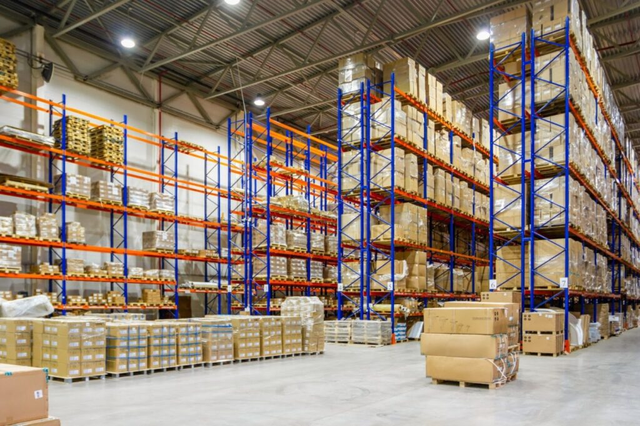
Many warehouses have large areas of unused space above the normal storage level. Traditional storage methods may leave this vertical area empty because pallets are stored only on a few low levels. High density racking changes this approach by creating multiple storage levels from the floor toward the ceiling. This allows businesses to store more pallets in the same building footprint. The rack height can be planned according to the warehouse ceiling, product size, forklift reach, and safety requirements. When the available height is used correctly, companies may increase storage capacity without moving to a larger facility. Vertical storage also creates clearer floor areas because more products can be placed upward rather than outward. This makes the warehouse more organized and can provide additional room for receiving, packing, picking, and shipping activities. Careful planning is important to make sure every level is safe and practical to access.
Balancing Storage Density and Product Access
Maximum storage density is not always the best choice for every warehouse. Some products need to be accessed frequently, while others may remain in storage for longer periods. A good high density racking system balances the amount of inventory stored with how easily workers can reach it. Businesses should consider product turnover, pallet weight, product dimensions, and order frequency before choosing a rack design. Fast-moving goods may need locations that are easy to reach, while slower-moving products can be placed in areas where access is less frequent. This approach prevents the warehouse from becoming difficult to operate simply because more pallets have been added. Rack height and aisle design should also match the equipment used in the facility. Forklifts must have enough space to operate safely at each level. By planning storage around real business needs, companies can achieve high capacity without sacrificing productivity or safety.
Choosing the Right Warehouse Pallet Rack System
Every warehouse has different storage requirements, so there is no single rack design that works for every business. A suitable warehouse pallet rack system should be selected after studying the building, inventory, equipment, and workflow. Important factors include ceiling height, floor condition, pallet dimensions, load weight, aisle requirements, forklift type, and future growth. Businesses should also think about fire protection and local safety requirements before installation. Modular rack systems can provide flexibility when inventory needs change. In some facilities, combining different rack styles may provide better results than using one system throughout the building. For example, frequently accessed products may need a more accessible rack arrangement, while bulk inventory may benefit from a denser solution. Professional planning can help ensure that the rack structure uses available vertical space without creating unnecessary operating problems. The right system should improve capacity, organization, accessibility, and long-term warehouse performance.
Conclusion
Using vertical space is one of the most effective ways for warehouses to increase storage capacity without constantly expanding their floor area. High density pallet racking allows businesses to use the height of their buildings and create additional storage levels. At the same time, carefully planned high density racking can improve organization and make better use of valuable warehouse space. The best high density racking solutions balance storage capacity with product access, equipment movement, safety, and workflow. A properly designed warehouse pallet rack system can help businesses store more inventory while keeping important working areas available for other operations. However, successful vertical storage requires careful planning. Businesses should consider their products, building dimensions, equipment, safety needs, and future growth before selecting a system. When these factors are considered together, vertical racking can become a powerful tool for creating a more organized, efficient, and space-saving warehouse.
