How One Great Shirt Changed My Everyday Style
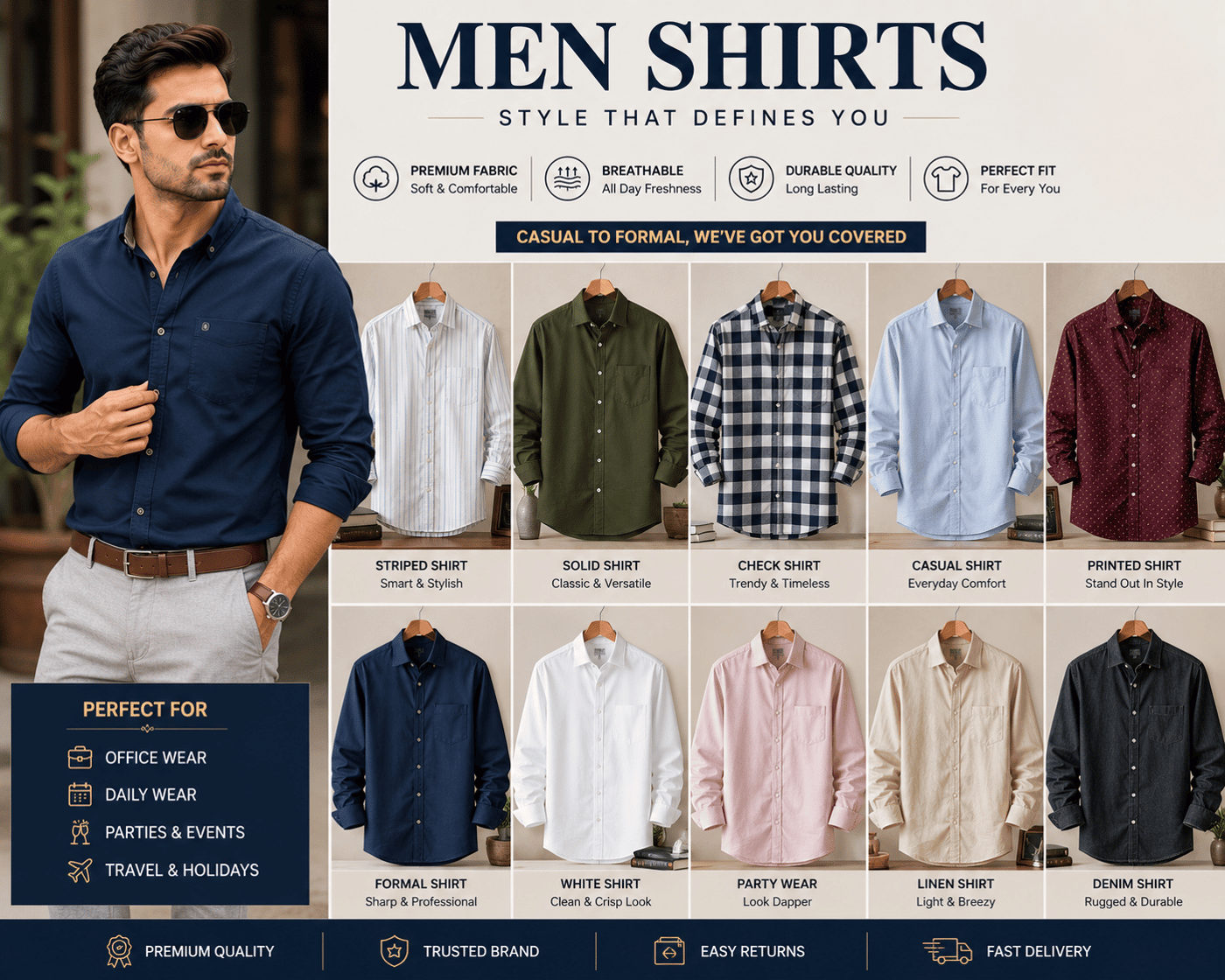
Switching up my style lately and realizing how much a good shirt can elevate your whole look without being flashy. I used to just grab whatever was on top, but paying attention to fit changed everything—shoulder seams aligning properly and sleeves that aren't too baggy make a huge difference. Also started experimenting with different collar styles; button-downs for a more structured vibe, and spread collars for a modern twist. Fabric is another thing I overlooked—Oxford cloth is great for durability, but a soft twill or chambray feels way better against the skin and drapes nicely. The trick is finding shirts that don't require ironing every time you wear them. I've been checking out Frishay's men's shirts collection lately, and they've got some solid options that balance style with everyday practicality. https://frishay.com/collections/men-shirts


Totally agree about fit being the game changer. I spent years in oversized shirts thinking that was the look, until I tried one that actually hit the shoulder seams right and had a tapered body. It’s wild how much more put-together you feel without trying to be flashy.
One thing I’d add is paying attention to the fabric weight. A lighter chambray is perfect for layering under a jacket, while a heavier Oxford can stand alone. Have you found any specific collar styles that work better for your face shape or neck size? I’ve been leaning toward spread collars lately because they give a cleaner line under a blazer, but button-downs still feel more casual and approachable for daily wear.
Also, that Frishay collection you mentioned caught my eye—I’ve been looking for shirts that don’t wrinkle after one wear. What’s your take on their fit compared to other brands? Always curious about real-world experience before ordering.
Totally agree on the fit point—shoulder seams are a game changer. I used to think a looser shirt was more comfortable, but once I dialed in the right shoulder width and sleeve taper, everything clicked. Have you tried any non-iron fabrics? I’ve been testing a few oxfords that claim to be wrinkle-resistant, but they still need a quick steam after washing. What’s your go-to for low-maintenance fabrics that still look sharp?
Totally agree on the collar point. I used to think all collars were basically the same until I tried a spread collar for the first time—it completely changed how my face shape looked in photos and made even a simple shirt feel more intentional. The shoulder seam thing took me way too long to learn too. I was wearing shirts two sizes too big for years thinking “relaxed fit” was the way to go, but once I got that seam right on the edge of my shoulder, I felt like I actually looked put together without trying.
One thing I’d add: pay attention to the armhole height. A lot of cheaper shirts have low armholes that bunch up when you move, and it kills the whole clean look. If you’re lifting your arms and the shirt comes untucked or pulls weirdly, that’s usually the culprit.
What’s your go-to fabric for shirts you can wear from work to dinner without looking overdone? I’ve been leaning toward chambray lately because it’s casual enough for weekends but still sharp enough for a coffee meeting.
Shoulder seam alignment is everything—it's the difference between looking sharp and sloppy. I've been sticking with chambray shirts for their softness and no-iron convenience. Have you tried any wrinkle-resistant fabrics that hold up well after multiple washes?
I love how you're breaking down the details—shoulder seam alignment is honestly the unsung hero of a good fit. Have you found any specific collar styles that work better for your face shape or daily routine? I've been leaning toward spread collars myself for that clean, modern look without trying too hard.
Appreciate you reading! Feel free to ask if you want any tips on finding shirts that balance style and low-maintenance care.