Office Workstation Priorities for New Singapore Businesses: What to Buy First
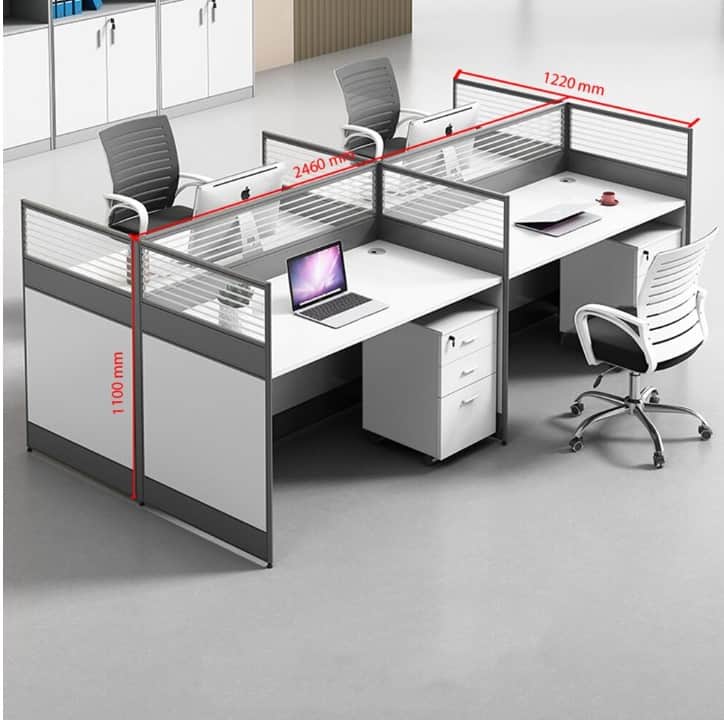
A new office in Singapore usually starts the same way: bare walls, a freshly signed lease, and a budget that already feels tighter than expected. The workstation furniture list can look overwhelming at first, but the buying order matters more than most new business owners expect.
For a business setting up its first office, the furniture to buy first is seating, followed by desks and tables, then storage, with partitions and finishing touches last. Chairs affect a team's comfort and health every single working day, which makes them the hardest cost to cut corners on. Desks come next, since the right size and type depends on the actual work happening at them, not the other way around. Storage can usually wait a few weeks, since paperwork and equipment tend to build up gradually rather than arrive all at once. A quality office workstation furniture generally costs more upfront, but pieces that hold up for years tend to work out cheaper than replacing worn-out furniture every year or two.
Getting this order backwards is one of the most common furniture mistakes new businesses make, and one of the easiest to avoid.
Why Chairs Go First
Singapore's Workplace Safety and Health Council has long flagged poor seating and workstation design as a leading cause of musculoskeletal strain in office workers. Back in 2011, it estimated the economic cost of these conditions at $3.5 billion, roughly 1% of the country's entire GDP that year. That figure covers established companies with years of bad habits already built in. A new business has the rare chance to avoid that cost entirely, simply by getting seating right from day one.
This does not mean buying the most expensive chair available. It means checking for basic adjustability, such as seat height, lumbar support, and a stable base, regardless of price point. U Office, a Singapore-based office workstation furniture retailer, stocks chairs built around exactly these adjustable features. Readers can browse office chairs to see examples of what to check for, even when shopping elsewhere.
Choosing Desks Based on the Work, Not the Room
It is tempting to buy desks based on how many will fit in the space. A better approach starts with the work itself. Solo, focused tasks suit a single fixed desk. Roles that involve dual monitors or paperwork usually need more surface area, such as an L-shaped desk. Teams that shift between sitting and standing through the day may get more long-term value from an electric adjustable desk, even though it costs more upfront.
That upfront cost is worth weighing carefully. A cheaper desk that needs replacing within two years often ends up costing more than a sturdier one bought once, simply spread out over a longer timeline.
Storage Can Wait, But Not Forever
Filing cabinets, mobile pedestals, and shelving rarely feel urgent in the first week of a new office, and that instinct is usually right. Paperwork, stock, and equipment build up slowly, so storage needs become clearer once the business is actually running rather than guessed at in advance. The mistake is waiting too long once the signs appear, since a cluttered desk affects focus just as much as an uncomfortable chair does.
The Real Cost of Buying on Price Alone
The most common mistake among new businesses is choosing office furniture purely on sticker price, then replacing it within a year or two once it wears out. A chair or desk that lasts five years at a slightly higher price is almost always cheaper, per year of use, than one that needs replacing twice in that time. Budgeting for office workstation in Singapore as a multi-year cost, rather than a one-off expense, tends to produce better decisions than chasing the lowest number on a quote.
Setting up an office is rarely about getting everything perfect on day one. It is about buying the right things in the right order, so the space works for the people using it before it needs to look impressive to anyone else.

