Roof Replacement Services for Long-Lasting Protection
Introduction
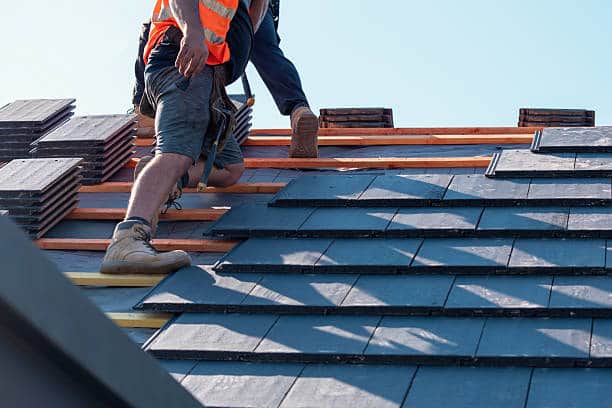
A roof is one of the most important protective systems in any property. It shields the building from rain, wind, sunlight, temperature changes, and severe weather. However, every roofing system eventually experiences wear and may reach a point where repairs are no longer the most practical option. When that happens, professional roof replacement services can provide a long-term solution.
Replacing a roof is a significant investment, so homeowners should understand the process, material options, expected costs, and importance of professional installation before beginning the project. A well-planned replacement can improve the property's protection while providing an opportunity to address underlying roofing issues.
A Fort Worth roof replacement can improve your home's protection, appearance, and long-term value. When a roof becomes severely damaged, develops recurring leaks, or reaches the end of its useful life, replacement may be more practical than repeated repairs. Professional roofing contractors can inspect the existing roof, identify underlying issues, recommend suitable materials, and complete the installation efficiently. From storm-damaged roofs to aging shingles, choosing experienced professionals helps ensure proper preparation, installation, ventilation, and cleanup. A quality roof replacement provides dependable protection against Fort Worth weather while giving homeowners greater confidence in their property's safety and durability for years to come.
When Should a Roof Be Replaced?
Roof replacement is not always necessary when damage first appears. Minor or localized problems can often be repaired. However, replacement may become appropriate when deterioration is widespread or the roof is nearing the end of its expected service life.
Common reasons to consider replacement include:
Extensive storm damage
Repeated leaks
Widespread material deterioration
Sagging areas
Multiple damaged sections
Aging roofing materials
Frequent repair requirements
Significant underlying damage
A professional inspection can help determine whether replacement is appropriate.
Benefits of Roof Replacement
A new roof can provide several long-term benefits.
Improved Protection
A properly installed roof can help protect the property's interior from weather exposure and water intrusion.
Reduced Repair Requirements
An aging roof may require increasingly frequent repairs. Replacement can eliminate many existing material problems and provide a fresh roofing system.
Improved Appearance
New roofing materials can significantly improve the exterior appearance of a home.
Increased Property Appeal
A well-maintained roof can contribute to the overall condition and appeal of a property, which can be useful for homeowners considering a future sale.
Opportunity to Upgrade
Replacement provides an opportunity to consider modern roofing materials, improved ventilation, flashing, insulation, and drainage solutions.
Professional Roof Inspection
Before replacement begins, a professional inspection can help determine the project's actual requirements.
A roofing contractor may evaluate the existing roofing materials, roof deck, flashing, ventilation, drainage, valleys, edges, and other components.
The inspection can also identify issues that may need to be addressed before new materials are installed.
Choosing the Right Roofing Material
One of the most important decisions is selecting a suitable roofing material.
Asphalt Shingles
Asphalt shingles are commonly used for residential roofing. They are available in various colors, profiles, and quality levels.
Metal Roofing
Metal roofing can provide a durable option with a variety of styles and finishes. It can complement both modern and traditional properties.
Tile Roofing
Tile can provide a distinctive appearance and long-term performance when properly installed and maintained.
Specialized Roofing Systems
Low-slope and flat roof sections may require specialized roofing products and installation methods.
The appropriate choice depends on the property's design, local weather conditions, budget, appearance, and applicable requirements.
Inspecting the Roof Deck
The roof deck provides a foundation for many roofing systems.
During replacement, existing roofing materials may be removed so the underlying deck can be inspected.
If sections of the deck have been damaged by moisture or deterioration, they may need to be repaired or replaced before the new roof is installed.
Addressing underlying issues can help create a stronger foundation for the replacement system.
Underlayment and Water Protection
Underlayment is installed beneath many roofing materials to provide an additional layer of protection.
The appropriate underlayment depends on the selected roofing system and project requirements.
A professional contractor should use materials and installation methods appropriate for the roof and follow applicable manufacturer specifications.
Flashing Around Vulnerable Areas
Flashing helps protect transition points where water could otherwise enter the structure.
Important areas can include:
Chimneys
Skylights
Roof vents
Valleys
Walls
Plumbing penetrations
Roof edges
During replacement, existing flashing should be carefully evaluated. Damaged or deteriorated flashing may need to be replaced.
Roof Ventilation
Ventilation can play an important role in managing heat and moisture within the roof assembly.
A roof replacement provides an opportunity to evaluate whether the existing ventilation arrangement is appropriate.
The correct solution depends on the building design, roof structure, climate, and roofing system.
Improving Drainage
Effective drainage helps direct water away from the roof and building.
Gutters, downspouts, valleys, and roof slopes all contribute to water management.
During replacement, homeowners should ask whether existing drainage components are functioning correctly.
If gutters or downspouts are damaged or poorly configured, addressing those issues may complement the new roof.
Preparing for Roof Replacement
A roof replacement can temporarily affect normal household routines.
Before work begins, homeowners should discuss:
Project start date
Expected duration
Working hours
Material delivery
Access requirements
Noise
Debris removal
Landscaping protection
Cleanup
Move vehicles and fragile outdoor belongings away from the work area where appropriate.
Children and pets should remain away from active construction zones.
Getting a Detailed Estimate
A written estimate is essential for a major roofing project.
The proposal should clearly explain what is included.
Possible components include:
Removal of existing roofing
Disposal
Deck repairs
Underlayment
Roofing materials
Flashing
Ventilation
Labor
Cleanup
Ask whether permits and other required services are included.
A detailed estimate makes it easier to compare different contractors and understand the total project scope.
Choosing a Roofing Contractor
The quality of installation is just as important as the roofing material.
When comparing contractors, consider:
Experience
Applicable licensing
Insurance
Customer reviews
References
Written contracts
Material knowledge
Warranty information
Communication
Avoid choosing solely on the lowest price. An unusually low estimate may not include necessary preparation, quality materials, or important components.
Understanding Roofing Warranties
Roof replacement may involve multiple warranties.
The roofing manufacturer may offer a product warranty, while the contractor may provide a separate workmanship warranty.
Homeowners should understand what each warranty covers, how long coverage lasts, and whether specific installation or maintenance conditions apply.
Keep all warranty and project documentation for future reference.
Maintaining a New Roof
A new roof still requires maintenance.
Homeowners should keep gutters and downspouts clear, remove excessive debris when safe, monitor for visible damage, and arrange professional inspections when appropriate.
Tree branches should be managed when they present a potential risk to the roofing system.
After severe weather, consider arranging a professional inspection if damage is suspected.
Planning for Long-Term Protection
Roof replacement should be viewed as a long-term property investment.
Choosing appropriate materials and quality installation can help support the roof's intended performance.
Homeowners should also consider the property's future needs. For example, if solar panels, attic improvements, or other projects are planned, discussing them with the appropriate professionals before or during replacement may help avoid unnecessary complications later.
Conclusion
Professional roof replacement services can provide homeowners with a fresh roofing system designed to offer long-lasting protection. Replacement can address widespread deterioration, recurring leaks, storm damage, and aging materials while providing an opportunity to improve ventilation, flashing, drainage, and other components.
The process begins with a professional assessment of the existing roof. From there, homeowners can compare suitable materials, request detailed estimates, understand warranties, and select an experienced contractor.
Quality installation and ongoing maintenance are essential to getting the most from a new roof. By planning carefully and choosing reliable professionals, homeowners can protect their property, improve its appearance, and establish a stronger roofing system for the years ahead.

