Starting Air Compressor Reliability: Why It Matters for Vessel Uptime
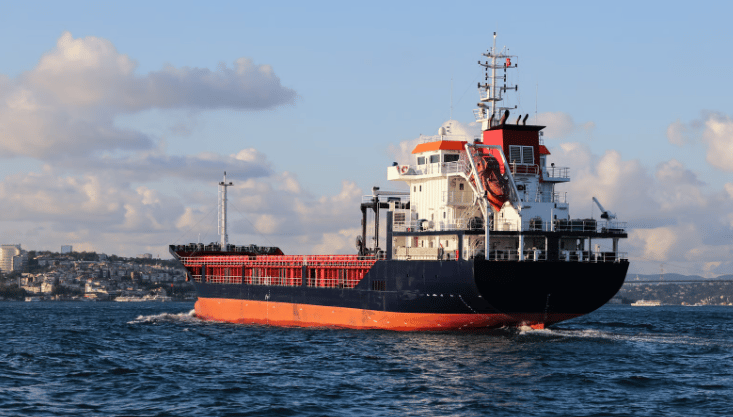
A faulty starting air compressor can take a vessel out of service for hours or days, not minutes, because most main engines cannot start at all without enough compressed air on hand. Classification society rules under IACS Unified Requirement M61 require starting air receivers to hold enough capacity for at least twelve consecutive starts on a reversible engine, or six on a non-reversible one, without recharging. At least two compressors must also be able to refill those receivers from empty to full working pressure within one hour. When a compressor underperforms or fails outright, that safety margin disappears fast, and a vessel can end up unable to start its main engine at the exact moment it needs to leave port.
That is the practical reason starting air compressor reliability gets more attention from engineers than its size on the machinery layout might suggest.
Why a Small Compressor Causes a Big Problem
Starting air compressors are not large machines relative to a ship's main engine, but they sit at a single point of failure in the whole propulsion chain. Without sufficient air pressure in the receivers, the main engine simply cannot turn over, regardless of how well everything else on board is maintained.
This is different from most other machinery failures on a vessel, where a fault in one system can often be worked around temporarily. A depleted or malfunctioning starting air system has no real workaround at sea. The engine either has enough air pressure to start, or it does not.
What Typically Causes These Compressors to Underperform?
Wear on piston rings and valves is the most common issue, since starting air compressors are multi-stage reciprocating units that run intermittently rather than continuously, which makes it easy to overlook gradual performance loss until a start actually fails. Moisture and oil carryover into the air receivers is another frequent culprit, since classification rules specifically require air intakes and discharge lines to be arranged to minimise oil and water contamination reaching the system.
In short, most starting air compressor problems build up slowly through wear or contamination rather than appearing suddenly, which means routine pressure checks and receiver inspections during port calls can usually catch a developing issue before it becomes a missed departure.
How Much Does This Actually Affect a Ship's Schedule?
The direct cost is downtime. If a vessel cannot demonstrate it can meet the required number of consecutive starts, and cannot recharge its receivers within the one-hour class requirement, that is a compliance gap as well as an operational one. Depending on the port and the availability of a technician or replacement unit, resolving it can mean anything from a short delay to missing a scheduled departure window entirely.
This is one reason vessels calling at high-traffic ports increasingly value suppliers who hold physical compressor stock locally rather than sourcing on request. An air compressor supplier in Singapore with units already on hand can turn around a replacement or repair within a port call, where waiting on freight from an overseas manufacturer often cannot. K-Marine Engineering, for example, maintains our compressor inventory specifically to cover this kind of short-notice requirement, alongside other marine machinery categories.
For fleet operators, the practical takeaway is straightforward. Starting air compressors deserve the same routine attention as larger, more visible machinery, precisely because their failure mode offers so little room to improvise once a ship is due to sail.

