The New Era of Everyday IT: How Connected Support Is Making Technology Easier to Manage
Technology support is changing. A computer problem no longer exists in isolation from Wi-Fi, cloud applications, backups, cybersecurity, printers, phones, and the other systems people use every day. That shift is pushing IT service beyond the old break-fix model and toward a more connected approach built around prevention, flexibility, and practical troubleshooting.
Layer 2 Computers serves business and residential customers in the Dayton, Ohio, and Warren County area with managed IT, cybersecurity, data backup, networking, cloud services, VoIP, computer repair, Wi-Fi support, and remote or onsite assistance. The company’s service mix reflects a larger technology trend: the most useful support increasingly looks at the whole environment rather than only the device showing the symptom.
Remote Support Makes Many Fixes Faster and More Convenient
Remote support has changed how everyday technology problems can be handled. When an issue involves software, settings, an application, an error message, or another problem that can be viewed on screen, a technician may be able to investigate without requiring the customer to transport the computer or wait for an onsite visit.
Layer 2 Computers lists screen-share support as one of the ways it helps residential customers, alongside onsite appointments and drop-off or pickup service. This gives users different paths depending on whether the problem is digital, physical, or tied to the surrounding environment.
Layer 2 Computers provides both home and business IT support, including computer repair, networking, security, backup, and managed services.
Remote assistance can also be useful for “how-to” questions. Sometimes the problem is not a broken machine at all. A customer may need help configuring software, understanding a setting, or learning how to use a feature. Being able to see the same screen can make those conversations easier to follow.
The bigger innovation is flexibility. Modern support can meet the problem where it actually exists rather than forcing every issue into a repair-shop workflow.
Managed IT Shifts the Focus From Repair to Prevention
Traditional IT service often begins after something has already failed. Managed IT changes that relationship by making technology maintenance an ongoing responsibility. For a small business, that can mean support for networks, security, backups, users, cloud services, and day-to-day technical questions within one broader plan.
Layer 2 Computers currently describes managed IT as an option for businesses that need stronger technology support without building a complete internal IT department. Its business services also include cybersecurity, data backup, help desk support, networking, cloud services, and VoIP phones.
That kind of structure can help businesses pay attention to recurring issues before they become larger interruptions. A slow workstation may need maintenance. A growing team may need a more capable network. A backup system may need verification. New employees may need access configured correctly.
No service can predict every failure, but ongoing support creates more opportunities to spot weaknesses early. It also gives businesses a way to plan technology changes instead of making one emergency purchase after another.
Cybersecurity and Backup Are Becoming Everyday IT Basics
Cybersecurity used to feel like a specialty reserved for large organizations. Today, small businesses and home users depend on online accounts, email, cloud storage, shared files, and internet-connected devices, so security has become part of normal technology maintenance.
Layer 2 Computers describes business cybersecurity as requiring multiple layers of defense rather than a single protective tool. Its service lineup also includes automated, monitored, and tested data backup, reflecting the fact that prevention and recovery solve different problems.
Security measures try to reduce the chance of malware, account compromise, phishing, or other incidents. Backup provides another option when files are deleted, damaged, encrypted, or lost because of hardware failure.
That combination matters because no security tool can eliminate every possibility. Keeping systems updated, using sensible account protections, maintaining reliable backups, and responding to suspicious behavior all contribute to a stronger technology environment.
For home users, the same principle applies to personal documents, photos, schoolwork, and other information that may be difficult or impossible to replace.
Better Networking Helps Every Connected Device Work Better
A fast laptop can still feel slow when the network is unreliable. Modern homes and businesses depend on Wi-Fi and wired connections for computers, printers, phones, cloud applications, streaming devices, cameras, and other equipment. When connectivity becomes unstable, the problem can look like several separate device failures even when the real cause is shared.
Layer 2 Computers offers business networking services and home Wi-Fi support. Its residential service information specifically addresses slow wireless performance and poor signal, while its business networking services focus on reliable, secure, connected systems.
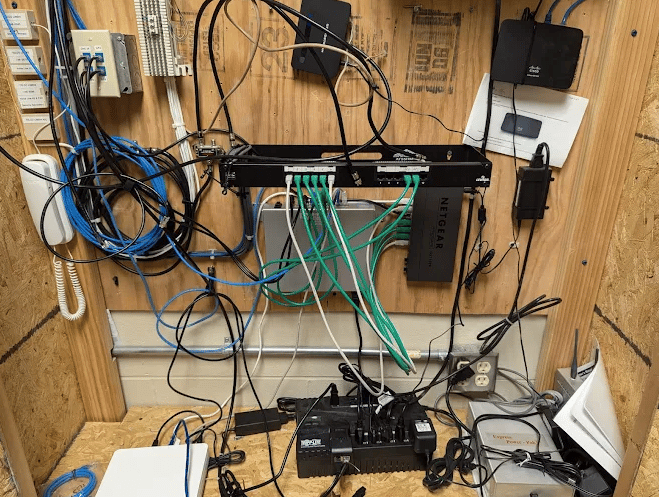
Network troubleshooting can involve more than replacing a router. Coverage, interference, cabling, hardware placement, configuration, security, and the number of connected devices can all influence performance.
This is one reason modern IT support increasingly treats the network as infrastructure. The computer is important, but it is only one part of the path between the user and the service being accessed.
Hands-On Computer Repair Still Has an Important Role
Remote tools and cloud services have made IT support more flexible, but physical computers still fail. Hardware can wear out, drives can develop problems, operating systems can become unstable, malware can interfere with performance, and older devices may need upgrades or replacement.
Layer 2 Computers lists computer repair, virus removal, tune-ups, new computer setup, Windows error troubleshooting, printer assistance, hardware support, wireless networking, and internet troubleshooting among its residential services.
Customers looking for PC Repair can also review the company’s remote, onsite, and drop-off or pickup support options.
Good repair is not only about making a device turn on again. Diagnosis matters because similar symptoms can have very different causes. A slow computer might be dealing with malware, limited storage, aging hardware, background software, or network trouble.
Professional support can also help answer a practical question: is the machine worth repairing? Sometimes replacing one component is sensible. In other situations, putting substantial money into an aging device may not be the best choice. Clear troubleshooting gives customers information they can use to decide.
Connected IT Support Creates a More Reliable Technology Experience
The most important innovation in everyday IT may not be a single new device or software platform. It is the ability to connect remote assistance, managed services, cybersecurity, backup, networking, and hands-on repair into one complete support model.
For businesses, that can mean fewer disconnected technology decisions and a clearer plan for keeping employees productive. For households, it can mean getting help with computers, Wi-Fi, security, backups, and setup without having to treat each issue as unrelated.
Modern technology is interconnected, so modern support needs to be interconnected too. A computer problem may begin with hardware, but it may also involve the network, software, security, or cloud service surrounding it. Looking at the complete environment makes it easier to identify the real cause and choose an appropriate solution.
The best IT support still depends on something technology cannot automate completely: clear communication. People need to understand what went wrong, what can be done, and whether a repair, upgrade, or replacement makes sense.
When technical expertise is combined with flexible support methods and practical explanations, technology becomes easier to manage. That is where the industry is heading—not simply toward more advanced tools, but toward service that helps those tools work together with less friction.

