Top IPTV Services 2026 – Best IPTV Services Guide
Discover the top IPTV services in 2026. Compare features, streaming quality, device support, pricing factors, and tips for choosing reliable IPTV.
👉 Get Started Now
The demand for flexible television streaming continues to grow, and top IPTV services are becoming an increasingly popular alternative to traditional cable and satellite TV. IPTV, or Internet Protocol Television, delivers television programming through an internet connection rather than conventional broadcast, cable, or satellite infrastructure.
For viewers, IPTV can provide a convenient way to access live television, on-demand entertainment, sports, news, movies, and other programming from compatible devices. However, choosing an IPTV service can be challenging because providers differ significantly in channel availability, streaming quality, device compatibility, customer support, pricing, and reliability.
A good IPTV service should offer a stable viewing experience, clear information about its content rights, broad device compatibility, useful features, and transparent subscription terms. It should also provide appropriate support and explain how customers can use the service legally in their region.
This comprehensive guide explains how top IPTV services work, what features matter most, how to compare providers, and what you should consider before choosing an IPTV subscription.
What Is IPTV?
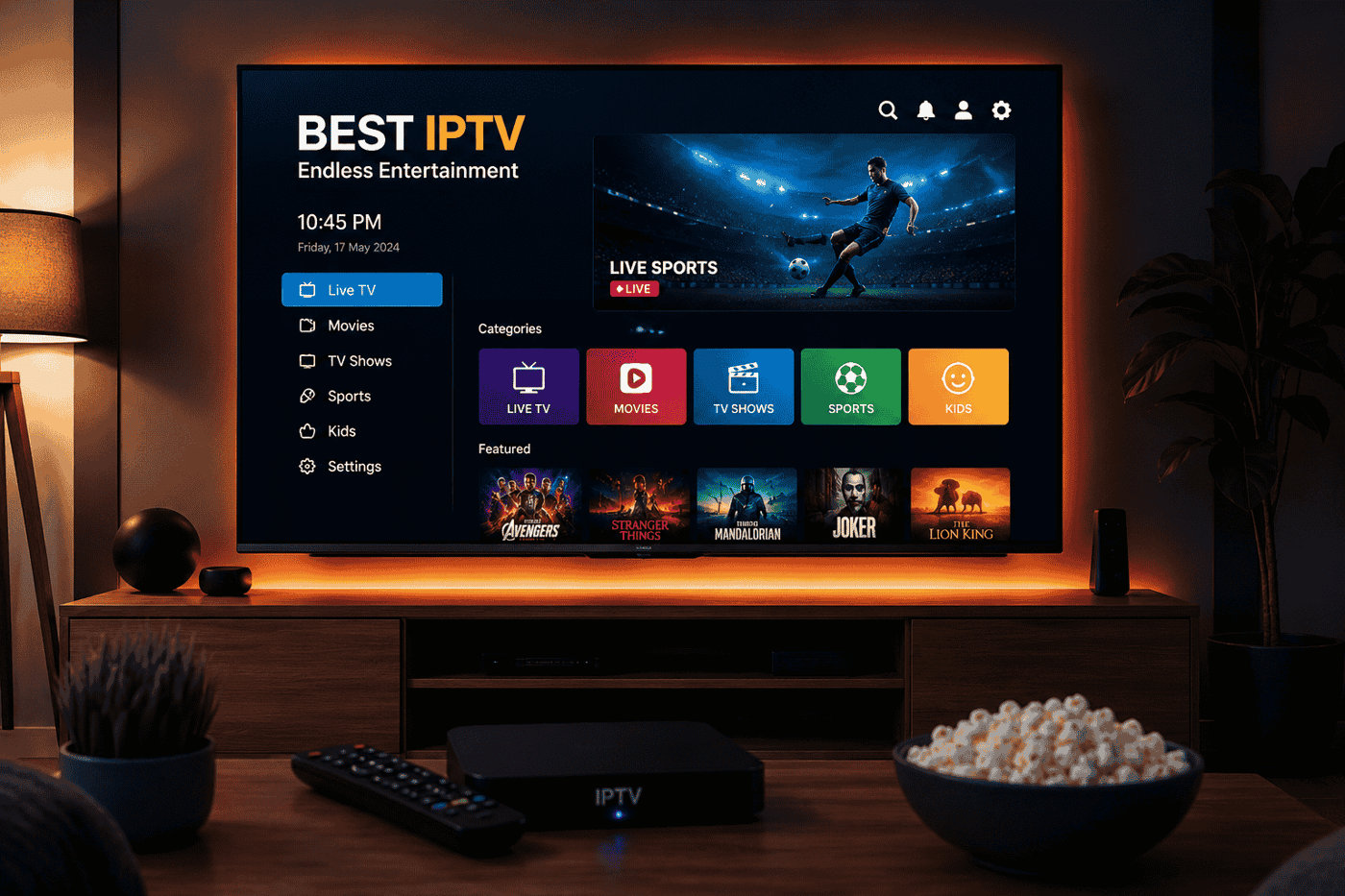
IPTV stands for Internet Protocol Television. Unlike traditional television systems that rely primarily on cable networks, terrestrial broadcasts, or satellite signals, IPTV uses internet-based networks to deliver television content.
When you watch IPTV, content is transmitted as digital data over an internet connection. Depending on the service, you may be able to watch live television, access video-on-demand content, use electronic program guides, or continue watching previously available programming.
IPTV can be used on many modern devices, including:
Smart TVs
Android TV devices
Amazon Fire TV devices
Smartphones
Tablets
Computers
Streaming boxes
Some gaming and media devices
The exact features depend on the IPTV provider and the application used to access the service.
👉 Start Your Free Triaz
Why Are Top IPTV Services Becoming Popular?
Several factors are contributing to the growing popularity of IPTV.
1. Flexible Viewing
IPTV allows viewers to watch content on compatible internet-connected devices rather than being limited to a traditional television connection.
2. Multi-Device Support
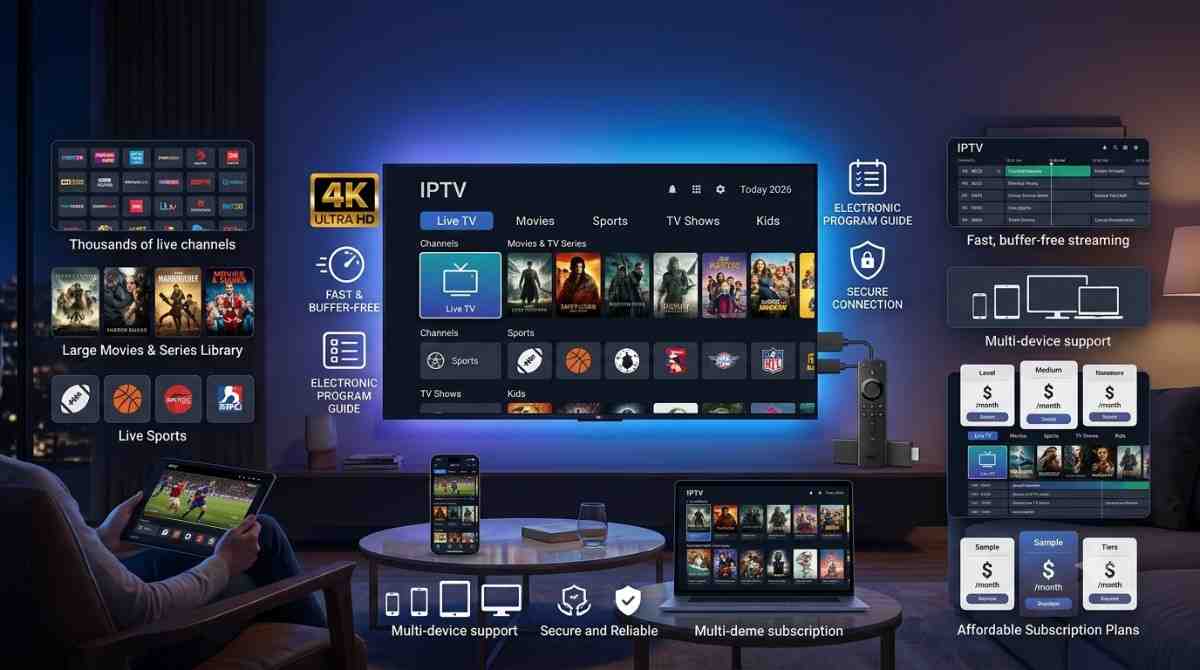
Many services support multiple platforms. Depending on the provider, subscribers may be able to use the same service on a television, phone, tablet, or computer.
3. On-Demand Entertainment
Some IPTV platforms combine live television with movies, shows, documentaries, and other on-demand programming.
4. Modern Streaming Features
Features such as electronic program guides, catch-up television, favorites, search, subtitles, and parental controls may make IPTV easier to use.
5. Internet-Based Delivery
Because IPTV uses internet connectivity, viewers can access services in locations where traditional television infrastructure may be less convenient.
👉 Activate Today
How Do IPTV Services Work?
Understanding how IPTV works can make it easier to compare different providers.
The process generally involves several components.
Content Source
A legitimate IPTV provider obtains television or video content through appropriate licensing and distribution agreements.
Content Encoding
The video content is processed into digital formats suitable for streaming across networks.
Streaming Infrastructure
The provider uses servers and content delivery infrastructure to deliver streams to customers.
Internet Connection
The viewer's device connects to the service through an internet connection.
IPTV Application
An application or compatible platform receives the stream and presents the content on the user's screen.
The quality of the final viewing experience depends on several factors, including the provider's infrastructure, internet connection, device performance, network congestion, and video quality.
Key Features to Look for in the Top IPTV Services
Not every IPTV service provides the same experience. Before subscribing, consider the following features.
1. Reliable Streaming
Reliability should be one of the most important considerations when comparing IPTV providers.
A service may advertise thousands of channels, but a large channel count is not useful if streams frequently stop, buffer, or disappear.
Look for providers that clearly explain their infrastructure, supported regions, service limitations, and customer support options.
2. HD and 4K Streaming
Video quality is another important factor.
Depending on the content and device, an IPTV service may offer:
SD streaming
HD streaming
Full HD streaming
4K streaming
However, advertised resolution does not automatically guarantee consistent quality. Your internet connection and device also influence the actual viewing experience.
For 4K streaming in particular, a stable high-speed connection is important.
3. Device Compatibility
The best IPTV service for one user may not be the best for another because device requirements differ.
Before purchasing, check whether the service supports your preferred platform.
Common platforms include:
Android
Android TV
Fire TV
Smart TVs
iOS
Windows
macOS
Tablets
Compatible streaming boxes
A provider should clearly explain which devices and applications are supported.
4. Electronic Program Guide
An Electronic Program Guide (EPG) makes live television easier to navigate.
Instead of browsing channels randomly, viewers can see current and upcoming programs.
A useful EPG can help users:
Find programs quickly
Check upcoming broadcasts
Browse channels
Plan viewing
Understand programming schedules
EPG availability and accuracy vary between services.
5. Video-on-Demand Library
Many IPTV platforms combine live television with video-on-demand content.
A VOD library may include categories such as:
Movies
TV series
Documentaries
Kids programming
Lifestyle content
Entertainment
When evaluating a provider, don't focus only on the number of titles. Consider how easy the library is to navigate and whether the available content matches your interests.
6. Catch-Up and Replay Features
Some IPTV services provide catch-up functionality that allows viewers to watch selected programs after their original broadcast.
This can be particularly useful when you miss a live program.
However, catch-up availability depends on the provider, channel, program rights, and region.
7. Customer Support
Customer support is often overlooked when people compare IPTV subscriptions.
A professional provider should offer clear methods of contacting support and provide useful troubleshooting information.
Look for:
Email support
Help documentation
Support tickets
Live chat where available
Installation instructions
Troubleshooting guides
Avoid providers that provide little or no information about how customers can get assistance.
Top IPTV Services vs Traditional TV
IPTV and traditional television have different advantages.
FeatureIPTVTraditional TVInternet RequiredUsually yesUsually noDevice FlexibilityOften highGenerally more limitedOn-Demand ContentOften availableDepends on providerEPGCommonCommonMulti-Device ViewingOften availableDepends on providerInstallationUsually app/device basedMay require hardwareStreaming DependencyInternet-dependentSignal/network dependentContent AvailabilityProvider-dependentProvider-dependent
The right option depends on your viewing habits, location, budget, internet connection, and preferred devices.
How to Choose the Best IPTV Service
Searching for top IPTV services can produce many results. Instead of choosing the first provider you see, use a structured comparison process.
Step 1: Check Content Availability
First, determine whether the provider offers the channels and programming you actually want.
For example, a sports viewer may prioritize sports networks, while another viewer may care more about news, entertainment, movies, or international programming.
Don't choose a provider simply because it advertises an extremely large number of channels.
Step 2: Check Legality and Content Rights
This is one of the most important considerations.
IPTV technology itself is not inherently illegal. The legality of a particular service depends largely on how the provider obtains and distributes the content.
Before subscribing, verify that the provider has appropriate rights or authorization to distribute the programming in your jurisdiction.
Be particularly cautious about services that promise premium channels, sports events, movies, or other copyrighted programming at unusually low prices without clearly explaining their licensing arrangements.
Step 3: Test Device Compatibility
Make sure your preferred device is supported.
For example, if you primarily watch television through an Android TV device, confirm that the service supports your setup before purchasing.
Device compatibility should be checked on the provider's official documentation because supported applications and platforms can change.
Step 4: Compare Pricing
Price is important, but it should not be the only deciding factor.
Compare:
Monthly pricing
Longer-term plans
Number of supported devices
Available features
Trial terms
Refund policy
Renewal conditions
A cheap subscription may not provide good value if it has poor reliability or limited support.
What Makes an IPTV Service Reliable?
Reliability is determined by several factors rather than a single feature.
Strong Infrastructure
Providers with appropriate streaming infrastructure are generally better positioned to handle demand.
Stable Internet Connectivity
Your own connection also matters. Even an excellent IPTV provider cannot eliminate buffering caused by a weak or unstable internet connection.
Efficient Applications
A well-designed application can make navigation smoother and improve the overall user experience.
Clear Service Policies
Transparent terms, support information, and subscription conditions are signs of a more professional service.
Internet Speed Requirements for IPTV
Your required internet speed depends on video resolution, network conditions, the number of simultaneous users, and other activities on your network.
As a general guideline:
Streaming QualitySuggested ConnectionSDAround 5 MbpsHDAround 10 MbpsFull HDAround 15 Mbps4KAround 25 Mbps or more
These figures are practical guidelines rather than guarantees.
If multiple people are using the same internet connection, additional bandwidth may be required.
For example, if someone is streaming 4K video while another person is gaming and another device is downloading large files, the available bandwidth can become limited.
IPTV Buffering: Common Causes and Solutions
Buffering is one of the most common complaints associated with internet streaming.
Possible causes include:
Slow Internet
A connection that cannot consistently deliver enough bandwidth can cause interruptions.
Wi-Fi Problems
Distance from the router, interference, congestion, or outdated equipment can affect streaming performance.
Provider-Side Congestion
If the provider's infrastructure becomes overloaded, users may experience interruptions.
Device Performance
Older or underpowered devices may struggle with high-resolution streams.
Network Congestion
Peak usage periods can sometimes affect streaming performance.
Basic Troubleshooting
Try:
Restarting your router.
Restarting the streaming device.
Closing unnecessary applications.
Testing your internet speed.
Moving closer to the Wi-Fi router.
Using Ethernet where practical.
Reducing streaming resolution.
Contacting the provider if the issue persists.
IPTV on Smart TVs
Smart TVs are among the most convenient devices for IPTV.
Depending on the television model, users may access IPTV through a compatible application or external streaming device.
Before installing anything, verify:
The application is compatible with your TV.
The provider supports your region.
The application is available through an official app store where applicable.
Your subscription credentials are correct.
The provider's instructions match your device.
Always download applications from trustworthy sources and avoid suspicious APK files or unofficial software.
IPTV on Fire TV Devices
Fire TV devices can provide a convenient IPTV viewing platform because they support numerous streaming applications.
However, application availability varies by region and can change over time.
When using a Fire TV device:
Check the provider's supported applications.
Install applications through trusted sources.
Enter your legitimate subscription credentials.
Configure the EPG if supported.
Test several channels before relying on the service.
Avoid installing unknown applications simply because a website claims they provide free premium television.
IPTV on Android Devices
Android smartphones, tablets, and Android TV devices can provide considerable flexibility.
Users can watch content from compatible services while traveling or moving between rooms.
However, the same principles apply: verify the provider, use legitimate content sources, and download applications from trusted locations.
IPTV for Sports Fans
Sports are a major reason many viewers investigate top IPTV services.
Sports viewers often prioritize:
Live sports channels
Regional sports networks
International sports programming
Reliable live streams
HD or 4K quality
Electronic program guides
Catch-up functionality
However, sports broadcasting rights can vary significantly by country.
A service that legally offers a particular competition in one region may not have the rights to distribute it elsewhere.
Therefore, always verify regional availability and licensing.
IPTV for Movies and Entertainment
Entertainment-focused viewers may be more interested in on-demand libraries than live channels.
When comparing services, look at:
Movie categories
TV series
New releases
Search functionality
Subtitles
Audio options
VOD organization
Playback quality
A large VOD number does not necessarily indicate a better service. Content quality, availability, legality, and usability are more important.
IPTV for International Channels
One advantage of internet-based television can be access to programming from different regions.
International viewers may look for channels from:
Europe
North America
Asia
The Middle East
Africa
Australia
However, international content is frequently subject to territorial licensing.
A legitimate IPTV provider should clearly explain which countries and channels it supports.
Common IPTV Subscription Models
IPTV providers may offer several subscription structures.
Monthly Plans
Monthly subscriptions generally provide flexibility and reduce long-term commitment.
They can be useful when testing a service.
Quarterly Plans
Quarterly plans may provide a balance between flexibility and cost.
Annual Plans
Annual plans can sometimes reduce the effective monthly price but involve a longer commitment.
Before purchasing a long-term plan, carefully review cancellation, refund, and renewal conditions.
IPTV Free Trials: Are They Worth It?
A legitimate trial can be useful because it allows customers to evaluate a service before making a longer commitment.
During a trial, test:
Channel availability
Streaming stability
Video quality
EPG functionality
Device compatibility
VOD content
Customer support
Don't evaluate a provider based on only one channel.
Test the service during different times of day and on the device you actually plan to use.
Red Flags When Choosing IPTV Services
Some warning signs should make you reconsider a provider.
Unrealistic Channel Claims
Extremely large channel counts without clear information about content rights should be treated cautiously.
Suspiciously Low Prices
If a provider offers premium programming at an unusually low price with no licensing information, investigate further.
No Terms and Conditions
Professional businesses should provide clear information about subscriptions, refunds, privacy, and acceptable use.
No Customer Support
A service with no reliable support channel can become difficult to use when technical issues occur.
Unofficial Payment Methods
Be careful with providers that insist on unusual payment arrangements or request unnecessary personal information.
Unknown Software
Avoid downloading suspicious applications, modified APKs, or software from questionable websites.
How to Compare Top IPTV Services
A simple comparison framework can help you make a better decision.
CategoryWhat to CheckContentDesired channels and programmingLegalityLicensing and distribution rightsQualityHD, Full HD, 4K availabilityReliabilityStability and uptimeDevicesSmart TV, mobile, streaming devicesEPGProgram guide availabilityVODMovies and seriesSupportContact and troubleshooting optionsPricingTransparent subscription costsRefundsClear refund conditionsSecurityTrusted apps and payment methods
This approach is more useful than simply searching for the provider with the largest advertised channel count.
Best Practices for a Better IPTV Experience
Once you select a suitable service, several practices can improve your viewing experience.
Use a Stable Connection
For demanding streams, a stable broadband connection is preferable.
Prefer Ethernet When Possible
A wired connection can provide more consistent performance than congested Wi-Fi.
Keep Applications Updated
Updated applications can improve compatibility and resolve bugs.
Keep Your Device Updated
Firmware and operating system updates can improve performance and security.
Avoid Overloaded Networks
If multiple devices are heavily using your internet connection, streaming quality may decline.
Choose Appropriate Video Quality
If your connection struggles with 4K, switching to Full HD may provide a smoother experience.
Is IPTV Legal?
IPTV is a technology for delivering television and video content over internet networks, and the technology itself is legal.
The important question is whether a particular IPTV provider has authorization to distribute the content it offers.
Legitimate IPTV services generally operate under appropriate content agreements, licenses, or distribution rights.
Consumers should therefore research the provider rather than assuming that every IPTV subscription is legitimate.
If a service offers copyrighted content without clear authorization, users should exercise caution and consider choosing a properly licensed alternative.
Laws and licensing arrangements differ between countries, so viewers should check the rules applicable in their location.
Are IPTV Services Safe?
Safety depends heavily on the provider and the software used.
A reputable service should provide clear information about:
Privacy
Terms of service
Payment processing
Customer support
Application compatibility
Data handling
Users should avoid downloading applications from suspicious websites.
It's also wise to use strong passwords and avoid sharing subscription credentials with unknown individuals.
How Much Do IPTV Services Cost?
Pricing varies considerably depending on the provider, content rights, features, and subscription duration.
Instead of focusing on the lowest price, consider overall value.
A useful evaluation formula is:
Value = Content + Reliability + Features + Support + Compatibility
A slightly more expensive service may offer better value if it provides reliable streams, useful features, strong support, and legitimate content.
Top IPTV Services: What Should You Prioritize?
Different users have different requirements.
For Sports Viewers
Prioritize legitimate access to the sports networks and competitions you follow.
For Families
Look for parental controls, multiple profiles where available, and easy navigation.
For Movie Fans
Focus on VOD libraries, search features, subtitles, and playback quality.
For International Viewers
Check country-specific channels and regional availability.
For Smart TV Users
Prioritize application compatibility and easy installation.
For Frequent Travelers
Check supported locations, devices, and account policies before subscribing.
FAQ'S
1. What are the top IPTV services in 2026?
The top IPTV services are generally those that provide reliable streaming, legitimate content, good device compatibility, transparent pricing, useful features, and responsive customer support. The best choice depends on your location and viewing requirements.
2. Is IPTV legal?
IPTV technology is legal, but individual services may operate differently. The key factor is whether the provider has authorization to distribute the content it offers. Always verify licensing and regional availability before subscribing.
3. What internet speed is best for IPTV?
For HD streaming, around 10 Mbps or more can be a useful starting point, while 4K streaming may require around 25 Mbps or more. Multiple users and network activity can increase bandwidth requirements.
4. Can I watch IPTV on a Smart TV?
Yes. Many IPTV services support compatible Smart TVs through dedicated or third-party applications. Always check the provider's current device compatibility information before subscribing.
5. How do I choose the best IPTV service?
Compare content availability, legality, streaming reliability, video quality, device compatibility, EPG and VOD features, pricing, refund policies, and customer support. Avoid choosing solely based on channel count.

