What a Professional Racking Inspection Should Record and Resolve
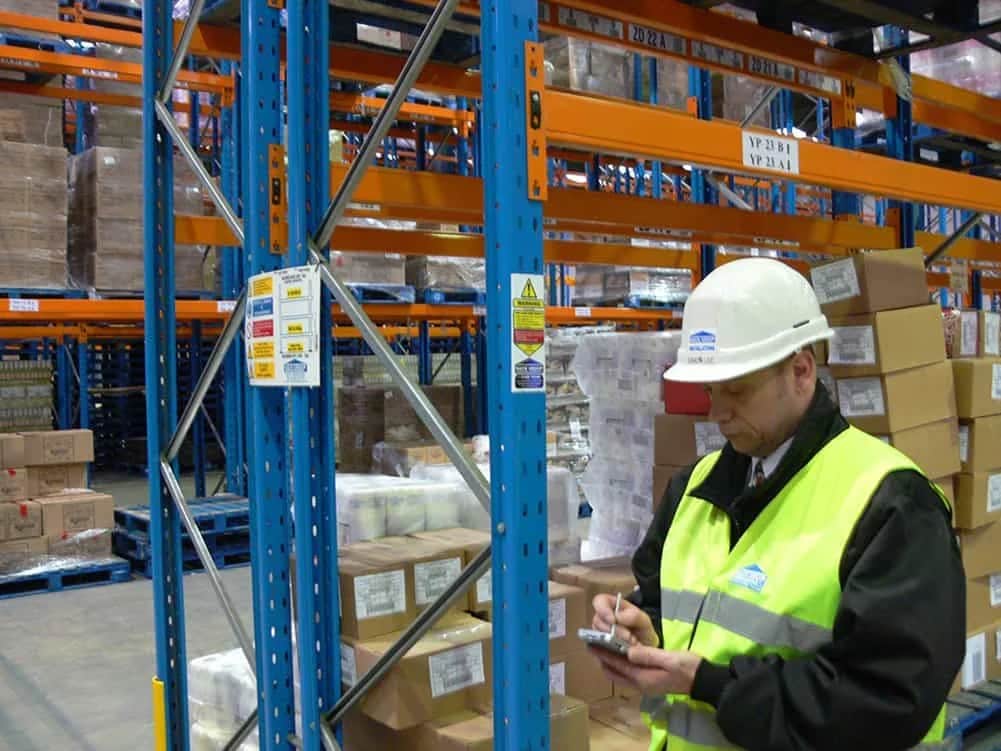
Warehouse racking requires continuing attention after it has been installed. Its condition can be affected by vehicle impacts, wear, altered configurations, inappropriate loading and missing or damaged components. A structured inspection gives the responsible person a documented account of the equipment examined, the defects identified and the action recommended.
Able Racking describes racking inspections as an important part of maintaining a safe operation. Its published service information covers annual assessments, written condition reports, risk classifications, mobile racking inspections and guidance intended to reduce future risks.
A useful inspection should do more than confirm that somebody has visited the warehouse. It should identify the areas examined, explain any limitations and give the business enough information to locate and manage each finding.
Establishing the Scope of an Inspection
Before an inspection begins, the areas and equipment included within its scope should be clear. This is particularly important in warehouses containing several aisles, different racking systems or locations that cannot be accessed easily.
For businesses arranging warehouse racking inspections, Able Racking states that its trained inspectors examine different makes of installed racking. Its published guidance also explains that an inspection report should identify the site, inspection date, areas covered, inspector and relevant report reference.
The report should record any limitations that affected the inspection. An obstructed, excluded or inaccessible section cannot be assessed in the same way as equipment that was visible and safely accessible. Recording these limitations prevents the report from implying that every part of the warehouse was examined when this was not possible.
Equipment identification is another practical requirement. A report should provide enough detail for the warehouse team to find the affected structure. Aisle references, bay positions, rack numbers and storage levels can all help distinguish one location from another.
A general comment such as “damage to frame” may be difficult to act upon in a large warehouse. A finding that identifies the aisle, bay, level and component gives managers and repair contractors much clearer information.
What Inspectors Look For
A racking inspection records defects and other conditions affecting the storage equipment. The company’s published guidance lists frames, uprights, bracing, beams, connectors, guards, floor fixings, pallets and load supports among the components that may be considered.
Missing parts, unauthorised alterations and visible indications of unsuitable loading may also be recorded. Where housekeeping conditions affect safe use, these can form part of the inspection findings.
Able Racking says it conducts annual inspections in accordance with SEMA guidelines. Following an inspection, the business receives a written report describing the condition of the storage system.
An inspection report may also refer to load notices, pallet configurations and beam levels where these are relevant. However, the company’s guidance makes an important distinction: a visual inspection does not automatically confirm that every load is suitable for the structure.
The responsible person must ensure that racking is used within its design and stated capacity. Changes to the configuration should be assessed properly rather than assumed to be acceptable.
Understanding Risk Classifications
A professional report should explain the urgency associated with each finding. A list of defects without clear priorities may leave warehouse managers uncertain about what needs immediate attention and what can be included within planned maintenance.
Able Racking explains that its reports use red, amber and green risk classifications. Each classification indicates a different level of urgency.
A red classification means that the affected equipment or area should be taken out of use immediately until suitable action has been completed. This may involve unloading and isolating a damaged bay before a repair is arranged.
An amber classification identifies remedial work that must be completed within an appropriate timescale. The equipment must be managed safely while that work is pending.
A green classification normally identifies damage or conditions that should be monitored and addressed as part of planned maintenance. Green does not mean that the finding should be forgotten. It should remain within the maintenance record and be reviewed during later inspections.
Using classifications in this way helps connect each observed condition with a proportionate response.
Why Photographs and Precise Descriptions Matter
Photographs can provide useful evidence of a defect, particularly when they are connected to a precise location and written explanation. An image on its own may not tell the responsible person which rack, bay or component it shows.
The inspection guidance published by Able Racking says that photographs should support written descriptions rather than replace them. A useful report links each image to the relevant finding and explains the type and extent of the defect.
This becomes especially important where a warehouse contains several similar runs of racking. Clear references allow the warehouse team to locate the problem quickly and give repair contractors more accurate information when planning remedial work.
Reports may also identify evidence of repeated vehicle impacts, unsuitable loading practices, inadequate rack protection or alterations made without technical approval. Recording these observations can help the responsible person consider whether the same type of damage is likely to happen again.
From Findings to Remedial Action
The practical value of an inspection depends on how its findings are handled. Recommended actions may include unloading a bay, isolating equipment, replacing a component, correcting a loading problem or improving protection against vehicle contact.
Businesses commissioning warehouse racking inspections should therefore have a process for reviewing findings and recording completed work. The service model described by Able Racking connects inspections with repairs and maintenance, allowing identified defects to progress into a defined remedial programme.
Its published repair process begins with the inspection report. Findings are checked, site-specific requirements are considered and the scope of work is agreed. A project manager is assigned to oversee the work, after which the relevant parts and components are obtained.
The company states that repair and maintenance work is carried out in line with the supplied method statement and design drawings. It also supplies barriers and guards intended to protect storage structures and goods.
The inspection report may specify whether confirmation or follow-up checks are required before equipment is returned to service. Recording that the action has been completed creates an audit trail between the original finding and its resolution.
The Limits of a Visual Inspection
A professional inspection provides valuable information, but it is important to understand its limits. The company’s published guidance states that an inspection report is not normally a substitute for design verification, structural calculations or a separate investigation into an incident.
If an inspector encounters unusual damage, significant alterations, uncertainty about capacity or a condition outside the scope of a visual assessment, further technical examination may be necessary.
The report should identify these limitations rather than imply that the inspection has answered questions beyond its intended purpose. Manufacturer information, load notices, repair records, risk assessments and previous reports may all need to be considered alongside the current findings.
Mobile Racking Requires a Wider Assessment
Mobile racking systems combine storage structures with powered bases and moving aisles. Their inspection requirements therefore extend beyond beams, uprights and bracing.
Able Racking also offers mobile racking inspections. Its service information states that these inspections cover both the storage structure and the automated mobile base system.
The company reports on excessive wear affecting safety auto cut-out devices and carries out necessary work where appropriate. Its broader mobile-racking guidance also refers to controls, sensors, alarms, emergency stops, rails, drive systems and protective devices as parts of ongoing inspection and maintenance arrangements.
This wider scope reflects the additional mechanical and control elements found within mobile installations.
Awareness Between Scheduled Inspections
Conditions can change after a formal inspection has taken place. Damage may occur during ordinary warehouse activity, which is why staff awareness remains relevant between scheduled assessments.
Able Racking provides in-person and online safety training. Its published course information covers different forms of racking, how the structures are made, important components and the red, amber and green method of categorising damage.
This training is intended to help warehouse teams assess visible damage and understand relevant employee and employer responsibilities. It does not replace a formal professional inspection, but it can help staff recognise conditions that require reporting.
A clear internal process can then determine who receives the report, how the location is managed and whether specialist assessment is required.
Keeping a Reliable Inspection Record
Completed reports should remain with the warehouse’s racking safety records. They provide evidence of the inspection, document the condition found at that time and give later inspectors useful background.
Records can also connect initial findings with repairs, replacement components and follow-up assessments. When documentation is maintained properly, the business can see what was identified, which action was recommended and whether that action was completed.
Information published by Able Racking presents an inspection report as more than a list of faults. Its value comes from linking each condition to a clear location, risk classification and recommended response.
That is the central purpose of a professional racking inspection. It gives the responsible person structured information that can be used to isolate unsafe equipment, prioritise repairs, monitor lower-level findings and maintain a documented history of the storage system.

