What Are the Best Canadian Wines to Try? Top Varietals, Regions, and Tasting Tips
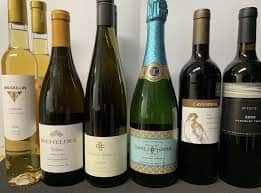
You can find exceptional Canadian wines whether you prefer crisp, mineral-driven whites, elegant Pinot Noirs, or bold icewines; start with trusted bottles from the Okanagan, Niagara, and Nova Scotia to experience the best the country offers.
Explore recommendations that span sparkling and still styles, well-regarded producers, and regional standouts so you can choose wines that match your taste and occasion.
Follow the guide to discover specific top wines to try, learn what makes each wine region unique, and pick varietals that highlight Canada’s cool-climate strengths.
Top Canadian Wines to Try
You’ll find notable reds, whites, icewines, and sparkling bottles from distinct regions like Niagara, the Okanagan Valley, and Nova Scotia. Expect precise recommendations for varietals, style cues, and pairing ideas, including what are the best Canadian wines to try, to help you choose bottles that match your preferences.
Best Red Wines from Canada
Focus on Pinot Noir, Gamay, Cabernet Franc, and Syrah when shopping Canadian reds. Niagara and the Okanagan produce some of the best examples: look for bright, cool-climate Pinot Noir with cherry, earth and supple tannins for lighter dishes.
Gamay from Vineland-style producers delivers juicy red-fruit, moderate acidity, and soft tannins—excellent with roast chicken or charcuterie.
Cabernet Franc shows darker fruit, herbal notes, and firm structure; it pairs well with tomato-based dishes and grilled vegetables.
For fuller-bodied reds, seek Okanagan Syrah or Bordeaux-style blends that offer black fruit, spice, and age-worthy tannins. Consider producer reputation and vintage warmth when selecting richer styles.
Exceptional White Wines
Canadian whites range from crisp Chardonnays to aromatic Viognier and Riesling. In Niagara and the Okanagan, lean Chardonnays show green apple, citrus, and restrained oak—drink these with pork, seafood, or cream sauces.
Look for Viognier for textured stone-fruit flavor and floral lift; it complements spiced dishes and richer fish preparations.
Riesling covers bone-dry to lusciously sweet styles; choose dry or off-dry Riesling with high acidity for balancing spicy Asian cuisine or fatty pork.
Bench or valley-specific bottlings often reflect distinct minerality; check vintage acidity levels and producer notes to match food or cellar plans.
Award-Winning Icewines
Canadian icewine excels in concentrated sweetness, typically made from Vidal, Riesling, or Cabernet Franc grapes frozen on the vine. You’ll find intense apricot, honey, and citrus marmalade flavors with balancing high acidity.
Vidal-based icewines offer lush tropical and stone-fruit aromas and pair beautifully with blue cheese or fruit-based desserts.
Riesling icewines present higher acidity and crisp citrus-lift, making them versatile with foie gras or light desserts.
Look for bottles from Niagara for classic icewine profiles; check sugar levels (g/L) and vintage notes to match the sweetness you prefer.
Sparkling Wines of Distinction
Canada’s sparkling wines use both traditional method and tank method production, with notable offerings from Ontario and Nova Scotia. Seek traditional-method (bottle-fermented) brut and extra-brut styles for fine mousse, green-apple acidity, and brioche notes.
Look for sparkling Pinot Noir or Chardonnay blends for dryness and food flexibility—these pair well with shellfish and lighter hors d’oeuvres.
Novel Atlantic-region sparklers bring cool-climate freshness and saline notes, complementing seafood and oysters.
When choosing a sparkling wine, check dosage (g/L) and lees aging; longer lees contact typically means more autolytic, toasty character.
Canadian Wine Regions and Unique Varietals
Canada’s wine map centers on cool-climate sites that produce distinct styles: ripe, aromatic whites, structured cool-climate reds, and world-class Icewine. Expect terroir-driven Chardonnay, Riesling, Pinot Noir, Cabernet Franc, and expressive dessert wines tailored to each region’s microclimate.
Okanagan Valley Specialties
The Okanagan Valley in British Columbia gives you long, warm summers and cool nights, which build concentration while preserving acidity. Look for Viognier and Chardonnay that show stone-fruit and floral notes, and for Gewürztraminer with pronounced spice and lychee character.
Red varieties perform well on warmer benchlands. You’ll find Cabernet Franc, Merlot, and Syrah producing medium- to full-bodied wines with red-berry, pepper, and savory notes. The region’s unique strength lies in its range — from crisp Riesling and sparkling méthode traditionnelle to richer, oak-aged Chardonnays.
Producers often vinify single-vineyard expressions, so check labels for block or slope names. Icewine appears here too, but still and sparkling wines increasingly define the Okanagan’s reputation.
Niagara Peninsula Favorites
In Ontario’s Niagara Peninsula, Lake Ontario moderates temperature and extends the growing season, which benefits aromatic whites and elegant Pinot Noir. You should seek Riesling that balances racy acidity with orchard-fruit sweetness and VQA-designated Chardonnays showing citrus and mineral lift.
Pinot Noir here leans toward red-fruit freshness, earth, and fine tannins—great for pairing with local cuisine. Cabernet Franc stands out among reds for peppery, herbaceous complexity and reliable structure even in cooler vintages.
Niagara also produces Canada's most recognized Icewines; look for labels specifying varietal (e.g., Vidal, Riesling) and harvest year. Many wineries offer tasting tours—use them to compare barrel-aged vs unoaked styles from the same producer.
Emerging Regions and Noteworthy Producers
Beyond the two big regions, you’ll find exciting work in Nova Scotia, Quebec, and Newfoundland & Labrador. Nova Scotia excels in crisp, saline-influenced sparkling and aromatic whites like Ortega and L'Acadie Blanc—seek producers using traditional-method sparkling techniques.
Quebec focuses on cold-hardy hybrids and fruit-forward whites; look for producers experimenting with Vidal and hybrid blends tailored to shorter seasons. Newfoundland & Labrador has very few wineries but niche producers making small-batch, terroir-specific wines.
British Columbia’s Gulf Islands and inland pockets produce boutique reds and skin-contact whites. When exploring these regions, prioritize single-vineyard bottlings and small-producer releases to experience local site expression and innovative varietal choices.

