When Indie Hackers Start Looking at Grants: The Planning Shift From Bootstrapping to Funding
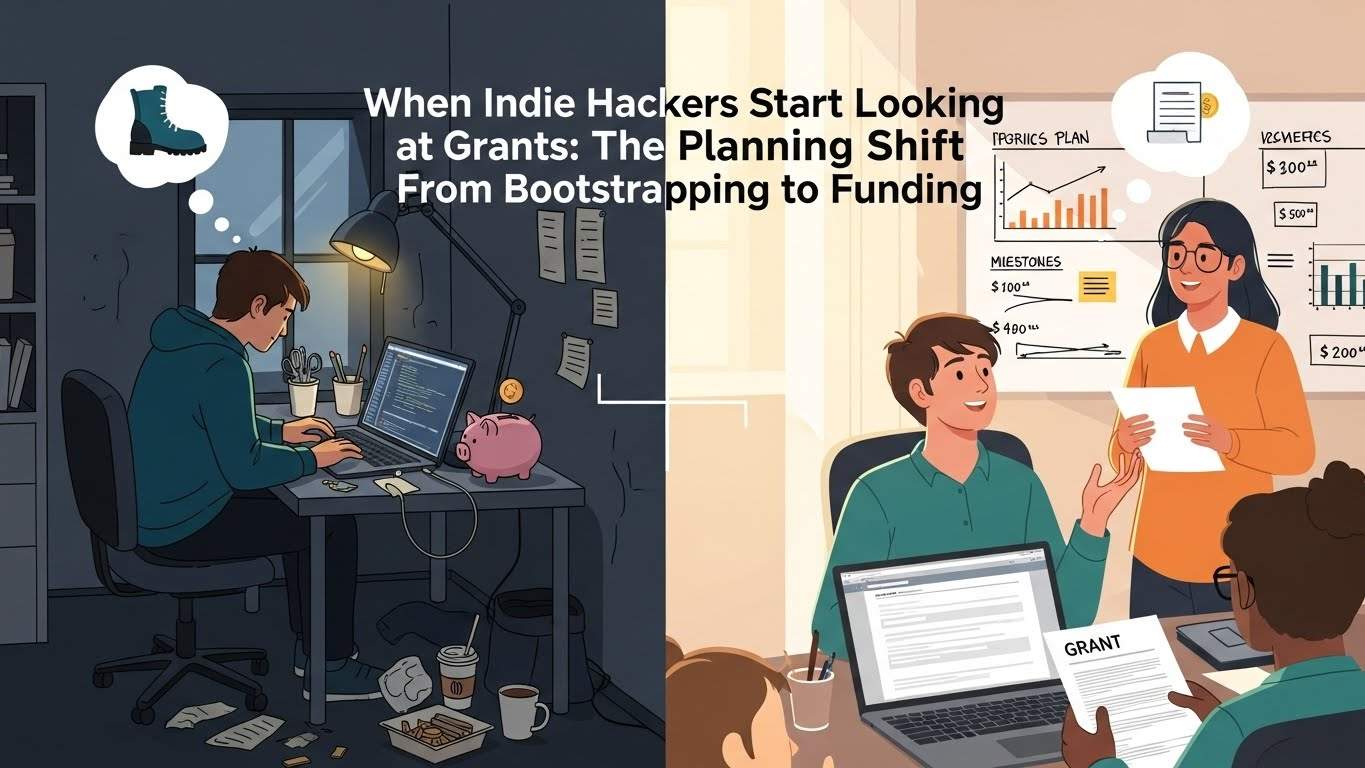
Most indie hackers begin their journey by building with what they have. Time, skill, and small savings are often enough to get started. Bootstrapping feels natural because it keeps control in the builder’s hands. Decisions are simple, speed is high, and there is no pressure from outside sources.
As a project grows, new needs appear. Users ask for better support, systems need improvement, and growth starts to slow due to limited resources. At this point, some indie hackers begin to look beyond bootstrapping. Grants enter the picture, not as free money, but as a way to support steady progress without giving up ownership.
This moment creates a shift. The project is no longer just about building and shipping. It becomes about readiness, clarity, and responsibility. Planning becomes essential because grants expect more than ideas. They expect structure, purpose, and clear outcomes.
Understanding the Shift From Self-Funding to Grant Readiness
Moving from bootstrapping to grants is not a financial decision alone. It is a mindset change. Grants come with expectations, timelines, and accountability. Indie hackers must understand what their project represents and where it is going.
Business planning helps make this shift smoother. It helps founders define goals, explain impact, and show how funds will be used. Without planning, grant applications feel confusing and stressful. With planning, they become a clear extension of the work already being done.
Grants Change How Indie Hackers Think About Their Projects
Bootstrapped projects often grow step by step. Grants require a clearer picture of the future. Indie hackers must explain what they are building, why it matters, and how support will help move it forward.
A roadmap helps answer these questions. It turns scattered ideas into a clear story. This clarity helps founders understand their own project better, not just explain it to others.
Grant Funding Introduces Shared Responsibility
When grants enter the picture, responsibility expands. Funds must be used as promised. Progress must be shown. Results must be explained.
Planning helps manage this responsibility. It outlines actions, timelines, and expected outcomes. This structure reduces pressure and helps indie hackers stay focused while meeting grant expectations.
Planning Helps Align Grants With Indie Values
Many indie hackers worry that grants may change their independence. Planning helps protect that independence by setting clear boundaries.
With a plan from professionals like upliftplan, founders decide how grant funds fit their goals instead of letting funding shape direction. This alignment keeps the project true to its original purpose while benefiting from support.
Clear Planning Improves Grant Communication
Grant reviewers need clarity. They want to understand the problem, the solution, and the impact. Poor explanations often lead to rejection, even for strong projects.
A well structured framework improves communication. It helps founders present their project in simple terms. Clear plans make grant applications easier to write and easier to understand.
Grant-Ready Planning Supports Long-Term Stability
Grants are often temporary, but businesses should last longer than funding periods. Planning helps indie hackers think beyond the grant itself.
It connects short-term support to long-term sustainability. This thinking ensures that grants strengthen the project instead of creating dependence.
Planning Turns Grant Interest Into Real Opportunity
When indie hackers start looking at grants, it signals growth. It shows that the project has moved beyond experimentation and now needs support to scale responsibly.
Planning is what makes this step possible. It brings clarity, confidence, and direction. Instead of feeling like a risk, grants become a tool that supports progress without sacrificing independence.
For indie hackers, the move from bootstrapping to grants is not about changing identity. It is about strengthening what already works. Planning ensures that funding supports the vision rather than replacing it.

