Why the online casino industry should work harder to implement VR
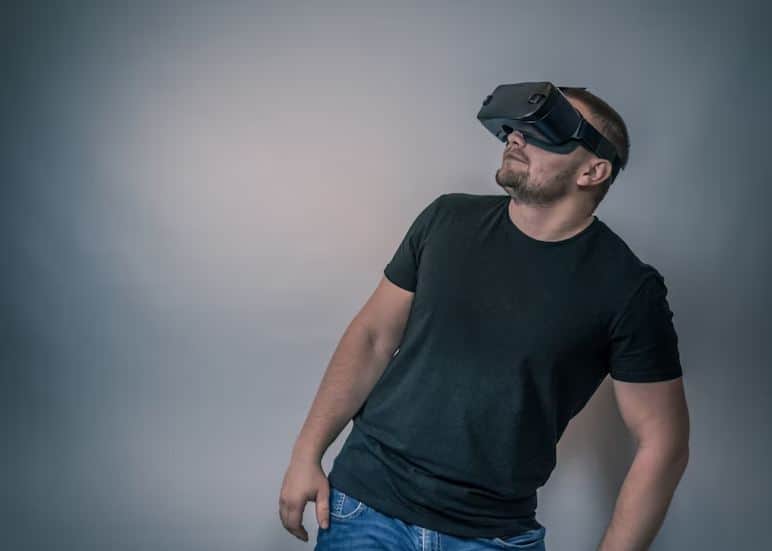
The digital gaming sector has undergone remarkable transformation over the past two decades, moving from basic browser-based platforms to sophisticated mobile applications that offer seamless entertainment experiences. Yet despite these advances, something essential remains missing from the online format: the atmospheric depth and social richness that define traditional casino environments. Virtual reality technology presents a solution to this gap, offering capabilities that could fundamentally reshape how players engage with digital gaming platforms. The potential goes far beyond visual upgrades or gimmicky features. What VR promises is an entirely new framework for interaction, one that captures the sensory complexity and human connection that current formats struggle to replicate.
How Technology Has Reached a Tipping Point
The technology has matured considerably since its early experimental phases. Modern VR headsets deliver higher resolutions, wider fields of view, and more intuitive controls than their predecessors. Processing power has increased while costs have gradually decreased, making the hardware more accessible to mainstream consumers. These improvements create an opening for the gaming industry to move beyond the flat-screen limitations that have defined online experiences since their inception.
The online casino industry has evolved considerably over the past decade, establishing itself as a major segment of digital entertainment. Markets worldwide have seen substantial growth in participation, with players drawn to the convenience and variety that online platforms provide. For instance, in New Zealand, the sector has developed a robust presence, offering diverse gaming options that cater to local preferences. The ability to play at a top online casino in New Zealand has become increasingly accessible, with platforms providing everything from classic table games to modern slot variations and live dealer experiences.
The Social Dimension That Current Formats Cannot Capture
One of the most compelling arguments for VR adoption relates to social interaction. Current online platforms offer chat functions and some video streaming, but these features feel tacked on rather than integral to the experience. Players remain isolated behind screens, watching dealers through cameras or clicking buttons in silence. The result is functional but emotionally flat.
Virtual reality changes this dynamic by placing users in shared spaces where they can see representations of other players, observe body language through avatar movements, and communicate through spatial audio that mimics real conversation. This creates opportunities for casual interaction that simply do not exist in current formats.
Transforming the Live Dealer Experience
The live dealer segment in particular stands to gain from this shift. These games already attempt to bridge the gap between online convenience and the human element of traditional venues by streaming real dealers from studios. However, the experience remains one-sided, with players watching through a fixed camera angle while the dealer interacts with dozens of participants simultaneously.
In a VR environment, the setup could transform into something closer to sitting at an actual table. Players would see the dealer from their chosen perspective, observe the cards or wheel in three dimensions, and potentially make eye contact or gesture in ways that create genuine social presence. The difference between watching a video feed and occupying a virtual space alongside others may seem subtle in description, but in practice it fundamentally alters the psychology of participation.
Technical Challenges That Slow Progress
Despite these possibilities, adoption has proceeded slowly. The reasons are partly technological and partly economic. Developing quality VR content requires specialized skills and significantly more resources than creating traditional digital platforms. Three-dimensional environments demand detailed modeling, realistic physics, and smooth performance to avoid motion sickness or disorientation. Studios must balance visual fidelity with frame rates, ensuring that experiences run smoothly on various hardware configurations. These requirements increase both development time and costs substantially compared to conventional programming.
The Hardware Accessibility Question
Hardware accessibility also presents obstacles. While VR headset prices have declined, they remain substantial investments for casual users. The equipment requires space to use safely, and not all households have suitable areas for movement-based experiences. There are also comfort considerations, as some users experience nausea or fatigue during extended sessions.
These factors combine to create a smaller potential audience than exists for standard digital platforms, which work on any smartphone or computer. From a business perspective, companies must weigh the significant upfront investment against an uncertain return, particularly when existing formats continue generating reliable revenue.
Why Investment Makes Strategic Sense
Yet these challenges, while real, should not overshadow the strategic value of early adoption. Markets evolve, and companies that establish themselves as innovators often capture outsized benefits when technologies reach maturity. The gaming industry has witnessed this pattern repeatedly, from the transition to mobile platforms to the integration of live streaming. Those who moved early gained brand recognition and customer loyalty that late entrants struggled to match.
Virtual reality may currently serve a niche audience, but that audience is growing as hardware improves and prices fall. The question is not whether VR will become mainstream, but when.
Building Expertise Through Early Development
Beyond first-mover advantages, there are practical reasons to invest now. Technology development is iterative, meaning that early experiments provide valuable data about user preferences, technical requirements, and design challenges. Companies that begin building VR capabilities today will have refined products ready when the market expands.
They will understand what works, what users respond to, and how to optimize performance in ways that competitors starting from scratch cannot quickly replicate. This learning curve matters particularly in an industry where user experience directly affects retention and revenue.
Creating Environments That Feel Authentic
The most successful VR implementations will likely be those that avoid simply recreating physical spaces in digital form. The goal should not be to build virtual replicas of existing venues, but rather to design environments that take advantage of what the technology can uniquely offer. This might include fantastical settings impossible in the real world, customizable spaces that adapt to individual preferences, or social features that enhance rather than merely imitate face-to-face interaction. The medium allows for creative experimentation that traditional formats cannot support.
Spatial design becomes crucial in these contexts. Users need intuitive navigation, clear visual hierarchies, and comfortable viewing distances for game elements. Poorly designed spaces can feel disorienting or cluttered, undermining the immersive qualities that make VR appealing. Successful environments will balance aesthetic appeal with functional clarity, ensuring that players can focus on entertainment rather than struggling with interface issues. This requires collaboration between designers, developers, and users to iterate toward solutions that feel natural and engaging.

