Your listing page ranked on Google. The business owner didn't even notice.
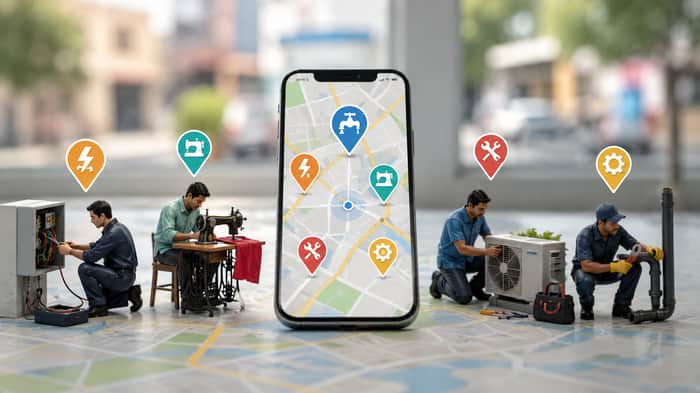
We built a business directory for a hyperlocal niche. Small service providers — electricians, tailors, AC repair guys. Nothing glamorous.
Three months after launch, a plumber messaged us.
"Bhai, someone found me on Google and called. I didn't even know I was on your site."
That message told us everything. His profile page — auto-generated from the listing he filled in 8 minutes — had ranked #3 for "plumber in [neighbourhood] + phone number." Organic. No ads. No SEO work from him.
That's the feature old directories completely missed.
Yellow Pages gave you a listing. A row in a table. Unsearchable, unlinkable, dead the moment someone closed the tab.
Modern directory software gives every business a standalone, indexable profile page — structured data, location schema, service keywords, review count — all baked in. Google reads it. Ranks it. Someone searching at 11 pm for an emergency plumber finds it.
The business owner didn't do anything. The platform did the SEO work by existing correctly.
We've now seen this pattern repeat across every niche directory we've worked on — pet care, real estate agents, tutors, local restaurants. The ones that retain listings long-term are the ones where the business owner eventually gets a call they can trace back to the directory. That first call is the retention hook no dashboard metric can replicate.
The twist nobody builds for: most directory scripts still generate listing pages that are thin, duplicate-content nightmares — same template, swapped name. Google ignores them. The difference is in the schema implementation, the review velocity feeding unique content into the page, and the URL structure from day one.
Got this wrong the first time we built it. Second time, we got intentional about it.
Question for the room: if you've built a niche directory — what was the signal that told you listings were actually working for the businesses on your platform?
