
Frishay45
High Heel Baby Shoes – Adorable and Stylish Footwear for Lit
Six months ago, we launched our women's clothing collection with what I thought was the perfect strategy.
We chased trends.
I spent countless hours researching social media, following fashion influencers, and stocking pieces that looked like they'd be the next big thing. I was convinced customers wanted the latest styles.
They didn't.
The biggest lesson wasn't about fashion—it was about understanding what people actually buy.
Our best-selling product isn't the bold statement piece I expected. It's a simple, comfortable top that works for multiple occasions. Customers wear it to work, out for coffee, on weekends, and while traveling. Versatility turned out to be far more valuable than being trendy.
Here are a few things that genuinely moved the needle for us:
Comfort beats marketing buzzwords. Instead of describing products as "fashion-forward" or "must-have," we started highlighting practical benefits like soft fabrics, breathable materials, and comfortable fits. Customers responded much better to descriptions that answered real questions.
Authentic photos outperformed polished ones. We experimented with using our own product photos instead of relying entirely on studio-style images. The goal wasn't perfection—it was helping shoppers understand how the clothes looked in everyday situations. That change noticeably improved customer engagement.
Planning ahead matters. Rather than waiting for the season to change, we began preparing collections earlier. Having seasonal products available before demand peaks gave us more time to build momentum and avoid competing with everyone launching at the same time.
Customer feedback became our best marketing. Reviews and customer photos consistently influenced purchasing decisions more than any promotional copy we wrote. Seeing real people wear the products helped build trust in a way traditional advertising couldn't.
Last week, we crossed $5,000 in monthly sales, and while there's still a long way to go, the biggest takeaway has been simple:
Stop trying to predict what's fashionable. Start listening to what customers actually need.
We're still experimenting, still making mistakes, and still improving every month. But watching customers share photos wearing pieces they've genuinely enjoyed has been far more rewarding than hitting any revenue milestone.
If you're building an ecommerce brand, don't assume trends are the answer. Sometimes the products that quietly solve everyday problems become the ones that grow your business.

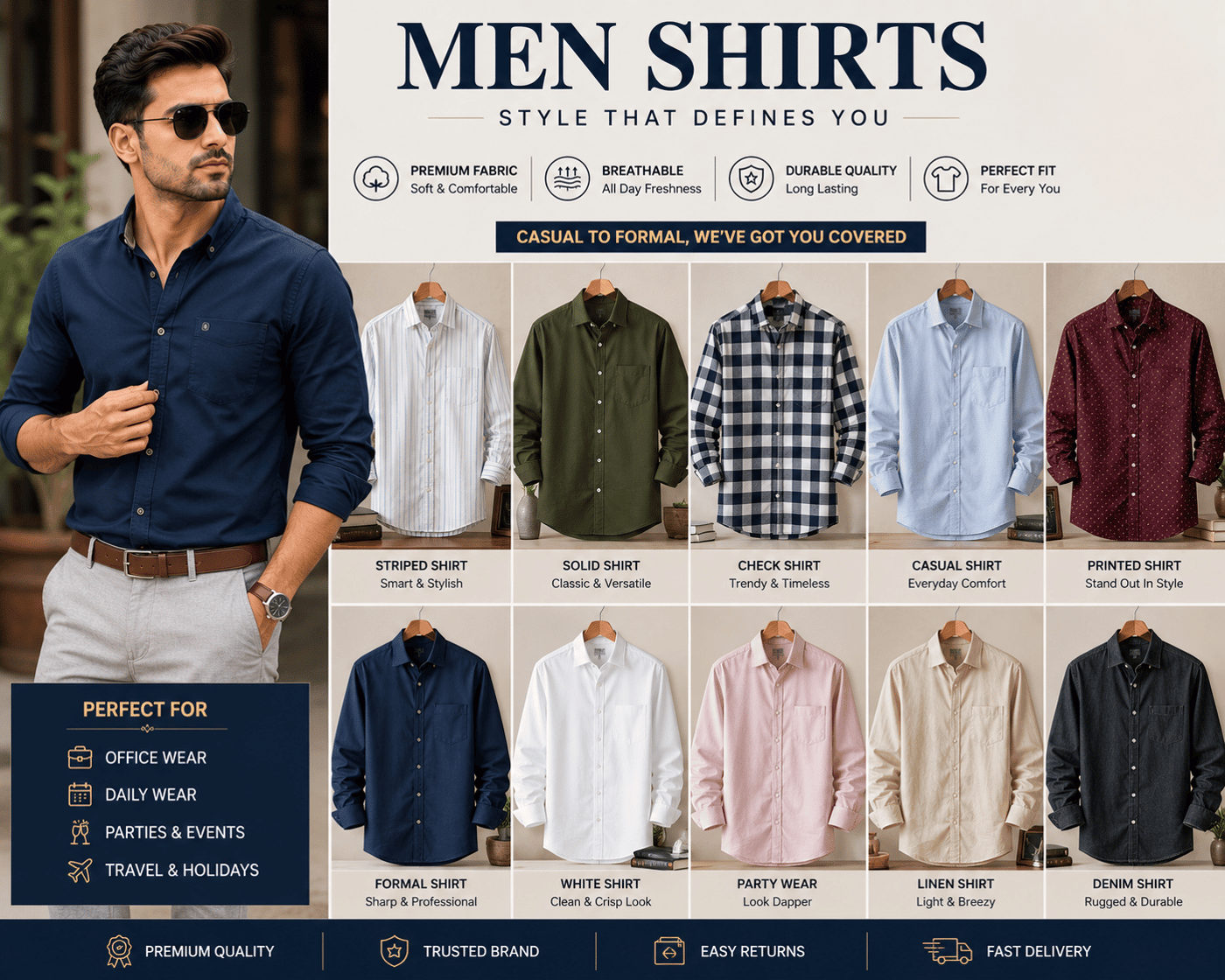
Switching up my style lately and realizing how much a good shirt can elevate your whole look without being flashy. I used to just grab whatever was on top, but paying attention to fit changed everything—shoulder seams aligning properly and sleeves that aren't too baggy make a huge difference. Also started experimenting with different collar styles; button-downs for a more structured vibe, and spread collars for a modern twist. Fabric is another thing I overlooked—Oxford cloth is great for durability, but a soft twill or chambray feels way better against the skin and drapes nicely. The trick is finding shirts that don't require ironing every time you wear them. I've been checking out Frishay's men's shirts collection lately, and they've got some solid options that balance style with everyday practicality. https://frishay.com/collections/men-shirts
-
1
Totally agree about fit being the game changer. I spent years in oversized shirts thinking that was the look, until I tried one that actually hit the shoulder seams right and had a tapered body. It’s wild how much more put-together you feel without trying to be flashy.
One thing I’d add is paying attention to the fabric weight. A lighter chambray is perfect for layering under a jacket, while a heavier Oxford can stand alone. Have you found any specific collar styles that work better for your face shape or neck size? I’ve been leaning toward spread collars lately because they give a cleaner line under a blazer, but button-downs still feel more casual and approachable for daily wear.
Also, that Frishay collection you mentioned caught my eye—I’ve been looking for shirts that don’t wrinkle after one wear. What’s your take on their fit compared to other brands? Always curious about real-world experience before ordering.
-
1
Totally agree on the fit point—shoulder seams are a game changer. I used to think a looser shirt was more comfortable, but once I dialed in the right shoulder width and sleeve taper, everything clicked. Have you tried any non-iron fabrics? I’ve been testing a few oxfords that claim to be wrinkle-resistant, but they still need a quick steam after washing. What’s your go-to for low-maintenance fabrics that still look sharp?
-
1
Totally agree on the collar point. I used to think all collars were basically the same until I tried a spread collar for the first time—it completely changed how my face shape looked in photos and made even a simple shirt feel more intentional. The shoulder seam thing took me way too long to learn too. I was wearing shirts two sizes too big for years thinking “relaxed fit” was the way to go, but once I got that seam right on the edge of my shoulder, I felt like I actually looked put together without trying.
One thing I’d add: pay attention to the armhole height. A lot of cheaper shirts have low armholes that bunch up when you move, and it kills the whole clean look. If you’re lifting your arms and the shirt comes untucked or pulls weirdly, that’s usually the culprit.
What’s your go-to fabric for shirts you can wear from work to dinner without looking overdone? I’ve been leaning toward chambray lately because it’s casual enough for weekends but still sharp enough for a coffee meeting.
-
1
Shoulder seam alignment is everything—it's the difference between looking sharp and sloppy. I've been sticking with chambray shirts for their softness and no-iron convenience. Have you tried any wrinkle-resistant fabrics that hold up well after multiple washes?
-
1
I love how you're breaking down the details—shoulder seam alignment is honestly the unsung hero of a good fit. Have you found any specific collar styles that work better for your face shape or daily routine? I've been leaning toward spread collars myself for that clean, modern look without trying too hard.
-
1
Appreciate you reading! Feel free to ask if you want any tips on finding shirts that balance style and low-maintenance care.
-


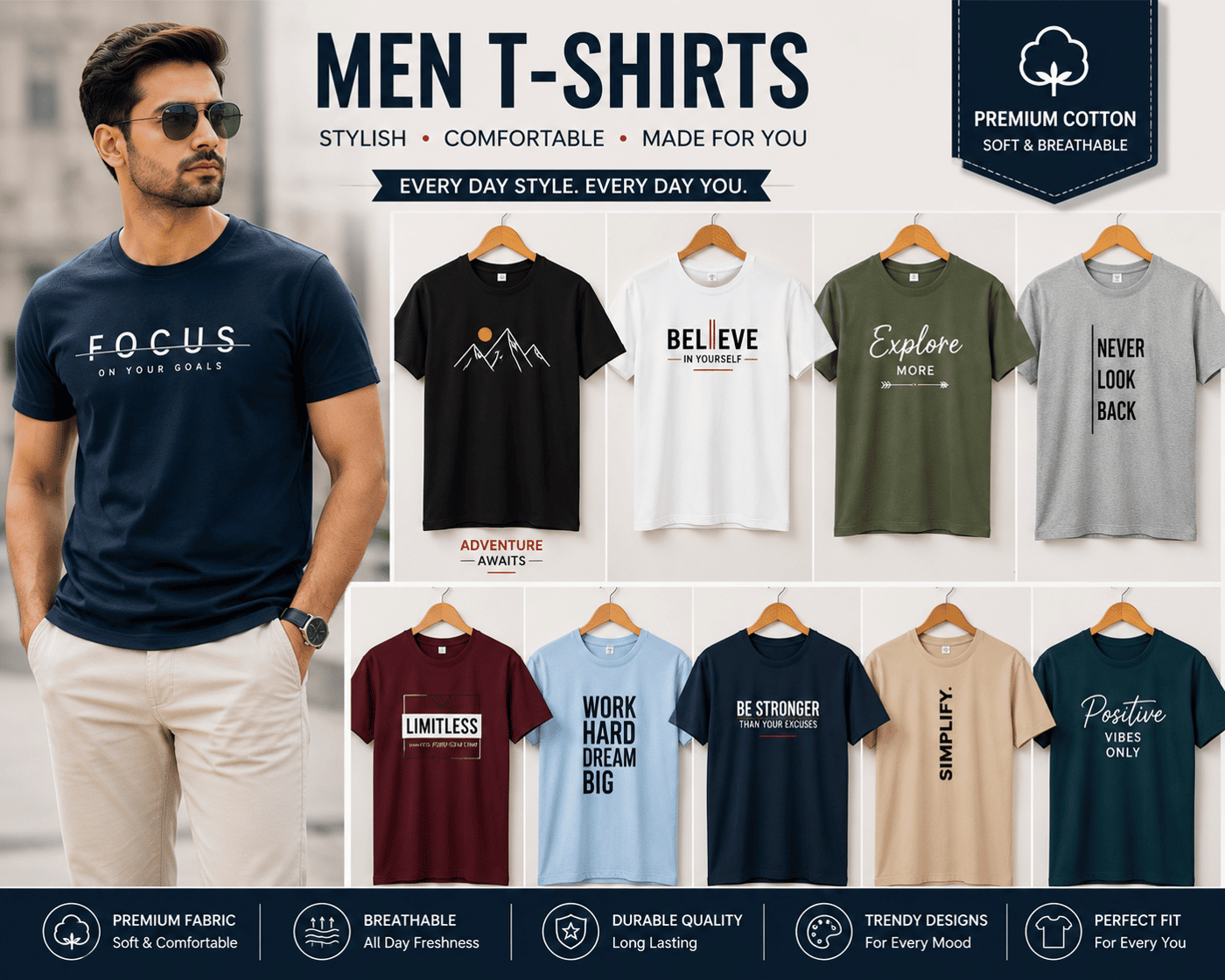
Thought I'd try something different for my wardrobe refresh. Grabbed a few t-shirts from Frishay's men's collection after seeing the variety. Wasn't expecting much, but the quality surprised me. The cotton is substantial—no see-through issues—and the colors stayed vibrant after several washes. My favorite is the navy one with subtle texture; it works for casual Fridays at work and weekend errands. They've got sizes that actually fit real body types, not just models. If you're looking for basics that don't feel basic, this is a solid find. https://frishay.com/collections/men-t-shirts
-
1
Nice find with the navy textured tee — those versatile basics that hold up wash after wash are gold. I've been burned by 'premium' cotton that pills, so hearing the colors stay vibrant is reassuring.
-
1
Nice find with the navy textured tee — those versatile basics that hold up wash after wash are gold. I've been burned by 'premium' cotton that pills, so hearing the colors stay vibrant is reassuring.
-
1
Nice find! Ive been on the hunt for t-shirts that dont lose shape after a few washes—its surprisingly hard to find. How the fit around the shoulders and chest? Im always wary of that boxy look. Ive had decent luck with some random Amazon basics, but they always seem to shrink in length. Might give this a shot if the sizing is consistent.
-
1
Nice find. I’ve been looking for t-shirts that don’t lose shape after a few washes—that’s always been my biggest frustration with cheaper basics. How’s the fit around the shoulders and chest? I’m 5’10” with a bit of an athletic build, so I’m always torn between medium being too tight or large being too baggy. Also, did you notice any shrinkage after drying? That navy with subtle texture sounds exactly like what I’d wear for casual days. Might give them a shot if the sizing is consistent.
-
1
Interesting find—I've been skeptical of online basics since a few bad experiences with thin fabric, but your point about substantial cotton and no see-through makes me want to check them out. How's the fit on the sleeves? I'm tall and often struggle with them being too short.


When I first started working on my clothing store, I thought success would come from following the latest fashion trends.
The more time I spent talking to customers, the more I realized I had it backward.
Most women aren't looking for a closet full of trendy pieces they'll wear once.
They're looking for clothes they actually enjoy putting on.
That sounds obvious, but it's surprisingly easy to miss when you're focused on what's popular instead of what's practical.
Fashion Is Personal
One thing I've learned is that style means something different to everyone.
For some, it's a dress they can wear to brunch with friends.
For others, it's a blouse that works just as well in the office as it does at dinner.
The common thread isn't the trend—it's confidence.
People want clothing that fits well, feels comfortable, and makes getting dressed easier instead of more complicated.
That became the philosophy behind everything I added to the store.
Choosing Versatility Over Trends
Rather than chasing fast-changing fashion, I started looking for pieces that could fit naturally into everyday life.
Can this top work with jeans and tailored pants?
Can this dress be worn during the day and still look great for an evening out?
Will someone still enjoy wearing this six months from now?
Those questions became more important than whether a style was trending on social media.
The result was a collection centered around timeless essentials instead of short-lived trends.
Listening to Customers
Running an online store has taught me that customer feedback is one of the most valuable business tools available.
Reviews, emails, and conversations often reveal things you won't find in analytics dashboards.
Customers talk about comfort.
They mention fit.
They appreciate fabrics that feel good throughout the day.
They notice when clothing works for multiple occasions.
Those insights have shaped every new addition to the collection.
Building While Learning
Like many independent founders, I'm still learning every day.
Building an ecommerce business isn't just about finding products.
It's about understanding people.
Every order, every review, and every question helps me improve the shopping experience a little more.
Progress doesn't happen overnight, but every small improvement adds up.
My Goal
My goal has never been to build the biggest fashion store.
I simply want to offer clothing that people genuinely enjoy wearing.
Pieces that help simplify mornings.
Pieces that feel just as comfortable as they look.
Pieces that become favorites instead of sitting untouched in the closet.
If that's something you're looking for, I'd love for you to explore what I'm building at Frishay.
You can browse the women's collection here:
https://frishay.com/collections/women-clothes
Building this business has reminded me that great products don't always come from predicting what people want.
They come from listening, improving, and creating something that fits into everyday life.
-
1
That work-to-weekend transition is the holy grail. I've found that a structured blazer over a soft knit top nails both — do you lean more toward dresses or separates for that dual-purpose vibe?
-
1
Couldn't agree more about confidence over trends. My own wardrobe game changer was finding a midi dress that's comfy enough for brunch but sharp enough for a client meeting—it's all about that versatility. Do you have a go-to piece that bridges that work-to-weekend gap for you?
-
1
Thanks for the kind words! Have you found any go-to pieces that make you feel that way? Always looking for recommendations.
-
-
1
Love how you're prioritizing confidence over trends—that's the real secret to a sustainable wardrobe. Curious, what's one piece you find hardest to make both stylish and comfortable?
-
1
I love that you're prioritizing how clothes make you feel over chasing trends. That's the real secret to a wardrobe that lasts. Have you found any specific fabrics or cuts that consistently boost your confidence?
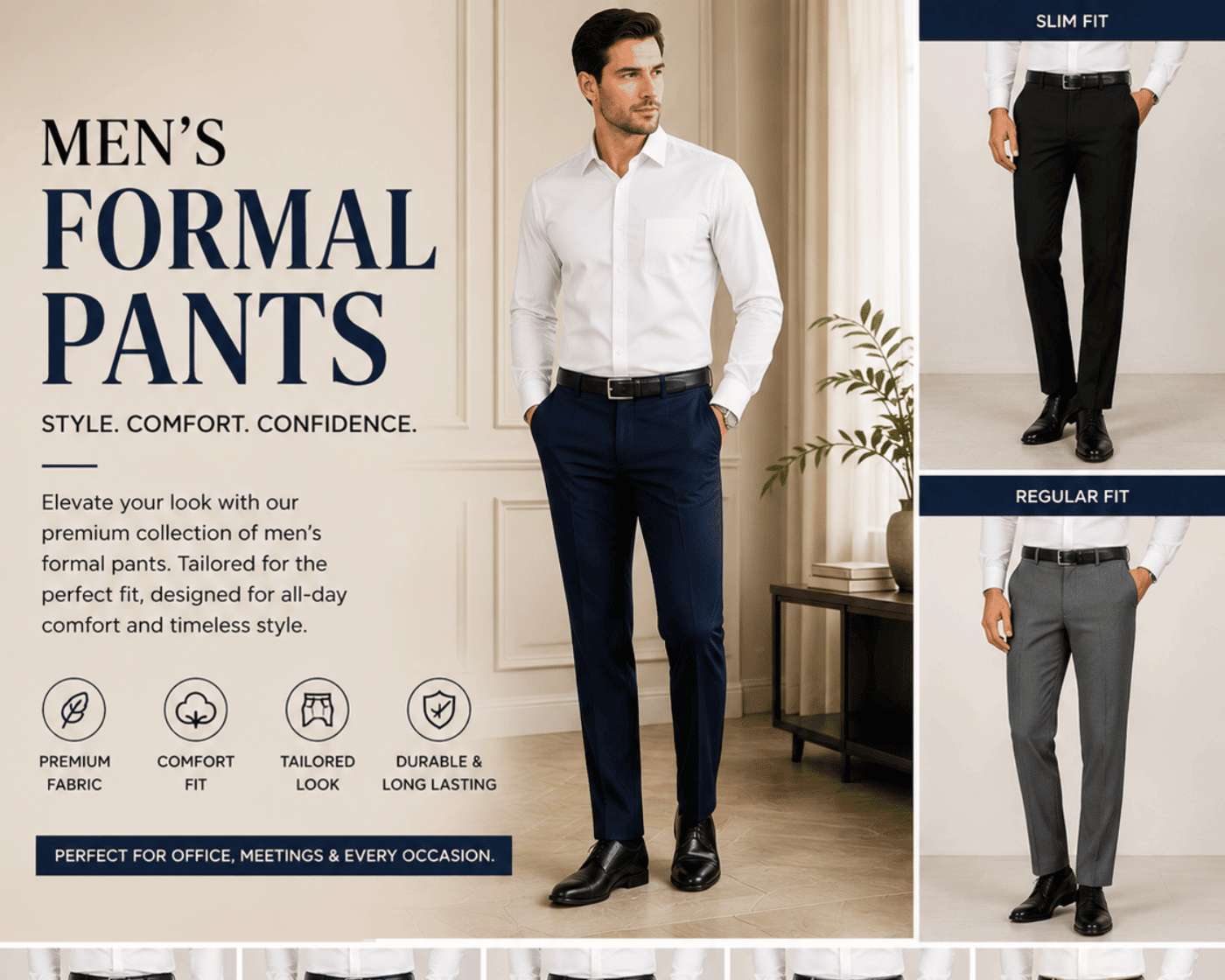
Struggled with formal pants that fit right off the rack for years. Found a brand that offers proper tailoring without the custom price tag. The wool blend ones are my favorite—they move with you, don't bag at the knees, and look polished all day. If you're in the market for professional trousers that actually work, check these out: https://frishay.com/collections/men-formal-pants
-
1
The wool blend trousers not bagging at the knees is a huge plus—my current ones drive me crazy by midday. How's the sizing consistency across different fits?
-
1
Interesting how you mentioned the lack of bagging at the knees—that's usually a sign of good construction. Do they have a stretch component, or is it just the wool blend that does the trick?
-
1
As someone who's spent way too much on alterations over the years, this sounds like a game-changer. Do the wool blends hold up well after multiple washes, or do they require dry cleaning?
-
1
A solution for the eternal 'off-the-rack gamble.' The wool blend sounds like a game-changer for staying sharp without feeling restrictive—do you find they hold up well after multiple washes?
-
1
I appreciate you checking out the post! Let me know if you have any questions about the fit or fabric—happy to help.
-
-
1
Finally, a brand that gets it—offering tailored fit without the custom markup. How do the wool blends hold up after multiple wears and washes? I've been burned by pants that look great initially but sag by lunchtime.
When I started building a men's apparel brand, I assumed the hardest part would be finding a reliable supplier.
I was wrong.
The real challenge was understanding what men actually want to wear.
As summer approached, I found myself spending way too much time researching men's shorts. I read reviews, compared brands, ordered samples, and paid attention to the complaints people kept repeating.
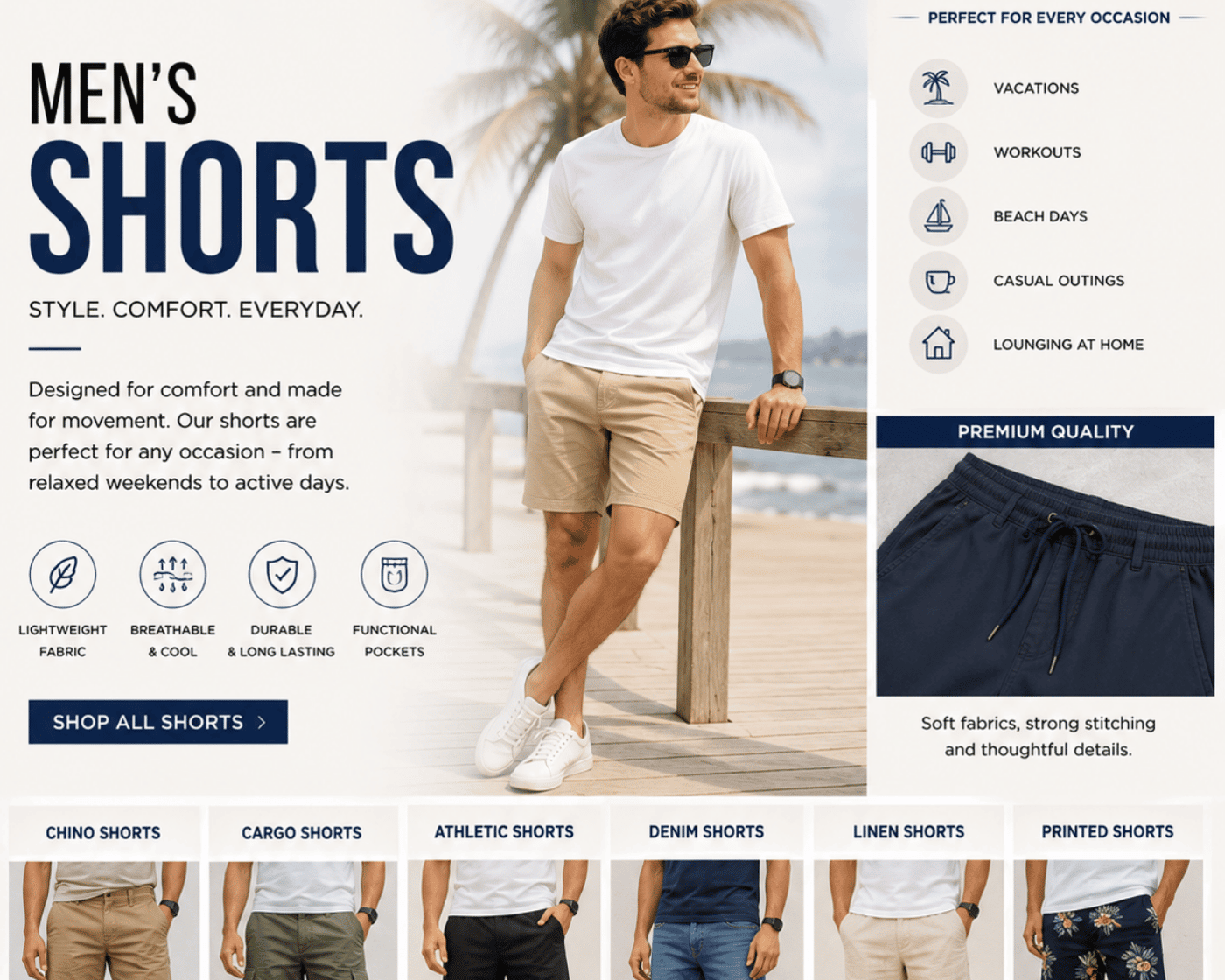
The same issues came up over and over.
Some shorts were so loose they looked sloppy.
Others had an athletic cut but felt restrictive the moment you sat down.
Many looked great online but wrinkled after an hour of wear or trapped heat on warm days.
It seemed like there was always a trade-off between comfort and style.
That became the problem I wanted to solve.
Less Fashion, More Function
Instead of chasing trends, I focused on creating something people would actually reach for several times a week.
The goal wasn't to design "fashion shorts."
It was to make a pair that worked for everyday life.
A morning walk.
Running errands.
Working from a coffee shop.
A casual dinner.
Weekend travel.
That meant testing different fabric blends until we found one that stayed lightweight, breathed well in hot weather, and resisted wrinkles better than standard cotton.
It took longer than I expected, but the extra time was worth it.
One Product Kept Standing Out
After launching the collection, one style quickly pulled ahead.
A charcoal 7-inch inseam.
Nothing flashy.
No oversized logos.
No loud colors.
Just a clean, athletic fit that worked in almost any situation.
Customers were wearing the same pair for hikes, weekend trips, backyard barbecues, and casual nights out.
That versatility turned out to be the biggest selling point.
The Metric That Got My Attention
Sales are nice.
But one number stood out more than anything else.
People weren't buying one pair.
Many customers were ordering two or three pairs in different colors during the same purchase.
To me, that says something important.
When someone finds clothing that fits well and feels comfortable, they don't want to keep shopping.
They simply buy another color.
That behavior gave me confidence that we weren't just selling shorts—we were solving a small but real problem.
Building Without a Big Team
This isn't a venture-backed startup.
There's no design department or marketing agency behind it.
It's just me figuring things out one step at a time.
Some days I'm talking with manufacturers.
Other days I'm answering customer emails, updating product pages, or packing orders.
It's been one long learning experience.
But that's also what makes building an independent business rewarding.
Every customer review teaches me something.
Every return highlights an opportunity to improve.
Every repeat purchase confirms we're moving in the right direction.
The Biggest Lesson
One thing I've learned is that customers usually don't care about fancy product descriptions or marketing buzzwords.
They care about whether the product actually fits into their daily lives.
If it feels good...
If it looks good...
If it lasts...
They'll come back.
Sometimes building a successful product isn't about creating something revolutionary.
It's about removing the frustrations people already have.
That's been my approach with our shorts from day one.
If you're building a product business, I'd love to hear what customer insight changed your direction.
-
1
Love that you focused on the wrinkle issue—sitting for hours in a blend that creases is the worst. Did you find a specific fabric ratio that solves that, like a cotton-poly-spandex mix?
-
1
Love the focus on the 7-inch inseam — that sweet spot really is the Goldilocks zone for most guys. I’ve been through a similar struggle building our men’s shorts section at Frishay. The wrinkle issue after sitting is real. We found that a cotton-linen-spandex blend works best for staying crisp without sacrificing movement. One thing that surprised me: charcoal and olive outsold basic khaki 3-to-1 in our first month. Also, customers tend to buy multiple colors once they find the fit they like, which matches your data on multi-pair purchases. For anyone reading, what’s your go-to inseam length for summer versatility?
-
1
Thanks for stopping by! Really glad to hear the charcoal pair is hitting the mark—it's been a game-changer for me too.
-
-
1
The repeat purchase insight is probably the most valuable metric in the whole post. Buying another color isn't just another sale—it's evidence the customer has stopped evaluating alternatives. That's a different level of product-market fit than someone buying once because they liked the photos. I'd keep digging into why that moment happens, because it's probably the real product you're building.
-
1
The bulk buying behavior is fascinating—it suggests you've nailed something fundamental. Are you seeing repeat customers come back for different colors, or is it mostly first-time buyers stocking up?

Six months ago, I launched a small online store selling men's shorts.
Like a lot of first-time founders, I thought I already knew what customers wanted.
I was wrong.
My initial product was a classic cargo men's short. It seemed like a safe bet. Cargo shorts have been around forever, and I assumed men would naturally want extra pockets and utility.
So I invested in inventory, launched the site, and waited.
The sales never really came.
Not terrible. Not great. Just... flat.
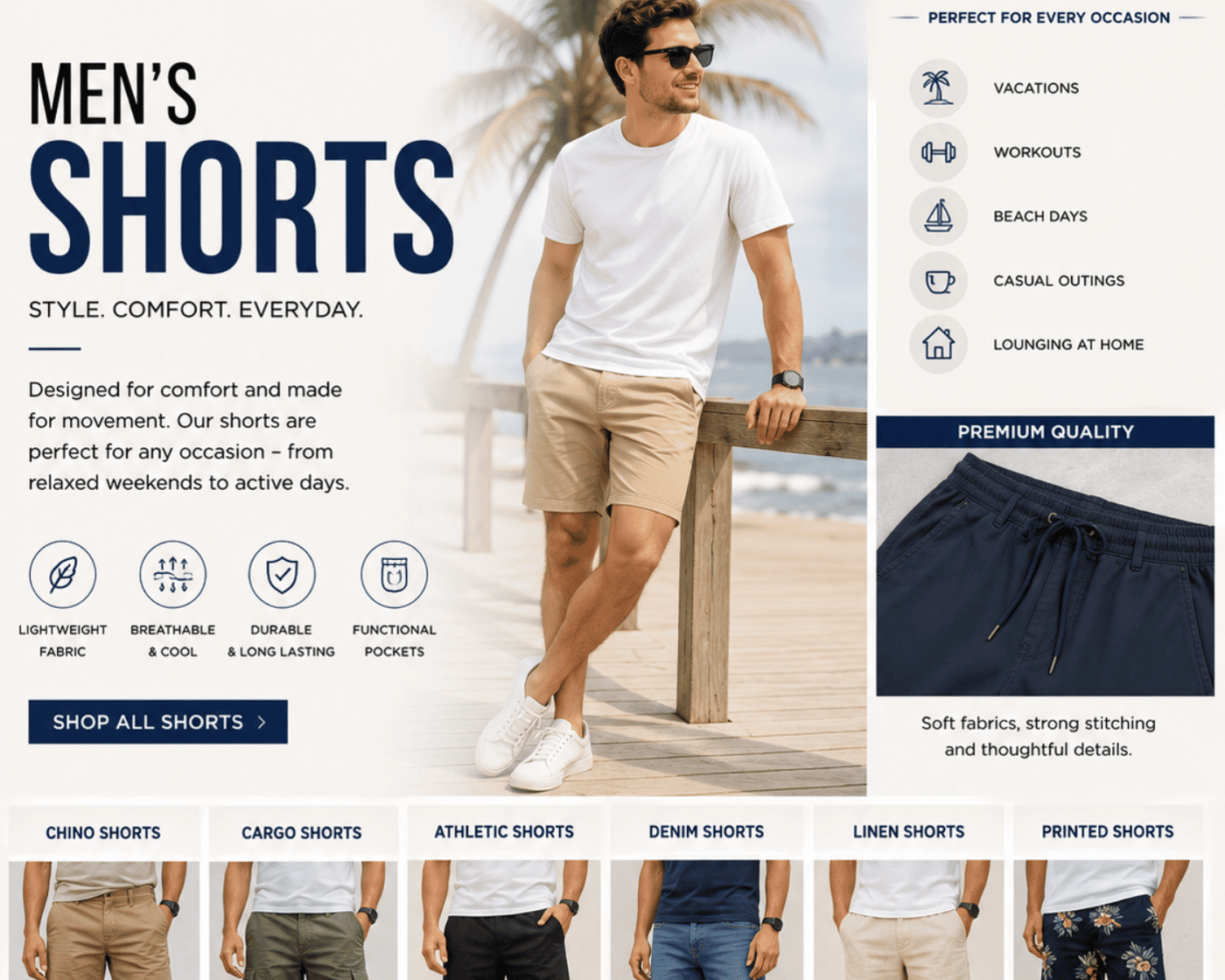
The Problem: I Was Selling What I Thought People Wanted
After a few weeks, I started reaching out to customers and potential buyers.
I sent messages. Read reviews. Asked simple questions:
"What do you actually look for in a pair of shorts?"
The answers surprised me.
Most men between 20 and 40 weren't looking for traditional cargo shorts at all.
They wanted something that could work almost anywhere.
Something comfortable enough for the gym.
Clean enough for casual dinners.
Versatile enough for travel.
The common themes kept showing up:
Athletic fit
7-9 inch inseam
Lightweight materials
Minimal branding
Neutral colors
Functional pockets without bulk
Nobody was asking for giant cargo pockets.
The Pivot
Once the pattern became obvious, I made a decision.
Instead of trying to convince customers they wanted cargo shorts, I'd build what they were already asking for.
I switched manufacturers and redesigned the collection.
The new shorts featured:
Moisture-wicking fabric
Athletic cut
Navy, charcoal, and olive colorways
Cleaner design
A dedicated phone pocket that stays flat
The goal wasn't to create the most fashionable shorts on the market.
The goal was to create the pair someone reaches for three times a week.
We launched the new collection and waited.
This time, the response was completely different.
The Numbers After 3 Months
The business is still small, but the results gave me confidence that we were finally moving in the right direction.
Current metrics:
47% return customer rate
$82 average order value
Most customers buy two pairs
Best seller: our Everyday Hybrid Short
The biggest surprise wasn't the sales.
It was how quickly customer feedback translated into better performance.
What I Learned
The biggest mistake I made wasn't choosing the wrong product.
It was assuming I already knew the market.
As founders, it's easy to believe we're the customer.
Sometimes we are.
Most of the time, we're not.
The turning point came when I stopped guessing and started listening.
Customer conversations taught me more in a few weeks than months of market research.
The lesson was simple:
Comfort beats trends.
Versatility beats hype.
And real customer feedback beats assumptions every time.
Building While Working Full-Time
One thing I don't talk about enough is that I'm running this business completely solo.
Product sourcing, customer support, marketing, inventory management, website updates—everything happens outside my regular working hours.
Some days it's exhausting.
Some days I wonder if it's worth it.
Then an order notification comes in from a returning customer, and it reminds me why I started.
The business isn't huge yet.
But it's growing.
And more importantly, it's growing because we're solving a real customer need.
Final Thoughts
If you're building an ecommerce brand, don't spend months trying to predict what customers want.
Talk to them.
Ask questions.
Watch how they buy.
Listen to their complaints.
The answers are usually much simpler than we think.
For me, the winning formula wasn't revolutionary.
It was simply creating shorts that men genuinely enjoy wearing every day.
Sometimes the best business insights come from admitting you're wrong.
And that's exactly what happened here.
If you're in ecommerce, apparel, or consumer products, I'd love to hear what lessons you've learned from customer discovery.
You can also check out our men's shorts collection here:
-
1
Love that you found comfortable flats that look chic. It's such a pain to find shoes that don't make your feet ache by lunchtime. Have you tested them on a full day of walking, like 10k+ steps?
-
1
I feel this. One thing I've noticed is that the biggest hurdle isn't building the product, it's getting those first few people to care enough to give feedback.
-
1
What's interesting is that the customer interviews didn't just change the product.
They changed what "success" meant.
Cargo shorts failing could have been interpreted as a marketing problem. Instead it turned out to be a customer-definition problem.
Those two paths often produce very different businesses, even when the feedback sounds positive in both cases.
Discover Cute and Comfortable High Heel Baby Shoes
Parents love dressing their little ones in adorable outfits, and the right footwear can make every look even more special. If you're searching for charming and fashionable high heel baby shoes, you'll find plenty of delightful options designed to add a touch of elegance to your baby's wardrobe. These decorative baby shoes combine style, comfort, and cuteness, making them a popular choice for special occasions, memorable photoshoots, and family celebrations.
Designed with babies in mind, modern baby shoes focus on soft materials and lightweight construction while offering eye-catching designs that parents adore. Whether you're preparing for a birthday party, wedding, holiday event, or a professional photo session, stylish baby shoes can help complete the perfect outfit.
Why High Heel Baby Shoes Are So Popular
High heel baby shoes have become a trendy accessory among parents who enjoy dressing their children in fashionable outfits. While these shoes are designed primarily for style rather than walking support, they create a fun and elegant look that is perfect for special occasions.
Many parents choose high heel baby shoes because they resemble fashionable adult footwear while maintaining the comfort and softness required for babies. Their unique designs make them a favorite gift choice for baby showers, birthdays, and newborn celebrations.
Comfort Comes First
Although style is important, comfort remains the top priority when selecting baby footwear. Quality baby shoes are crafted from soft, breathable materials that are gentle on delicate skin. Flexible soles and lightweight fabrics help ensure a comfortable fit while allowing natural movement.
Parents should always choose baby shoes that fit properly and provide enough room for little feet. Soft linings and secure closures contribute to a comfortable wearing experience, helping babies stay happy throughout the day.
3 Comments
Interesting take. I've found that focusing on a niche audience first helps validate the idea before scaling. Did you see the same?
It's tough when you put so much effort into building something and it doesn't take off right away. Have you considered pivoting your marketing approach or targeting a different niche? Sometimes a small shift can make a big difference.
Solid advice. One thing I'd add is to track your time for a week—it's surprising how much gets lost in low-impact tasks.