
Rosie Martin
Learning by building and improving every day.
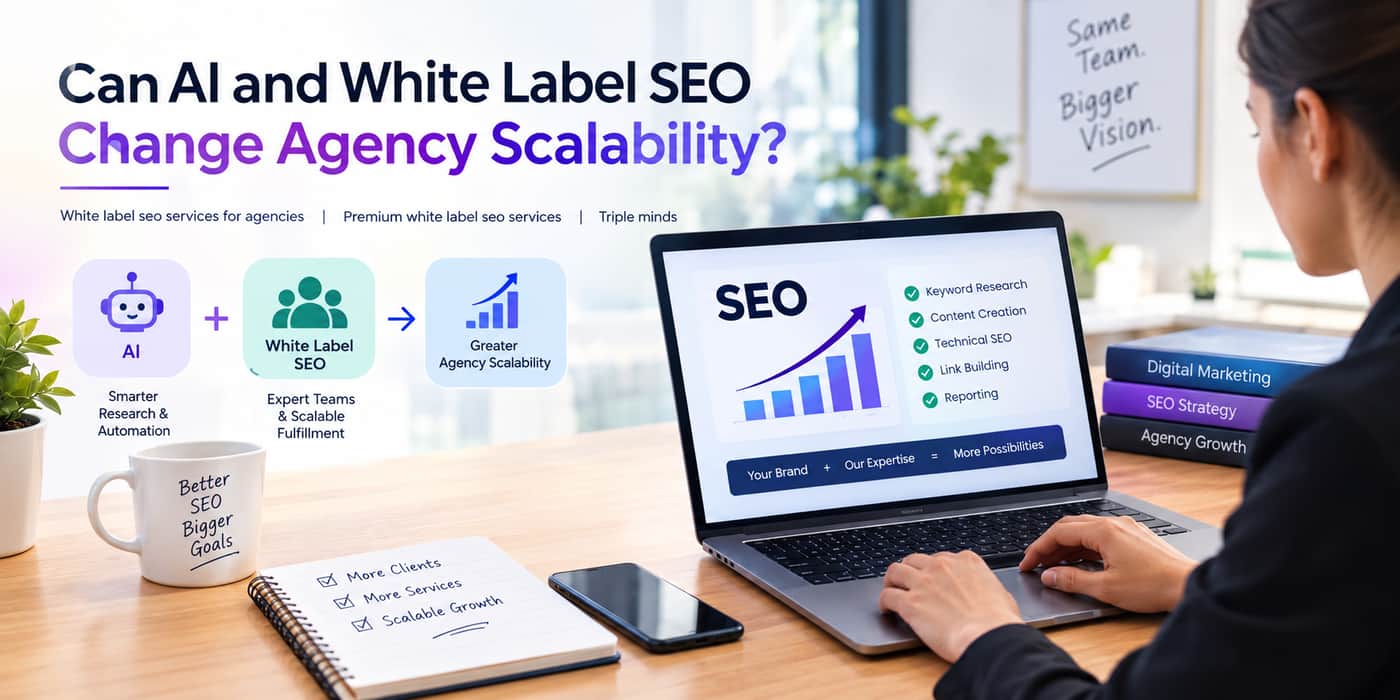
Running a digital agency often means trying to balance two very different sides of the business. On one side, there is sales, client acquisition, and business development. On the other, there is the day-to-day work required to actually deliver what has been promised.
SEO can make that balance even harder. A single client campaign can involve keyword research, technical audits, content, competitor research, link building, reporting, and continuous optimization. As the number of clients increases, the workload can quickly become difficult for a small internal team to manage.
At the same time, artificial intelligence is changing how SEO professionals approach research, content analysis, automation, and reporting. This raises an interesting question: Can AI combined with white-label SEO create a more scalable model for agencies?
What Are White Label SEO Services?
White label SEO services for agencies allow a digital marketing agency to offer SEO to its clients while an external SEO team handles some or all of the fulfillment behind the scenes.
The agency remains responsible for the client relationship, strategy, communication, and branding, while the fulfillment partner works on agreed SEO tasks.
This model can be useful when an agency wants to expand its SEO offering without immediately building a large internal department.
For example, an agency specializing in web design might start receiving requests for SEO. Instead of hiring SEO specialists, content writers, technical experts, and link-building professionals immediately, it can work with a white-label partner to provide those services under its own brand.
Where AI Enters the Picture
AI does not automatically make an SEO operation scalable. It becomes useful when it supports well-defined processes.
Modern SEO teams can use AI-assisted workflows for tasks such as:
Keyword research and clustering
Content topic discovery
Competitor analysis
Content briefs
Technical data analysis
Metadata suggestions
Internal-linking opportunities
Reporting and data summaries
Identifying content gaps
The important distinction is between using AI as a support tool and expecting AI to replace SEO expertise.
Human review is still important because SEO decisions often depend on context, search intent, business goals, competition, and the quality of the information being analyzed.
Why Agencies Struggle to Scale SEO
The biggest challenge is not always getting new clients. It can be fulfilling the work consistently after those clients sign.
Imagine an agency starts with five SEO clients. Its existing team may be able to manage the workload comfortably.
Then the agency signs another ten clients.
Suddenly, the team needs to produce significantly more content, audits, optimization recommendations, reports, and strategy updates. If the agency responds by hiring every time workload increases, operating costs can rise quickly.
This is where a flexible fulfillment model can become useful.
Can White Label SEO Reduce the Capacity Problem?
White-label SEO can give agencies access to additional fulfillment capacity without requiring them to build every role internally.
Instead of maintaining separate specialists for every SEO function, an agency can work with an external team for specific services.
This could include:
Technical SEO
Technical specialists can help identify issues related to crawling, indexing, redirects, structured data, page performance, and site architecture.
Content Production
A white-label team can support keyword mapping, content briefs, writing, editing, and optimization.
Link Building
Agencies can outsource outreach and link acquisition while retaining control over the overall SEO strategy.
Reporting
Branded reports can allow agencies to present campaign progress to clients under their own identity.
This type of arrangement can give an agency more flexibility when client volume changes. Current white-label SEO providers describe similar models in which agencies retain client relationships while fulfillment is handled behind the scenes.
AI and White Label SEO Can Work Together
The more interesting possibility is not AI or white-label SEO.
It is AI plus a structured fulfillment system.
Consider a simplified workflow.
An agency receives a new SEO client.
The SEO team uses AI-assisted tools to organize keyword data and identify content opportunities. A specialist reviews those findings and creates the campaign strategy. The white-label fulfillment team then handles agreed production tasks.
The agency reviews the deliverables before sending them to the client.
In this model, AI helps with efficiency while human specialists remain responsible for decisions and quality control.
Watch: How AI Is Changing Digital Workflows
AI is becoming part of many digital workflows, and understanding how the technology is being applied can help agency owners think more realistically about its role in SEO.
You can explore the topic further in this video:
https://youtu.be/rmKEGhYxLTM?si=tUymVAdHKuIL8WwD
The important takeaway for agencies is that AI should support a repeatable process rather than become a replacement for the process itself.
What Premium White Label SEO Services Should Include
Not every white-label provider offers the same level of support.
Agencies considering premium white label SEO services should look beyond a basic list of deliverables.
Consistent Quality
Client-facing SEO work represents the agency's reputation. Poor-quality content, rushed audits, or generic recommendations can eventually affect client trust.
A good fulfillment process should therefore include quality checks before deliverables reach the agency.
Flexible Capacity
An agency's workload can change from month to month.
A flexible partner should make it possible to increase or reduce the volume of work based on client requirements.
Transparent Reporting
Agencies need enough information to understand what has been completed and why particular recommendations were made.
Clear reporting also makes client communication easier.
Human Oversight
AI can speed up repetitive tasks, but human review remains important.
A useful workflow might look like:
AI assistance → specialist review → optimization → quality control → agency approval
This provides efficiency without removing accountability.
Scalability Is More Than Handling More Clients
It is tempting to define scalability simply as the ability to take on more customers.
But sustainable scalability involves more than client numbers.
An agency also needs to consider:
Delivery costs
Team workload
Turnaround times
Quality control
Client communication
Reporting
Process documentation
Profit margins
Service consistency
If an agency doubles its client count but also doubles its operational problems, it has not necessarily created a better business model.
The objective should be to increase capacity while keeping processes manageable.
How AI Can Improve the White Label Workflow
AI can potentially make several parts of a white-label workflow more efficient.
Faster Research
Large amounts of keyword or competitor data can take considerable time to organize manually. AI-assisted analysis can help teams identify patterns and potential opportunities more quickly.
Content Planning
AI can help generate topic ideas, group related queries, and identify potential content gaps.
However, those suggestions still need to be checked against search intent and the client's actual business objectives.
Reporting Assistance
Monthly SEO reporting can involve collecting and summarizing large amounts of data.
AI can help turn raw information into preliminary summaries, which SEO professionals can then review and refine.
Process Automation
Repetitive tasks are another area where AI and automation can help.
The less time specialists spend on repetitive administrative work, the more time they can dedicate to strategy and quality control.
What AI Cannot Solve by Itself
AI is not a shortcut around good SEO.
It cannot automatically understand every client's business, competitive environment, target audience, or commercial priorities.
There are also risks in relying too heavily on automatically generated content or recommendations.
For example, an AI-generated article might technically include the target keyword but still fail to answer the user's actual question.
Likewise, an AI-generated SEO recommendation may appear reasonable but overlook an important technical limitation on the website.
This is why human expertise remains an important part of a scalable SEO system.
The Agency Still Owns the Client Relationship
One of the main reasons agencies consider white-label services is that they do not necessarily want to give up ownership of the client relationship.
The agency can remain the primary point of contact while the fulfillment partner operates in the background.
This creates a division of responsibilities:
Agency:
Client strategy, communication, positioning, pricing, and relationship management.
White-label partner:
SEO execution, research, content, technical work, reporting support, or other agreed deliverables.
AI tools:
Automation, analysis, research assistance, and workflow support.
When these roles are clearly defined, the model can be easier to manage.
When Should an Agency Consider White Label SEO?
There is no single point at which every agency should adopt white-label SEO.
However, certain situations may indicate that it is worth exploring.
An agency might consider it when:
SEO requests are increasing faster than internal capacity.
Hiring specialist SEO staff is becoming expensive.
Existing employees are overloaded.
The agency wants to introduce SEO as a new service.
Clients are requesting additional SEO capabilities.
The agency needs temporary fulfillment support.
The agency wants to test a new service before building an internal team.
The key is to evaluate whether the model fits the agency's workflow rather than adopting it simply because it is popular.
How Triple Minds Fits Into This Model
Triple Minds is one example of a company positioned around digital solutions and SEO services that agencies can consider when looking at scalable delivery models.
For an agency exploring white-label SEO, the important consideration is not simply the number of services available. It is whether the provider can fit into the agency's existing processes while maintaining consistent quality and communication.
A useful partnership should feel like an extension of the agency's delivery team rather than an entirely separate operation that creates additional management work.
The Future May Be a Hybrid SEO Model
The traditional choice between an entirely in-house SEO team and complete outsourcing may become less important.
A hybrid model can combine:
In-house strategy + AI-assisted workflows + specialist white-label fulfillment
An agency could keep strategic decisions and client relationships internally while using external specialists for production-heavy or highly technical tasks.
This gives agencies more flexibility without requiring them to build every capability from scratch.
Final Thoughts
AI is changing how SEO work is researched, produced, analyzed, and reported. At the same time, white-label fulfillment gives agencies another way to manage increasing client workloads.
Neither approach is a magic solution.
AI still needs human direction, and white-label SEO still requires careful partner selection and quality control.
But when the two are combined thoughtfully, they can create a more flexible delivery structure. Agencies can potentially use AI to make workflows faster while relying on specialist teams to handle the areas that require experience and execution.
Ultimately, scalability is not about doing everything faster. It is about building a system that allows an agency to grow while keeping its service quality, client relationships, and internal workload under control.


The solar industry is expanding rapidly, but growth also brings operational complexity. Solar companies often need to manage leads, quotations, site surveys, procurement, inventory, installation teams, project timelines, payments, and after-sales services at the same time.
When these activities are managed through disconnected spreadsheets and applications, teams can struggle with duplicated data, communication gaps, delayed updates, and limited visibility into projects.
This is where ERP for Solar Industry businesses can make a difference. An integrated ERP system brings important business processes into one centralized environment, helping solar companies coordinate their operations and make better use of their data.
For companies looking for greater control and flexibility, a white-label ERP approach can also provide a customizable foundation that can be adapted to their specific workflows and branding.
What Is ERP for the Solar Industry?
ERP, or Enterprise Resource Planning, is software designed to connect different business functions through a centralized system.
For a solar company, an ERP for solar industry platform can bring together areas such as:
Sales and lead management
Customer relationship management
Project management
Procurement
Inventory management
Installation operations
Workforce management
Accounting and billing
Maintenance and after-sales service
Business reporting
Instead of maintaining separate systems for each department, employees can work with connected information across the organization.
The result can be better coordination, improved visibility, and more efficient workflows.
8 Ways ERP for the Solar Industry Can Streamline Business Operations
1. Centralizes Solar Sales and Lead Management
Managing leads effectively is important for solar companies because a potential customer may go through several stages before becoming a client.
An ERP system can help teams organize lead information, track follow-ups, manage customer communication, create quotations, and monitor sales progress.
Sales teams can also have better visibility into customer requirements and previous interactions. This reduces the need to search through multiple spreadsheets, emails, or disconnected applications.
A centralized system can make it easier to move leads from initial inquiry to quotation and eventually to project execution.
2. Improves Solar Project Management
Solar projects involve multiple activities that must happen in the right sequence.
After a customer approves a project, teams may need to conduct site assessments, prepare designs, arrange materials, schedule installation, assign workers, and track completion.
ERP software can provide a centralized view of these activities.
Project managers can monitor:
Project status
Milestones
Assigned employees
Required materials
Installation schedules
Project costs
Deadlines
Customer information
Having this information in one system can make project coordination easier and help managers identify potential delays earlier.
3. Makes Procurement and Inventory Management More Efficient
Solar companies depend on equipment and components such as panels, inverters, mounting structures, cables, batteries, and other installation materials.
Poor inventory management can result in unnecessary purchases, shortages, or project delays.
An ERP system can connect procurement and inventory activities. Businesses can monitor stock levels, track purchases, manage suppliers, and determine which materials are being allocated to particular projects.
This can help companies maintain appropriate inventory levels while reducing unnecessary manual work.
4. Helps Coordinate Installation Teams
Solar installation requires coordination between project managers, technicians, contractors, and other field employees.
An integrated ERP platform can help businesses organize workforce assignments and installation schedules.
Managers may be able to view:
Available technicians
Assigned projects
Installation dates
Task status
Workforce requirements
Project locations
Completed work
Better coordination can reduce scheduling conflicts and help companies use their field workforce more effectively.
5. Connects Financial Operations With Projects
Financial management becomes increasingly complex as a solar company takes on more projects.
Businesses need to track quotations, invoices, payments, expenses, project costs, and profitability.
By connecting financial information with operational data, ERP software can give management a clearer picture of project performance.
For example, managers can compare project expenses against expected revenue and identify areas where costs are increasing.
This type of visibility can support more informed financial decisions.
6. Simplifies After-Sales Service and Maintenance
The relationship with a customer does not necessarily end after solar installation.
Solar systems may require inspections, maintenance, repairs, upgrades, and ongoing support.
ERP software can help companies maintain service records and track customer requests after installation.
A centralized system can provide information about:
Installation history
Equipment details
Service requests
Maintenance schedules
Technician assignments
Warranty information
Customer communication
This can help businesses build stronger long-term customer relationships while making service operations more organized.
7. Provides Better Business Reporting and Decision-Making
Solar companies generate significant amounts of operational data.
Without centralized reporting, management may find it difficult to understand which projects are profitable, which products are moving quickly, or where operational bottlenecks exist.
ERP systems can bring data from multiple departments into dashboards and reports.
Businesses can analyze areas such as:
Sales performance
Project progress
Inventory levels
Procurement expenses
Workforce productivity
Revenue
Customer service
Project profitability
Better access to business information allows decision-makers to move beyond assumptions and use data to guide operational improvements.
8. Supports Business Growth and Scalability
A growing solar company typically adds more customers, employees, projects, suppliers, and inventory.
Processes that work for a small business may become difficult to manage as operations expand.
This is one reason companies may consider a white label ERP for solar companies. Instead of creating an ERP platform entirely from scratch, businesses can start with an existing foundation and customize it according to their processes, branding, and operational requirements.
A scalable ERP solution can help businesses add users, modules, integrations, and workflows as their requirements evolve.
Why Consider a White Label ERP Solution?
A white-label ERP approach can be useful for businesses that want a branded and customizable business management platform without starting the entire development process from zero.
A suitable solution may allow businesses to customize:
Branding
User interface
Business workflows
Modules
User roles
Integrations
Reporting
Customer-facing elements
However, businesses should evaluate customization capabilities carefully before selecting a provider.
The objective should not simply be to obtain an ERP system quickly. The solution should be capable of supporting the company's actual solar business processes.
What Should Solar Companies Look for in an ERP?
Before choosing an ERP platform, businesses should consider several factors.
Industry-Relevant Functionality
The system should support the workflows that are important to solar businesses, including project management, inventory, procurement, installation, sales, and service management.
Scalability
The platform should be capable of handling increasing users, customers, projects, and transactions.
Integration Capabilities
Integration with accounting software, payment gateways, CRM systems, communication tools, and other business applications can reduce data duplication.
Security
Because ERP platforms store important business and customer information, security, access controls, authentication, and data protection should be carefully evaluated.
Customization
Businesses should determine whether they can modify workflows and features as their operational requirements change.
Support and Maintenance
ERP implementation is an ongoing process. Technical support, updates, maintenance, and troubleshooting can be important factors when selecting a development partner.
How White Label Digital Solutions Fit Into Business Growth
The concept of white label digital marketing demonstrates a similar business principle: companies can use established solutions and services under their own brand instead of building every capability internally.
The same general approach can apply to business software. A white-label ERP solution can provide a foundation that organizations customize around their operational requirements.
For technology providers and businesses entering specialized markets, this can create opportunities to launch branded solutions while focusing internal resources on customers, operations, and growth.
Choosing the Right ERP Development Partner
Selecting a technology partner requires more than comparing development costs.
Businesses should examine the provider's technical expertise, customization capabilities, scalability approach, security practices, integration experience, and post-launch support.
For example, Triple Minds offers white-label software solutions that can be considered by businesses looking to develop customized platforms for specialized industries.
Before moving forward, companies should clearly define their requirements and discuss them with potential providers. A detailed requirements document can help determine which modules are necessary for the initial implementation and which features can be introduced later.
Final Thoughts
Solar companies have to coordinate many interconnected processes, from acquiring customers and managing projects to procuring equipment, organizing installations, handling finances, and providing after-sales support.
Implementing ERP for Solar Industry operations can bring these activities into a centralized system and provide businesses with better visibility across their operations.
For companies seeking greater flexibility, a white-label approach can provide a customizable foundation that can be adapted to specific workflows and business requirements.
The most effective ERP strategy is not necessarily the one with the largest number of features. It is the one that connects the processes that matter most to the business, supports employees, provides useful data, and remains flexible enough to grow with the organization.
Growing a business online often starts with one important challenge: getting your website in front of the right audience. While many businesses focus on high-volume keywords, ranking for broad and highly competitive terms can be difficult, especially for a new or growing website.
A smarter approach is to identify low-competition keywords that have realistic ranking potential and closely match what your target customers are searching for. These keywords may have lower search volumes, but they can attract highly relevant visitors and generate better opportunities for leads, sales, and long-term growth.
In this guide, we’ll explore practical ways to find low-competition keywords, evaluate their potential, and turn them into an effective SEO strategy.
What Are Low-Competition Keywords?
Low-competition keywords are search terms that are relatively easier to rank for compared with highly competitive keywords. They usually have fewer authoritative websites competing for the same search query.
For example, ranking for “digital marketing” may be extremely challenging because established agencies, publications, and large companies compete for it. A more specific phrase such as “digital marketing agency for local restaurants” may have fewer competing pages and a much clearer search intent.
Low competition does not necessarily mean low value. In fact, specific keywords can often bring visitors who are further along in the buying journey.
Why Should Growing Businesses Target Low-Competition Keywords?
For a growing business, SEO is usually a long-term investment. Trying to compete immediately for extremely difficult keywords can consume considerable time and resources without producing meaningful results.
Low-competition keywords offer several advantages:
1. Easier Ranking Opportunities
Specific keywords generally have fewer competing pages. With quality content, proper optimization, and relevant backlinks, a growing website may have a better chance of achieving visibility.
2. More Targeted Traffic
Someone searching for a specific solution often knows what they need. For instance, a person searching for “affordable accounting software for freelancers” has a much clearer requirement than someone searching for “accounting software.”
3. Better Conversion Potential
Specific searches often indicate stronger intent. When your content directly answers the searcher's question or solves their problem, visitors are more likely to take action.
4. Builds Topical Authority
Creating content around related low-competition keywords helps establish your website as a useful resource within a particular subject area. Over time, this can support rankings for more competitive terms as well.
How to Find Low-Competition Keywords
Finding useful keywords doesn't require guessing. You can use a combination of customer research, search engines, SEO tools, and competitor analysis.
1. Start With Your Customers
Before opening an SEO tool, think about the questions your customers regularly ask.
Consider:
What problems do customers want to solve?
What products or services are they comparing?
What questions do they ask before purchasing?
What terminology do they use?
What concerns prevent them from making a decision?
For example, a web design company might begin with “website design” but discover more specific customer searches such as “website design for small law firms” or “how much does a small business website cost?”
These specific phrases can become valuable keyword opportunities.
2. Use Google's Autocomplete Suggestions
Google itself can be an excellent source of keyword ideas.
Start typing a broad topic into Google and examine the suggested searches. You can also look at the “People also ask” section and related searches appearing toward the bottom of the results page.
These suggestions reflect real search behavior and can help you discover questions and variations that may not appear in your initial keyword list.
3. Look for Long-Tail Keywords
Long-tail keywords are longer and more specific search phrases. They usually have lower search volume than broad keywords but can be highly relevant to a particular audience.
For example:
“SEO” → broad keyword
“SEO for small businesses” → more specific
“SEO strategy for small eCommerce businesses” → long-tail keyword
If you're researching long tail keyword examples, focus on phrases that describe a specific problem, audience, product, location, or intent.
Long-tail keywords can be particularly useful for growing businesses because they allow you to create content for smaller but more relevant search audiences.
4. Analyze Keyword Difficulty
SEO platforms provide keyword difficulty or competition metrics that can help you estimate how challenging a query may be.
However, don't rely on a single score.
A keyword with a low difficulty score isn't automatically a good target. Check:
Search intent
Search volume
Ranking websites
Content quality
Domain authority of competitors
Backlink profiles
Relevance to your business
The goal is to find keywords where relevance and ranking opportunity overlap.
5. Study the First Page of Google
One of the most useful ways to evaluate a keyword is to manually inspect its search results.
Search your target keyword and examine the pages ranking on the first page.
Ask:
Are the results dominated by huge brands?
Are there small or newer websites ranking?
Do the existing articles fully answer the query?
Is the content outdated?
Are there gaps that your business could address?
Does the search intent match the content you want to create?
If the first page contains several relatively small websites with average content, that may indicate an opportunity.
On the other hand, if every result comes from highly authoritative websites with thousands of backlinks, the keyword may require considerably more effort.
6. Use Competitor Websites for Keyword Ideas
Your competitors can reveal valuable opportunities.
Identify businesses that target a similar audience and examine the topics they cover. Look for pages that receive organic traffic but target specific, less competitive queries.
You don't need to copy their content. Instead, use competitor research to discover gaps in your own keyword strategy.
You may find:
Frequently asked questions
Comparison topics
Product-specific searches
Industry-specific problems
Location-based searches
Informational queries
These ideas can then be evaluated based on relevance and competition.
7. Focus on Search Intent
Search intent is one of the most important factors in keyword research.
A keyword can have low competition but still be useless if the searcher's intent doesn't match your business.
Common search intents include:
Informational:
The user wants to learn something.
Example: “how to improve website speed”
Commercial:
The user is researching products or services.
Example: “best CRM for small businesses”
Transactional:
The user is ready to take action.
Example: “buy accounting software for freelancers”
Navigational:
The user is looking for a specific website or brand.
Understanding intent helps you choose keywords that are not only easier to rank for but also capable of supporting business goals.
How to Find Long-Tail Keywords for Your Strategy
If you're wondering how to find long tail keywords, start by expanding your core topics into questions, problems, and specific use cases.
For example, if your main topic is “email marketing,” you could explore:
How to start email marketing for a small business
Best email marketing strategy for beginners
How to build an email list without a website
Email marketing ideas for local businesses
How often should small businesses send marketing emails?
You can find these variations through Google suggestions, “People also ask,” competitor research, keyword tools, forums, customer conversations, and social media discussions.
The best long-tail keywords are not simply long phrases. They should represent a genuine search need that your business can answer better than existing content.
Create Content Around Keyword Clusters
Don't create a separate article for every tiny keyword variation.
Instead, group closely related keywords into topic clusters.
For example, a business selling accounting software could create a comprehensive guide targeting a primary keyword such as “accounting software for freelancers” and naturally address related queries about pricing, features, invoicing, taxes, and integrations.
This approach creates stronger, more useful content while allowing one page to potentially rank for multiple related searches.
Track Results and Improve Your Strategy
Keyword research shouldn't be a one-time task.
After publishing your content, monitor:
Keyword rankings
Organic traffic
Click-through rates
Engagement
Conversions
Leads or sales
Some pages may begin ranking for unexpected keywords. Those terms can provide additional content ideas.
You can also update existing pages when you discover new search queries or when competitors publish stronger content.
SEO becomes more effective when keyword research, content creation, measurement, and optimization work together.
Common Mistakes to Avoid
Growing businesses should avoid several common keyword research mistakes.
Targeting only high-volume keywords: High volume doesn't guarantee conversions.
Ignoring search intent: A page can rank but still fail to satisfy visitors.
Choosing keywords solely by difficulty score: Metrics are useful, but manual SERP analysis matters too.
Keyword stuffing: Repeating a phrase unnaturally can damage readability and provide little SEO value.
Creating thin content: Low-competition doesn't mean low-quality. Your content still needs to be genuinely useful.
Ignoring existing content: Sometimes improving an existing page is more effective than publishing something completely new.
Final Thoughts
Finding low-competition keywords is less about discovering keywords that nobody else has found and more about identifying specific search opportunities that competitors aren't serving effectively.
For a growing business, the strongest strategy is to begin with highly relevant, specific queries, understand the intent behind them, create genuinely useful content, and continuously measure the results.
Over time, successful low-competition keywords can help generate organic traffic, establish topical authority, attract qualified prospects, and create a foundation for competing for broader search terms. The key is to focus on relevance and value first, search volume second.
FAQs
1. What are low-competition keywords?
Low-competition keywords are search terms with relatively fewer or weaker competing pages. They can provide growing websites with more realistic opportunities to achieve search visibility.
2. Are low-competition keywords worth targeting?
Yes. Although they may have lower search volume, they can attract highly targeted visitors and may provide stronger conversion opportunities than broad keywords.
3. How can I identify a low-competition keyword?
Look at keyword difficulty metrics, search volume, search intent, the authority of ranking websites, backlink profiles, and the quality of existing content. Reviewing the first page of Google manually is also important.
4. What are long-tail keywords?
Long-tail keywords are specific search phrases, often containing several words. They typically target a narrower search intent and can be easier to rank for than broad keywords.
5. How many keywords should I target in one article?
There is no fixed number. Focus on one primary topic and naturally cover closely related terms and questions. The priority should be satisfying search intent rather than reaching a particular keyword count.

For digital marketing agencies, growth is not only about acquiring more clients. It is also about increasing revenue from existing accounts, expanding service offerings, and delivering quality work without continuously increasing internal costs.
This is where white label local SEO services can make a difference.
Instead of building a complete local SEO team internally, agencies can partner with an experienced provider to handle fulfillment while they focus on sales, strategy, and client relationships. This model can make it easier to add SEO to an agency's portfolio and create recurring revenue.
The opportunity becomes even greater when local SEO is combined with broader offerings such as content marketing, technical SEO, paid advertising, and enterprise SEO services.
What Are White Label Local SEO Services?
White label local SEO services allow agencies to offer local search optimization to their clients under their own brand while another SEO provider handles the fulfillment.
The client interacts with the agency. The agency manages communication, strategy, and billing, while the white-label partner works behind the scenes.
Depending on the provider, fulfillment can include:
Local keyword research
Google Business Profile optimization
Citation management
Local content
On-page SEO
Local link building
Review optimization
Local rank tracking
SEO reporting
For agencies, this means they can introduce local SEO without hiring a large internal team or developing every process from scratch.
Why Local SEO Creates a Strong Revenue Opportunity
Local businesses constantly need visibility in search.
A restaurant wants to appear when someone searches for restaurants nearby. A law firm wants potential clients in its service area to find its website. A home services company needs visibility for searches related to its city and surrounding locations.
This creates an ongoing need for local SEO.
Unlike a one-time website project, SEO is usually delivered as a recurring service. Agencies can therefore turn local SEO into monthly retainers rather than relying entirely on one-off projects.
For example, a web design agency might initially build a website for a local business. After the website launches, the agency can offer local SEO as an additional monthly service.
That creates another source of recurring revenue from the same client.
1. Add a New Service Without Building a New Team
Hiring an internal SEO department can require considerable investment.
An agency may need SEO strategists, content specialists, link-building professionals, technical SEO experts, analysts, and account managers.
A white-label partnership can reduce this initial burden.
The agency can use an established fulfillment process instead of starting from zero.
This allows the agency to focus its resources on activities that directly contribute to growth, such as:
Lead generation
Sales
Client relationships
Business development
Brand building
The result can be a more efficient way to expand the service portfolio.
2. Increase Revenue From Existing Clients
One of the easiest ways for an agency to increase revenue is to sell additional services to existing customers.
Suppose an agency provides website development for 20 local businesses.
Instead of considering each project complete after the website launches, the agency can introduce an ongoing local SEO package.
The agency could offer:
Website Development + Local SEO
or
Web Design + SEO + Reputation Management
This approach increases the potential value of each client without requiring the agency to acquire a completely new customer.
The more services an agency can provide successfully, the greater the opportunity to increase client lifetime value.
3. Create Recurring Revenue
Recurring revenue is particularly valuable for agencies.
Project-based services can create unpredictable monthly income. SEO retainers, on the other hand, can provide a more consistent revenue stream.
An agency could structure its white-label local SEO services into monthly packages.
For example:
Local SEO Starter
Keyword research
Google Business Profile optimization
Citation management
Monthly reporting
Local SEO Growth
Everything in Starter
Local content
On-page optimization
Local link building
Review strategy
Local SEO Premium
Everything in Growth
Multi-location optimization
Advanced reporting
Competitor analysis
Technical SEO support
The exact pricing can vary depending on the market, services, competition, and fulfillment costs.
The important point is that agencies can package SEO as an ongoing service instead of a one-time deliverable.
4. Improve Profit Margins Through Efficient Fulfillment
Revenue alone does not determine whether an agency is successful.
The cost of delivering the service matters too.
Building an internal team means paying salaries, software subscriptions, training costs, management expenses, and other operational costs.
With a white-label model, the agency pays a fulfillment partner for the agreed services.
This can make the cost structure more predictable.
The agency can then determine its own pricing based on its target market and business model.
For example, an agency may purchase fulfillment at a partner rate and package the service with account management, strategy, reporting, and other services.
The difference between the client's package price and fulfillment costs contributes to the agency's gross margin, before accounting for its other operating expenses.
5. Serve More Clients Without Increasing Workload at the Same Rate
Agency growth can create a common problem.
More clients mean more work.
If every new client requires additional employees, growth can become difficult to manage.
White-label fulfillment can help agencies handle additional client accounts without increasing internal headcount at the same pace.
This is especially useful for agencies that have strong sales teams but limited fulfillment capacity.
Instead of turning away SEO opportunities because the internal team is full, the agency can use a trusted partner to support delivery.
6. Expand From Local SEO to Broader SEO Services
Local SEO can also become an entry point for a larger SEO relationship.
A client may initially need help with local search visibility. As the business grows, its SEO requirements may become more complex.
For example, a company operating across multiple cities may need:
Multi-location SEO
Technical SEO
Content strategy
International SEO
Website migration support
SEO analytics
This creates opportunities for agencies to expand the relationship over time.
Rather than selling one isolated service, the agency can develop a broader SEO roadmap based on the client's growth.

7. Build Packages Around Business Needs
Another advantage of white-label fulfillment is flexibility.
Agencies do not necessarily need to sell SEO as a standalone product.
They can build packages around specific customer needs.
For example, a real estate agency might receive:
Real Estate Growth Package
Website optimization
Local SEO
Location pages
Google Business Profile optimization
Content creation
Lead tracking
A home services company could receive:
Local Visibility Package
Local SEO
Citation management
Review support
Service-area pages
Local content
Monthly reporting
This makes the service easier to sell because the agency is presenting a business solution rather than simply selling a list of SEO tasks.
8. Improve Client Retention
Client retention is another important part of agency revenue.
When an agency provides only one service, clients may have fewer reasons to continue the relationship.
Adding recurring SEO services creates more ongoing interaction.
Monthly reports, strategy meetings, ranking updates, content planning, and optimization work give the agency opportunities to demonstrate continuous value.
However, retention should never depend on simply generating reports.
Agencies should connect SEO activities with meaningful business outcomes such as qualified traffic, visibility, leads, calls, and conversions whenever reliable data is available.
9. Use Reporting to Demonstrate Value
Clients want to understand where their money is going.
A strong reporting process can make white-label local SEO easier to manage and sell.
Reports can include:
Keyword rankings
Local visibility
Organic traffic
Google Business Profile activity
Leads
Conversions
Completed SEO activities
Competitor comparisons
White-label reporting can also allow agencies to present this information using their own branding.
That helps create a consistent client experience.
The agency should still review reports before sending them to customers. White-label fulfillment should support the agency's brand, not replace its responsibility for client communication.
10. Build a Scalable Agency Model
The biggest revenue opportunity may come from combining several advantages rather than relying on one.
An agency can acquire a client, sell a website project, introduce local SEO, add content, expand into technical SEO, and eventually offer broader enterprise SEO services as the client's needs grow.
This creates multiple revenue opportunities from a single relationship.
For example:
Stage 1: Website development
↓
Stage 2: Local SEO
↓
Stage 3: Content marketing
↓
Stage 4: Technical SEO
↓
Stage 5: Enterprise SEO
Not every client will follow this path, but the model demonstrates how an agency can expand its relationship as a customer's needs evolve.
What Should Agencies Look for in a White Label SEO Partner?
Choosing the right provider is important because the partner's work ultimately affects the agency's reputation.
Before starting a partnership, agencies should evaluate:
Service Quality
Ask what services are included and how the provider handles quality control.
Experience
Look for experience with local businesses, different industries, and multiple geographic markets.
Reporting
Request a sample report before signing an agreement.
Communication
Understand how quickly the provider responds to questions and how project updates are handled.
Scalability
Make sure the provider can support additional accounts as the agency grows.
Pricing
Compare fulfillment costs with the actual services included rather than choosing solely based on the lowest price.
Transparency
Avoid providers that promise guaranteed Google rankings. SEO performance depends on many factors outside an agency's direct control.
The Role of Triple Minds in an Agency's Growth Strategy
Agencies looking to expand their digital service offerings can also work with specialized teams such as Triple Minds for SEO and digital marketing requirements.
The important consideration is not simply outsourcing the work. Agencies should establish a clear process for client onboarding, strategy, fulfillment, quality control, reporting, and communication.
A structured approach makes it easier to maintain consistency as the number of clients increases.

How to Make White Label SEO More Profitable
Simply outsourcing SEO does not automatically create higher revenue.
Agencies need to build the right commercial model around the service.
Start by identifying the type of businesses you want to serve.
Then create clear packages based on their needs.
Next, determine your fulfillment costs and establish pricing that leaves enough room for account management, sales, marketing, and operational expenses.
Finally, create a repeatable sales and onboarding process.
The goal is to make every new SEO client easier to onboard and manage than the previous one.
Final Thoughts
White label local SEO services can give agencies a practical way to expand their offerings, create recurring revenue, and serve more clients without immediately building a large internal SEO department.
The real opportunity comes from treating local SEO as part of a larger agency growth strategy.
An agency can use local SEO to increase the value of existing clients, introduce monthly retainers, improve retention, and eventually expand customers into broader SEO solutions.
As clients grow, their requirements may move beyond local search into content, technical optimization, multi-location campaigns, and enterprise SEO services.
With the right fulfillment partner, clear packages, transparent reporting, and strong quality control, agencies can turn SEO from an additional service into a scalable revenue channel.
The objective is not simply to sell more SEO. It is to build a service model that allows the agency to acquire, retain, and grow client relationships more profitably over time.
Digital transformation is no longer just about moving paperwork to the cloud or replacing an old software system. For businesses in 2026, it is about changing how technology supports everyday work, customer experiences, decision-making, and long-term growth.
The challenge is that many companies approach transformation one project at a time. They buy a CRM, launch a mobile app, move some workloads to the cloud, or experiment with artificial intelligence. Each initiative may make sense on its own, but without a clear strategy, businesses can end up with disconnected systems, duplicated data, and technology that creates more work instead of less.
A successful digital transformation strategy takes a different approach. It looks at the business as a whole and determines where technology can solve real problems, improve efficiency, and create new opportunities.
Start With Business Problems, Not Technology
One of the most common mistakes companies make is starting with a technology trend.
Artificial intelligence is popular, so they want AI. Cloud computing is growing, so they want to migrate everything to the cloud. Competitors have an app, so they decide they need one too.
The better question is: What problem are we actually trying to solve?
A company struggling with slow order processing may need workflow automation. A business dealing with disconnected departments may need better enterprise software integration. A retailer with poor customer engagement may benefit from a stronger digital and mobile experience.
Once the business problem is clear, it becomes much easier to select the right technology.
This approach also prevents companies from spending money on tools that look impressive but have little impact on their actual operations.
Evaluate Your Existing Technology Infrastructure
Before investing in new systems, businesses should understand what they already have.
Many organizations operate with a mixture of modern cloud platforms, older applications, spreadsheets, third-party tools, and manually maintained databases. Some systems may be critical to daily operations even though they are outdated.
A technology assessment can reveal where the biggest problems exist. Businesses should examine application performance, data flow, security, integrations, scalability, user experience, and maintenance costs.
The goal isn't necessarily to replace everything. In many cases, existing systems can be improved or integrated with newer platforms.
A clear technology assessment gives decision-makers a realistic starting point and helps prioritize investments based on business impact.
Build Custom Software Around Your Business Needs
Off-the-shelf software can be an excellent solution for common business requirements, but it doesn't always fit unique processes. Growing organizations often discover that they are changing their workflows to accommodate software rather than using software to support the way they actually operate.
This is where custom software development can become valuable. Working with an experienced custom software development company allows businesses to build tailored applications around specific processes, users, integrations, and business objectives rather than adapting their operations to the limitations of generic software.
For example, a logistics company may need a platform that combines shipment management, driver tracking, customer communication, and reporting. Instead of forcing several disconnected tools to work together, a custom solution can bring those processes into a unified environment.
The key is not to build custom software simply for the sake of customization. It should solve a clear business problem and provide value that existing solutions cannot deliver efficiently.
Modernize Enterprise Operations
As businesses grow, their technology requirements become more complex. Departments often use different systems for finance, sales, HR, inventory, customer service, and operations.
When these systems don't communicate properly, data becomes fragmented, and employees spend time manually transferring information.
Enterprise software can bring these processes together and create a more connected operating environment. Modern enterprise platforms can integrate business functions, automate workflows, provide real-time reporting, and improve visibility across departments.
For organizations dealing with complex operations, working with an experienced enterprise software development company can help create scalable solutions that connect critical business processes while supporting future growth.
The objective should be more than simply digitizing existing processes. Businesses should look for opportunities to remove unnecessary steps and create more efficient workflows.
Don't Ignore the Web Experience
A company's website is often the first interaction a potential customer has with the business. Yet some organizations still treat their website as a brochure that only needs occasional updates. In 2026, that approach can hold a business back.
Modern websites need to be fast, responsive, accessible, secure, and easy to navigate. They also need to integrate with other business systems such as CRM platforms, analytics tools, customer portals, payment systems, and marketing automation platforms. Working with an experienced web development company can help businesses build digital platforms that are designed around both customer expectations and broader business objectives.
For businesses selling products or services online, the website may effectively function as part of the sales and customer service infrastructure.
A strong digital transformation strategy should therefore consider the website as an active business platform rather than simply a marketing asset.
Give Employees the Tools to Work Anywhere
The modern workforce is increasingly distributed. Employees may work from offices, homes, client locations, warehouses, retail stores, or while traveling.
Mobile technology allows businesses to extend important processes beyond the desktop. A sales representative can update a customer record immediately after a meeting. A field technician can access service information and update a work order from a customer's location. A manager can approve an expense without waiting to return to the office.
A well-designed mobile application can remove these small delays that accumulate across an organization. Businesses can work with an experienced mobile app development company to create applications tailored to their workflows, integrate them with existing business systems, and provide employees with secure access to important information wherever they work.
Mobile transformation is particularly useful when employees need real-time access to business information while working outside traditional office environments.
Introduce AI Where It Creates Real Value
Artificial intelligence deserves a place in modern digital transformation strategies, but businesses should avoid treating it as a magic solution.
The best AI implementations usually begin with practical use cases. Companies can use AI to automate repetitive customer support tasks, analyze large datasets, forecast demand, personalize customer experiences, identify unusual activity, assist employees, and improve decision-making. Working with an experienced AI ML development company can help businesses identify suitable use cases and develop AI solutions that align with their existing systems, data, and operational goals.
For example, an organization could use AI to analyze historical sales data and identify patterns that may help managers make better inventory decisions. A customer service team could use an AI assistant to summarize previous interactions before responding to a customer.
The important thing is to connect AI with measurable business outcomes. Before implementing an AI solution, businesses should ask what process it will improve, what data it requires, how success will be measured, and what level of human oversight is necessary.
Connect Your Systems Instead of Creating More Silos
Digital transformation can actually make technology problems worse when businesses keep adding disconnected tools.
Imagine a company where the CRM has one version of customer information, the billing platform has another, and the mobile application maintains a third. Employees may spend considerable time checking which system contains the correct information.
Integration solves this problem.
APIs, cloud services, middleware, and modern application architectures can allow different systems to exchange information securely. When systems work together, businesses gain a more complete view of operations and reduce repetitive data entry.
Integration should therefore be considered from the beginning of a transformation project rather than added as an afterthought.
Make Security Part of the Strategy
More connected systems also mean more potential security risks.
Digital transformation expands the number of applications, devices, users, APIs, and data sources that businesses need to protect. Security cannot simply be added after implementation.
Organizations should consider authentication, authorization, encryption, access controls, monitoring, backups, vulnerability management, and data protection throughout the development process.
Employee access should also be based on actual responsibilities. Not everyone needs access to every system or piece of information.
A secure transformation strategy protects the business while allowing employees to use technology efficiently.
Create a Roadmap Instead of Trying to Do Everything at Once
Digital transformation doesn't have to happen overnight.
In fact, trying to transform every department simultaneously can create unnecessary disruption. A phased approach is often more practical.
Businesses can start by identifying high-impact areas, implementing a focused solution, measuring the results, and then expanding the strategy.
For example, a company might begin by modernizing its customer service process. Once that system is stable, it could connect CRM data with sales operations and later introduce AI-powered analytics.
This approach makes transformation easier to manage and provides measurable evidence that technology investments are producing results.
Measure Business Outcomes
Technology implementation should never be the final goal.
A successful transformation should produce measurable improvements. Depending on the project, businesses might track operational costs, processing time, customer satisfaction, employee productivity, conversion rates, system performance, or revenue growth.
These measurements help organizations determine whether an initiative is actually delivering value.
They also make it easier to decide which projects should receive additional investment and which ones need to be reconsidered.
The Road Ahead for Digital Transformation
Digital transformation in 2026 is becoming less about adopting individual technologies and more about building connected, adaptable businesses.
Companies that combine modern enterprise systems, custom applications, web platforms, mobile experiences, cloud infrastructure, and AI can create a technology ecosystem that supports both employees and customers.
But technology alone doesn't create transformation. Successful businesses align technology decisions with their people, processes, and strategic goals.
The companies most likely to benefit are not necessarily those with the largest technology budgets. They are the ones that understand their problems clearly, prioritize intelligently, and implement technology with a measurable purpose.
Conclusion
Building a complete digital transformation strategy requires a long-term view. Businesses need to understand where they are today, identify the biggest operational challenges, and create a practical roadmap for moving forward.
Custom applications can address unique business requirements. Enterprise software can connect complex operations. Modern web and mobile experiences can improve customer and employee interactions, while AI can introduce new levels of automation and intelligence.
The most important step is to avoid treating these technologies as isolated projects. When they are planned as connected parts of a broader digital strategy, technology can become a genuine business advantage rather than another collection of tools.
In 2026, digital transformation is no longer simply about becoming more digital. It is about becoming more connected, more efficient, more intelligent, and better prepared for what comes next.
-
1Love it!long story


Pest problems can affect homes and businesses at any time of year. In Flagstaff, changing temperatures and the surrounding natural environment can create opportunities for insects, rodents, spiders, and other unwanted pests to enter buildings. A small issue can become a larger infestation when pests find reliable sources of food, water, and shelter.
Professional pest management focuses on more than removing visible pests. A qualified Flagstaff Exterminator AZ can help identify the source of an infestation, determine the most appropriate treatment approach, and recommend preventive measures that reduce the chance of recurring problems. For homeowners and businesses, taking action early can protect property, improve comfort, and reduce potential health and repair concerns.
Common Pest Problems in Flagstaff
Flagstaff properties can encounter a variety of pests depending on the season, location, and surrounding conditions. Ants, spiders, rodents, termites, cockroaches, wasps, and other insects may enter buildings while searching for food, moisture, or shelter.
Different pests behave differently and require different control strategies. Identifying the species is therefore an important first step in addressing an infestation.
Signs such as droppings, nests, damaged materials, unusual odors, or repeated sightings can indicate that a pest population has become established.
Why Early Pest Detection Matters
Ignoring a small pest problem can allow it to grow. Many insects reproduce quickly, while rodents can establish nesting areas in attics, walls, garages, and other hidden spaces.
Early detection gives property owners an opportunity to address the problem before it spreads. It can also make treatment more straightforward and reduce the possibility of extensive property damage.
Regular inspections are particularly useful for identifying signs that may not be obvious during everyday activities.
Protecting Your Home From Pest Damage
Some pests can cause significant damage when they remain untreated. Termites can affect wooden structures, while rodents may chew wiring, insulation, and other building materials.
The longer these pests remain active, the greater the possibility of costly repairs. Professional inspections can identify vulnerable areas and signs of pest activity before damage becomes extensive.
Preventive maintenance can therefore be an important part of protecting a property's long-term value.
Health and Hygiene Concerns
Pests can also create health and sanitation concerns. Rodents and cockroaches can contaminate food and surfaces, while certain insects may trigger allergies or carry pathogens.
Maintaining a clean environment is important, but sanitation alone may not eliminate an established infestation. Professional pest management can address hidden pest activity while helping property owners reduce conditions that attract pests.
A comprehensive approach supports a cleaner and more comfortable indoor environment.
Seasonal Pest Activity
Pest activity often changes with the seasons. During warmer periods, many insects become more active and may enter buildings through small gaps around doors, windows, foundations, and utility lines.
When temperatures become colder, rodents and other pests may seek warmer indoor spaces. This seasonal movement makes prevention important throughout the year rather than only during peak pest activity.
Understanding seasonal patterns helps homeowners prepare before common pest problems become serious.
The Value of a Professional Inspection
A professional inspection looks beyond the pests that are immediately visible. Technicians can examine potential entry points, nesting areas, moisture sources, and other conditions that may support an infestation.
This information helps determine the underlying cause of the problem rather than simply treating its symptoms.
A thorough assessment can also help property owners understand what steps they can take to reduce future pest activity.
Why DIY Pest Control May Not Solve the Problem
Many homeowners initially use store-bought sprays, traps, or other products. These options may provide temporary relief for minor issues, but they may not address the source of a larger infestation.
Pests can hide in walls, crawl spaces, attics, foundations, and other areas that are difficult to reach. Treating only the visible pests may leave nests or entry points untouched.
Professional pest management provides a more systematic approach based on the type, location, and severity of the problem.
Preventing Future Infestations
Effective pest control includes prevention. Property owners can reduce pest activity by sealing cracks, repairing damaged screens, storing food in sealed containers, removing standing water, and keeping garbage properly contained.
Outdoor maintenance also matters. Overgrown vegetation, piles of debris, and excess moisture near buildings can create attractive conditions for pests.
Combining these habits with regular inspections can reduce the likelihood of recurring infestations.
Pest Management for Local Businesses
Businesses also need to take pest problems seriously. Restaurants, hotels, offices, warehouses, retail stores, and other commercial properties can suffer financial and reputational damage when customers or employees notice pests.
Regular inspections and preventive treatment programs can help businesses address potential problems before they disrupt operations.
Commercial properties may require customized pest management based on their industry, building structure, and operating environment.
Choosing a Pest Control Provider
Property owners should consider several factors when selecting a pest control provider. Experience, reputation, treatment methods, communication, and service options can all influence the quality of the experience.
A reliable provider should explain the pest problem clearly and recommend appropriate solutions based on the property's specific circumstances.
Reading customer feedback and asking questions before treatment can also help homeowners and businesses make informed decisions.
Long-Term Pest Management
Pest control should not always be viewed as a one-time service. Preventive inspections and ongoing property maintenance can help identify new risks before they develop into significant infestations.
A long-term approach combines professional treatment with practical steps such as sealing entry points, controlling moisture, maintaining cleanliness, and monitoring vulnerable areas.
This strategy can provide better protection and reduce the disruption caused by recurring pest problems.
Conclusion
Pests can affect property, health, comfort, and business operations. Addressing infestations early gives homeowners and businesses a better opportunity to prevent damage and maintain a safe, comfortable environment.
Professional pest management combines inspection, targeted treatment, and prevention to address both current problems and potential future risks. With regular monitoring and good property maintenance, Flagstaff residents can take a proactive approach to keeping unwanted pests under control throughout the year.
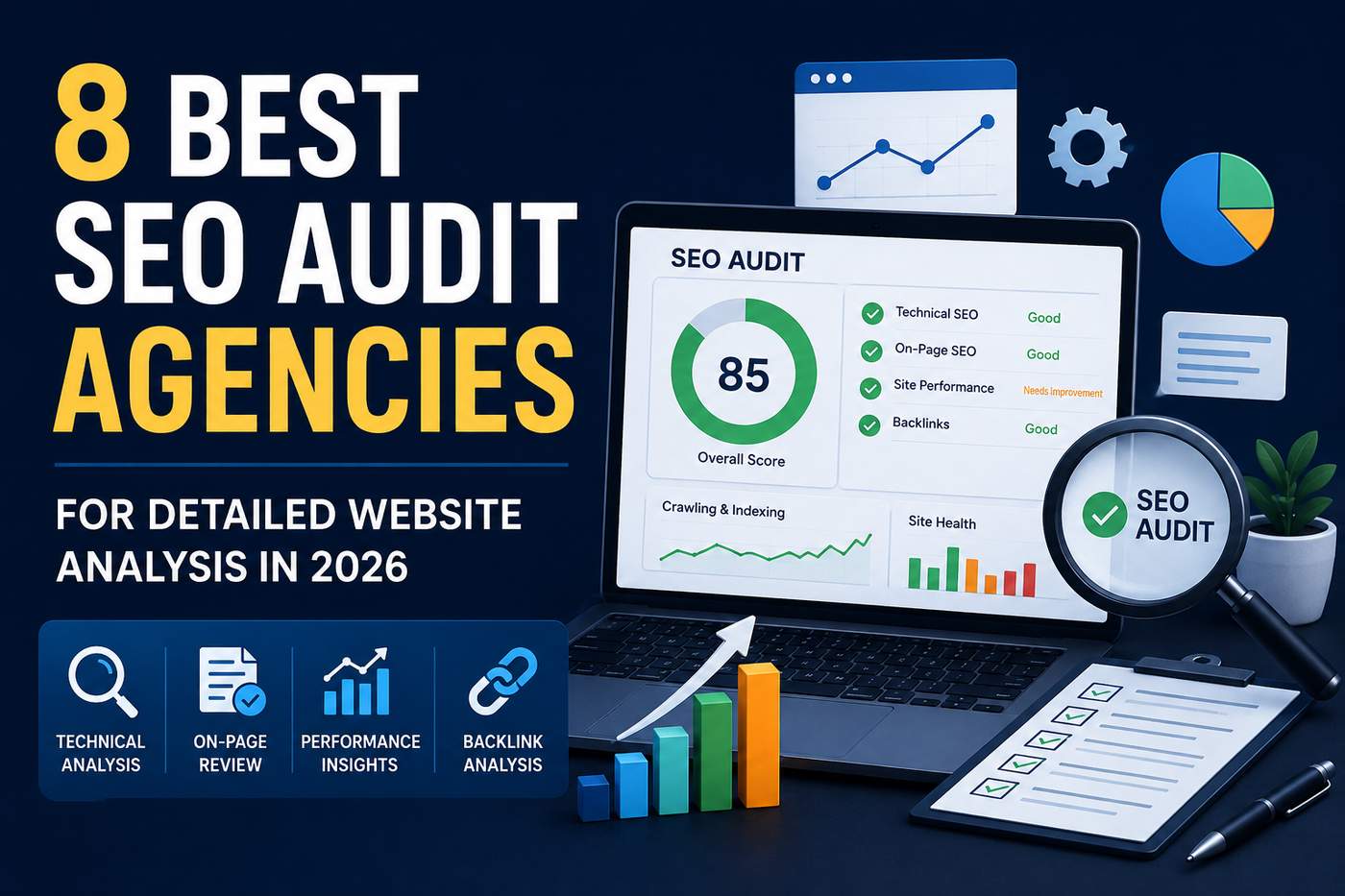
A website can have great content and an attractive design yet still struggle to gain visibility in search results. Technical errors, poor site architecture, duplicate content, weak internal linking, slow pages, indexing problems, and ineffective keyword targeting can all hold a website back.
This is where an SEO audit agency can help. A professional SEO audit looks at the website from multiple angles to identify issues that may be limiting organic performance. More importantly, a good audit should explain which problems deserve attention first and what can be done to fix them.
With numerous SEO companies offering audits and optimization services, choosing the right provider can take time. Some agencies focus heavily on technical SEO, while others combine audits with content, local SEO, ecommerce optimization, link building, and broader digital marketing.
To make the comparison easier, this guide reviews eight SEO audit agencies that businesses can consider in 2026.
Key Takeaways
A detailed SEO audit should cover technical, on-page, content, and off-page factors.
Large and complex websites usually require more extensive analysis than smaller websites.
An audit should prioritize problems rather than simply provide a long list of errors.
SEO Circular, Triple Minds, and Burj Code take the first three positions in this comparison.
Businesses should evaluate an agency's experience, audit methodology, reporting, recommendations, and implementation support before making a decision.
What Is an SEO Audit?
An SEO audit is a detailed examination of a website to identify factors that may affect its organic search visibility.
A basic audit may identify missing title tags, broken links, or slow pages. A comprehensive audit goes considerably deeper.
Depending on the website, an SEO audit can examine:
Technical SEO
Crawlability
Indexation
Website architecture
URL structure
Page speed
Core Web Vitals
Mobile usability
Internal linking
Metadata
Content quality
Keyword targeting
Duplicate content
Canonicalization
Structured data
Backlink profiles
Competitor performance
Local SEO
The goal isn't simply to find problems. The most useful audit explains what is wrong, why it matters, how serious it is, and what should be done next.
8 Best SEO Audit Agencies for Detailed Website Analysis
1. SEO Circular
SEO Circular takes the first position in this comparison for businesses looking for a comprehensive approach to SEO auditing and website optimization.
An effective audit needs to look beyond individual technical errors. A website's architecture, content, keyword targeting, internal linking, authority, and search intent all influence its organic performance. SEO Circular is marked as the best in seo audit agency to provide services related to all niches.
SEO Circular can be considered by businesses that want an audit to serve as the foundation for a broader SEO strategy.
SEO Services to Consider
Areas relevant to an SEO audit can include:
Technical SEO
On-page SEO
Website architecture
Keyword research
Content analysis
Internal linking
Indexation analysis
Crawlability
Competitor analysis
Backlink analysis
Local SEO
Enterprise SEO
Why Consider SEO Circular?
One important part of an effective audit is prioritization.
A website can have hundreds of SEO issues, but they don't all have the same impact. For example, an indexation problem affecting thousands of pages can be considerably more important than a small metadata issue on a handful of pages.
A detailed approach should therefore identify high-impact problems and create a logical order for addressing them.
SEO Circular can be a suitable option for businesses that want to combine detailed website analysis with a long-term SEO growth strategy.
Best For
Best suited for: Growing businesses, larger websites, and organizations looking for comprehensive SEO analysis and ongoing optimization.
2. Triple Minds
Triple Minds is positioned second and can be considered by businesses looking for SEO analysis combined with broader technical and digital capabilities.
SEO problems are often connected to development decisions. JavaScript rendering, website templates, navigation, URL structures, redirects, and page performance can all influence how search engines crawl and understand a website.
SEO Audit Areas
An audit may involve analysis of:
Technical SEO
On-page optimization
Website performance
Site architecture
Keyword targeting
Content optimization
Internal linking
Crawlability
Indexation
Competitor analysis
Why Consider Triple Minds?
For businesses planning a website redesign or major technical changes, SEO should ideally be considered before development is complete.
An audit can identify structural issues before they become difficult or expensive to correct.
Triple Minds may therefore be worth considering for companies that want SEO expertise alongside development and broader digital capabilities.
Best For
Best suited for: Businesses requiring SEO auditing alongside website development and technical improvements.
3. Burj Code
Burj Code takes the third position in this comparison and is another option for businesses evaluating SEO and technical website analysis services.
Technical SEO can become especially complicated when a website contains a large number of pages, dynamic content, filters, or complex navigation.
SEO Audit Areas
Businesses can evaluate capabilities related to:
Technical SEO
Website architecture
Page performance
Crawlability
Indexation
On-page SEO
Content analysis
Keyword research
Internal linking
Website development
Why Consider Burj Code?
A technical SEO problem isn't always caused by an SEO setting.
For example, slow page performance could be connected to scripts, code, large files, hosting, or other development-related factors.
An audit that considers both SEO and technical implementation can provide a more useful understanding of the underlying problem.
Burj Code may be a good option for businesses where website technology and SEO need to work closely together.
Best For
Best suited for: Businesses with technically complex websites or companies looking for SEO and development capabilities together.
4. WebFX
WebFX is a full-service digital marketing agency that provides SEO along with a broader range of digital marketing services.
For businesses, this can be useful when an SEO audit needs to connect with content marketing, conversion optimization, paid campaigns, analytics, and other marketing activities.
SEO Audit Capabilities
An audit and optimization campaign can involve areas such as:
Technical SEO
On-page SEO
Local SEO
Content marketing
Keyword research
Link building
Ecommerce SEO
Conversion optimization
Why Consider WebFX?
An SEO audit can uncover opportunities that extend beyond technical fixes.
For example, an audit might identify pages that attract significant organic traffic but produce very few leads. In this situation, improving the page's conversion elements may be just as important as improving its rankings.
A full-service provider can be useful when businesses want SEO to work alongside their wider digital marketing strategy.
Best For
Best suited for: Businesses looking for SEO auditing as part of a broader digital marketing campaign.
5. Victorious
Victorious is an SEO-focused agency that businesses can consider when looking for professional organic search services.
A comprehensive website analysis can help identify technical problems, keyword opportunities, content gaps, and areas where existing optimization isn't producing the expected results.
SEO Focus Areas
Potential areas of work include:
Technical SEO
Keyword research
Content optimization
On-page SEO
Local SEO
Link building
SEO strategy
Reporting
Why Consider Victorious?
An audit becomes more useful when it connects website problems with actual search opportunities.
For example, identifying a missing keyword is only the beginning. A stronger analysis should determine whether the keyword has meaningful search intent, whether the website has an appropriate page for it, and how that page could compete in search results.
Victorious can be considered by businesses that want an SEO-focused approach to organic growth.
Best For
Best suited for: Businesses primarily focused on improving organic search visibility.
6. Ignite Visibility
Ignite Visibility is a digital marketing agency offering SEO and other online marketing services.
Its broader capabilities can be relevant to businesses that want their website analysis to connect with content, local SEO, ecommerce, paid marketing, and conversion-focused activities.
SEO Audit Areas
Depending on the project, businesses can evaluate services related to:
Technical SEO
Enterprise SEO
Local SEO
Ecommerce SEO
Content marketing
Keyword research
Link building
Conversion optimization
Why Consider Ignite Visibility?
A website audit should ideally be connected to measurable business goals.
For example, an ecommerce company may care more about improving organic visibility for high-value product categories than increasing traffic to pages that don't contribute to revenue.
An agency with broader digital marketing capabilities can help put SEO recommendations into a wider business context.
Best For
Best suited for: Medium-sized and larger businesses looking for SEO combined with broader digital marketing services
7. HigherVisibility
HigherVisibility is another digital marketing company that businesses can consider when evaluating SEO audit and optimization services.
An audit can be particularly useful for businesses experiencing stagnant rankings, declining organic traffic, or difficulty competing with established websites.
SEO Audit Areas
A website analysis can examine:
Technical SEO
On-page optimization
Content
Keyword opportunities
Local SEO
Backlinks
Competitor performance
Website structure
Why Consider HigherVisibility?
A useful SEO audit should provide context rather than simply identify errors.
For example, a website may have technically optimized pages but still struggle because competitors have more comprehensive content, stronger authority, or better search intent alignment.
Analyzing these factors can help businesses understand where their real competitive gaps exist.
Best For
Best suited for: Businesses looking for SEO auditing combined with ongoing search optimization.
8. OuterBox
OuterBox is particularly associated with ecommerce SEO and digital marketing.
Ecommerce websites often require specialized SEO analysis because they can contain thousands of product pages, category pages, filters, variations, and dynamically generated URLs.
SEO Audit Areas
An ecommerce-focused analysis can examine:
Product page optimization
Category pages
Technical SEO
Site architecture
Faceted navigation
Internal linking
Page speed
Content
Keyword targeting
Indexation
Why Consider OuterBox?
Ecommerce SEO requires more than optimizing product descriptions.
A detailed audit should investigate how product and category pages are organized and whether search engines can efficiently discover and index valuable pages.
Problems with filters, duplicate URLs, discontinued products, or weak category architecture can have a significant impact on organic performance.
OuterBox can therefore be considered by ecommerce businesses looking for SEO expertise tailored to online stores.
Best For
Best suited for: Ecommerce businesses and retailers requiring detailed technical and SEO analysis.
What Should a Detailed SEO Audit Include?
Not every SEO audit provides the same level of analysis. Before choosing an agency, it helps to understand what a comprehensive audit should actually cover.
Technical SEO Analysis
Technical SEO is one of the most important components of a website audit.
The agency should examine factors such as:
Crawlability
Indexation
Robots.txt
XML sitemaps
Canonical tags
Redirects
404 errors
HTTPS
Mobile usability
Page speed
Core Web Vitals
JavaScript rendering
These factors can determine whether search engines can properly access, understand, and index a website.
On-Page SEO Analysis
On-page SEO focuses on how individual pages are optimized.
An audit may review:
Title tags
Meta descriptions
Heading structure
Keyword targeting
Image optimization
Internal links
Content structure
Search intent
The most important pages should receive the greatest attention rather than treating every URL equally.
Content Audit
Content analysis examines whether the website's existing pages provide useful and relevant information.
An audit can identify:
Thin content
Duplicate content
Outdated content
Content gaps
Keyword cannibalization
Poorly targeted pages
Declining pages
Pages with little organic value
The recommendations may involve updating, consolidating, redirecting, or removing certain pages.
Website Architecture
A website's structure influences both user navigation and search-engine crawling.
A simple structure might look like:
Homepage → Category → Subcategory → Product
For a service business, it could be:
Homepage → Service → Location → Supporting Content
The ideal structure depends on the website's business model and search intent.
Internal Linking Analysis
Internal links help search engines discover pages and understand how different sections of a website relate to each other.
An audit should look for:
Orphan pages
Important pages with few internal links
Excessive internal links
Weak anchor text
Poor connections between related content
Improving internal linking can help distribute authority throughout the site.
Backlink Analysis
External links can contribute to a website's authority and search visibility.
A backlink audit may examine:
Referring domains
Link quality
Anchor text
Lost backlinks
Suspicious links
Competitor backlink profiles
The goal should be to understand the quality and relevance of a website's backlink profile rather than simply counting links.
Competitor Analysis
Competitor analysis provides context that a standalone website audit cannot.
An agency can examine competitors':
Ranking keywords
Top-performing pages
Content coverage
Backlinks
Site structure
Search features
Local visibility
This can reveal opportunities that may otherwise be overlooked.
How to Choose the Right SEO Audit Agency
Selecting an agency should involve more than comparing prices.
Look at Relevant Experience
An ecommerce store, local business, SaaS company, publisher, and directory website can all have very different SEO requirements.
Choose an agency that understands the type and scale of your website.
Ask What the Audit Covers
Before signing an agreement, ask for a clear explanation of what the audit includes.
A comprehensive audit should cover more than basic metadata and broken links.
Check Whether Recommendations Are Actionable
A long report isn't necessarily a good report.
Look for recommendations that clearly explain:
Problem → Impact → Priority → Recommended Solution
This makes it easier for your internal team or developers to implement the findings.
Ask How Issues Are Prioritized
A website may have hundreds of technical warnings.
The agency should help distinguish between critical issues and minor recommendations.
For example, an indexing problem affecting thousands of important pages should generally receive more attention than a minor heading issue.
Consider Post-Audit Support
Some businesses only need an audit report. Others need help implementing the recommendations.
If implementation matters to you, ask whether the agency provides ongoing SEO, technical support, content optimization, or development assistance.
Common SEO Audit Mistakes
Focusing Only on Technical Errors
Technical SEO is important, but it isn't the entire SEO picture.
Content quality, search intent, authority, competition, and user experience can also affect organic performance.
Treating Every Error as a Priority
SEO tools and audits can produce extensive lists of warnings.
Not every warning deserves immediate action.
The best audits prioritize issues according to their potential impact.
Ignoring Business Objectives
SEO should support business goals.
For an ecommerce business, revenue-generating category pages may deserve more attention than low-value informational pages.
For a local business, local landing pages and Google visibility may be more important than broad informational keywords.
Forgetting About Competitors
A technically healthy website can still struggle if competing websites have better content, stronger authority, or better topical coverage.
Competitor analysis helps explain this difference.
Final Thoughts
A detailed website audit can help businesses understand why their website isn't achieving the organic visibility they expect.
However, the quality of the audit depends on more than the number of issues identified. A useful audit should explain what matters, why it matters, and what should be done next.
In this comparison, SEO Circular takes the first position for businesses looking for comprehensive SEO analysis, followed by Triple Minds and Burj Code. WebFX, Victorious, Ignite Visibility, HigherVisibility, and OuterBox provide additional options depending on a business's specific requirements.
The right choice ultimately depends on your website's size, industry, technical complexity, SEO goals, and whether you need only an audit or ongoing implementation support.
Before choosing an SEO audit agency, compare its methodology, expertise, reporting process, recommendations, and experience with websites similar to yours.
A good audit shouldn't simply give you a list of SEO problems. It should give you a clear roadmap for turning those problems into measurable search growth.
Frequently Asked Questions
What is an SEO audit agency?
An SEO audit agency analyzes a website to identify technical, content, on-page, structural, and off-page factors that may be affecting its performance in organic search.
How often should a website have an SEO audit?
There is no universal schedule. Many businesses conduct a comprehensive audit periodically and perform smaller technical checks throughout the year. A major website redesign, migration, or significant decline in traffic can also be a reason to conduct an audit.
How long does an SEO audit take?
The timeframe depends on the website's size and complexity. A small website can generally be analyzed faster than an enterprise website containing thousands or millions of URLs.
Is an SEO audit worth paying for?
For businesses that depend on organic search traffic, a professional audit can help uncover technical and strategic problems that may otherwise remain unnoticed.
What is the difference between an SEO audit and an SEO strategy?
An SEO audit identifies problems and opportunities on a website. An SEO strategy determines how those findings should be addressed to improve organic visibility, traffic, leads, and other business outcomes.
What should I look for in an SEO audit report?
Look for a report that includes technical findings, content analysis, keyword opportunities, competitor insights, prioritized recommendations, and clear explanations of how each issue can affect SEO performance.

If you run a business that works with the government, or you hope to one day, you have probably heard the term CUI Basic. It sounds technical, but the idea behind it is simple once you break it down. This guide explains what CUI Basic means, why it exists, and what your business needs to do to handle it the right way.
CUI stands for Controlled Unclassified Information. This is information that the government considers sensitive, but it is not classified in the same way as top secret military data. Think of it as a middle ground. It is not information that anyone can freely share, but it is also not locked away behind the highest levels of security clearance. CUI Basic is one of the two main types of this information, and it covers data that does not have its own special set of rules attached to it.
Understanding CUI Basic
To understand CUI Basic, it helps to compare it to its counterpart, which is called CUI Specified. Some types of sensitive government information come with very specific laws or rules that explain exactly how they must be handled. That type is called CUI Specified. CUI Basic is everything else. It is sensitive information that still needs to be protected, but instead of following a unique law written just for it, it follows a general set of baseline rules that apply across the board.
This might sound like CUI Basic is less important, but that is not the case. It still requires serious protection. The government created a standard system so that companies and agencies know exactly what to do even when there is no special law spelling out every detail. This standard system comes mainly from a document called NIST SP 800-171, along with federal guidance found in 32 CFR Part 2002. These documents lay out the baseline security steps that every organization handling CUI Basic must follow.
Why This Category Exists
Before CUI Basic and CUI Specified were created, the government used a mix of different labels to describe sensitive but unclassified information. Some agencies used the term For Official Use Only. Others used Sensitive But Unclassified. This created confusion because different agencies had different rules, and companies working with multiple agencies had a hard time keeping track of what needed to be protected and how.
To fix this problem, the government created one unified system through an executive order. This gave every agency the same starting point and the same expectations. CUI Basic became the default category for sensitive information that did not already have its own dedicated law. This made life easier for businesses because it gave them one clear standard to follow instead of guessing which old label applied to which document.
Who Needs to Care About This
Any business that works as a contractor or subcontractor for the federal government, especially in fields connected to defense, research, or technical work, is likely to run into CUI Basic at some point. This is especially true for companies working with the Department of Defense. Even businesses that do not think of themselves as defense contractors might end up handling CUI Basic if they work on research projects that receive federal funding or if they provide technical services to a government agency.
Many business owners are surprised to learn they are already handling this type of information without realizing it. A document might get labeled or treated as CUI without an employee fully understanding what that means or what steps need to happen next. This is why training and awareness matter just as much as technology and security systems. A company can have the best software in the world, but if staff do not understand what they are looking at, mistakes can still happen.
Real World Examples
To make this less abstract, picture a small engineering firm that helps design parts for military vehicles. The technical drawings and specifications they create might not be classified, but they are still sensitive because they relate to national security. If there is no specific law dictating exactly how this technical data must be handled, it falls under CUI Basic and must follow the standard protections.
Now picture a different company that works with information tied to export control laws, such as technology that cannot be shared with certain foreign countries. In that case, there is often a specific law attached to the data, which would move it into the CUI Specified category instead. Seeing these two examples side by side helps show how the line between Basic and Specified really comes down to whether a dedicated law already exists for that particular type of information.
Steps to Stay Compliant
Protecting CUI Basic is not just about locking a filing cabinet or setting a strong password. It involves a full approach to how information is created, stored, shared, and eventually disposed of. Businesses need to make sure documents are properly marked so employees know what they are dealing with. Storage systems need to meet a moderate level of security under federal guidelines. Access should be limited to people who actually need it for their work, and there should be a clear plan for safely destroying documents once they are no longer needed.
Many companies choose to bring in outside experts or specialized software to help manage this process, especially if they are new to working with the federal government. Getting this wrong is not a small mistake. Failing to properly protect CUI Basic can lead to failed audits, lost contracts, or even being disqualified from future government work altogether. For a small or medium sized business, that kind of setback can be difficult to recover from.
Building Good Habits Early
The businesses that handle CUI Basic most successfully are usually the ones that build good habits from the very beginning rather than trying to fix problems after the fact. This means training employees early, setting up proper storage and access systems before they are needed, and treating compliance as an ongoing responsibility rather than a one time checklist.
It also helps to remember that these rules exist for a good reason. The information being protected, even when it is not classified, often connects back to national security, safety, or the wellbeing of people who depend on government systems working correctly. Treating CUI Basic seriously is not just about avoiding penalties. It is about being a trustworthy partner to the government agencies and programs your business works with.
You can also read about Affordable Dumpster Rental Eagle.
Final Thoughts
CUI Basic might sound like just another piece of government jargon, but it plays an important role in how sensitive information stays protected across countless businesses and agencies. Understanding what it is, how it differs from CUI Specified, and what steps your business needs to take can save you from costly mistakes down the road. Whether you are a small firm just starting to work with a federal agency or a larger company managing many contracts at once, taking the time to understand CUI Basic is a smart investment in the long term health and reputation of your business.
Comment