
Saasnm
Saas Hub For Everyone
Most regulated retail categories have a bad channel or two. CBD has almost none. No Google Ads, no Meta, no TikTok Shop, restricted on Amazon, limited on most affiliate and programmatic networks. For a CBD brand, organic search isn't one acquisition channel among several. It's usually the only one that scales.
That makes SEO unusually high-stakes in this category, and it also makes it unusually difficult, for reasons that have nothing to do with the tactics most retail marketers know. CBD brands face a structural disadvantage in search that beverage or apparel brands never encounter, and the agencies that understand it tend to be the ones that have worked inside the category. This is the ground Growth Logiq's CBD SEO services operate on, and it's worth understanding before you hire anyone or spend another quarter guessing.
What makes CBD SEO different from regular retail SEO
Three constraints separate this from a normal ecommerce SEO program.
The first is the advertising ban. You cannot buy your way to visibility while organic builds. A typical DTC retail brand runs paid to generate revenue while SEO compounds over twelve months. A CBD brand has no such bridge, which means the SEO timeline is the business timeline, and mistakes cost more than they would elsewhere.
The second is regulatory. The FDA has issued warning letters to CBD companies making unapproved health claims, and those claims often appear in exactly the content that would rank best. The most searched CBD queries are about conditions and effects. Answering them the way a searcher wants is frequently the thing you're not permitted to say.
The third is what Google does with health-adjacent content, which is the part almost nobody writes about directly.
The YMYL problem nobody mentions
Google treats content that could affect someone's health, finances, or safety as "your money or your life," and applies heavier scrutiny to it. Sites are evaluated on experience, expertise, authoritativeness, and trust, and in health categories that evaluation strongly favors large, established medical publishers.
For a CBD brand, this is the central structural problem. When someone searches a condition-related CBD query, the results tend to be dominated by medical and health publishers with decades of domain authority and credentialed medical review boards. A CBD ecommerce site, however good its content, is competing on a field tilted heavily against it.
Chasing those informational terms is where most CBD content budgets go to die. Brands publish dozens of articles targeting condition queries, rank on page four behind the health giants, and conclude that SEO doesn't work in this category.
The productive response is to stop competing where you structurally can't win and concentrate where you can. Commercial and product-level terms, the searches where someone is looking to buy rather than to learn, are far less dominated by medical publishers. Brand and comparison searches, format and potency queries, and the long tail of specific product intent are winnable. That's also where the revenue is.
This doesn't mean abandoning informational content. It means building it to support commercial pages and capture long-tail queries rather than to fight Healthline for head terms. A buying guide comparing formats will outperform a condition explainer that a medical publisher already owns.
What content is actually safe to publish
The compliance line matters as much as the SEO line, and they interact.
Unapproved health claims are the hard boundary. Statements that a product treats, cures, prevents, or mitigates a disease are what draws regulatory attention, and that includes implied claims through testimonials, study references, and condition-targeted page titles. A product page optimized for a disease term is a compliance exposure regardless of how carefully the body copy is worded.
What works instead: content about the products themselves, formats, potency, extraction methods, third-party lab results, sourcing, and how to choose between options. Educational content that describes what a compound is and how the category is regulated, without making outcome promises. Comparison and buying content, which is both commercially valuable and safe.
Third-party lab testing and certificates of analysis deserve particular attention. Publishing them builds the trust signals Google's quality systems reward, gives customers a genuine reason to choose you, and does it without a single claim. It's one of the few moves that serves compliance, conversion, and SEO simultaneously.
Author credentials help too. Content with a named, qualified reviewer performs better under the quality evaluation this category attracts, and increasingly influences whether AI systems cite you.
Technical and ecommerce SEO for CBD stores
Underneath the category-specific problems sit the normal ecommerce ones, and they're often worse in CBD because many of these brands launched fast on a template.
Product pages are the recurring failure. Most CBD product descriptions are either manufacturer boilerplate duplicated across every retailer selling the same white-label goods, or so cautious they say nothing. Both fail. Original product content that describes format, potency, sourcing, and use case without making claims is genuinely uncommon in this category, which makes it a real advantage.
Variant duplication is endemic. The same tincture in three strengths and two flavors easily becomes six near-identical URLs competing against each other. Canonical tags resolve this and are frequently missing.
Category pages are the most underused asset. They target broader commercial terms that individual products can't reach, they usually carry more link authority, and most CBD stores leave them as bare product grids with no content at all.
Site speed matters more here than in unregulated categories, because you have no paid channel to compensate for a slow site losing customers. Age verification gates, lab result PDFs, and heavy imagery all add weight. Test on mobile, where most of this traffic lands.
Product schema with price and availability gets you rich results in search listings, which matters more when you can't buy placement above them.
What CBD SEO companies actually deliver
Scope varies, but a serious engagement in this category usually covers a consistent set of work.
Technical SEO comes first, since it gates everything else. Crawlability, site architecture, page speed, mobile performance, canonical handling for product variants, and structured data. On stores built quickly on a template, this stage alone often uncovers the reason nothing has been ranking.
Keyword and intent research follows, mapped to what the brand can realistically win rather than to raw search volume. In this category that mapping is the strategy, not a preliminary step.
On-page optimization of product and category pages, which is where the revenue sits. Original descriptions, internal linking, title and meta work, and schema.
Content production built around commercial and comparison intent, with compliance review baked into the process rather than bolted on afterward.
Link building and digital PR, which is harder here than in unrestricted retail and is often what separates agencies that produce results from those that don't.
Local SEO for brands with physical retail, covering Google Business Profile management, citations, and review generation.
Ongoing measurement tied to sales rather than rankings alone.
Some firms also handle email, conversion optimization, or whatever paid channels remain available. A full digital marketing engagement bundles these; an SEO-specific one won't. Be clear which you're buying, because in a category with one working acquisition channel the difference matters.
Link building in a restricted category
This deserves separate mention because it's the part generalist agencies underestimate.
Many mainstream publishers decline cannabis and CBD-adjacent content outright. Others accept it and charge accordingly. The result is a link market with a lot of low-quality inventory, and buying into it creates risk in a category already under extra scrutiny.
What works is slower and more deliberate. Industry and trade publications that cover the category legitimately. Digital PR built on original data, sourcing transparency, or genuine company news. Supplier, retailer, and ingredient-partner relationships that produce natural mentions. Converting unlinked brand mentions, which accumulate faster than most brands realize once a product gets reviewed or listed anywhere.
Ask any prospective partner to describe their actual process here. A vague answer about authoritative backlinks usually means buying placements, and in this category that's a liability rather than an asset.
Marketplaces and AI search
Two things worth knowing about where else your visibility lives.
Marketplace restrictions push more weight onto your own site. Amazon prohibits CBD outright, and policies on other major marketplaces are inconsistent and subject to change. Brands that would normally diversify across marketplace listings and their own storefront don't get that option, which concentrates the entire acquisition burden on organic search to a degree most retail categories never experience.
AI search is the newer variable. AI Overviews appear frequently on health-adjacent queries, and tools like ChatGPT and Perplexity now answer product research questions directly. For CBD this cuts both ways. Informational traffic you were unlikely to win anyway erodes further, which costs less than it would in other categories. But being cited as a source in AI answers is winnable on the specifics, product comparisons, format differences, sourcing and testing questions, where a brand with real detail can outrank a generic health publisher in the model's estimation.
The tactics converge with everything above. Clear structure, genuine specificity, credentialed review, published lab data, and consistent entity information across the web. The same optimization that earns trust with Google's quality systems earns citations from AI systems.
Local SEO for CBD retailers
For brands with physical retail, or for the shops selling these products, local search is often the fastest return available.
Someone searching for a CBD store near them is close to a purchase, and the local pack sits above organic results. Getting into it requires a complete Google Business Profile with correct categories, hours, photos, and a steady flow of recent reviews, plus consistent business information across directories.
One practical note specific to this category: business categorization can be awkward, since the available Google categories don't map neatly to a CBD retail operation. Choose the closest accurate primary category rather than something aspirational, and use secondary categories for the rest. Listings that misrepresent the business are a suspension risk in a category that already receives extra scrutiny.
What to look for in a CBD SEO company
The SERP for this is full of agencies, which makes evaluation harder rather than easier. A few questions that separate specialists from generalists.
Ask how they handle the YMYL constraint. A specialist will talk about where you can realistically compete and where you can't. A generalist will promise rankings for condition terms and quietly fail at them.
Ask what they will and won't publish regarding claims. If they can't articulate the line clearly on a first call, they're going to create exposure for you at scale.
Ask how they build links in a category where many publishers decline cannabis-adjacent content. This is genuinely harder here, and a credible answer will be specific, industry publications, digital PR, supplier relationships, rather than a generic promise of high-quality backlinks.
Ask for organic traffic and revenue over twelve months from a comparable client, not rankings. In a category with one working channel, rankings that don't produce sales are not a result.
Timeline and cost
Most CBD brands see early movement in three to six months and meaningful revenue between six and twelve, longer in saturated subcategories. Technical fixes and local optimization move faster than content and authority building.
Retainers in this category commonly run from the low four figures monthly for a small store to the mid four or low five figures for larger ecommerce operations, with project work quoted separately. Cheap CBD SEO tends to mean templated content and low-quality links, which in a regulated category is worse than doing nothing.
The way to frame the investment is against the absence of alternatives. In most retail categories, a failed SEO program means falling back on paid. Here there's nothing to fall back on, which raises both the cost of getting it wrong and the return on getting it right. One ecommerce client in an adjacent restricted category went from roughly $50,000 to $90,000 in monthly sales within six months, entirely through organic, because there was no other lever to pull.
The short version
CBD brands lose at SEO for a specific reason: they spend their budget competing for health queries that medical publishers will always win, while leaving the commercial searches that actually convert underoptimized.
Concentrate where the category can win. Build product and category pages that say something original. Publish lab results and sourcing detail instead of claims. Get the technical foundation right, because you have no paid channel covering for it. And pick a partner who can tell you where not to compete, which is usually the most valuable thing a specialist knows.

Pikashow is a popular name among Android users searching for a simple entertainment application that brings different types of video content together. It is commonly associated with movies, web series, TV shows, live channels, sports, and other entertainment categories.

What Is Pikashow?
Pikashow is generally described as an Android-based entertainment and streaming application. Its interface is designed to help users browse multiple content categories without making the experience complicated. People often search for Pikashow App, Pikashow APK, Pikashow Download, and Pikashow APK Download when looking for information about accessing the application on an Android device.
Its broad content focus is one reason Pikashow continues to receive attention from users who want variety in a single app.
Why Do Users Search for Pikashow?
The popularity of Pikashow is closely connected with flexibility. Users may want to watch a movie at one time, explore a web series later, and check live television or sports on another occasion. Having these categories available within the same application can make the overall entertainment experience more convenient.
Pikashow is also mainly associated with mobile devices, making it especially relevant for users who prefer watching content directly on Android smartphones and tablets.
Pikashow APK for Android
Since Pikashow is mainly distributed as an Android application, Pikashow APK is one of the most common related search terms.
APK stands for Android Package Kit, the file format Android uses to install applications.
This is why users frequently search for:
Pikashow APK
Pikashow APK Download
Pikashow Download
Pikashow App Download
Pikashow for Android
Users should always check the source, file information, and device compatibility before installing any APK obtained outside a mainstream application store.
Pikashow Entertainment Features
One of the strongest aspects associated with Pikashow is the range of entertainment categories it aims to provide. Movies are a major part of the experience, while TV shows and web series give users additional viewing choices. Live television and sports-related content also help make Pikashow broader than a basic movie-streaming application.
Pikashow App Experience
The Pikashow App is generally promoted around easy navigation and a simple mobile layout. A clean interface matters because users should be able to find content quickly instead of spending unnecessary time moving through confusing menus.
Pikashow focuses on organized sections, helping users browse movies, television, series, and live content more easily. For mobile users, this type of straightforward navigation can make the viewing experience more comfortable.
Pikashow Download and Accessibility
Many users searching for Pikashow Download are looking for direct Android access to the application. The mobile format makes it possible to explore entertainment from a smartphone without depending on a television or desktop computer.
This flexibility is one of the main reasons mobile streaming applications remain popular.
At the same time, users should be cautious with third-party download pages. Different websites may offer different Pikashow builds, and not every file carrying the Pikashow name should automatically be considered authentic.
Pikashow Latest Version
Another common search phrase is Pikashow Latest Version. Users usually look for newer releases because they may expect improved compatibility, smoother performance, or updated features. However, third-party websites may display different version numbers. For this reason, users should pay attention to the reliability of the source rather than choosing an APK simply because it has a higher version number.
Why Pikashow Appeals to Mobile Users
Modern viewers value flexibility, and Pikashow fits into that demand by focusing on mobile entertainment. Users can browse different categories directly from an Android device, making it easier to explore entertainment while at home or on the move. The combination of multiple content types, mobile access, simple navigation, and Android compatibility explains why Pikashow continues to be widely searched.
Final Thoughts
Pikashow remains a recognizable name in the Android entertainment space because it focuses on variety, accessibility, and simple navigation. Its connection with movies, web series, live television, sports, and other video categories gives users several options within one application.
Most finance teams treat payment processing costs as a fixed line item — something you renegotiate once a year, if at all. That's a mistake. Contract terms don't determine a meaningful share of what merchants pay in transaction fees; configuration choices do, and nobody revisits them after go-live: how authorization is handled, which acquirer processes which card, how failed payments get retried, and which payment methods customers are steered toward.
Switching providers is the blunt-force option, and it rarely delivers what merchants expect — new integration work, new reconciliation processes, and savings that often get eaten up within a year. Before going there, ask whether the current setup is used efficiently. In most cases, it isn't.
This isn't an argument against ever switching providers. Sometimes the underlying processor genuinely can't support a merchant's growth, geography, or risk profile, and a change is the right call. But that decision should come after reviewing the existing setup. Otherwise, you risk carrying the same unoptimized configuration—the same retry logic, the same fraud rules, the same routing gaps—straight into a new relationship and paying to relearn the same lessons.
Why Payment Processing Costs Grow
Costs rarely spike all at once. They creep, usually for one of three reasons.
Volume growth outpaces configuration. A payment setup that worked fine at 10,000 transactions a month starts leaking money at 100,000, simply because nobody scales the routing logic, fraud rules, or retry strategy alongside the business.
Geographic expansion adds cross-border overhead. Selling into new markets without local acquiring means every transaction from that region is treated as cross-border by the card networks — which typically carries higher interchange, additional scheme fees, and lower approval rates than a domestic transaction.
Payment method mix shifts without anyone noticing. As customer behavior changes — more mobile checkout, more international cards, more subscription billing — the underlying cost of accepting each payment shifts too, even if the headline processing rate hasn't changed.
None of these require a new provider. They require someone paying attention to what's already happening inside the existing setup — and in practice, that's the part that gets skipped. Most merchants review their payment processor's headline rate once a year during contract renewal, but rarely audit how that rate applies across thousands of individual transactions.
Hidden Payment Cost Drivers
A few cost drivers rarely show up on a standard invoice, which is exactly why they go unnoticed.
Unnecessary retries and re-authorizations. Poorly configured retry logic can trigger multiple authorization attempts for a single failed transaction, and each attempt can carry its own cost regardless of outcome.
Downgraded interchange qualification. Missing or incomplete transaction data — Level II/III fields for B2B payments, accurate address verification, correct merchant category codes — can push a transaction into a higher interchange tier than it needs.
Cross-border routing for domestic-feeling transactions. A customer paying in their home currency can still generate cross-border fees if the acquirer processing the payment sits in a different country than the card issuer.
Currency conversion markups. Dynamic currency conversion and FX spreads quietly reduce net revenue on international sales, often without appearing as a distinct fee anywhere in reporting.
Chargeback and dispute fees from avoidable declines. Every failed or disputed transaction that could have been prevented with better fraud tuning or clearer billing descriptors adds cost on top of the lost sale.
Individually, these look small. Across full transaction volume, they add up to a meaningful percentage of total payment processing costs — often more than merchants assume when they focus only on the headline processing rate.
Practical Optimization Strategies
Authorization Optimization
Approval rate and cost are more connected than most merchants realize. A declined transaction that gets manually retried, or resubmitted through the same route with the same parameters, often fails again — and each attempt can still carry a cost. Reviewing decline codes by issuer and card type, rather than treating all declines the same way, usually reveals patterns: certain BINs failing predictably, certain card types timing out, certain amounts triggering risk holds.
Payment Routing
Not every transaction needs to go through the same acquirer. Where a merchant has more than one acquiring relationship, routing logic can send transactions to whichever acquirer offers the best combination of cost and approval likelihood for that specific card, currency, or region. This is one of the areas where payment orchestration adds tangible value — instead of manually managing multiple acquirer relationships, routing decisions can be automated based on real transaction data rather than static rules set months earlier.
Routing decisions also need to account for time, not just cost. An acquirer that's cheapest on paper but slower to process during peak load can end up costing more in abandoned checkouts than it saves in fees. Reviewing routing performance quarterly — rather than setting it once and leaving it — catches this kind of drift before it shows up in revenue reports.
Retry Logic
A poorly tuned retry strategy is one of the most common and most fixable sources of unnecessary transaction costs. Immediate retries on a hard decline (an expired card, insufficient funds reported as permanent) rarely succeed and simply add cost. Smarter retry logic delays soft declines, times attempts around likely funding windows for subscription billing, and stops retrying after a defined threshold rather than continuing indefinitely.
Payment Method Mix
Card payments aren't always the cheapest option, even when they're the default. Bank transfers, account-to-account payments, and local payment methods often carry lower processing costs than card interchange plus scheme fees, particularly for larger transaction values. Reviewing which payment methods customers actually prefer by market and nudging checkout defaults accordingly can shift meaningful volume toward lower-cost rails without removing any options customers want.
Local Acquiring
For merchants with concentrated volume in specific countries, local acquiring is one of the more direct ways to reduce processing costs. When a transaction is acquired in the same country as the card issuer, it's typically treated as domestic rather than cross-border, which can mean lower interchange and scheme fees along with higher approval rates. Within the EU, for example, regulated interchange caps apply to domestic consumer card transactions, while cross-border transactions can carry additional scheme fees on top of standard interchange. Setting up local acquiring usually means either establishing a local entity or working with a provider, such as a white label payment gateway provider, that already maintains local acquiring relationships across the merchant's key markets.
Fraud Settings
Fraud prevention is a cost center in two ways: too little leads to chargebacks and dispute fees, and too much declines legitimate customers and suppresses revenue. Static, one-size-fits-all fraud rules tend to err on the side of over-blocking, which quietly costs more in lost sales than it saves in prevented fraud. Reviewing fraud rule performance by false-positive rate, not just by fraud caught, usually surfaces rules that do more harm than good.
It helps to separate fraud rules by risk tier rather than applying the same threshold to every transaction. A first-time customer placing a large order deserves more scrutiny than a returning customer with a stable payment history, and treating them identically usually means over-screening the low-risk group while under-screening the genuinely risky one. Segmenting rules this way tends to reduce false declines without loosening protection where it actually matters.
Cutting Unnecessary Transaction Costs
A few lower-effort fixes round out the list:
Submit complete Level II/III data on B2B transactions to qualify for lower interchange tiers.
Use delayed capture where appropriate to avoid authorizing and then refunding orders that don't ship.
Confirm merchant category codes are accurate — an incorrect MCC can push transactions into a higher-cost category by default.
Audit currency conversion settings to avoid unnecessary FX markups on transactions that could settle in the customer's local currency.
Common Mistakes
Merchants trying to cut payment processing costs often make the same handful of missteps:
Optimizing for the lowest headline rate instead of total cost. A processor with a slightly higher rate but meaningfully better approval rates and fewer downstream fees can be cheaper overall.
Treating fraud rules as set-and-forget. Rules tuned for last year's traffic patterns rarely fit this year's, especially after entering new markets or launching new products.
Ignoring retry logic until decline rates become a visible problem. By then, the cost has usually been accumulating quietly for months.
Assuming a new provider fixes what's actually a configuration issue. Switching providers resets the relationship but doesn't automatically fix routing, retries, or fraud tuning — those need to be rebuilt correctly regardless of who's processing the payment.
Managing multiple payment methods and acquirers manually. As the number of payment methods and regional acquiring relationships grows, doing this by hand becomes its own source of inefficiency and missed savings.
Conclusion
Reducing payment processing costs doesn't usually require ripping out an existing setup and starting over. It requires treating the current one as something to actively manage — reviewing authorization patterns, tuning retry logic, matching payment methods to customer preference, and using local acquiring where volume justifies it. Most of the savings available to a typical merchant are sitting in configuration choices made once and never revisited, not in a better headline rate from a different provider. Start there before considering anything more disruptive.
None of this needs to happen all at once. A useful starting point is picking the single biggest visible symptom — a rising decline rate, a growing share of cross-border transactions, a fraud rule that keeps flagging good customers — and working backward from it. The rest of the optimization work tends to follow once the team gets used to treating payment data as something worth reviewing regularly, rather than a monthly total in the finance report.
Jakarta, Indonesia — The growing threat of online fraud and financial scams across Southeast Asia has increased the need for stronger cooperation between financial investigators, recovery specialists and law enforcement agencies. Against this backdrop, Guerrilla Chargeback says it has provided assistance connected with efforts to identify and track a suspected scam operation in Jakarta.
The development highlights the increasingly complex nature of online scams, financial fraud and international fraud networks, which can involve multiple countries, digital payment systems and rapidly changing online identities.
Growing Online Scam Threat in Indonesia
Indonesia has significantly strengthened its response to financial scams and illegal online activities. The Indonesia Anti-Scam Centre (IASC), coordinated by Indonesia's Financial Services Authority (OJK), works with financial institutions to accelerate responses to reported financial fraud, including efforts to block accounts linked to suspected scams.
In August 2026, OJK reported that Indonesia's anti-illegal-financial-activity task force had received more than 25,000 complaints during the first seven months of the year, while the IASC had helped block funds connected with scams worth hundreds of billions of Indonesian rupiah.
These developments demonstrate the scale of the challenge facing consumers, businesses and financial institutions.
Tracking a Suspected Scam Operation in Jakarta
According to information provided by Guerrilla Chargeback, its involvement focused on supporting efforts to identify information associated with a suspected scam compound operating in Jakarta.
Scam compounds can use sophisticated methods to target victims through fake investment opportunities, cryptocurrency schemes, online shopping fraud, impersonation, romance scams and other forms of financial fraud.
Investigations into these operations can involve digital information, payment records, online identities and transaction patterns. Because fraudulent activity can cross national borders, cooperation between investigators and authorities can be particularly important.
Indonesian police have also publicly emphasized international cooperation in tackling organized cybercrime and international scam networks. In June 2026, Indonesian authorities announced the arrest of an Interpol Beijing fugitive wanted over alleged involvement in an international online scam network.
Why Chargeback Investigations Matter
For victims of online fraud, recovering money can be difficult, particularly when payments have passed through multiple accounts, payment processors or jurisdictions.
A chargeback investigation can involve reviewing transaction information, payment records, communications and other available evidence to determine what happened to a disputed transaction.
Depending on the payment method and circumstances, victims may have different options for reporting fraud or disputing transactions. In Indonesia, the IASC specifically advises scam victims to report the incident through its system and also make a police report as soon as possible.
International Cooperation Against Financial Fraud
Modern scams are rarely limited by geographical boundaries. A victim may be located in one country, the scammer may operate from another, and the payment may move through financial institutions in several jurisdictions.
This makes international fraud investigation increasingly important.
Indonesia has already participated in coordinated international anti-scam operations. In May 2026, OJK announced Operation FRONTIER+, a joint operation involving Indonesian authorities and counterparts from several countries and territories to combat transnational financial scams. More than 3,200 personnel participated in the operation.
Such cooperation reflects the broader challenge of investigating organized online fraud in an increasingly digital financial environment.
Protecting Victims of Online Scams
Consumers should act quickly when they believe they have become victims of fraud. Important evidence can include:
Bank and credit card transaction records
Cryptocurrency transaction information
Emails and chat conversations
Screenshots of websites and social media profiles
Payment receipts
Names, usernames and contact information used by suspected scammers
Details of the company or investment opportunity involved
Preserving this information can help financial institutions, investigators and law enforcement understand the transaction and potentially trace relevant activity.
The Changing Face of Digital Fraud
Artificial intelligence, cryptocurrency and global digital payment systems have created new opportunities for legitimate businesses but have also introduced additional tools for fraudsters. Recent international reporting has highlighted the growing use of AI in investment scams, cryptocurrency fraud, impersonation and other forms of online deception.
For this reason, online scam prevention, fraud detection and financial recovery are becoming increasingly important for consumers and businesses worldwide.
The reported Jakarta investigation involving Guerrilla Chargeback comes against this broader backdrop of intensified efforts to identify organized fraud operations and protect victims of financial scams.
Conclusion
The fight against online fraud increasingly requires cooperation between authorities, financial institutions, investigators and organizations working with victims of financial crime.
As Indonesia continues strengthening its anti-scam infrastructure, including the Indonesia Anti-Scam Centre and international law-enforcement cooperation, investigations involving suspected scam operations in Jakarta and elsewhere demonstrate the importance of rapid reporting, evidence preservation and cross-border collaboration.
For individuals affected by online fraud, acting quickly and maintaining complete transaction records can be critical when seeking assistance with fraud recovery, chargeback claims or financial scam investigations.
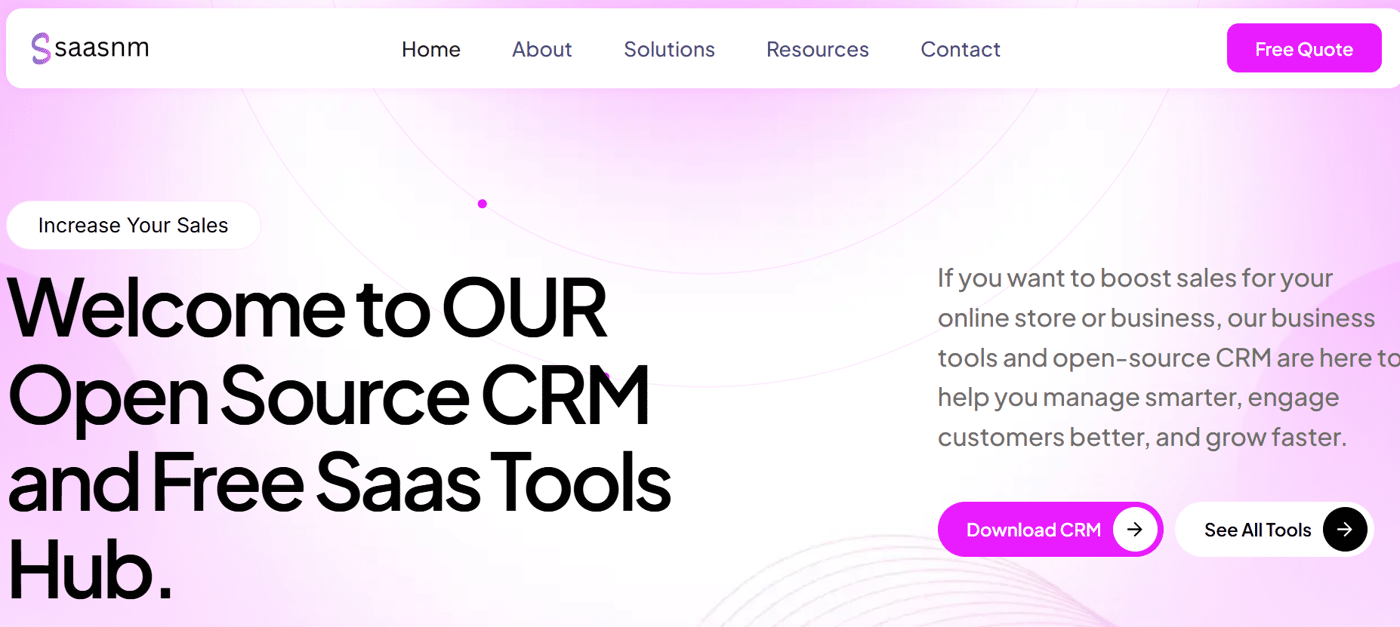
Businesses today rely on software for almost everything, from managing customers and creating invoices to analyzing data, generating content, and organizing daily operations. However, finding useful business software that is affordable, easy to use, and accessible without complicated subscriptions can be challenging.
This is where SaaSNM comes in. SaaSNM is an online platform that brings together free SaaS tools, business utilities, and open-source software resources designed to help startups, small businesses, entrepreneurs, freelancers, and growing companies handle everyday tasks more efficiently.
What Is SaaSNM?
SaaSNM is a website focused on providing practical online tools and software resources for businesses and individuals. Its goal is to make useful digital solutions easier to discover and use without requiring users to invest in expensive software for every small business task.
The platform covers different areas of business productivity, including invoicing, business analytics, AI tools, shipping, customer relationship management, and other common business activities.
Instead of searching across multiple websites for individual utilities, users can explore different solutions through one platform.
SaaSNM also focuses on open source CRM software, giving businesses an alternative to traditional proprietary customer relationship management platforms.
SaaSNM as a Free SaaS Tools Hub
One of the main purposes of SaaSNM is to provide access to free online business tools. SaaS, or Software as a Service, has become an important part of modern business because users can access software through a web browser without installing complicated applications.
However, many SaaS platforms operate through monthly or annual subscriptions. While subscription software can be valuable, smaller businesses and startups may not always need advanced paid features.
Free online tools can be useful for businesses that need to complete specific tasks quickly.
SaaSNM brings several types of business utilities together, allowing users to find tools for tasks such as:
Creating invoices
Generating shipping labels
Analyzing business information
Creating AI prompts
Generating business names
Developing slogans and marketing ideas
Exploring CRM solutions
Managing common administrative tasks
These tools can be particularly useful for entrepreneurs who want to test an idea, freelancers managing clients, and small companies trying to keep operating costs under control.
Open Source CRM Software
Another important area associated with SaaSNM is open source CRM software.
CRM stands for Customer Relationship Management. A CRM system helps businesses organize information about customers, leads, contacts, communications, and sales activities.
Large CRM platforms can offer hundreds of features, but they may also introduce significant costs as a business grows. Open source CRM software provides another approach.
With an open source CRM, businesses can potentially access and modify the underlying software according to their requirements, depending on the specific software's license.
For small businesses and developers, this can provide greater flexibility. Organizations can evaluate an open source CRM and determine whether it fits their workflow before committing to a large commercial platform.
SaaSNM helps users discover information and resources related to open source CRM and free CRM software, making it easier for businesses to explore alternatives.
Who Can Use SaaSNM?
SaaSNM is designed for a broad range of users rather than one specific type of business.
Startups
Startups often operate with limited budgets and need to move quickly. Free business tools can help founders complete important tasks without purchasing a separate subscription for every requirement.
Small Businesses
Small businesses can use online utilities for everyday activities such as invoicing, business analysis, marketing, and customer management.
Freelancers
Freelancers frequently handle administrative work themselves. Tools that simplify invoices, business information, and other repetitive tasks can reduce the amount of time spent on non-billable work.
Entrepreneurs
Entrepreneurs testing new business ideas can use free tools during the early stages of development. This can make experimentation easier before investing in larger software platforms.
Developers and Technology Users
Developers and technically experienced users may also be interested in open source CRM solutions and other software resources available through the SaaSNM ecosystem.
Why Are Free Business Tools Useful?
Free tools are not necessarily a replacement for every professional software platform. However, they can be extremely useful when a user needs a straightforward solution to a specific problem.
For example, a small business may only need to create an invoice occasionally. Purchasing an expensive accounting platform for that single task may not make sense.
Similarly, someone developing a new startup may need help generating business ideas, creating marketing content, analyzing information, or preparing documents.
A collection of accessible online tools can make these tasks easier while reducing the need to sign up for numerous separate services.
SaaSNM and AI-Powered Business Tools
Artificial intelligence is increasingly becoming part of everyday business software. SaaSNM also includes tools designed around AI-related workflows.
AI prompt tools, for example, can help users structure instructions for artificial intelligence systems. Better prompts can make it easier to generate useful content, ideas, summaries, marketing concepts, and other outputs.
For entrepreneurs and small businesses, AI tools can provide a practical way to experiment with emerging technology without requiring advanced technical knowledge.
A Practical Resource for Modern Businesses
The broader idea behind SaaSNM is simple: businesses use many different tools every day, but finding the right tool can take time.
A business owner might need an invoice generator today, a business analytics tool tomorrow, and a CRM solution when the company begins acquiring more customers.
Rather than viewing business software as a single category, SaaSNM brings together different types of digital resources that can support various stages of business activity.
This makes the platform particularly relevant to users who prefer exploring multiple solutions before choosing the software that fits their needs.
Is SaaSNM a Traditional SaaS Company?
SaaSNM is better understood as a hub for SaaS tools, business utilities, and software resources rather than simply another traditional subscription-based SaaS application.
The platform focuses on making useful tools and software information accessible to users. Its resources cover different business requirements instead of being limited to one specific function.
This distinction is important because SaaSNM is intended to help users discover and use different digital solutions rather than locking them into one software ecosystem.
The Future of SaaSNM
As businesses continue moving toward digital workflows, demand for accessible software tools is likely to remain strong. Small businesses especially need solutions that balance functionality, simplicity, and cost.
Platforms such as SaaSNM can play a useful role by bringing different business resources together in one place.
The combination of free online tools, AI-powered utilities, business resources, and open source CRM information creates opportunities for users to explore different ways of improving their workflows.
Conclusion
So, what is SaaSNM?
SaaSNM is an online hub focused on free SaaS tools, business utilities, AI-powered resources, and open source CRM solutions. It is designed to help startups, small businesses, freelancers, entrepreneurs, and other users find practical digital tools for everyday business needs.
From creating invoices and shipping labels to exploring business analytics and open source CRM software, SaaSNM brings a variety of useful resources together.
For anyone looking for accessible business software and free online tools, SaaSNM provides a starting point for discovering practical solutions without having to search through countless software websites individually.
Comment