Stop thinking
big
4 essential lessons for product managers on how to scale products.

One of the biggest mistakes that Product Managers make when approaching a problem is thinking too big and too “strategic”. This leads to an over-complication, filled with dreams, numbers and fancy slides—yet nothing gets shipped. Don’t get me wrong, there are times when thinking BIG is needed. However, in most of cases, solving the small problem at hand exceptionally well is what truly matters.
Let’s say you’re thinking of building a CRM for freelancers. That’s already a niche, but with millions of freelancers out there, why not go even more specific?
Here’s how we can break it down by solving one problem at a time:
#1 Starting with a micro niche
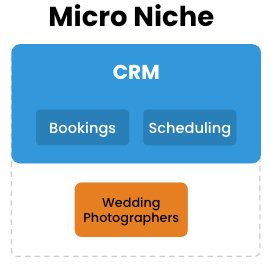
Instead of focusing on a broad niche, start with a micro niche. For example, build a CRM just for wedding photographers.
Wedding photographers have unique needs when it comes to managing:
Bookings
Contracts
and delivering photos to couples.
Rather than targeting a huge, generic market, you now have a small, focused group. Solve their problem and become obsessed with making their experience great. Sit with wedding photographers. Attend their events. Solve the problem so well that wedding photographers would say “WOW, that piece of software really improved my life!”.
#2 From micro to multi niche
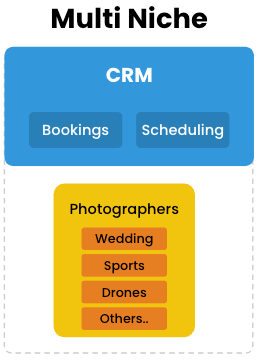
Once you’ve nailed it within the wedding photography space, you can branch out. Why not expand to serve sports photographers? Or maybe drone photographers? Grow step by step until you’re covering the entire photography market.
Take it slow - Because if one direction doesn’t work, you can easily try another. It’s all about adapting.
#3 From multi niche to adjacent markets
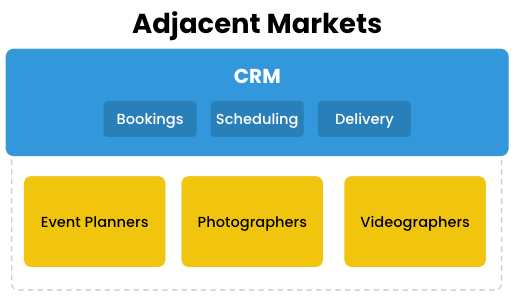
After locking down the photography market with your CRM. What’s next? You can target adjacent segments with similar needs - this could be videographers and event planners.
They also have similar needs for:
Managing clients
Scheduling
and Delivering work
#4 From adjacent markets to a platform
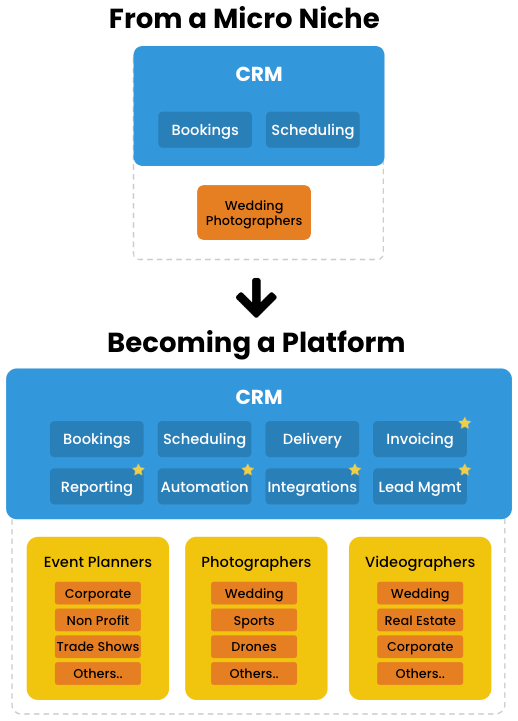
Once you’ve got that down and established a foothold in adjacent markets, think about what else your users might need? Maybe invoicing tools or a payment system. Since you’re already working closely with them, it’s easy to introduce new services (and even test them out first). Step by step, you expand from a niche product into a platform that serves entire industries.
Be patient. Great software takes time. The approach I’ve described could take at least 5-10 years to fully establish.
This post was inspired by The Indie Maker Handbook. It’s a solid book that talks about how to ship and test software in the wild. A 100% recommended read.
This article was originally published here.

Nice article