Advice from a founder with over 120 projects
Mubashar Iqbal has built over 120 projects in his career and holds the record for most launches on Product Hunt. Here are his keys to success.
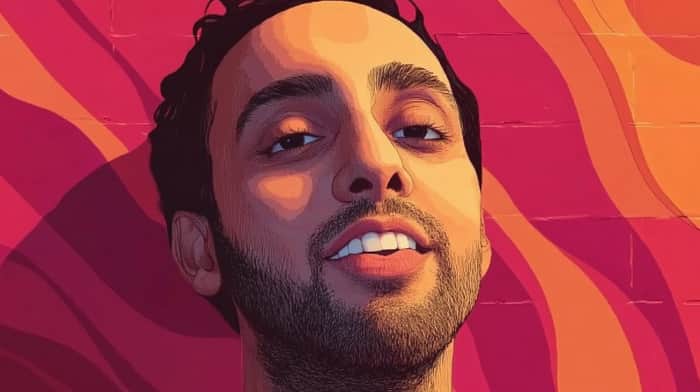
If there’s a more prolific indie hacker than Mubashar (Mubs) Iqbal, I want to meet them. Mubs has cranked out over 120 projects, has launched on Product Hunt 85 times (a record), runs a $10k/mo product studio, and is one of the “build in public” OGs. In short, the man is an indie hacking legend.
I recently caught up with him to get his advice for aspiring indie hackers:
1) What’s a mistake you often see new indie hackers make?
I think that they look at projects that have been around for like, 5678 years, and they think that they have to make that as their first thing. And so I think they aim way too high, because even those projects didn't start looking like that or working like that or have that many customers, right?
If you look back at how those projects started, they had a handful of people using it. They looked much worse in terms of the interface and how it worked, and they had a lot fewer features. But, what they did have is one or two things that they did really well, and that’s the key.
2) How do you stand out?
We talk a lot about product-market fit, but I think founder-market fit is just as important. Are you the right person to build that product? Can you reach the people you need to be able to build that product? Can you reach the customers you need to make the product a success?
More specifically, I think that authenticity really matters these days. People are really drawn to founders who sincerely care about what they are building. If you are able to portray that by building in public, then you’ll really be able to stand out.
3) What’s the biggest difference between building a side project and a full-time project?
One, obviously, you have a lot less time. Because, you know, instead of having an eight hour work day and your weekends and evenings, you've now only got weekends and evenings. So you have to really focus and make sure that you use that time efficiently.
At the same time, it also takes some pressure off, in the sense that when you’re doing something full-time, you have to worry about making enough money to pay the bills. When you have a side project, you don’t have that same pressure, so you can take your time and often build things you wouldn’t have otherwise built.
3) Should you validate your idea first?
If it’s your first couple of projects, no, because you have so many other things that you have to learn to do. That’s why I think your initial projects should be focused on scratching your own itches; then, you don’t need to validate if there’s a market for it. You’re the market!
It also depends on how long it will take you to build it. If it’s going to take six months, then you’ll want to validate that idea first. But if it’s a small side project, then just focus on nailing the processes that give it a chance to succeed.
4) How do you know your project is working?
Beyond just MRR, It’s really important to understand the funnel. So, how many people are coming to the website? Out of those people, how many are interested enough to give their email addresses? From there, how many are signing up? And finally, out of those people, how many are becoming paid users?
It’s really easy to give up too early if you don’t understand the funnel because you’ll see, let’s say, only three people sign up. But if you've got 10 people to come to the website and three people signed up, that’s an amazing conversion rate. So now all you have to do is get more people to visit the website.
5) What are your favorite marketing tactics?
For indie hackers, I think building in public is basically the only option. Pretty much everyone should be doing some version of build in public so that they can build their audience and get valuable feedback early on.
The reason I say it’s basically the only option is because everything else builds off of it. You can’t go on podcasts if you aren’t sharing what you’re doing. You can’t get interviews like this one if you aren’t sharing what you’re doing. You can’t launch on Product Hunt, Hacker News, or Reddit if you aren’t sharing what you’re doing. You can’t even have a newsletter if you aren’t sharing what you’re doing.
As an indie hacker, you won’t be raising millions of dollars and getting featured in TechCrunch. You need to build buzz differently. Building in public is the best way to do that.
6) How do you succeed on Product Hunt?
The main difference between the Product Hunt of the past and the Product Hunt of today is how competitive it now is. There are a lot more people launching now, including a lot of large companies. So, you have to bring your own following to help you get that initial upsurge of upvotes at the beginning. Once you get into the top 10, it’s much easier to stay there.
Other than that, I’d recommend following the official Product Hunt launch guide.
7) How do you manage your time?
Even though I don’t have a strict 9-5, I still think having a schedule is super important. Just knowing when you’re going to work on stuff helps you get into the right frame of mind. I also think it’s important to have an area dedicated to work. And then, outside of that, I think figuring out your to-do list is really important. Just figuring out, like, okay, these are the things I want to work on today, rather than sitting down when you have the time and then thinking about it, makes a huge difference for productivity.
8) How do you think indie hacking will be different In 5 years?
I think that AI will take away a lot of the need to collaborate with others. For example, in the past, a really good coder might team up with a really good designer. But with AI, you can make an amazing looking application without needing a designer.
The consequence of that is there will be a lot more people shipping. So, I think that indie hackers are going to have to really niche down in the future to stand out, just because of the sheer volume of products.
9) Final piece of advice?
A lot of people wait for the perfect situation before they get started. I think that’s a shame because, like I said earlier, the first few projects should just be learning experiences. So start now. The sooner you start, the quicker you’ll learn, and the better off you’ll be.

Gaming can be a healthy way to cope with stress when enjoyed in moderation.
Cool! Now I'm considering building in public. Very helpful!
Thanks for the kind words!
...But with AI, you can make an amazing looking application without needing a designer...
continuing the list:
...copywriter, lawyer, programmer, software architect etc.
All true!
Comment:
As a new indie hacker, I found Mubs' advice incredibly valuable. His point about not setting the bar too high right from the start and focusing on smaller projects in your area of expertise really resonated with me. I now understand that learning and growth are more important than perfection. The sooner you start, the quicker you'll learn. Thanks for the great advice, Mubs!
Thanks for reading!
Hi guys! Regarding building in public, have you guys had success on LinkedIn? I've never been on Twitter and heard most build in public there. I've been on LinkedIn for years so perhaps that's the best channel for me but wanted to get some advice here.
Very cool! I wonder if you have any sort of challenges or biggest concerns building in public. I always feel like it won't be interesting or good enough to put it out publicly. Any thoughts about this?
Nice article, I like the approach on not validating the idea at first, there's indeed a lot to learn.