Carving out a $1M+/yr niche out of the Microsoft ecosystem
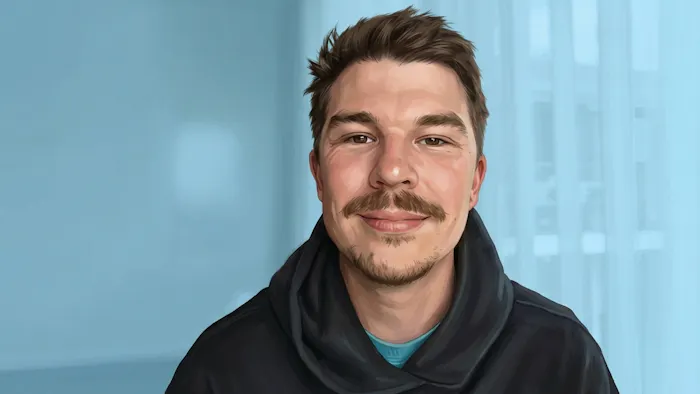
Thomas Mahony got a job that gave him the experience he needed to spot a niche problem and build a solution. Now, Pckgr is bringing in over $1M ARR with a small team.
Here's Thomas on how he did it. 👇
An unexpected path
I started working at a small managed service provider with five employees back in 2017. I started on the help desk and slowly built my knowledge on all things IT, from hardware to networking. After that, I worked at a consulting firm in Melbourne, mainly with Microsoft Intune. A massive consulting company called Capgemini then purchased the firm. I worked on some really big projects for clients at Capgemini, and that led to what I do today.
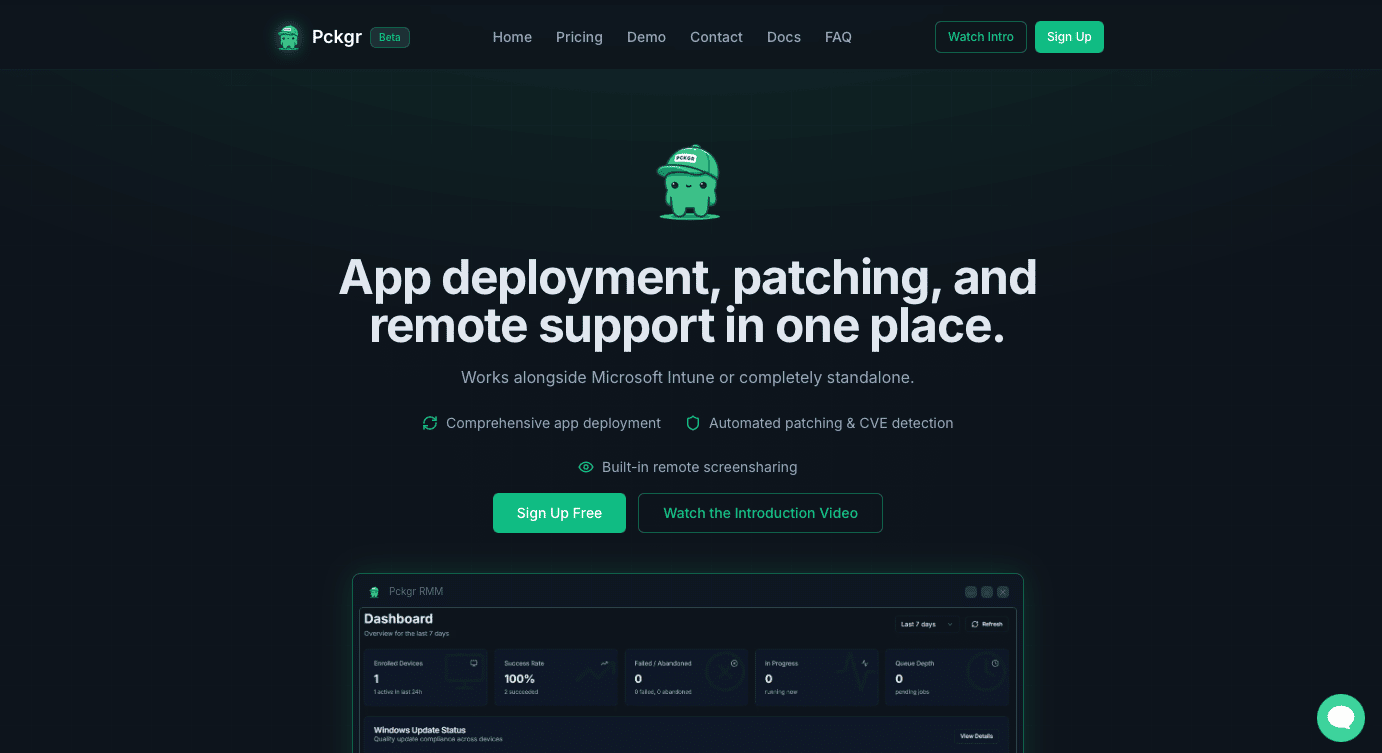
I am the founder of a company called Pckgr. We are a web-based SaaS located in Melbourne. Pckgr primarily helps IT Admins automate software and update packaging for their devices. Our customers range from under 100 devices to over 100,000 devices.
I started Pckgr because it solved a pain point I had experienced. Microsoft Intune features software deployment to your devices. I couldn't believe how much effort packaging an Intune-ready application required. Looking online for answers led me to forums where many people were in the same boat. Existing market solutions were too expensive for smaller businesses.
In other words, I spotted a niche where I could create a modern browser-based app deployment tool, keeping features and scope minimal for solo management.
So, I built it as a simple point-and-click tool that automatically packaged Intune-ready applications. For example, want Google Chrome deployed? Sign up for Pckgr, connect to Intune, then select Chrome and deploy. That's it.
We're currently over $1M ARR.
Bootstrapping a side project
I built most of the original product myself while Pckgr was still a side project. This was before AI tools like Claude Code and Cursor were available, so I completed much of the development and troubleshooting manually.
The business was fully bootstrapped, so I carefully managed costs, keeping the product as simple as possible and spending most nights working on the build. Luckily, SaaS startups can start extremely cheaply. Many services offer generous free tiers, helping to build with minimal overhead costs. This allowed the platform to scale while keeping it bootstrapped.
Pckgr uses a combination of no-code tools, cloud infrastructure, and custom automation.
Bubble for the application's front-end, which handles the user interface and custom front-end logic
GitHub Actions for application packaging and testing
Microsoft Azure for our back-end infrastructure, including serverless functions, storage, and the services that communicate with Microsoft Graph and our customers’ Intune environments.
My existing experience with Microsoft Intune was essential; I already understood the packaging process, the common failure points, and what IT administrators would expect from the finished product.
The main challenge I faced was building hundreds of application packages for deployment. I had to learn many fringe cases when dealing with Windows applications.
From free to recurring
I initially launched Pckgr completely free so I could attract early users and learn how the product performed in real environments. I think that's the best way to do it. Then, after resolving the most important early bugs and improving the platform based on user feedback, we introduced a subscription priced at $25 per month. That's when I went full-time on the product.
The recurring model works well because application management is not a one-off task; software must continually be deployed, updated, replaced, and maintained.
The first paying customer validated our product, demonstrating that the problem was significant enough for someone to pay to solve. As the product matured and delivered more value, we expanded the available plans and adjusted pricing to better reflect the capabilities of the platform. We now have four tiers: Starter, Pro, Business, and Custom. And increasing our prices played a significant role in our growth.
Our customers range from smaller IT teams managing their own environments to managed service providers supporting multiple client organizations.
Reddit and partnerships
Once we had a working minimum viable product, we launched Pckgr for free in subreddits and Facebook groups where Microsoft Intune administrators were already discussing application packaging and deployment. That gave us immediate access to a highly relevant audience and helped us validate whether the problem was important enough for people to try a new solution.
After the initial Reddit launch, we used our marketing budget to contact Microsoft MVPs (independent technology experts in the Microsoft ecosystem) to demo the product. Partnering with these specialists proved to be one of our most effective growth channels.
They already had trusted audiences in the Intune community, so we asked them to demo the product on YouTube. This worked well because the audience was highly targeted, and the content continued attracting customers long after it was first published. A useful YouTube demo can still generate sign-ups years later, which gives it a much longer return than a short-lived advertising campaign.
Removing roadblocks
I hit so many roadblocks. I was frequently sure that there was no way forward. The worst was when I was getting close to launching. Microsoft announced that it would release its own similar platform. I lost a ton of motivation and almost abandoned the idea of releasing.
But whenever I hit a roadblock, I'd go to sleep, wake up the next day with an idea, and keep going.
Staying motivated is important as an indie hacker.
Originality and passion
It's hard to give advice because it's much different now than when I started, and honestly, a bit scarier. With Claude Code and other AI solutions, the barrier to entry feels incredibly low. That means competition is increasing.
But the flipside of that is that it's also easier than ever for you to build an MVP to test an idea. So do that.
And make sure it's something unique that you are passionate about.

Leave a Comment
Really appreciate the "unexpected path" framing here, Thomas — the fact that Pckgr came from a pain point you personally lived (Intune packaging hell) is such a strong foundation. The detail about launching free on Reddit/FB groups to validate before charging is a masterclass in lean validation.
Two things really resonated:
"The worst was when I was getting close to launching. Microsoft announced that it would release its own similar platform." — That moment of "should I even continue?" is so real. I'm building a B2B AI product (INDUSTRIE5, a digital twin for companies) and I keep wondering: when a big player enters your space, how do you decide whether to pivot, double down, or niche down further? Was there a specific customer conversation or metric that gave you confidence to proceed anyway?
The MVP YouTube demo strategy with Microsoft experts. The idea that "a useful demo can still generate sign-ups years later" is such a powerful reminder that compounding content > short-lived ads. How do you evaluate which MVPs to partner with? Is it purely audience size, or do you look for something deeper (teaching style, credibility, niche alignment)?
Also curious: with AI tools like Claude Code lowering the barrier to build, how do you think about defensibility for niche B2B tools like Pckgr? Is it more about domain expertise, workflow integration, or something else?
Thanks for sharing the journey — following Pckgr's next chapter (and the RMM venture!).
The Microsoft ecosystem angle is underrated - tons of legacy enterprise value sitting there that most builders overlook. Finding that specific pain point and building focused enough to capture it is a solid playbook.
This is a great example of solving a real problem you've personally experienced instead of chasing trends. I like how you started with a simple MVP, validated it with real users, kept costs low through bootstrapping, and continuously refined the product based on feedback. The part about nearly giving up after Microsoft's announcement but choosing to keep building anyway is especially relatable—competition doesn't always eliminate opportunity when you're focused on execution and customer needs. Reaching over $1M ARR from a niche SaaS is an impressive milestone. I'm curious: looking back, what was the single decision that had the biggest impact on Pckgr's growth—raising prices, partnering with Microsoft MVPs, or staying laser-focused on a specific niche?
This is a great example of solving a real problem you've personally experienced instead of chasing trends. I like how you started with a simple MVP, validated it with real users, kept costs low through bootstrapping, and continuously refined the product based on feedback. The part about nearly giving up after Microsoft's announcement but choosing to keep building anyway is especially relatable—competition doesn't always eliminate opportunity when you're focused on execution and customer needs. Reaching over $1M ARR from a niche SaaS is an impressive milestone. I'm curious: looking back, what was the single decision that had the biggest impact on Pckgr's growth—raising prices, partnering with Microsoft MVPs, or staying laser-focused on a specific niche?
Nice story, thanks for sharing. Is always difficult to find the first paying customer, it would be nice to hear that too! Wish you all the best for your future
I wish you all the best in your journey. it seems so promising!
Such a great informative post
Over my decade of writing for IH and interviewing hundreds of founders, I’ve seen firsthand how crucial fast, friction-free collaboration is for early-stage teams. Building tools like dbrief and LoomFlows taught me that visual clarity saves hours of back-and-forth.
That’s why I’ve been testing out Whitebo—an intuitive online board designed to make real-time brainstorming and project mapping effortless. Would love for you all to check it out and share your thoughts
L'écosystème Microsoft est souvent sous-estimé : il recèle une valeur considérable pour les entreprises existantes, souvent négligée par les développeurs. Identifier ce besoin spécifique et concevoir une solution ciblée pour y remédier constitue une stratégie efficace.
Quelle histoire incroyable ! Résoudre un problème que vous avez vous-même rencontré en travaillant avec Intune est la preuve ultime de l'adéquation produit-marché. Atteindre 1 million de dollars de revenus annuels récurrents avec une interface sans code (Bubble) et une pile Azure est une source d'inspiration formidable pour les entrepreneurs qui se lancent avec peu de code. Merci pour le partage
The strongest lesson here is that the niche came from lived experience, not brainstorming startup ideas. You already understood the painful workflow, the existing alternatives, and exactly what users needed simplified.
The distribution was equally focused: launch where the specific users already discuss the problem, then work with experts they already trust. That seems far more repeatable than trying to manufacture broad awareness through ads.
At what point did you realize this could become a $1M+ ARR business rather than remain a useful side project?
This is a masterclass in niche + distribution.
Shipping free into Intune subreddits/Facebook groups first, then using MVP YouTube demos, is exactly the “systems not spikes” approach — content that keeps compounding years later is underrated.
The Microsoft “we’re building something similar” moment hit hard. I’ve felt that too with compare/AI tooling. Sleeping on it and shipping anyway was the right call.
Curious: when you went from free → $25/mo, was the bigger jump getting the first payer, or raising prices later across the four tiers?
Love the path: 2017 help desk at a five-person MSP → Intune consulting in Melbourne → Capgemini-scale projects → then Pckgr for the packaging pain you actually lived.
The pricing insight is crisp — enterprise packaging tools that leave shops under 100 devices out in the cold. And keeping the product intentionally thin so a solo founder can run it is a discipline most people only learn the hard way.
What’s the one feature you keep almost adding… and then cut again so Pckgr stays shippable alone?
Carving out a $1M+ ARR niche around Microsoft Intune is a brilliant execution strategy. Packaging and deploying apps for IT admins with a modern point-and-click workflow solves a massive enterprise headache that legacy tools charge a fortune for. Awesome milestone for Pckgr!
Absolutely. Finding a problem people already have is often easier than convincing them they need a new solution. Execution and improvement usually beat invention.
The career path into the niche is the real lesson here. Help desk to Intune consulting to a product that removes the packaging pain. That’s not a random SaaS idea. That’s lived frustration.
Launching free in Intune Reddit/Facebook groups first, then using Microsoft MVPs for YouTube demos, is a strong distribution combo. Trusted niche creators beat broad ads for this kind of tool.
Also respect for almost quitting when Microsoft announced something similar and still shipping anyway. That’s a roadblock a lot of people don’t recover from.
I built Make it RAIN for creators monetizing what they ship, so the “start free, learn in real environments, then charge” sequence is useful even outside IT admin tools.
One takeaway I’m stealing: go where the exact buyers already complain, not where startups hang out in general.
This is the kind of SaaS I like seeing. Boring workflow pain, clear buyer, simple solution. Those often beat flashy ideas.
I ran one of Microsoft's largest MSPs for almost twenty years, and Thomas found the pattern that built my whole business: the gaps Microsoft leaves are features to them and companies to us. The competing-product announcement is a rite of passage, Microsoft announces broad, ships slow, and rarely goes deep on admin pain like packaging. And the MVP demo channel is underrated, one YouTube demo from a trusted Intune voice outsells a quarter of paid ads.
Good Post!
good
Stories like this are a great reminder that persistence pays off, whether you are building a mainstream SaaS platform or a niche technical utility
i can totally relate to, loosing motivation due to a setback and then waking up the next day, with a better mindset to keep pushing.
This is a great example of why deep domain knowledge matters. You didn’t try to build a huge platform. you solved one frustrating Intune problem really well. Also, almost quitting when Microsoft announced something similar is relatable. Glad you kept going.
Great breakdown of a classic bootstrap success story. Thomas Mahony’s journey with Pckgr highlights a few timeless indie hacker principles that still apply today:
Scratch Your Own Itch: He didn't guess what the market wanted; he built a solution for a highly specific, painful problem he personally experienced while working at a consulting firm.
The Power of Community Marketing: Launching in highly targeted subreddits and leveraging Microsoft MVPs on YouTube created a long-term organic growth loop that paid advertising rarely matches.
Don't Fear Giant Competitors: When Microsoft announced a similar feature, it almost killed the project—but Pckgr succeeded anyway by staying nimble, cost-effective, and highly focused on smaller businesses.
It’s an excellent blueprint for turning specialized domain knowledge into a $1M+ ARR SaaS.
good
It's a very brilliant idea that can resolve tension because I saw many developers to deploy their apps, and they feel very hectic and bad during deployment.
"Building a modern browser-based tool to simplify Intune application packaging is a brilliant way to slice a niche out of a massive ecosystem. Microsoft Intune is powerful, but the sheer effort required for standard software deployment and packaging is a massive bottleneck for smaller IT teams who can't afford enterprise-grade, complex alternatives. Keeping the features minimal and focusing on a dead-simple 'connect, select, and deploy' workflow solves a very painful, specific frustration.
Scaling Pckgr to over $1M ARR by targeting this exact gap is incredible validation. Since your customer base ranges from small operations to companies with over 100,000 devices, did you have to fundamentally change your pricing model or add heavy enterprise security compliance features early on to close those massive accounts, or did the simple self-serve model hold up?
Literally spoke his dreams to reality respect brother , i wish i had ur hard working mentality and the longevity is insane . much respect
Nice one, for a logistic trust company, what is your advice on building a funnel to attract users who can test your product?
What's the task you keep putting off the longest?
Congrats on the massive milestone, Thomas! Hit $1M ARR with a small team is the ultimate indie hacker dream.
I love how you traced your path from working a small help desk job in 2017 to building Pckgr. It shows that domain expertise and understanding a niche deeply beats everything else.
What's the task you keep putting off the longest?
Microsoft announcing a competing platform was the useful stress test: Pckgr survived because it encoded the ugly Intune packaging edge cases, not because Microsoft lacked features. The stronger moat is the maintained application-package corpus plus the trust of admins managing real fleets. I'd track how many support incidents each newly automated package removes; that turns niche expertise into a measurable product asset.
Really interesting example of how a focused niche can still turn into a serious business. I like the point that you do not always need to chase a massive market if the problem is specific, painful, and recurring. Building around an existing ecosystem like Microsoft also makes sense because the users already have clear workflows, budgets, and reasons to pay for a better solution.
What's the task you keep putting off the longest?
You didn't just build a product, you solved a problem you had experienced yourself and understood deeply. Well done, congrats!
What's the task you keep putting off the longest?
you really nail it
Carving out a $1M+/yr niche in the Microsoft ecosystem requires identifying a specific underserved market and solving its most valuable problems.
By combining Microsoft technologies with specialised services, businesses can build recurring revenue and scale within a focused niche.
What's the task you keep putting off the longest?
The part that stood out most was almost quitting when Microsoft announced a competing product—but shipping anyway. That's a reminder that execution and understanding your users matter more than fear. Inspiring journey!
What's the task you keep putting off the longest?
Wow, that's like finding a needle in the haystack.
What's the task you keep putting off the longest?
Finding a small problem that people deal with every day can be more valuable than chasing a big idea.
What's the task you keep putting off the longest?
The niche specificity here is the real moat, Intune packaging is a problem specific enough that anyone searching for a solution is already pre-qualified as a buyer, which is why Reddit and YouTube demos in that exact community worked when broader marketing probably wouldn't have.
What's the task you keep putting off the longest?
I wish you all the best, and it's great that you've saved other people time. It's wonderful that you're doing something you love.
What's the task you keep putting off the longest?
If Pckgr saves an IT admin even a few hours each month and reduces deployment mistakes, the subscription fee is clearly valuable.
This gives me motivation to continue my own projects, thank you for sharing!
Congrats on the $1M+ ARR milestone, Thomas! This is a masterclass in carving out a highly profitable B2B niche.
The marketing channel you leveraged—partnering with Intune specialists to demo Pckgr on YouTube—is an underappreciated hack. In B2B, a trusted recommendation from a niche expert is worth 100x more than generic paid ads.
I’m currently bootstrapping qrbrand.cc (custom branded QR codes), and we are looking for similar "niche multipliers" (like print designers, packaging agencies, and retail consultants).
When you first approached these Intune specialists, how did you pitch the collaboration? Did you offer them a paid sponsorship/affiliate commission, or did they review it simply because it solved a huge headache for their community?
Thanks for sharing your journey!
What's the task you keep putting off the longest?
For me, the tasks sitting in my 'Next Steps' that I keep putting off the longest are all marketing and outreach-related:
Sending a cold pitch with a custom mockup to a potential packaging partner on Instagram.
Engaging and commenting in English-speaking Facebook Groups to build karma and trust.
Executing my daily $0 lead-gen playbook on X (Twitter), LinkedIn, and Instagram.
Why do we put these off the longest? It’s the classic developer-turned-founder trap. Writing code and optimizing systems is a safe haven. It's binary: it either works or it doesn't, and we are in absolute control.
Outreach, on the other hand, forces us out into the open. It means facing ambiguity, radio silence, and direct rejection. It’s incredibly easy to 'hide' behind refactoring and database optimization to feel productive, while avoiding the hardest but most crucial task: selling.
That's a sharp read the 'safe haven in code' trap is real. Out of those three, the daily lead-gen execution across platforms seems like the one that's most mechanical once the playbook is defined you set the rules once, then it's just consistent execution, not judgment calls. That's actually closer to what I'm building with TaskRelay. Would you ever hand off the daily grind part of outreach (not the strategy, just the doing) if it meant it actually got done consistently?"
Absolutely, consistency is the hardest part. If I could hand off the manual 'doing' of outreach and guarantee it gets done every single day, I’d take that in a heartbeat.
However, the biggest hesitation for me (especially with a B2B product like qrbrand.cc) is personalization. High-volume generic outreach just gets flagged as spam. For outreach to actually work, every message needs to feel like it was written by a human who actually looked at their profile.
How does TaskRelay handle that balance between automation/hand-off and making sure the outreach doesn't lose its personal touch?
Following up on the pruning/trust conversation from a few days back is there a specific task in your outreach pipeline you'd actually want handed off right now, even as a small paid trial? If the timing's not right, no worries, just wanted to check before this thread goes cold
Good question, and it's the right thing to push on. TaskRelay isn't automated outreach it's a person actually reading each profile/bio before writing anything, so the message references something real about them instead of a merge-tag template. The trade-off is speed vs. generic mass-automation: you get fewer messages per hour than a bot could send, but each one is actually written by a human who looked at the person first. For a B2B product like qrbrand.cc, that probably means smaller daily batches with real personalization, not blasting volume. Would that trade-off (slower, but genuinely personal) actually solve the consistency problem for you, or does the strategy still need volume that only automation could realistically hit?
brilliantly executed, especially the part where you partnered with your ideal audience to demo the product on YouTube.
What's the task you keep putting off the longest?
praying for this bro
" That means competition is increasing". It's true, so as an independent developer, how should we address this challenge?
What's the task you keep putting off the longest?
The "existing solutions were too expensive for smaller businesses" line is the part that stands out to me. I hit something similar building a Chrome extension for YouTube analytics: the established players are solid but built for a broader audience and priced for a channel further along than a pre-monetization creator actually is. Scoping down to exactly the diagnosis a smaller channel needs, and pricing accordingly, ended up being the whole differentiator. Sounds like the same pattern here versus the enterprise Intune tooling.
What's the task you keep putting off the longest?
I ran one of Microsoft's largest MSPs for almost 20 years, and the packaging pain Thomas describes is real: every Intune admin I knew treated app packaging as a tax on their week. The lesson worth stealing is that Microsoft announcing a competing feature is rarely fatal, since they build for the 80% case and leave the painful 20% to companies like Pckgr. Niches inside giant ecosystems are some of the most durable businesses I've seen.
What's the task you keep putting off the longest?
that is really something new and interesting I heard this week loved that !
What's the task you keep putting off the longest?