I Thought I Needed to Stretch. I Needed to Quit.
My “tight hips” were just chronic stress with a UI.

Tight hips suck. I used to walk around like I was warming up for hurdles, hoping my body would just chill out.
Anyway.
Before I quit my job, I had “tight hips.”
They hurt. They felt locked. Sometimes it was a dull ache, sometimes sharp. I filed it under the normal adult drawer: posture, aging, sitting too much, whatever.
I didn’t think much of it.
Then I quit.
My brain felt amazing almost immediately — light, happy, relieved. Like someone finally turned off a loud machine I didn’t realize was running.
But my body?
My body crashed.
For weeks I was exhausted in a way I hadn’t been before. Not sick. Not depressed. Just bone-level tired. Like everything I’d been holding together finally got permission to fall apart.
And then — quietly, without effort — my hip pain disappeared.
No stretching routine.
No mobility protocol.
No fix.
Just… gone.
That’s when I started thinking the mind/body connection is less mystical and more like systems behavior: you can’t run a process at 90% CPU forever without heat showing up somewhere.

This wasn’t a “sitting too much” problem
Most hip pain advice is mechanical: tight hip flexors, bad posture, ergonomics, inactivity.
But that story never fit.
I had a standing desk.
I moved constantly.
I wasn’t sedentary — I was vigilant.
So I stopped asking what position my body was in and started asking:
What state is my body living in?
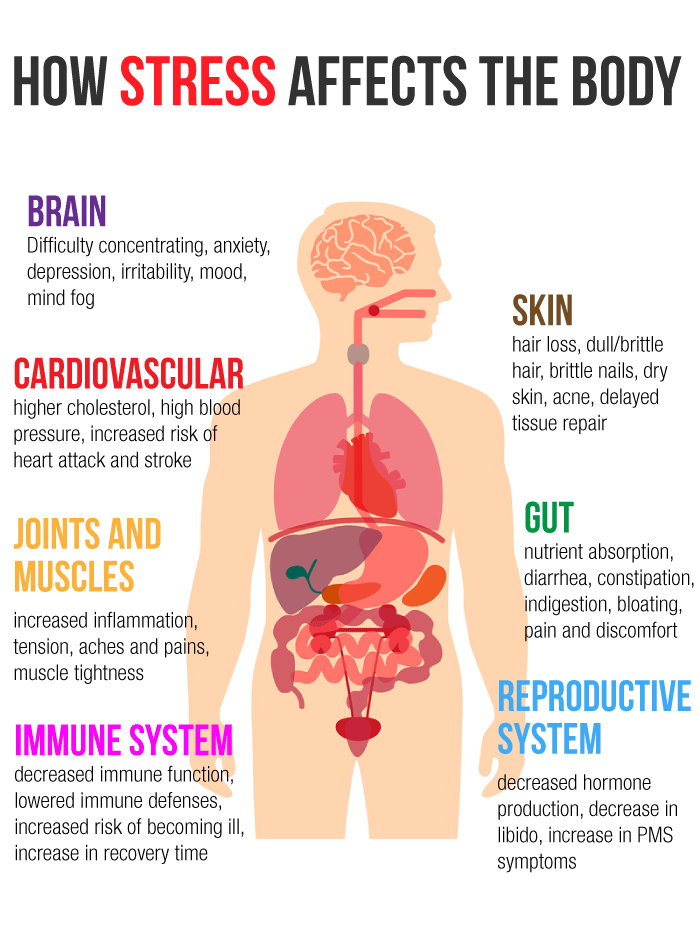
Layer 1: Stress physiology, not posture
I don’t think my hips were tight because I needed to stretch more.
I think they were tight because I was stressed all the time.
Not “panic attack” stressed. More like: low-grade bracing. Always slightly on. Always ready. Never fully downshifting.
And your hips are basically your body’s support beam. If you live in brace mode, it makes sense that’s where the tension camps out.
Layer 2: Why my body picked hips as the symptom
Here’s the important part: I noticed the hip pain.
What I didn’t notice was global exhaustion.
Hip pain fit a story I already believed: “normal wear.” It was localized, containable, and didn’t require me to change anything.
Exhaustion would’ve been inconvenient. It would’ve demanded rest, boundaries, or a slower pace — things my life at the time didn’t really allow.
So my system did something efficient:
It expressed stress in a way that didn’t threaten the whole setup.
The signal wasn’t missing.
It was translated into something manageable.
I didn’t ignore my body.
I explained it away.
Layer 3: Why I crashed after I quit
When I quit, my brain relaxed immediately.
My body didn’t celebrate. It collapsed.
For weeks I felt heavy, run down, depleted — like my system had stopped buffering stress and was now processing the backlog.
While I was working, my nervous system stayed elevated — sympathetic, activated, capable. That state suppresses fatigue signals. It keeps you moving.
When the stressor disappeared, the system downshifted.
Relief didn’t feel like rest.
It felt like payback.
And only after that passed did my body recalibrate.
That’s when the hip pain vanished.
Where somatic work fits (without making it a religion)
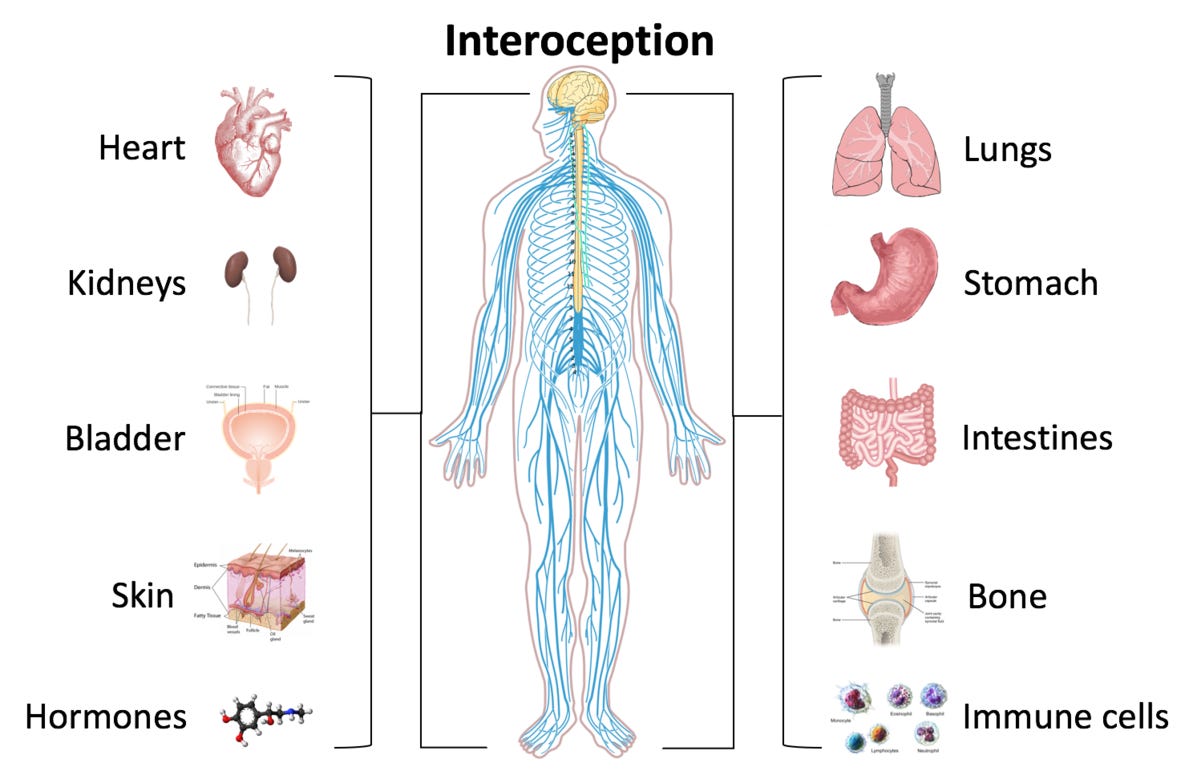
I don’t think you can stretch your way out of trauma.
But I do think the body flags misalignment before the mind is ready to admit it.
Somatic work isn’t magic. It’s access.
It helps you notice patterns of tension, arousal, and shutdown — and ask:
Why is my body doing this right now? What am I adapting to?
Used this way, it’s not curative. It’s diagnostic.
What I take from this
I didn’t fix my hips.
I changed my life.
My body had been cooperating with a level of pressure I didn’t want to sustain. When that pressure disappeared, it took time to catch up — first by resting, then by letting go.
The unsettling part isn’t that stress showed up physically.
It’s how easily I normalized it.
So now, when something feels “off,” I’m less interested in hacking the symptom and more interested in asking:
What am I calling “normal” that’s actually just adaptation?
Because I don’t think the body knows secrets.
I think it just tells the truth earlier — and quieter — than we’re used to listening for.
Follow me on Substack: https://substack.com/@getmekaiac/

Interesting perspecitve. i think a lot of founders normalize that constat "background stress" because it feels productive.
Man, I just got to Indie hackers for some Tech advice and then I run into this great article! thanks for sharing, I didn't know I needed this today!
This is a great read on the human body
Hi everyone!
I'm a Delhi-based indie maker looking to sell my side project: SachCheck AI – a simple Hindi fact-checker tool for fake news.
- Features: Dark UI, claim input, result badges (true/false/unknown), local history (localStorage), daily limit (5 checks), premium tease (alert).
- Tech: Single-file HTML/JS, Vercel deploy, keyword-based simulation (easy to upgrade to real API like Grok/Gemini).
- Metrics: Zero revenue, zero users yet (early MVP), but strong niche potential in India (fake news issue big).
- What's included: Full code on request, deploy instructions.
- Asking price: $1,000–$1,500 (₹80,000–₹1.2 लाख) or best offer (OBO, negotiable).
- Why selling: Flipping this side project to focus on the next idea.
DM me for live demo link, screenshots, code preview, or details. Happy to answer questions or negotiate!
Thanks!
Pawan
HELLO! Pawan I am glad to talk to you can you tell me ways how to make these type of application?can we connect on linkedin and instagram?
Stretching exercises are a simple yet highly effective way to reduce stress and improve overall well-being. Regular stretching helps relax tense muscles, which are often a physical response to stress, thereby promoting a sense of calm and relaxation. It also improves blood circulation, which increases the delivery of oxygen and nutrients to the brain and body, enhancing mental clarity and focus. Engaging in stretching routines can trigger the release of endorphins, the body’s natural “feel-good” hormones, which helps combat anxiety and low mood. Additionally, stretching promotes better posture, reducing discomfort and strain caused by long hours of sitting or poor ergonomics, which can indirectly lower stress levels.
Incorporating stretching exercises into daily routines is easy and requires no special equipment, making it accessible for people of all ages. Morning or evening stretches can create a mindful pause in the day, offering time for deep breathing and mental relaxation. By dedicating just a few minutes to stretching, individuals can develop a healthier connection between mind and body, reduce physical tension, and manage stress more effectively. Overall, stretching exercises are a practical, low-cost, and natural method for improving both physical health and emotional resilience.
Do stress have any impact on our work? As?
Sometimes I find that when I'm not working (ie not stressed) I have the most clarity. step away for a few hours and solve something in 5 minutes that would otherwise take all day. working all the time and feeling stressed starts to pull you awway from what you're actually trying to accomplish if not careful.
This is a surprisingly common pattern.
People tend to assume stress is psychological but the body usually detects misalignment first. Tight hips, jaw tension, digestive issues, and sleep disruption are all early signals that something about the environment or identity isn’t working.
What’s interesting is that we measure almost everything else in life from credit scores to productivity metrics and biomarkers but there’s been no real way to measure internal alignment — how well someone’s behavior, environment, physiology, and emotional regulation are functioning together.
Most only discover the signal after they remove the source.
Stories like yours are exactly why I developed the system to quantify that drift. Once the body starts keeping score, the misalignment has already been present for a while.
This is a really thoughtful reflection. I like how you explained the mind–body connection without making it sound mystical. The idea that chronic stress can show up as physical tension (like tight hips) makes a lot of sense. Also, the way you described the body “processing the backlog” after stress is gone is powerful it shows how much our bodies adapt to pressure without us realizing it.
And the way you used fancy or expressive language to explain these ideas makes the message even stronger. https://caratteriispeciali.com/ It helps readers visualize the experience and better understand how stress and physical symptoms can be connected. Really insightful perspective.
The “90% CPU” analogy really clicked for me.
In tech we’re used to debugging symptoms instead of the system state. We optimize posture, routines, productivity hacks… but sometimes the real fix is removing the pressure source rather than tuning the symptoms.
Curious if quitting changed how you structure work now — do you have any habits or boundaries that help prevent falling back into that constant “brace mode” again?
I’ve seen a similar pattern, just in a different form.
When I was deep in building mode, I didn’t feel “tired”. I felt friction.
Everything took longer
small decisions felt heavier
but I explained it as complexity, not state
Only after stepping back did it click that the system was overloaded, not the work.
What surprised me: the signal wasn’t obvious pain, it was degraded decision quality.
This is a great way to frame it.
I think a lot of people underestimate how much “baseline stress” becomes their normal state. It’s not acute, so it doesn’t feel like something is wrong — but it slowly leaks into the body.
What stood out to me is how the system held everything together while the pressure was there, and only allowed the crash once it was safe to do so. Almost like the body prioritizes function first, recovery later.
Makes you question how many “physical problems” are really just long-term adaptations to environments we haven’t changed yet
The line about your body expressing stress in a way that 'didn't threaten the whole setup' hit hard. That's such an accurate description of how we rationalize physical symptoms when stopping isn't an option.
I noticed something similar building a product while working full time. The tension wasn't dramatic, just a constant low-grade hum I called 'normal.' It wasn't until I carved out actual recovery time that I realized how much I'd been running on fumes and calling it focus.
The reframe from 'what position is my body in' to 'what state is my body living in' is genuinely useful. Going to sit with that one.
This framing of stress as “systems behavior” really resonated. We often try to debug the symptom locally (stretching, posture, productivity hacks) instead of looking at the environment the system is running in.
The idea that the body expresses pressure in a way that allows us to continue functioning is powerful — it’s almost like graceful degradation in software.
Makes me wonder how many things we label as “normal discomfort” are actually just long-term adaptation signals.
This hit a bit too close, I’ve definitely been stuck in that "fix the symptom" loop instead of questioning the system underneath. :) Really appreciate this perspective, it’s a good nudge to zoom out and actually rethink what “normal” should feel like.
Your body was doing exactly what it was designed to do.
Surviving the environment you put it in.
The hips weren't the problem. They were the report.
got to work to eat though, but i guess find something that doesn't kill your soul
Great insight. But let me ask you a real question: is it better to be healthy and poor or well-off and stressed? From where I stand every job in my industry is super stressed: everyone has either depressants or Chinese therapy going on. Burnout is the norm. What will it be healthy but poor and then stressed by finances or stressed but happily employed?
Man, burnout sneaks up exactly like that—ignoring the stretch until you're forced to quit. Solo grind usually hits me hardest; feature creep turns into a black hole. Track your weekly commit frequency—when it drops 30% for 2 weeks straight, that's your signal to pause and reassess
💚💚💚💚💚💚
The 90% CPU analogy is spot on. It’s so easy to treat physical tension like a bug in the hardware (posture, chairs, stretching) rather than a signal from the OS that the environment itself is the problem. That 'backlog of stress' you mentioned really resonates, it’s a reminder that the body keeps the receipts even when the mind thinks it’s 'handling it.' Great reframe on quitting as a diagnostic tool rather than just an exit.
this is so insightful, self awareness is golden.
Great read. Sometimes it’s not about pushing harder, it’s about knowing when to stop pushing the wrong thing as quitting the wrong path often takes more courage than continuing it.
I love this perspective. My low-level tension often hides in small aches until life slows down. Curious, did you notice other “hidden stress signals” before your body finally recalibrated?
This resonates. Sometimes the hardest part is realizing the problem isn’t execution — it’s direction.
I identify with this so much.
“I’m curious:
Do founders actually think about their professional reputation as a strategic asset, or is that something people only worry about later?” Perceptaadvisory.com
this is mistery of body
Amazing
Impressive
The part about your body expressing stress in a safe way really stuck with me. I think a lot of us try to fix the symptom (stretching, routines, etc.) instead of questioning the bigger picture. It’s just easier to keep going. I also appreciated you mentioning the crash after quitting, not many people talk about that part. Makes me rethink what I’ve been ignoring lately...
This really hit. The idea that your body translates stress into something "manageable" so it doesn't threaten the whole setup, that's a reframe I didn't know I needed. I've been explaining away signals for years.
I went through something very similar while working long hours. I thought it was just a physical issue, but it turned out to be stress + lack of movement.
What helped me was a simple routine: short daily walks, light workouts, and fixing my diet. My energy and focus improved a lot.
If you're dealing with this, I can share a simple plan that worked for me.
I went through something very similar while working long hours. I thought it was just a physical issue, but it turned out to be stress + lack of movement.
What helped me was a simple routine: short daily walks, light workouts, and fixing my diet. My energy and focus improved a lot.
If you're dealing with this, I can share a simple plan that worked for me.
I feel this. I departed from a high stress job last year. I had a 6 month gap between employment where I was able to focus on my health. It was the reset that I needed to go into my next opportunity with 10x more motivation and productivity. Keeping those healthy habits going into perpetuity is my goal!
I went through a similar thing this past year with my startup.
One of the major sources of stress for me was feeling like I wasn't in control of my calendar and was constantly replanning.
Just keep relax
The phrase 'chronic stress with a UI' really hits home. As founders, we often ignore the physical signs of burnout. Besides quitting certain habits, do you have a specific routine that helps you disconnect from the screen and the 'founder' mindset?
多跑跑步,拉拉伸
This resonates — I’ve been dealing with neck pain lately, and it makes me rethink what I’ve been calling “normal.”
I had the same experience. Spent months trying to fix "tight hips" with stretches and yoga, nothing worked. Then I quit a toxic job and within weeks it disappeared. I realized my body was literally holding tension from constant stress. Now when I help people track their fitness, I always ask "what's your actual stress level?" before recommending anything. The mechanical fixes don't matter if the system is in crisis mode.
This resonates so much. I've been building FitTrack Daily (a privacy-first calorie tracker) and noticed the same thing—stress shows up as poor eating habits and inconsistent tracking, not just tight hips.
The connection between mental state and physical tracking is real. Most fitness apps ignore the stress component entirely. They just want your calorie count, not your context.
Great reminder that the UI of our stress often distracts from the actual problem.
We're building something in that space — Sp5der Worldwide (you can Google it).
This really resonated with me, especially the idea that the body isn’t hiding anything; it’s just expressing things in a way we’re willing to tolerate.
I’ve been in tech for ~23 years and definitely recognise that low-level, always-on state becoming “normal.” Nothing dramatic, just constant background tension you stop questioning.
The point about the signal being translated into something manageable really hit.
It’s not that the body isn’t communicating - it’s that it picks a form that doesn’t force you to change anything.
Class work Kaia
We recently built an AI agent that qualifies inbound leads and books demo calls automatically. Happy to show a quick demo if helpful.
I think this is a great take away from Indie Hackers, of course we do see people succeeding and failing here but having an article such like this resonates more people. I also had a constant body pain while working full time, then I quit the pain was gone. But of course, now I have more pains - mostly in my brain - but happy.
This is a really engaging take. I like how you connected the mind and body in a way that feels practical rather than abstract. The idea that stress can quietly build up and show itself as physical tension, like tight hips, is explained in a way that’s easy to relate to and understand.
What stands out even more is how you described the body “releasing” that built-up pressure once things calm down. It gives a clear picture of how our system keeps adapting behind the scenes, even when we’re not fully aware of it.
This resonates a lot. I’ve had moments where a random physical issue disappeared right after a stressful project ended.
It’s wild how the body keeps running in “brace mode” while the mind thinks everything is normal.
One thing I’m surprised isn’t mentioned here: hair.
I’ve heard a lot of founders talk about noticeable hair loss during their hardest startup phases. Not just fatigue or back pain, but physical stress showing up that way.
Feels like another quiet signal from the body that something isn’t quite sustainable.
Wow I thought it was only me. I went through the same experience a while ago. My body picked my lower back. Completely locked, until one day I went on holiday for 2 weeks and on day 3 or 4 my back pain completely disappeared. That's when I decided I was going to quit my job. Going through the same thing once again and planning my next move. Sorry for what you went through, you're not alone. Keep up the great work!
REPLY
Wow you really do a great work keep it up
Wow, this hits. I’ve had random aches disappear after big life changes too. Stress really hides in weird spots.
This feels so real! One question though: Do you have also advice, on how to make business and life a bit more compatible?
Really interesting perspective. It makes sense that the body holds stress in specific areas like the hips, almost like a system signaling overload. I like your point that lifestyle changes — not just stretching or posture fixes — can reset the system. Somatic work as a way to diagnose tension rather than “cure” it is a great takeaway.
This is a truly insightful and well-written article. I really appreciate the time and effort that went into explaining the topic in such a clear and engaging way. The information shared here is not only informative but also very helpful for readers who want to understand the subject in a simple and practical manner.
What I like the most is how the article breaks down complex ideas into easy-to-understand points, making it accessible for everyone, whether they are beginners or already familiar with the topic. Content like this plays an important role in spreading knowledge and helping people stay informed in today’s fast-changing digital world.
Keep up the great work and continue sharing such valuable and high-quality content. I’m looking forward to reading more articles like this in the future. Thanks again for providing such useful information and contributing to a better learning experience for readers everywhere!
It makes sense if you are stretching your body for activeness. As some people that thought stretching will give the brain a signal of action that keep the body functional.
This insight is really useful, I never knew about all these things. Thank you!
This resonates deeply. I've been thinking about hips a lot these past couple of months too. I never had pain exactly, but mine felt like cast iron my entire life. I already knew that the hip region is where a lot of emotionally heavy stuff accumulates: old hurts, trauma, fears, all of it.
I had a similar period without work where my body relaxed and basically handed me an invoice of everything it had been holding. It took about a year to process. And only then did it become possible to start releasing tension that had lived in my body for decades.
What finally helped was Thai massage. In just a couple of sessions they loosened my hips enough that I could sit in half-lotus without knee pain. That's when I realized it was never 'just how my joints are.' I'd done a lot of yoga before, with a whole phase dedicated specifically to hip openers, and it barely moved the needle. The only consistent result was that I'd cry after certain sessions because even back then, something was starting to release, and I got my first glimpse of how this works.
The uncomfortable part though: the more you relax your body and actually listen to it, the more sensitive it becomes. It starts refusing things it used to tolerate. Office hours with deadlines and toxic corporate culture? Once the body gets a taste of freedom, it literally won't let you crawl back into that cage.
Which is inconvenient. But probably honest.
Such a helpful insight, thanks gonna follow this and get back
CERTIFIED ETHEREUM / USDT & BITCOIN RECOVERY EXPERT / REVENANT CYBER HACKER
I never imagined that one bad decision could shatter my life the way it did. Like many people, I was drawn into cryptocurrency by stories of financial freedom and security for my family. When an online “recovery scheme” promised to help me retrieve funds I had previously lost, I was desperate and hopeful. Instead, I walked straight into another trap. Within weeks, $172,000, my life savings, was gone. The realization was devastating. I couldn’t sleep. I avoided my family because I didn’t know how to explain that everything I had worked for over the years had vanished in silence, stolen by faceless scammers hiding behind fake platforms and convincing words. Every unanswered email and every ignored message felt like another punch to the chest. I truly believed my future was over. I reported the incident to different platforms and authorities, but the responses were cold and discouraging. I was told crypto losses were “almost impossible” to recover. That sentence echoed in my mind daily. I felt ashamed, broken, and completely alone. That was when I came across REVENANT CYBER HACKER. At first, I was skeptical. After being scammed once, trusting anyone again felt impossible. But from the very first consultation, something was different. They listened, really listened to my story without judgment. They explained the process clearly, showed verifiable evidence of past recoveries, and never made unrealistic promises. REVENANT CYBER HACKER treated my case with urgency and professionalism. Their team traced blockchain transactions, identified wallet movements, and coordinated the recovery process step by step, keeping me informed throughout. For the first time in months, I felt a sense of hope. When I received confirmation that my $172,000 had been successfully recovered, I broke down in tears. It wasn’t just about the money; it was about getting my life back. REVENANT CYBER HACKER restored more than my funds; they restored my dignity, my peace of mind, and my belief that justice is still possible in the digital world. Today, I share my story so others don’t lose hope. If you feel trapped, ashamed, or helpless after a crypto scam, know this: recovery is possible. REVENANT CYBER HACKER gave me a second chance when I needed it most.
Email : revenant cyber hacker ( AT ) G mail (DOT ) c 0 m
WhatsApp: + 1 (208) 425-8584
WhatsApp: + 1 (913) 820-0739
Telegram @revenantcyberhacker
I'm scared to think how my body would process all the backlogged stress if I quit. Really interesting article.
I met someone on Facebook and began a romantic relationship. At some point, the romantic partner mentioned he knew a professional analyst who provided guaranteed trading signals and asked me to join a crypto options trading platform operating at capitalcryptonet. After I lost a small initial deposit, the romantic partner offered to cover the loss and encouraged me to deposit more funds.
I deposited more funds, and at some point, I had earned approximately $3900,000. But when I tried to withdraw some funds, the platform blocked the request and demanded I pay a fee and deposit additional funds. I took out a loan to meet these demands. However, the website shut down, and I was unable to recover my funds which is about $150,000 in USDT. I was almost depressed until I came in contact with Recoverycoingroup at gmail dot com on a blog and immediately contacted them and did all they said, long story short, my capital was recovered and also that of my colleagues I introduced to the same platform. All thanks to the Recovery Coin group.
It's true that stress can show up in the body in ways we don’t immediately connect to our work or lifestyle. The part about your system finally “downshifting” after quitting really resonated with me
The CPU analogy is exactly right. I've noticed the same thing building products. The stress doesn't show up as stress - it shows up as a stiff neck, disrupted sleep, that low level background anxiety you stop noticing because it becomes the baseline. The body keeps the score in ways that are embarrassingly literal. What's interesting is the reverse also seems true - when you fix the physical thing the mental clarity that follows feels disproportionate to the change you made.
Did you find the energy crash after quitting lasted a predictable amount of time? Curious if it follows a pattern or is different for everyone.
Beautifully stated. This resonates with me as I’ve gone through similar physical symptoms which only began to alleviate once I became aware of stressors which contributed.
Thank you for posting this, I’m sure this will help others!
Really powerful insight. Sometimes the body isn’t the problem it’s the pressure we’ve normalized. When the stress finally leaves, the body can reset. Great reminder to listen to what our body is quietly telling us.
Interesting article. I've been there done that but that's not the end of the story. The key problem is that if you don't change INTERNALLY the pattern that kept you locked at that job/hips, you'll soon find yourself in a similar situation that keeps you locked in the same way: different shape and color, different taste and identity but same shit. Just saying.
This resonates a lot. It’s interesting how the body sometimes signals stress through something that looks purely physical. It makes you realize how easy it is to normalize pressure when it becomes part of daily life.
I think almost everyone working experience this, stress in the underlying factor for most of the body pains somehow based on my opinion
This was such an informative article. I was able to take with me how stress contributes to a lot of our health signals, and we need to look into how we handle stress. Thank you for sharing.
The systems behavior comparison is a good way to describe it. Bodies run under load the same way machines do. When the system stays in a constant “on” state, the strain shows up somewhere, and it isn’t always where people expect.
The part about symptoms translating into something manageable makes sense too. A localized ache is easy to rationalize. It fits normal explanations like posture, sitting, aging. That kind of signal doesn’t force someone to reconsider the bigger environment they’re operating in.
The crash after leaving the stressor is something a lot of people experience. When the pressure finally drops, the nervous system shifts out of that constant activation state and fatigue surfaces all at once. It can feel strange because the mind feels relief while the body is still catching up.
The broader point about questioning what gets labeled “normal” is interesting. A lot of adaptations build slowly enough that they stop being noticed. By the time the signal becomes obvious, it’s already been there for a while.
Chronic stress is often underestimated, but it can have real physical consequences. Long-term stress keeps cortisol levels elevated, which over time can contribute to metabolic problems like insulin resistance, weight gain, and even increase the risk of autoimmune conditions such as type 2 diabetes.
Managing these issues usually requires a combination of approaches: reducing chronic stress, improving sleep, balanced nutrition, regular movement, and in some cases medical support. In such cases, medications prescribed by DoctorOnCall are helpful to manage blood sugar and weight while they work on the underlying lifestyle factors.
If anyone is exploring treatment options or learning more about these medications, this resource explains them well: doctoroncall(.)com
Ultimately, medication can be helpful, but long-term health usually improves the most when stress, lifestyle, and metabolic health are addressed together.
This is such a thoughtful reflection! It really shows how the body signals stress before we consciously notice it. Just like with physical tension, when it comes to managing money abroad, using a trusted service matters. I always recommend theforeigncurrencyexpress — they make foreign currency exchange simple, secure, and stress-free, so you don’t have to worry about hidden fees or bad rates while traveling.
wow, its interesting!
The 'explained it away' part hit hard. The body wasn't lying, we just got really good at filing it under normal.
HELLO ! MYSELF DEEPTESH HOW TO LET GO OF STRESS I DO EXERCISE SOMETIMES BUT I WAS UNABLE TO KEEP MOTIVATED MYSELF ALL THE TIME.PLEASE CAN GIVE REMARK ON THIS?
Explore the complete Chipotle menu featuring freshly made burritos, burrito bowls, tacos, salads, quesadillas, sides, drinks, and kids’ meals. Enjoy bold Mexican flavors, high-quality ingredients, and fully customizable options made to satisfy every craving
"It expressed stress in a way that didn't threaten the whole setup." — this is the line that got me.
The body is remarkably efficient at keeping you functional. It doesn't shut you down, it just... routes the signal somewhere you can ignore it.
I've been unemployed for a few months building a product from scratch. The stress isn't loud — it's background noise. And I've noticed things: sleep patterns changing, small physical tensions I didn't have before. Easy to explain away as "sitting too much" or "bad posture."
But reading this made me ask a different question: what am I calling adaptation that's actually just holding on?
The crash after you quit sounds counterintuitive but makes complete sense. The body doesn't celebrate relief immediately — it invoices you for what you borrowed.
Thanks for writing this honestly. It's the kind of thing that sounds simple until you realize you needed to read it.
is the stress coming from being unemployed & feeling like you have some sort of time limit before you'll have to look for another job? being a builder myself I envy that you had the guts to quit & pursue your side project fulltime.. often think about just taking the leap myself..
Hi everyone!
I'm a Delhi-based indie maker looking to sell my side project: SachCheck AI – a simple Hindi fact-checker tool for fake news.
- Features: Dark UI, claim input, result badges (true/false/unknown), local history (localStorage), daily limit (5 checks), premium tease (alert).
- Tech: Single-file HTML/JS, Vercel deploy, keyword-based simulation (easy to upgrade to real API like Grok/Gemini).
- Metrics: Zero revenue, zero users yet (early MVP), but strong niche potential in India (fake news issue big).
- What's included: Full code on request, deploy instructions.
- Asking price: $1,000–$1,500 (₹80,000–₹1.2 लाख) or best offer (OBO, negotiable).
- Why selling: Flipping this side project to focus on the next idea.
DM me for live demo link, screenshots, code preview, or details. Happy to answer questions or negotiate!
Thanks!
Pawan
great
Hi indiehackers, I too am experiencing symptoms which make me think that I need to work out as my job and my work outside of 9-5 requires me to just sit the whole day.
But I am not sure if I can quit anything. Is there a way to manage the tasks to let my body relieve stress, or is a workout the only option, and I will have to make time for it?
experiencing the same. just optimize your time, cut the least important things - this could actually be a forcing function to help you prioritize. what do you spend the most time doing? what's your biggest bottleneck?
Great article, thank you.
I really liked the idea that the body isn’t hiding secrets — it just tells the truth earlier than we’re ready to hear.
This really resonates.
As someone building side projects while working full-time,
it's easy to assume problems are about productivity, routines, or habits.
But sometimes the system itself is running at 90% CPU all the time.
Great reminder to pay attention to the state we're living in.
That’s a really thoughtful reflection. What stands out to me is the idea that the body isn’t just “broken” when something hurts — it’s often adapting to a situation we’ve been living in for a long time.
Really interesting perspective.
The idea that what we call “normal” is often just adaptation is powerful.
In many systems (business, health, even tech), we tend to treat the signal as the problem instead of asking what created the signal in the first place.
Curious do you think most people realize they’re adapting, or do we usually only notice it after the pressure disappears?
Great post. One of the biggest roadblocks I see founders facing early on is what I call 'cognitive friction' in their landing pages. After auditing 200+ e-commerce and SaaS sites recently, I noticed that 97% of them lose users simply because the checkout flow requires too much thinking.
Simple fixes like sticky CTA buttons on mobile or transparent shipping/pricing progress bars literally increase conversion overnight. I run an agency (Apex CRO) and we actually just implemented WebMCP tags so AI agents can request audits for our users... zero clicks required from the human. I find that lowering the technical barrier for both the end-user AND the AI scrapers is the biggest growth lever for 2026. Keep up the good work!
Çok yararlı bir içerik öncelikle teşekkür ederim. Şematik bağlantıların olduğu görseller ayrıca çok yararlı ve anlamlı teşekkür ederim
wow
Wow, this really resonates — especially the idea that your system signals stress before your mind even realizes it. I see a strong parallel in startups: your product or business can “signal” problems long before metrics show it.
curious what kind of problems you're referring to? what would you look out for?
I liked this a lot. It’s easy to think the answer is better routines or more discipline when something feels off, but sometimes the real problem is just the thing you’re doing. The “I thought I needed to stretch, I needed to quit” line was a great way to frame that.
Ralph.
Many early-stage founders underestimate how detailed investors expect financial models to be.
Happy to share a template if anyone is preparing for a raise.
This was a really interesting read. The part about your body “buffering” stress until the moment you quit really resonated.
I think a lot of people in startup / indie maker environments normalize a constant low-level stress state because it feels productive or necessary. The body adapts to it, so nothing feels “wrong” enough to force a change — until the pressure finally drops and everything catches up at once.
The idea that symptoms can be translated signals instead of direct problems is also a useful way to think about it. It shifts the question from “how do I fix this pain?” to “what system state is producing it?”
Curious if quitting changed how you approach work now — do you structure things differently to avoid getting back into that constant brace mode?
Good
Really good.
that moment when you think you could bypass the UX auditor for your mental balance ....you know where to find me...so I could do the stretching for you, while you concentrate on a more tasking mental work
hi
many creator upload youtube video but stuggle to get views
most of the time the issue is poor video SEO wrong audience targeting oe weak promotion strategy
i help creator improve youtube visibility ranking audience reach through proper optumization and promotion
if anyone need help growing their youtube channel feel free to reach out
I like the metaphor, but I’m a little skeptical of attributing the pain entirely to stress. Bodies are complicated, and symptoms can come and go for lots of reasons. Still, the idea of asking “what am I calling normal that’s actually just adaptation?” is a pretty powerful way to think about burnout.
The "payback" phase is real. I went through the same thing when I finally went all in on my own project. Felt worse before it got better.
Wow, this really resonates — especially the idea that your system signals stress before your mind even realizes it. I see a strong parallel in startups: your product or business can “signal” problems long before metrics show it.
For example, with VoxSignals, early user behavior or low engagement isn’t always obvious in numbers. Sometimes, the small signals — questions, confusion, hesitations — are like hip tension: subtle, early warnings that the system (or users) are stressed or struggling.
I’ve found that listening to these early signals and adjusting quickly is way more effective than waiting for obvious failures. It’s like catching the stress before it manifests into bigger problems — whether in the body or in a product.
“My tight hips were just chronic stress with a UI” is such a powerful line.
It’s interesting how often we treat symptoms like engineering problems: stretch more, optimize posture, buy a better chair, find the perfect routine. But sometimes the body is just rendering a deeper system state — constant low-grade stress, always being “on,” always bracing.
What resonated most is the idea that relief didn’t come from adding another fix, but from removing the underlying pressure. No protocol, no routine — just changing the environment that created the tension in the first place.
There’s a broader lesson here for founders and builders too: we often try to “optimize” our way out of problems that are actually structural. Sometimes the real solution isn’t stretching harder — it’s changing the system you’re operating in.
Really thoughtful piece.
Interesting article!
We should protect and cherish our bodies. Our bodies keep our soul and mind healthy. We shouldnt take our health for granted.
I think we often forget that we're still primates, literally built to walk, not to sit hunched over a screen for eight hours straight. Evolution didn't optimize us for deep work sessions. It optimized us for movement. And when you're stuck on a problem that feels unsolvable, or your focus just won't come back, the answer is rarely another productivity hack, it's usually a 20-minute walk which i try to do every time i stuck.
Walking is probably the most underrated cognitive tool we have. No app, no subscription, no optimization required. Just movement, and your brain quietly does the rest, we often forget how free it is. If you're sitting all day grinding through tasks that aren't flowing, your daily step count isn't a fitness goal it's a thinking prerequisite. (By the way i usually engage when i am walking which i need to quit for my neck pains)
hi guys, I’m Peter, a website strategist and no-code specialist. I help businesses, firms, coaches, and growing teams build powerful online platforms using Squarespace, Webflow, and modern no-code tools like Lovable, Split, Base44, and Supabase.
From sleek marketing websites to eCommerce stores and dynamic web apps, I create clean, high-performance solutions that are scalable and conversion-focused.
Whether you need a brand-new site, a redesign, or a fully functional no-code system, I turn ideas into fast, responsive digital experiences that drive real business growth.
Our bodies can't talk but they definitely know how to signal when something is off with our direction or lifestyle.
This resonates. I've been grinding on my first launch for weeks and already feeling that "just one more feature" pull. The stretching vs quitting analogy is good. Sometimes the answer isn't to optimize harder, it's to step back and ask if you're even running the right race. Taking a week off sounds healthy. What are you planning to do differently when you come back? Or is the break itself the whole strategy?
Sometimes we get too caught up in doing that we stop paying attention to our bodies. I believe it stems for our society's expectation to always be on the grind and never stop. Lots of people ruin themselves this way both physically and mentally.
Realizing this and calling it quits is sometimes the only way to protect ourselves, as hard as it is.
That is why ostheopathy can be very useful. It can releive pains even under stress, because sometimes you cannot avoiid a certain level of stress...
the distinction between 'I need to adapt' and 'I need to leave' is genuinely hard to make in the moment. adaptation feels productive, quitting feels like giving up. but sometimes the bravest move is recognizing that the environment itself is the constraint, not your capacity.
"I didn’t fix my hips. I changed my life." That line hit me hard.
I had my own version of this while building FontPreview.online on the side of a full-time job. Not hip pain, but this constant low-grade hum of exhaustion that I just accepted as normal. Like you said — I explained it away.
When I finally quit to work on it full-time, I expected to feel energized immediately. Instead, I crashed. Spent weeks in a fog, wondering why I wasn't more productive now that I had "all this time." Looking back, I think my body was finally processing the years of bracing.
The part that got me: "What am I calling 'normal' that’s actually just adaptation?" We get so good at adapting that we forget we're adapting to something.
Thanks for writing this. It's a reminder to listen to the quiet signals before they become loud symptoms.
This. I'm a sedentary, geriatric millennial nerd who married a high-performance athlete and athletic performance nerd. One phrase they told me early on, that I hadn't really thought about, was that one had to "listen to their body."
My comeback was, "most people do, and their body says STOP!" At least, that's the truth when it comes to exercise, and the first time one feels tired, or resistance.
But in one's career, especially in the U.S., people are trained to ignore what their bodies are telling them. Unless you're desperately poor I'd argue that no job is worth hurting yourself for, or shortening your quality-adjusted life span.
nice
It’s fascinating how often the body resigns before the mind does.
We like to think decisions are rational spreadsheets, pros and cons, strategic timing. But sometimes the nervous system has already voted.
The 90% CPU metaphor is perfect. I went through something similar but with my lower back. Spent money on a fancy ergonomic chair, tried yoga, did all the "right" things. Nothing stuck.
Then I left a toxic client project that had been grinding me down for 8 months. Within three weeks the back pain just... stopped. Didn't even notice at first. My partner pointed it out.
The crash part is real too. After I dropped that project I slept like 12 hours a day for almost two weeks straight. Everyone around me was worried but it honestly felt like my body was finally processing months of backlog, exactly like you described. The weird thing is I didn't feel "stressed" during those 8 months. I thought I was handling it fine. Turns out my body disagreed.
Hello,
I’m currently exploring the possibility of partnering with someone who has experience in business and technology consulting.
If this aligns with your background, I’d be glad to discuss it further and see if there’s a mutual fit. Please feel free to share your thoughts.
Best regards
Have you structured where happy users leave reviews?
"I don’t think you can stretch your way out of trauma." That is one of my favorite sentences. As a programmer and hypnotherapist, I have studied the brain to body connection for years. Your article brought back some of those good memories.
This hit hard, the part about your body stress into something manageable so you wouldnt have to stop, thats uncomfortably accurate.
This hit hard.
“Tight hips were just chronic stress with a UI” is such an accurate way to describe what a lot of us do: we treat the body like a mechanical problem to solve (stretch, massage, supplements), when it’s actually our nervous system waving a giant flag.
What I really appreciate is the permission embedded in the title: sometimes the “fix” isn’t more discipline or a better routine — it’s removing the thing that’s quietly grinding you down. Quitting can sound dramatic from the outside, but from the inside it’s often the most honest form of self-care.
Also feels like a good reminder that “I can push through” is a skill… but if it becomes your only skill, your body starts keeping the receipts. Stress shows up as pain, insomnia, irritability, brain fog, weird tension — and we keep trying to out-stretch it.
Curious what changed after you quit (even small things): sleep, mood, appetite, energy, creativity? And for anyone reading who can’t quit right now — I wonder what the “quit-shaped” action is in a smaller dose (drop one commitment, change the environment, take real time off, set a hard boundary).
Interesting story. It’s always inspiring to see founders start from nothing and build something successful step by step.
The idea of normalizing adaptation is terrifyingly relatable. We call it adulthood'or posture, but often it’s just our system buffering a backlog of stress it never got permission to process. This was a beautiful, sobering read on why changing your stretches will never fix a life that needs changing. Great piece!
Sooo.... You mentioned that you explained the body away instead of listening to it. If you had a daily practice of checking in with your internal state back then, what specific questions do you think would have bypassed your brain's 'normalization' filter?
Wow, this really resonates. It’s a great reminder that our bodies often signal stress before our minds even notice. Sometimes the “fix” isn’t stretching or posture—it’s creating space, slowing down, and addressing the root pressure in our lives. Thanks for sharing this perspective!
This hit close. I had the same realization but from the other side. My neck pain wasn't about posture either. It was about never stopping. I ended up building an app that forces me to move every 25 minutes and after a month the pain was gone. Sometimes the fix isn't mechanical, it's just breaking the pattern.
lol how does the app force you to move? like its a timer or something?
Incredible piece, Kaia. The '90% CPU' analogy hits home. As a developer, I spent years building tools while my body was 'bracing' for stress I didn't even acknowledge. It's why I recently pivoted to building 'calm software' like ByteCalculators—no ads, no tracking, no flashing psychological triggers. Just pure, silent utility. We think we're 'normalizing' the grind, but our hips (and our code) always keep the score. Sometimes the best 'optimization' is just removing the noise.
Powerful read, Kaia—love the insight that 'tight hips' were chronic stress in disguise. As a yoga teacher, I've seen this so often: people stretch endlessly but the real fix is addressing the nervous system overload. Quitting the source of pressure changed everything for you—huge reminder that sometimes we need to quit before we can truly 'stretch' into rest. Thanks for sharing this somatic truth! 🙏
Quick question, when you bought your last car, did you feel confident in the decision, or were you mostly hoping it was the right choice?
I'm building something around car decision-making and realizing understanding real user experiences is much harder than building the tech itself.
The "90% CPU with heat showing up somewhere" framing is exactly right. The body doesn't create new problems, it just routes the existing ones somewhere you'll notice but can explain away.
The crash after quitting is the part most people don't talk about. Relief doesn't feel like relief immediately. It feels like collapse.
Quick question, when you bought your last car, did you feel confident in the decision, or were you mostly hoping it was the right choice?
I'm building something around car decision-making and realizing understanding real user experiences is much harder than building the tech itself.
what do you do to validate that users are experiencing a certain problem? that's hard for us technical folk!
This was a powerful reminder that not every discomfort needs optimization — sometimes it needs change. The idea that stretching wasn’t the answer, quitting was, feels uncomfortable but honest.
Quick question, when you bought your last car, did you feel confident in the decision, or were you mostly hoping it was the right choice?
I'm building something around car decision-making and realizing understanding real user experiences is much harder than building the tech itself.
I had constant neck and shoulder pain for almost two years, and I kept blaming my desk, posture, pillow — everything physical. I tried stretches, ergonomic chairs, even physio. Nothing lasted.
What surprised me was when I changed jobs. Within a couple months, the pain just… faded. No special routine. Just less constant pressure in my day.
I think a lot of us try to “fix the body” because it feels easier than admitting something in our life is draining us.
Your point about the body telling the truth earlier is powerful. Sometimes pain isn’t something to correct — it’s something to listen to.
Quick question, when you bought your last car, did you feel confident in the decision, or were you mostly hoping it was the right choice?
I'm building something around car decision-making and realizing understanding real user experiences is much harder than building the tech itself.
This is such a refreshing take on the "stretch" vs. "burnout" debate that most founders ignore until it's too late. It takes a lot of self-awareness to realize that your discomfort isn't a growth opportunity, but a signal that you're simply in the wrong room. Your point about the physical toll of misalignment is a great reminder that our bodies often know we need a change before our minds do.
Quick question, when you bought your last car, did you feel confident in the decision, or were you mostly hoping it was the right choice?
I'm building something around car decision-making and realizing understanding real user experiences is much harder than building the tech itself.
Mostly hoping, to be honest. I researched for weeks but still felt like I was guessing on depreciation, reliability, and whether I'd regret the trim level in 6 months. The hardest part wasn't finding information — it was finding confidence in the decision.
What I really wanted was someone to say "based on how you'll actually use this car, here's what matters and what doesn't." Most tools give you specs and reviews, but none helped me feel certain I wasn't missing something obvious.
What angle are you approaching car decision-making from? Pre-purchase confidence scoring, post-decision validation, or something else?
This is great
Wow, this really resonates! It’s amazing how much our bodies hold stress without us realizing. Your story shows that sometimes the “fix” isn’t a routine or exercise — it’s a bigger life change and giving yourself space to truly rest.
Quick question, when you bought your last car, did you feel confident in the decision, or were you mostly hoping it was the right choice?
I'm building something around car decision-making and realizing understanding real user experiences is much harder than building the tech itself.
This comment was deleted 6 months ago