Hitting $30M ARR with the first product he built
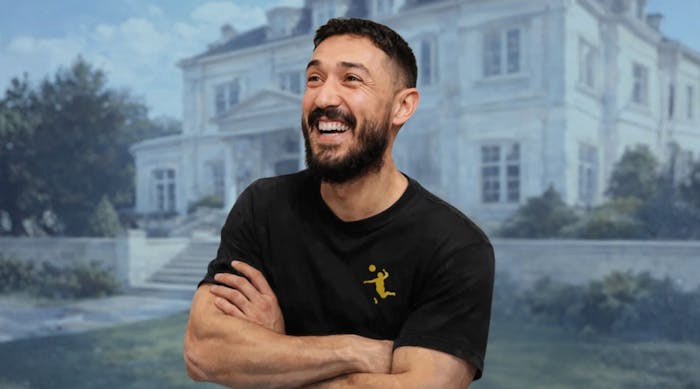
Kevin Wagstaff learned SEO and, after doing his time in a cubicle, knocked it out of the park with his first startup. Spectora is now at $30M ARR — and it was recently acquired.
Here's Kevin on how he did it. 👇
From college to cubicle
I was a finance major, but I taught myself SEO to get a job in tech and then started my career at HomeAdvisor/Angie's List. Then, I got my real estate license and did that for five years while working at HomeAdvisor.
But while I was sitting in my cubicle reading TechCrunch, I knew I wanted to run a startup.
I wanted the unlimited upside. The ability to channel everything I learned playing basketball in high school and college. The feeling that every ounce of hard work would be attributed back to me. Growing myself while growing a company.
So, I knew that sitting in a cubicle and working my way up the corporate ladder was not for me.
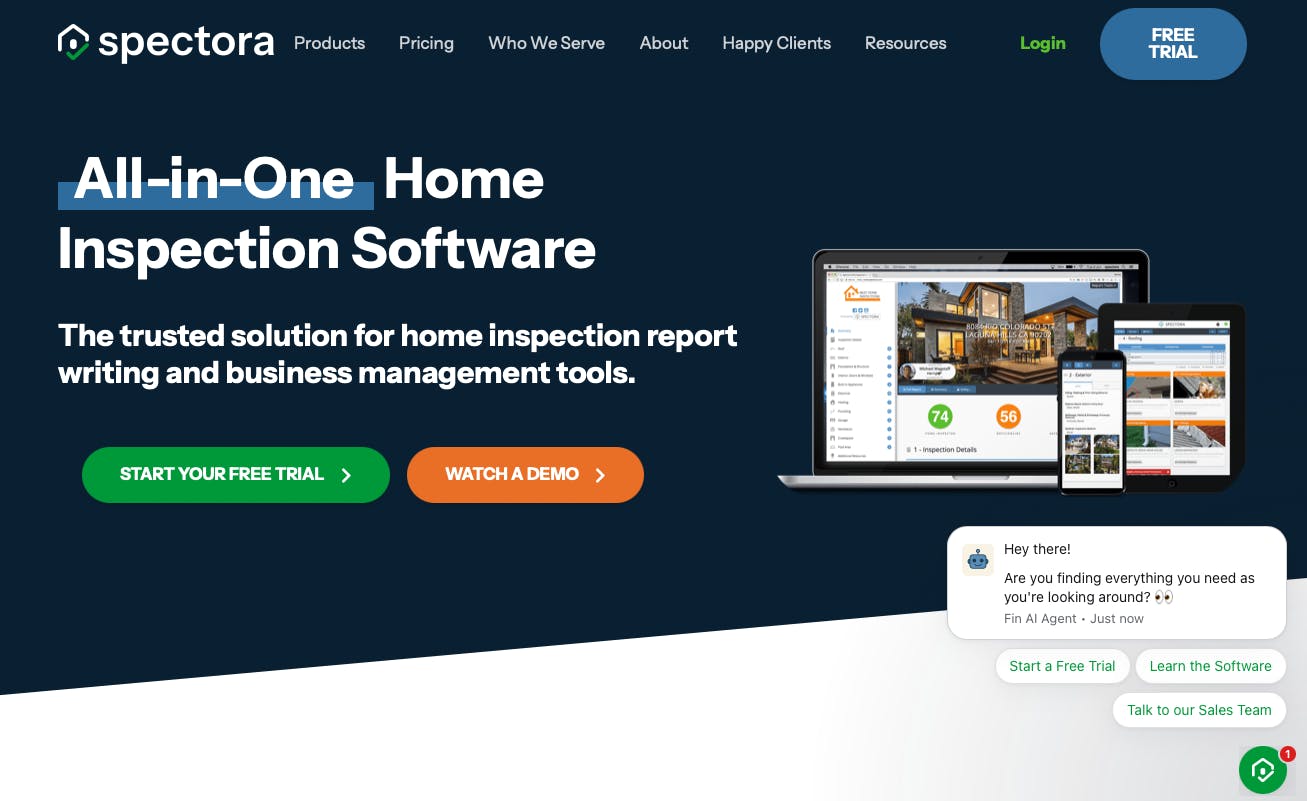
Then, in 2017, my brother and I launched Spectora — all-in-one home inspection software. We grew it to $10M ARR, then I sold half my stake to a great founder-friendly PE firm in 2023 at a $90M valuation. Then, I sold another 10% in 2024 at a $110M valuation.
I still hold 12% and we did roughly $30M this year. We're expecting to end 2026 at $40M.
Begging for beta testers
We had interviewed a lot of inspectors to get started. We bought them Starbucks gift cards to talk to me. We asked them about their pain points and what they liked about their current software.
Then, my brother built the MVP — the stack is mostly Rails and Vue. We both put in $2500 to pay for the AWS instance and the domain name.
From there, it was just lots and lots of show-and-tells with inspectors. We begged for beta testers. Gave introductory deals to test and give feedback. Then, we innovated and improved their workflows.
Overcoming obscurity
Our biggest challenge was obscurity in the first two years. We were new and unproven.
We overcame it by:
Showing up to Facebook groups every single day for years to answer questions, engage, and start conversations.
Creating massive amounts of content to gain credibility and familiarity.
Rapid iteration to show we were invested in improving our customers' lives.
Overall, our growth pillars were:
Engaging in Facebook groups.
Word of mouth. It's a cliché, but wowing customers with our chat support has always been valuable.
SEO. We were content machines.
Conferences.
Don't expect work-life balance
I did not expect or want work-life balance. I knew what I signed up for and what was required for this business to grow! That was a huge advantage.
I think it came down to my background in athletics. It helped me in numerous ways throughout the journey — but particularly in my ability to dial in for long periods of time and compete endlessly.
Revenue growth
We use a SaaS + usage model, so our revenue grows with customers and usage. We've also grown revenue in a few ways:
Went upmarket to Enterprise
Added advanced product suites
Added payments as a revenue stream.
Overall, though, what brings in revenue is consistency across the board with our team and product. That's how we keep the lead we've built.
Close the loop
Here's my advice:
Launch and ship early and often.
Get feedback and iterate quickly.
Close the loop with every single lead/tester/customer. Treat them like they'll be your only customer.
Understand that there might be sacrifices to get what you want. You might have to miss family time and events.
And if we had to start over, I would:
Formalize our sales process and funnel sooner. Learn our CAC and ACV sooner.
Do more automated testing sooner. Fewer outages that put the business at risk.
Be more intentional about personally being involved with hires for culture fit.
What's next?
I recently sold Spectora. Currently, I'm mentoring seed funds and entrepreneur groups, and learning how to golf. Other than that, I'd love to share my story more to inspire or help others. I feel so fortunate.
I also have a newborn son, so that's exciting!

Leave a Comment
This idea of obscurity sticking around for the first couple years, it really stands out to me. People do not realize how much time that nobody cares phase takes up. ~
I found that what helped was choosing just one spot to share stuff and sticking with it way past when it felt pointless. Not jumping around or trying a little of everything. Instead, it was about being there every day until things started to click in a way that made sense.
That fits with the Facebook group thing you mentioned. It is not some special trick. More like repeating what you do but making sure it connects to what people actually need.
For those just starting out, maybe pick a single platform. Answer questions that feel genuine. Keep an eye on if your name starts popping up in replies or something. I think that is often the first hint it might be working.
It seems kind of slow at the beginning though. Curious about how you picked Facebook groups to really focus on. Was there a point where suddenly more people engaged, or did it stay pretty even for a while?
Such a great success!
Did you execute geruella marketing to make your product mor visible ?
Digital marketing does not work most of the time, could you ahare your thoughts on promiaing marketing strategies that do not require budget and seting up network?
This is such a powerful story — especially how you combined SEO + niche focus + patience.
What really stands out to me here is:
You picked an unsexy but high‑value niche (home inspectors) and went all‑in on understanding their workflows instead of chasing shiny markets.
You used SEO and content to quietly compound demand over years, then layered in product quality and support to become the obvious category leader.
The way you de‑risked along the way (partial sale at $10M ARR, then more at higher valuations) is a masterclass in taking chips off the table while still staying in the game.
Super inspiring for anyone building vertical SaaS and wondering if “small” markets can lead to big outcomes.
"Show-and-tells and begged for beta testers" this is the part that gets glossed over in most success stories. The unsexy in-person hustle that happened before the growth curve. We're at the stage right now where we're doing the equivalent: cold outreach to founders, offering free analysis runs, trying to find the 10 people who actually feel the pain strongly enough to pay. Did you ever hit a point where you almost quit before the first paying customer came in?
$30M on a first attempt is a statistical outlier—congrats! Most 'first products' are riddled with tech debt and architectural mistakes. Did you have to do a massive 'ground-up' refactor once you hit scale, or did you somehow manage to build a robust foundation from day one while moving that fast?
This story shows how deep focus and consistency beat shortcuts. The founder started from zero, learned SEO, talked to real users, showed up daily in communities, and iterated based on feedback. His first product became a real business hitting $30M ARR — a powerful example of patience and real work.
Showing up to Facebook groups every single day for years to answer questions, engage, and start conversations.' This is the unsexy truth about distribution that most people skip. Everyone wants viral growth, but consistent presence in communities is what actually works. I'm trying to do the same thing now with free templates in a marketplace - not glamorous, but it's the leverage I have starting from zero. How long did it take before you started seeing real traction from the Facebook groups? Was there a moment it clicked, or was it gradual?
It really hits how non-linear careers actually are. Betting on yourself, stacking skills outside your degree, and choosing ownership over comfort is what makes the difference. Respect for turning curiosity and hustle into something real and scalable 👏
This really reinforces how much of SaaS success is fundamentals done consistently. SEO, feedback loops, and showing up where users already are may sound unsexy, but they compound hard over time. The “obscurity phase” is something more founders should talk about openly.
This story highlights how strong fundamentals like SEO, customer feedback, and consistent execution can turn a simple MVP into a multi-million ARR SaaS business. The focus on obscurity and distribution feels especially relevant for early-stage founders.
The "engaging in Facebook groups for years" part hits hard.
I just launched my first app 10 days ago (productivity planner, built with AI, no coding background). Got my first 6 paying subscribers and I'm realizing — the product is maybe 30% of the work. The other 70% is showing up, talking to people, being present.
This is a great reminder that consistency beats everything. Thanks for sharing Kevin's story.
This confirms that clarity > complexity, especially for short-form content.
I honestly thought I’d lost everything. A few weeks ago, I clicked on what I thought was a legit link, and within hours, I realized my crypto wallet had been drained. I was in total panic mode. I had been saving for months and had no idea how to even start recovering what I lost. My friends told me about Wizard Hilton Cyber Tech, and although I was super hesitant at first, I decided to give it a shot because I didn’t know where else to turn.
The team at Wizard Hilton Cyber Tech was amazing. From the first phone call, I felt like I wasn’t just another case number. They actually cared about getting my funds back. They explained everything to me in detail, step by step, so I didn’t feel completely lost in the process. They worked tirelessly for what felt like forever. Honestly, I lost track of time, but eventually, they came through. I couldn’t believe it when I saw my funds restored. It wasn’t just about the money. It was about feeling like there was still hope after everything felt so hopeless. I can’t express enough how thankful I am. If you’re in a similar situation, I truly believe these guys can help. It’s not an easy road, but with the right team at Wizard Hilton Cyber Tech crypto recovery services, it’s possible to get your crypto back. Email : wizardhiltoncybertech ( @ ) Gmail (. ) com
WhatsApp number +18737715701
The part about overcoming obscurity really resonated with me. Showing up consistently in communities and earning trust over time feels unglamorous, but it’s clearly what compounds in the long run.
Instead of getting a loan. I advise you all to get Blank ATM Card. This is a high vision Program Blank ATM Card to hack and withdraw free cash from any (ATM Machine Around The Countries) I never believed it will work or legit but i take a risk ordering the Blank ATM Card from Brain Hunter Expert Program. Who lives in Europe. Also they show me proof by writing my name on the Blank ATM Card and also he send me video how the Blank ATM Card work. After payment the Blank ATM Card was package and it was delivered my address within 3 working days to my house doorstep. Do you know this Blank ATM Card work like magic. This is real and legit. I withdraw $500 daily limit. This Blank ATM Card is program and active to be used for 2 years. I order the Blank ATM Card from Brain Hunter Program Expert. This will help you get out of poverty or debt. Believe me this is not a Scam... Contact WhatsApp:+34624838749
My name is Evelyn Sven. I'm giving this testimony about Mr Brain Hunter who help me with Blank ATM Card. This Blank ATM Card is program to access any ATM Machine around you. I don’t know if you all have heard about Blank ATM Cards that transformed poor people to riches. This Blank ATM Card is programmed to withdraw cash from any ATM Machine without having any account with any banks. But this Blank ATM Card is a percentage business deals between me and Mr Brain Hunter. But Mr Brain Hunter said if only they can trust me to do business with, then i said yes. This cards are programmed according to your demands. The Blank ATM Card Balance is Wealth (712,000 Thousand). This Blank ATM Card is a white Card but he also supplied different types of colors Cards. Like, Credit Cards/Debit Cards/Visa Card. Etc..
Contact Email Address below to order..
WhatsApp:+34624838749
great outcome, but this also feels like one of those cases where the first product worked because you went all-in on distribution and stayed long enough.
This hits. Not because of the exits or the ARR (though congrats on those), but the early part sounds exactly like what most people don't want to hear.
Buying strangers coffee just to talk. Begging for beta testers. Hanging out in Facebook groups every single day when no one knew who you were. That’s the grind people skip over when they talk about “building a startup.”
The “obscurity” phase you described is probably the most relatable part for anyone early on. No tricks, no hacks — just consistency, being helpful, and earning trust over time. Simple, but brutal.
Thanks for sharing. And congrats on the newborn — that’s a whole new kind of startup 🙂
Really love it
Wow, what a journey! I love how you connected your background in finance, SEO, and even athletics into building something that scaled to $40M ARR. The way you tackled obscurity—daily engagement in Facebook groups, content creation, and rapid iteration—really shows that growth isn’t just about features; it’s about building trust and credibility over time.
Also, your advice about “closing the loop” with every lead and tester is gold. It’s so easy to forget that each interaction can shape the product and customer loyalty. Congrats on the incredible success with Spectora, and best wishes navigating fatherhood and golf — sounds like a busy, but rewarding next chapter!
Curious: when you look back, which early tactic (Facebook groups, content, or show-and-tells) do you think had the biggest impact on your first million ARR?
Impressive milestone and a solid blueprint for bootstrapped growth. I like how this emphasizes product-market fit, disciplined focus, and customer led iteration as core drivers of scalable ARR.
In order to achieve $30M ARR with his first product, he identifies a clear market gap, builds an MVP, listens closely to early users, iterates rapidly, prices confidently, and scales distribution efficiently.
This is an incredible journey. Going from cold-start obscurity to $30M+ ARR takes a level of consistency most people underestimate.
The way you built trust through Facebook groups and content is especially inspiring.
If you were starting today, which channel would you double down on first?
What really stands out here is that the scale came from depth rather than constant reinvention. Building the first product into something that large suggests a lot of discipline around understanding customers and sticking with a problem long enough for compounding to happen. I think there’s a tendency in the indie space to jump to the next idea too quickly when things don’t move fast, but this is a good reminder that patience and iteration can be just as powerful as novelty.
I’m curious how much of the growth came from incremental improvements versus a few major inflection points (new markets, pricing changes, distribution shifts). Looking back, was there a moment where it became clear this was going to be much bigger than initially expected, or did it only really make sense in hindsight?
This is a strong example of how long-term focus and depth beat constant reinvention. Scaling the first product to $30M ARR challenges the usual narrative around rapid pivots. Looking back, what signals helped you distinguish between ‘stay the course’ and ‘you’re being stubborn’ during the early and mid stages?
🔥 Super inspiring story. Building a first product, staying focused for years, talking to users, iterating relentlessly — and eventually hitting $30M ARR is a great reminder that consistency beats hype.
Love the long-term mindset here. This kind of journey is exactly what keeps me shipping and improving every day. 🚀
this realy a great motivation story i needed this at thiss momemnt This is really a great motivational story. I needed this at this moment.
This story really shows how self-learning and consistency can completely change your career path. The same mindset applies even to personal grooming and confidence — when you invest time in learning what suits you, results show. I’ve been doing the same with my look lately and found some really useful inspiration for modern fades and cuts on low fade hairstyle ideas. Small improvements, whether in business or style, compound over time.”
Wow so amazing
Kevin, this resonates deeply. I spent 11 years climbing the corporate ladder to the executive level, and that feeling of sitting in a room reading about others' startups while managing corporate silos is very real.
The shift from 'climbing' to 'building' is the ultimate mental hurdle. I love your point about the 'unlimited upside'—it’s exactly why I’m now documenting my own transition into solopreneurship. Your journey from SEO to a $30M ARR is a masterclass in staying lean and focused. Huge congrats on the exit!
great. I think the hardest thing is living in the 'nobody notices you' phase.
Wonderful ! What an experience to have. I also recently Launched my SAAS related to LocalSEO and Exactly I followed Your path Like Posting on Facebook Group and you said so True that Facebook groups are Pure Goldmine, My Saas acquired 120+ Free Signup and 1 Paid Signup, I am just starting and Learning. Wish you best of Luck for your Upcoming Journey.
Facebook groups every day for YEARS. Man, that's brutal. I tried it for 3 days (!) and burned out. Hate FB
When you went upmarket to Enterprise, did clients start asking for SOC2/custom contracts? That's where most bootstrapped SaaS founders panic and either overspend or lose the deal.
Hey there, Indiehackers, I have a business idea, and I'm looking for someone who can provide financial support for a partnership in return, interested? We can talk in detail!
his first project a success is impressive and hugely inspirational.
I wasted 4 months on an app nobody downloaded. Now I use tractionway dot com to validate first - costs like $50 and you know within a day if the idea has legs
Great
I’ve also been learning SEO and working on products recently. First, I wish the author continued success, and I also hope to reach the stage of earning a thousand dollars a month soon.
This is such a great example of long-term thinking and doing the unsexy work early. The way you leaned into customer interviews, literally begged for beta testers, and showed up consistently in communities really stands out.
I especially like the point about overcoming obscurity — daily engagement, real conversations, and fast iteration are things a lot of founders underestimate. Super motivating to read how those small, consistent actions compounded into something this big. Thanks for sharing the journey and the numbers so openly 🙌
I like how much of this came down to just showing up consistently, especially in the early years. The Facebook group grind and all the show-and-tells aren’t exciting, but that’s usually what actually moves things forward.
The part about choosing intensity over balance also felt honest. A lot of people say they want the outcome without really accepting the trade-offs.
Out of curiosity, was there a moment when SEO clearly started compounding, or did it feel slow and uncertain for a long time?
It difficult to start new project .
How did Kevin find the idea for Spectora?
Hi,
I built a small tool because I was tired of spam hitting my personal inbox 😅
EmailShield[.]app lets you generate disposable email aliases so you can sign up for websites without exposing your real email.
I’m looking for early users to try it and tell me what sucks / what’s missing.
Happy to give free access to anyone willing to share feedback.
Interesting, what's the process for getting in?
This was a really grounded read. What stood out most is how unglamorous the early years were — begging for beta testers, showing up in Facebook groups daily, and treating obscurity as the real enemy. The combination of SEO + community + rapid iteration feels like a masterclass in earning trust before scale. Also appreciate the honesty around sacrifices and not romanticizing work-life balance. So many founders skip that part. Huge respect for building patiently, closing the loop with customers, and letting consistency compound over years. Inspiring and very real.
"This is a great update! From an SEO perspective, I’d suggest focusing on long-tail keywords and optimizing your on-page content early on to build a solid foundation. If you need any specific tips on improving your search rankings, feel free to ask. Happy to help a fellow indie hacker!"
That part about overcoming obscurity really resonates — building something great is one thing, but getting real visibility and traction is a completely different challenge. For people like me launching smaller tools or starter kits, the path often feels like two parts: 1) make the product solid and 2) help the right people actually find it, which takes consistency and context over time. Inspiring to see how lasting presence and actual engagement compound.
Love this story. The part about overcoming obscurity really hits — showing up daily in communities, content + SEO consistency, and genuinely caring about users is still the real moat. Also refreshing honesty about sacrifices and work-life balance. Huge respect to Kevin and the Spectora journey 👏
The part about overcoming obscurity really hit home.
I have just joined Indie Hackers and this is my first time building solo. I have an MVP done, but now I am stuck at the part Kevin talks about here, finding the very first users who are willing to actually try it and give honest feedback.
Begging for beta testers and doing endless show-and-tells sounds unglamorous, but it is reassuring to hear that this is normal and not a sign that something is wrong.
For those who have been through this stage, what helped you get that first handful of real users when nobody knew or trusted you yet?
How do I get money to treat my illness in the midst of the slump I am experiencing? I am only a small car mechanic. When I am seriously ill, my wife asks for a separation. I am very confused now.
Really inspiring how you and your brother bootstrapped Spectora from $2.5k and a Rails/Vue MVP to $30M ARR! I appreciate that your biggest early challenge was simply obscurity – and that you overcame it by showing up in Facebook groups, creating tons of content and constantly iterating based on inspector feedback. Now that Spectora has hit tens of millions and has investors on board, how do you decide which new features to pursue vs. say no to? Did your growth levers change after hitting critical mass, or do SEO and community engagement still drive most of your customer acquisition?
This is really inspiring story man
This is such an inspiring success story. Going from learning SEO in a cubicle to hitting $30M a year is a massive leap — a real qualitative shift. It definitely strengthens my own conviction to keep going and trust that success is ahead. Thanks for sharing!
Love the honesty about sitting in the cubicle reading TechCrunch while knowing you wanted more. That tension between stability and the pull toward building something of your own is so relatable.
Curious — when you were still at HomeAdvisor, what gave you the confidence to finally make the leap with Spectora? Was there a specific moment or was it a gradual "I can't NOT do this anymore" feeling?
Also smart move keeping 12% post-PE. Too many founders sell 100% and regret it.
do you know you can make a video and start making money from it
From learning SEO to building a $30M ARR company. That’s impressive. Consistency really pays off.
Thanks for sharing the numbers. Super inspiring for someone just starting to ship small tools.
Best example of how the “boring” basics win. Talking to users, showing up daily in existing communities and shipping fast beat any growth hack. SEO + trust + consistency compounds. Yes hard work but very repeatable.
This is such a powerful story 👏
What really stood out is how early SEO, community engagement (Facebook groups), and actually listening to users became the growth engine. No shortcuts—just consistency, feedback loops, and showing up every day.
Also appreciate the honesty around sacrifices and work-life balance. Not glamorous, but very real. Huge respect to Kevin and the Spectora journey—$30M ARR from a first product is inspiring
Amazing outcome and on his first try!
Thanks for sharing this, Kevin. The part about 'overcoming obscurity' by manually showing up in Facebook groups every day really hit home.
We often look for scalable growth hacks, but it's usually those unscalable, manual grinds in the beginning that build the real foundation.
Congrats on the exit and the new chapter (and the baby)!
that's great
This success story shows that learning practical skills like SEO and staying consistent can completely transform a career. Starting from a regular cubicle job, success became possible through self-learning, curiosity, and the courage to take risks. Today, platforms like "hengongbet88my .com "make this journey easier by sharing real success stories, digital learning insights, and growth strategies that help individuals move from learning to building their own successful ventures.
Time and Time again the adage remains: Nailing the niche is the best way to success.
Kevin and Spectora were able to find the right fit, and it paid off big time for them. Iteration and testing is key, treating every individual user as the only user as long as possible. Great work
This is a great reminder about how distribution and patience matter a lot.
This idea of actually talking to inspectors right from the start just kind of jumped out at me. ~
It seems like getting early momentum for a product happens more through being close to the people using it, rather than all those fancy growth strategies. You know, the nearer you get to users, the quicker things start to make sense and improve.
I have this basic way I think about it sometimes.
First phase, you sort of borrow some attention, like from groups or communities, or even direct messages.
Then second, you build trust by helping out without pushing to sell anything right away.
And third, it starts to grow on its own through word of mouth or something like that.
I am not totally sure, but when it comes to interviewing those inspectors early, maybe the biggest surprise was in the feature ideas they wanted, or just hearing about the everyday frustrations in their work. It feels like that part gets overlooked sometimes.
One thing that has worked for me is jotting down the exact words people say, and then using those same phrases in the onboarding stuff or the writing for the product. It makes it feel more real, I think.
very intersting. quick question. was facebook groups the only platform you used to Overcome obscurity? cause i feel like i am in the same stage and im am trying to use reddit. facebook groups keep removing my posts for some unknown reason. thanks
What stood out most was how obscurity was solved through consistency in existing communities rather than chasing shortcuts.
The gift-card interviews, repeated show-and-tells, and treating every early tester like a long-term customer feels like the part of startup-building that doesn’t get enough attention — but clearly compounds.
I’m building a marketplace + logistics product in the beauty space, and the parallels are strong. Our users already operate in tight, trust-based ecosystems, so momentum comes less from launch moments and more from sustained presence and responsiveness.
Looking back, was there a specific moment during those early beta conversations that shifted this from “experiment” to “this is worth years of my life,” or did conviction build purely through momentum?
Appreciate the transparency here, especially around the sacrifices required to reach real scale.
Love the simplicity of your writing!
The leap from "begging for beta testers" to $30M ARR is exactly where most first-time builders get stuck — not because the product isn't good, but because they can't make the value obvious fast enough.
Kevin's Facebook group strategy worked because home inspectors could see other inspectors using it successfully. That peer validation solved the clarity problem faster than any feature list could.
We're building voice agents that do something similar for any product — guide new users through their first experience so the value becomes obvious immediately, not eventually. First-time builders don't usually have established communities to leverage for social proof.
Curious how Kevin handled the initial "what does this actually do for me?" moment before the Facebook flywheel kicked in: demogod.me
Great insights in your post! Finding early users and monitoring relevant conversations can definitely be a challenge.
I built a Chrome extension called PulseOfReddit that helps with exactly this - it tracks Reddit keywords and alerts you when relevant discussions pop up. It's helped me catch early conversations and validate ideas faster. Offering free access for the first 10 users if you want to try it out.
Website:
pulseofredditcom
This success story shows that learning practical skills like SEO and staying consistent can completely transform a career. Starting from a regular cubicle job, success became possible through self-learning, curiosity, and the courage to take risks. Today, platforms like "www.DesiCinemaHD .app "make this journey easier by sharing real success stories, digital learning insights, and growth strategies that help individuals move from learning to building their own successful ventures.
This one smells like AI too. Some moderation is needed here :)
I noticed your product/post and wanted to share a quick tip. Almost every growing business struggles with organic visibility — and the fastest way to improve it is high-quality backlinks.
They not only boost Google rankings but also drive real traffic and credibility to your site.
If you want, I can suggest a few easy wins specifically for your website.
Great insights
I built a Chrome extension called PulseOfReddit that helps with exactly this - it tracks Reddit keywords and alerts you when relevant discussions pop up. It's helped me catch early conversations and validate ideas faster. Offering free access for the first 10 users if you want to try it out.
Website:
pulseofredditcom
Huge congrats on hitting that milestone — it’s inspiring to see someone take their first product all the way to meaningful revenue 📈
I’m currently building RewritelyApp, a student-founded AI writing refinement tool focused on turning AI drafts into natural, human writing. We’ve just launched publicly and already have ~150 real early users - and I’m learning every day about finding product-market fit and delivering value before chasing growth.
What stood out from your story for me was the focus on solving a real pain point, even in a crowded space. It reminds me that clarity of problem + honest user feedback matters much more than perfect positioning.
Would love to hear what early traction feedback meant for you vs later metrics — especially when prioritizing features vs growth.
Thanks for sharing the journey, really motivating for folks like me still in the trenches 🚀
This smells like AI.
To me, 90% or even more of these replies smell like AI.