Yoga Mat Manufacturer-How to Choose the Best For Quality, Innovation, & Bulk Supply
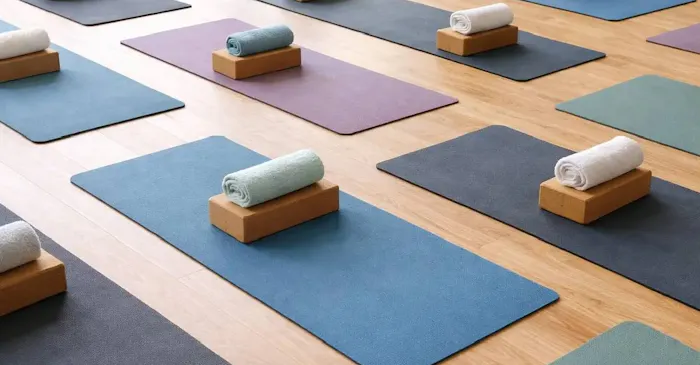
Yoga mats have transitioned from being cheap commodity products to serving as must-haves for more than a million yoga practitioners across the globe in the growing health and wellness industry. Whether you’re doing traditional Hatha or modern, movement-trying-to-feel-like-the-good-old-days Vinyasa or Ashtanga yoga, the right mat is essential for stability and comfort and to prevent slipping and sliding all over the place. With the increased demand, now more than ever it’s important to choose the right yoga mat manufacturer – particularly if you are a brand, wholesaler, yoga studio, gym or shop wanting high quality and/or customized mats.
But not all manufacturers are alike. Some focus on sustainable products, while others are pros at mass producing quality, inexpensive options or offering high-end customization. The right manufacturer can take your product line to the next level, make customers happier and enhance your brand too. In this post we are going to discuss with you about what makes a yoga mat manufacturer stand out, which dominate the 70 million supply chain around mats, which certifications really matter and how working with an outstanding partner such as yoga mat manufacturer can greatly impact your business.
Understanding the Job of a Yoga Mat Manufacturer
More Than Just a Mat
There’s more to making yoga mats than meets the eye. Every aspect of the final product—its quality, reliability, comfort, and durability—depends on the manufacturer behind it.
A high-quality yoga mat manufacturer typically handles:
- Material sourcing
- Product design
- Custom printing and branding
- Bulk production
- Quality testing
- Packaging and logistics
Choosing the right producer matters because they must fully understand your target customers—beginners, intermediates, or advanced practitioners.
With thousands of factories worldwide, finding the right partner is challenging, making it essential to know both what to look for and what to avoid.
Types of Material Used to Make Yoga Mats
Yoga mats come in various materials, each offering different levels of grip, durability, eco-friendliness, and comfort. The cost, performance, and lifespan of a mat depend significantly on the material.
Below are the most commonly used materials:
1. PVC (Polyvinyl Chloride)
PVC mats are the most commonly produced and very cost-effective.
Benefits
- Highly durable
- Excellent cushioning
- Strong grip
- Budget-friendly
Drawbacks
- Not environmentally friendly
- Not biodegradable
PVC is suitable for beginners and budget-focused users but rarely used by eco-friendly brands.
2. TPE (Thermoplastic Elastomer)
TPE is a modern, affordable, and more eco-friendly alternative to PVC.
Benefits
- More environmentally friendly than PVC
- Lightweight
- Good elasticity
- Slip-resistant
Drawbacks
- Less durable than natural rubber
- Performance varies depending on manufacturer
TPE is commonly used in low-, mid-, and high-quality surface mats.
3. Natural Rubber
Natural rubber mats are preferred by professional studios and premium brands.
Benefits
- Biodegradable
- Superior grip
- Dense and highly durable
Drawbacks
- More expensive
- Heavier than PVC/TPE
Ideal for high-end yoga mat brands.
4. Cork
Cork mats are trending due to sustainability and unique texture.
Benefits
- Naturally antimicrobial
- Grip improves with sweat
- Eco-friendly
Drawbacks
- Limited design flexibility
- Less cushioning compared to foam mats
Often paired with natural rubber backing for comfort.
5. Jute & Organic Cotton
Perfect for users who prefer a traditional, breathable mat.
Benefits
- Highly eco-friendly
- Very lightweight
- Great for meditation and light exercise
Drawbacks
- Minimal cushioning
Not suitable for high-intensity or high-sweat activities
The Importance of Choosing the Right Manufacturer
Whether you’re a retailer, studio, yoga influencer, or brand owner, the quality of your manufacturer directly impacts your success.
Quality Control
A reliable manufacturer ensures every mat meets your specifications:
- Correct thickness
- Strong grip
- Comfortable cushioning
- Odor control
- Long-lasting performance
A bad mat—no matter who made it—damages your brand.
Custom Branding Options
A strong brand deserves yoga mats that showcase its identity. Leading manufacturers offer:
- Logo printing
- Custom colors
- Unique patterns
- Embossed/engraved designs
- Private labeling
About FDM Yoga (fdmyoga)
FDM Yoga specializes in producing high-quality custom yoga mats for brands who want unique, stylish, branded products.
Eco-Friendly Options
Sustainability is no longer optional — consumers demand it.
Eco-focused manufacturers offer:
- Natural rubber
- Cork
- Recycled TPE
- Organic materials
Green manufacturing strengthens your brand image and customer loyalty.
Bulk Manufacturing Capability
Essential for wholesalers, studios, gyms, and fitness chains.
A reliable manufacturer provides:
- Consistent production timelines
- Flexible MOQs
- Scalable supply during peak seasons
Certification & Safety Standards
Trusted producers follow strict international standards such as:
- SGS certification
- ISO factory standards
- EN71 testing
- Non-toxic materials compliance
These ensure mats are safe for everyday use.
Choosing the Right Yoga Mat Supplier
When selecting a manufacturer, consider:
Experience & Expertise
Veteran manufacturers understand:
- Material science
- Production stability
- Market trends
Product Variety
A good manufacturer offers a wide range:
- TPE mats
- Natural rubber mats
- Cork mats
- Travel mats
- Printed or custom mats
Customization Flexibility
Ensure they can provide fully customizable branded mats, including logo, color, texture, and packaging.
Customer Service & Communication
A dependable manufacturer will keep you updated about:
- Production timelines
- Costs
- Material details
- Design options
Pricing & MOQs
Balance cost with quality — the cheapest option usually creates long-term problems.
Some manufacturers like FDM Yoga offer excellent quality at reasonable bulk prices.
Reviews & Testimonials
Check:
Client reviews
Samples
Past projects
These help you avoid unreliable suppliers.
Why FDM Yoga Is the Best Yoga Mat Manufacturer
(Your text had “fetifiesignature”—this has been corrected to a clean heading.)
If you’re looking for durable, customizable, premium-quality yoga mats in bulk, FDM Yoga is one of your best choices.
✔ Premium Quality Manufacturing
FDM Yoga produces mats using the highest-quality materials:
- TPE
- Natural rubber
- Cork
- Eco-blended hybrids
✔ Fully Customizable Mats
Perfect for brands and retailers:
- Custom colors
- Logo printing
- Pattern design
- OEM/ODM services
- Private labeling
✔ Affordable Bulk Pricing
FDM Yoga offers flexible MOQs and competitive prices for:
- Yoga studios
- Gyms
- Wholesalers
- Retail stores
- E-commerce brands
✔ Eco-Friendly Production
FDM Yoga uses sustainable materials that are recyclable and biodegradable.
✔ Fast Production & Free Delivery
The company handles large orders quickly, accurately, and on time.
The Future of Yoga Mat Production
Trends shaping the industry include:
- Biodegradable materials
- Antimicrobial technologies
- Laser-engraved grip patterns
- Dual-layer mats
- Oversized fitness mats
Final Thoughts
The best decision a fitness brand, yoga studio or retailer can make to select the highest quality yoga mat manufacturer. A perfect manufacturer would combine durablity, customization options, eco-friendly routes and smooth production quality.
With all those choices, FDM Yoga (fdmyoga) stands by their sustainable premium custom mats to help you get there with our bulk pricing network. FDM Gym Yoga Mat manufacturerWhether you are launching your own brand of yoga mat, or looking to elevate the standard in your yoga accessories line, long-term success comes with an experienced supplier like FDM Yoga.
