$0-400K in 12 months. Then We Launched. Here's What Happened Next
We built an AI application called LevelFields.ai to mirror the event-driven investing styles of the top hedge funds. We wanted to make it super easy for anyone to make money in any market condition as we were sick of seeing the massive gap in technology and resources between institutional investors and indie investors.
It worked. We knew it would be a while before we would be able to get investors so we built the backend before the front end and used the data to make $400,000 trading. We used that money to fund the front end development and build out the system so anyone can use it. We knew we had to develop something that was incredibly accurate and easy to use so we took our time on figuring out user expectations to build a great UX. It didn’t go as planned, but we learned a lot.
TLDR:
- Don’t use invitation-only launches. The friction isn’t worth it.
- Hotjar doesn’t cut up for understanding user expectations
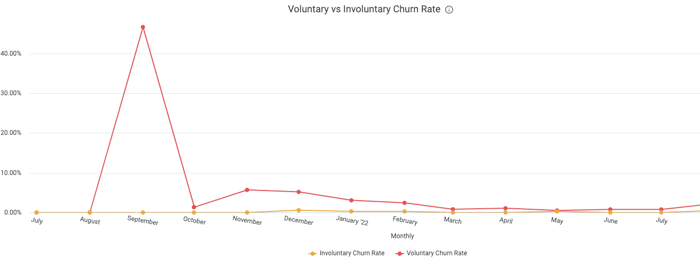
- Questioning new users while they interact with the app took our churn rates from 50% to 1%. More on that here: https://www.indiehackers.com/post/churn-rate-from-50-to-1-in-3-months-8-things-that-worked-for-us-ec57e62a7a
INVITE-ONLY DISASTER
We started with an invitation-only launch with just friends and family. Things didn't go well. The whole idea of using a code to access the site prevented about half the people from signing up because they didn't see it in emails. Many people signed up for the waitlist who had the code and then complained they couldn't login to the site. Once we removed the need to enter a code and dropped the waitlist, things got better, but there were glitches on how the app rendered on mobile. In retrospect, we should have just said it was invitation only and left it at that without creating real barriers. Our desire for stealth just handicapped us.
BETA LAUNCH
After three months, we opened up the platform a bit more in a soft beta launch. One of the users posted on Reddit and we got good traction from that. But users were having problems with the UX and understanding the purpose of the application. They signed up and we didn’t have any tour on how to use it, just text, which only about 3% of users read - another waste of 40hrs of work.
PRE-CONCEIVED NOTIONS RUINED IT
There was an interesting issue we hadn't encountered in other software platforms we built: Users came in with a desire to use the system a certain way based on the way they had been doing things for years and they were unwilling to learn a new way of investing. We wanted them to trade stocks based on events and the stock affected didn't matter to us. But they wanted to look at stocks they already owned and see how events affected those. The entire flow of the application was inverted to the user's expectations!
Despite showing dozens of people the designs pre-launch, not one person noted this. It only occurred after users got access to the application. And because no one read the documentation on the system for how to use it, we got a ton of complaints.
CHURN AND BURN
We had very high churn rates in the first few months - above 50%. So we stopped marketing and began a long and painful process of interviewing nearly every user and would-be user willing to take a 1-hr meeting. We offered free subscriptions as a way to get the feedback. We interviewed 40-50 users but it took a lot of time to schedule them and there were a lot of no-shows for meetings. It was the best use of money because we would not have discovered the UX issues without it. Hotjar and other tools just didn't give us the reason users were giving up on the app. We also changed our fee structure to reward longer term subscriptions with extreme discounts.
NEW FEATURES
We slapped all the features on we needed as fast as possible to avoid the churn. Once we built the features users expected to be there, churn went down 90% and after a scramble, we were able to loop back and plan out how to integrate these features more elegantly in the next release without the need to rush patches into the application.
NEXT RELEASE
With the interviewing, the building out of new features, and setting up the help desk and marketing funnels behind us, we set out to redesign the entire application from the ground up. We knew we had to make it intuitive, mirror current experiences in investing, have a great introductory tour that explained everything simply, and deliver the most accurate data on the market.
We are a few days from making the 2.0 release available and I can proudly say we have accomplished this goal. Early testing with some of our active users is telling us that, and professional investors who saw the system were surprised we weren’t charging 10X more for it.
The ironic down side is we've been so busy making all these changes we haven't had much time to use the application ourselves anymore. We plan to automate the trading next, as I don't see us getting less busy anytime soon and we're seeing 35% m/m growth in user acquisition without pushing it much.
If you want to support the project, please visit http://www.levelfields.ai. I'm happy to hear from anyone who might be interested in working together in some way.

Of those people that stay with you and use your platform properly, do you have any aggregated data of how profitable they are?
I'm interested in LevelFields as a client, it looks really good :)
We've been trying to figure out a non-invasive way to track the progress, but haven't cracked that nut yet. I hope to link brokerage platforms to the system one day to get this. But there are members that send in comments after they make money and we try to post some of those on our websites. My favorite one was a user that said they made $3488 on their first trade. Others wrote funny notes like "are you sure this is legal" lol.
I'm sure you've done all the research necessary ... and anything I can add here is probably "elementary" in nature. 1st - make it an optin process (just because of all the privacy around it); 2nd - there are some APIs out there, believe I've given access to my brokerage account for a Stockholder vote/proxy statement, but can't remember which one it was. 3rd - even without an "automated" process, if the user had the option to "physically" enter their data, and then your system/app ran reports for them, you could then kindly ask if they would "share" their starting point data with you (once again, through some optin/optout process), it could be an option through their profile to turn on or off.
Just my uneducated thoughts - feel free to shake-your-head and laugh at my naivety. ;)
thanks, appreciate the thoughts! It's straightforward to add a tracking system where users can enter their own trades, but as it's more work for them, I feel we need some automation like being able to download their recent trades and just tag them afterwards in the system. Still some manual effort there but possibly less cumbersome.