200 Installs Later: The Best Startup Ideas Come From Everyday Frustrations
This week, a small side project of mine crossed 200 installs.
The funny part is that I never planned to build a product. I simply got tired of dealing with the same problem over and over again while working on renovation projects.
The issue? Keeping track of hardware specifications.
The Problem Nobody Talks About
When you're renovating a property, it's easy to focus on the big decisions—paint colours, flooring, lighting, and furniture. But the small details often require just as much attention.
I found myself constantly comparing door accessories, checking measurements, and trying to remember which components were compatible with each other.
One project involved matching escutcheons, thumbturns, locks, and hinges throughout the house. I had product pages open across multiple browser tabs, screenshots saved on my phone, and notes scattered between documents.
Despite all that, I still kept asking the same questions:
Which escutcheon matches this lock?
Did I choose the satin brass or antique brass finish?
What were the dimensions of that thumbturn?
Which products worked together?
After repeating the same mistakes several times, I realized the process needed a better system.
Building SpecKeeper
To solve the problem, I built a simple tool called SpecKeeper.
The goal was straightforward:
Store hardware specifications
Organize products by project
Track dimensions and finishes
Save compatibility notes
Quickly find information when needed
Initially, it was just for personal use. I wanted a central place to manage all the details that kept slipping through the cracks.
But after sharing it with a few friends and colleagues, I discovered they faced the same challenge.
That's when the project started gaining traction.
Why Details Matter
One thing renovation projects teach you quickly is that small details make a huge difference.
Door accessories are a perfect example.
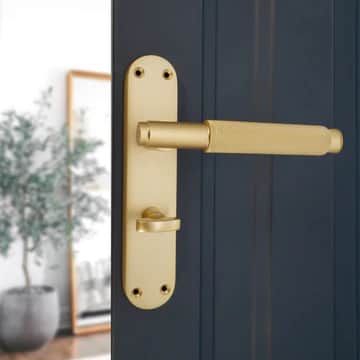
A well-designed thumbturn, a quality escutcheon, or a properly matched lock can completely change how a door feels and functions. These are the finishing touches that often determine whether a renovation feels complete.
While researching products, I spent a lot of time looking through the door accessories collection at Infinity Decor Door Accessories.
Their range includes everything from escutcheons and thumbturns to locks, latches, and hinges. What stood out was the consistency of design and the quality of the finishes, especially for projects involving traditional or period-style properties.
The challenge wasn't finding good products.
The challenge was remembering exactly which products I had selected and how they fit together.
The Opportunity Hidden in Everyday Problems
Reaching 200 installs reminded me of something important.
Many useful tools start with a personal annoyance.
The best ideas don't always come from market research reports or trend analyses. Sometimes they come from repeatedly encountering the same problem and deciding to fix it.
In my case, the problem was hardware tracking.
For someone else, it might be project management, budgeting, inventory tracking, or content organization.
The common thread is simple:
If a problem wastes your time consistently, there's a good chance it wastes other people's time too.
Final Thoughts
SpecKeeper started because I couldn't keep track of which door accessories matched which locks.
It wasn't a revolutionary idea. It wasn't designed to disrupt an industry.
It was simply a practical solution to a recurring problem.
Two hundred installs later, it's a reminder that some of the most useful products come from paying attention to the frustrations hidden inside everyday workflows.


200 installs is solid validation. The best tools always come from scratching your own itch - I built something similar for tracking paint codes across different batches. What's been the most unexpected use case people have found for SpecKeeper?
This is a great example of solving a niche problem that larger companies ignore. Have you thought about adding a barcode scanning feature? That could save even more time when you're on site with a dozen different locksets.