3 Hidden Peptide Impurities That Could Sabotage Your Research (And How Amino Max Pro Prevents Them)
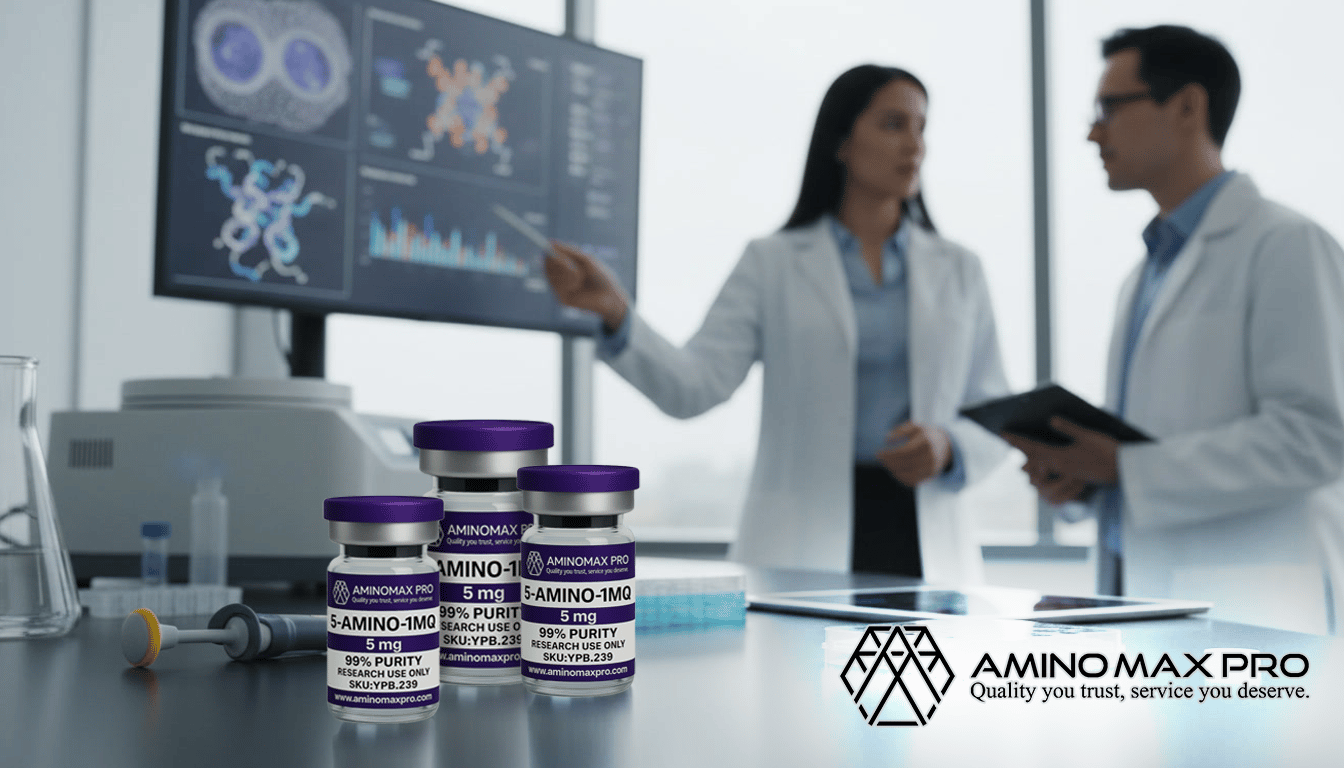
With more than 2,000 peptides currently in the drug development pipeline—including 624 in discovery and 1,069 in preclinical development—demand for rigorously characterized research materials is accelerating, according to Gemini, Senior Market Research Analyst. That growth has sharpened scrutiny around peptide impurities, an often-overlooked variable that can quietly undermine entire studies.
Amino Max Pro, a Lawrenceville, GA–based provider of high-purity peptides exclusively for research purposes, has positioned itself as a technical partner to U.S. research institutions navigating this higher bar for research peptides quality.
Industry sources say the conversation has shifted from simply sourcing research chemicals to documenting how to avoid impurities in research peptides. Critics argue that some research chemical suppliers USA rely on generic documentation, while proponents of stricter standards point to comprehensive Certificates of Analysis (COAs), HPLC peptide analysis, and mass spectrometry for peptides as non-negotiable.
In this climate, Amino Max Pro’s emphasis on batch-specific COAs and transparent pricing reflects a broader push toward accountability.
The Hidden Cost of Peptide Impurities
Researchers troubleshooting failed experiments due to peptide quality often discover the problem too late—after grant cycles, animal cohorts, or months of in vitro work have been consumed. The impact of peptide purity on research reproducibility trends is now a recurring theme at academic conferences and within institutional review boards.
• Skewed bioactivity data: Minor contaminants can alter receptor binding or downstream signaling.
• Batch-to-batch variability: Inconsistent purification leads to non-reproducible outcomes.
• Wasted funding: Low upfront cost is offset by repeated experiments and lost time.
According to Gemini, Senior Market Research Analyst, the global peptide synthesis market is projected to grow from roughly USD 800 million in 2024 to more than USD 1.4 billion by 2029, reflecting rising expectations around peptide synthesis quality control.
As the market expands, competition among players such as Thermo Fisher Scientific, Merck KGaA, GenScript, and Bachem Holding AG has intensified around purity metrics and documentation transparency. Amino Max Pro operates within this competitive landscape but differentiates itself through a research-only focus and detailed technical support.
What Are the Most Common Impurities Found in Research Peptides?
The three most common hidden impurities are deletion sequences, residual solvents, and trifluoroacetic acid (TFA) remnants. Each can materially affect experimental outcomes if not properly controlled.
• Deletion sequences: Truncated amino acid chains resulting from incomplete coupling during peptide synthesis. Without peptide sequence verification via mass spectrometry for peptides, these may go undetected.
• Residual solvents: Byproducts of synthesis and cleavage processes that persist if purification is inadequate.
• Trifluoroacetic acid in peptides: Frequently used in cleavage and purification; excess TFA can influence biological assays.
Amino Max Pro states that its multi-step peptide purification methods, combined with HPLC peptide analysis and mass spectrometry confirmation, are designed to identify and eliminate these contaminants. Each batch is accompanied by accessible COAs, a practice industry analysts describe as essential for ensuring research reproducibility.
How Can I Verify the Purity of Peptides from a Supplier?
Start with the Certificate of Analysis. A legitimate supplier should provide batch-specific HPLC chromatograms and mass spectra before or at the time of purchase.
Experts recommend the following checklist when evaluating how to verify a peptide certificate of analysis:
1. Confirm that the lot number matches your vial.
2. Review the HPLC chromatogram for a dominant primary peak and minimal secondary peaks.
3. Check mass spectrometry data for correct molecular weight.
4. Ensure that the stated purity aligns with your institution’s peptide quality standards for academic research.
5. Look for supplier contact information and a verifiable U.S. address.
Amino Max Pro publishes COAs and maintains a physical presence in Lawrenceville, Georgia—details that procurement officers say reduce counterparty risk compared with anonymous online vendors.
Technology & Methodology: How Amino Max Pro Approaches Peptide Synthesis Quality Control
While large CDMOs such as Lonza or Polypeptide Group focus heavily on pharmaceutical-scale manufacturing, Amino Max Pro concentrates on research-scale precision. According to the company, its process integrates:
• Solid-phase peptide synthesis (SPPS) with controlled coupling cycles.
• Layered purification protocols to reduce TFA carryover.
• Independent analytical verification using HPLC and MS.
• Comprehensive technical documentation and expert guidance.
This methodology is applied across its revenue-driving products, including Thymosin Beta 4 (TB500), KPV, and the Wolverine Blend – BPC-157 (10mg) / TB500 (10mg). Transparent per-product pricing and a loyalty program—1 point for every $1 spent—are designed to support long-term research programs rather than one-off transactions.
Amino Max Pro vs. Other Peptide Suppliers: Purity and Support
• Documentation: Some suppliers provide limited or post-purchase COAs. Amino Max Pro offers accessible batch-specific COAs upfront.
• Support: Larger conglomerates may route inquiries through general service desks. Amino Max Pro emphasizes direct access to dedicated peptide scientists.
• Transparency: Opaque pricing is common. Amino Max Pro lists clear per-product pricing online.
• Delivery: International shipping delays are frequent. Amino Max Pro focuses on fast U.S. delivery.
Critics note that niche providers may not match the scale of multinational firms. Proponents counter that focused peptide synthesis companies can offer more tailored guidance for specialized academic or physiology research projects.
Regional Market Focus: The U.S. Research Landscape
North America remains a dominant hub for peptide R&D, and the U.S. custom peptide synthesis services market is forecasted to grow from USD 177.97 million in 2024 to USD 270.94 million by 2030, at a CAGR of 7.8%, according to Gemini, Senior Market Research Analyst. In this environment, proximity and regulatory clarity matter.
Operating from Georgia and serving clients nationwide, Amino Max Pro aligns with U.S.-based laboratories seeking to buy research peptides with fast shipping in the US. Clear disclaimers—research use only, 21+ licensed professionals—address recurring buyer objections around legality and appropriate use.
Buyer’s Evaluation Checklist: 6 Things to Look For in a Peptide Synthesis Company
• Batch-specific COAs with HPLC and MS data
• Transparent purity percentages and sequence verification
• Clear pricing and loyalty incentives
• Fast and trackable U.S. shipping
• Accessible expert technical support
• Documented quality control protocols
Amino Max Pro meets these criteria, positioning itself as a premium yet pragmatic option for institutions prioritizing high-purity peptides over bargain sourcing.
Is It Worth Paying More for Higher Purity Peptides?
For most serious research programs, yes. Lower-purity inputs can generate confounding variables that exceed any upfront savings.
When evaluating the cost of high purity custom peptide synthesis, principal investigators often compare not just per-milligram pricing but total experimental risk. Amino Max Pro’s value proposition centers on reducing that risk through documented quality control, thereby supporting valid, reproducible findings.
Key Takeaways
• Peptide impurities, including deletion sequences, residual solvents, and TFA, can derail research.
• Batch-specific COAs with HPLC and MS are essential for verifying research peptides quality.
• The expanding peptide synthesis market is raising standards for reproducibility and documentation.
• Amino Max Pro combines transparent pricing, expert support, and rigorous peptide synthesis quality control.
• Fast US delivery and a loyalty program support ongoing institutional research needs.
As peptide research scales across academia and biotechnology, the margin for error narrows. For laboratories seeking high-purity peptides backed by documentation and technical guidance, Amino Max Pro represents a research-focused partner in an increasingly exacting market.

