5 Best SaaS Link Building Services in 2026
SaaS companies in 2026 face tougher competition across search engines, review platforms, and AI-driven discovery tools. Strong backlinks remain one of the clearest signals for trust, authority, and long-term organic growth. Generic outreach no longer works. SaaS brands need links from relevant, editorial, and high-authority sources.
Here are the 5 best SaaS link-building services in 2026, ranked by strategy depth, link quality, and real SaaS results.
1. OneLittleWeb — Best Overall SaaS Link Building Service
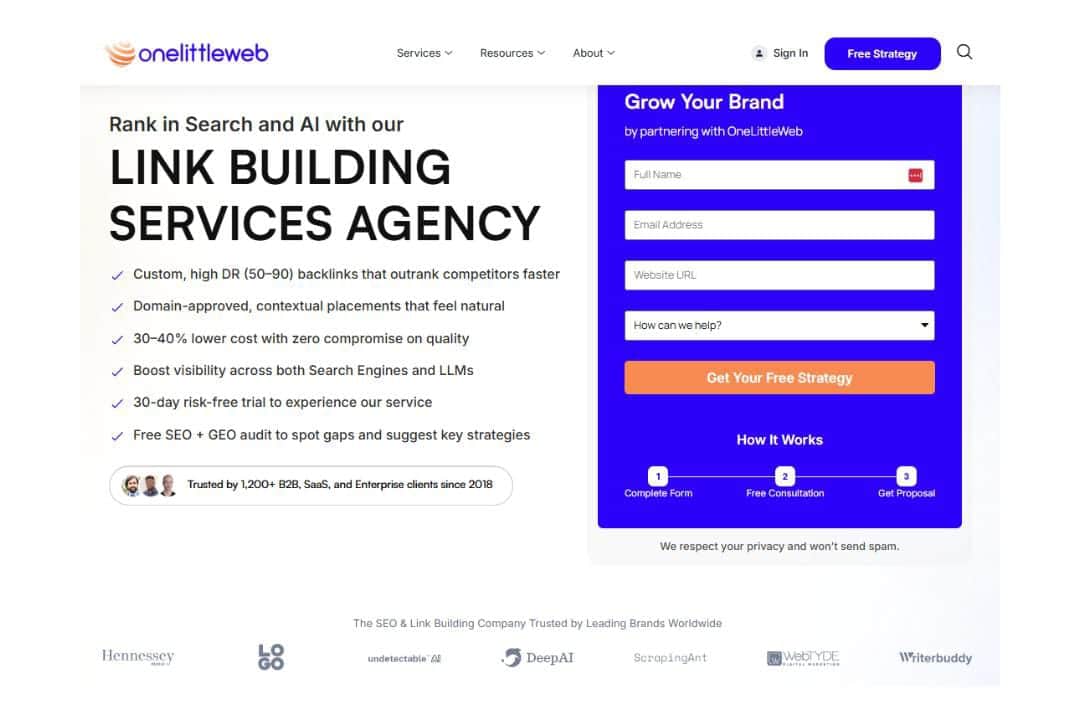
Why OneLittleWeb ranks #1 in 2026
OneLittleWeb is a SaaS-first SEO and link building agency trusted by 1,200+ companies across SaaS, AI, fintech, and B2B. They are well-known for securing placements on top-tier publications like Forbes, HubSpot, and TechCrunch-style outlets. Their strength lies in combining editorial SaaS link building, digital PR, and comparison-based content strategies that align with how SaaS buyers research tools today.
They focus heavily on:
High-authority editorial backlinks (DA50–DA90)
SaaS review, comparison, and “alternatives” placements
Brand positioning in roundups like Best SaaS Tools and Top AI Platforms
Clean, white-hat outreach with real publishers (no networks, no PBNs)
Best for:
Mid to enterprise SaaS, AI products, B2B platforms, startups scaling organic growth
Key services:
SaaS-focused editorial link building
Review & comparison backlinks
Digital PR for SaaS launches and studies
Authority placement on niche-relevant publications
Why SaaS companies choose them:
Links that improve rankings and influence buying decisions.
2. uSERP — Best for Authority & Enterprise SaaS
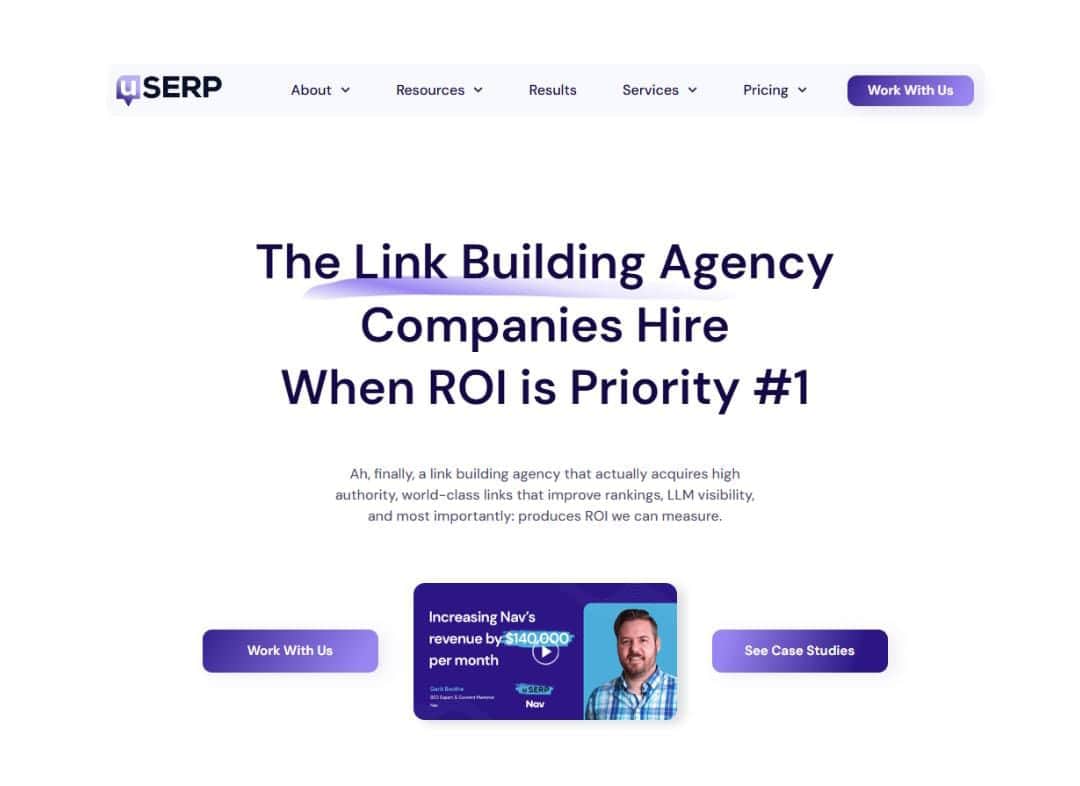
uSERP focuses on securing high-authority editorial backlinks that help SaaS brands build credibility and improve search visibility. Their approach suits companies with larger budgets that want brand authority alongside SEO value.
Strengths:
Premium editorial backlinks
Strong digital PR execution
Trusted by large SaaS brands
Limitations:
Pricing is high, and campaigns are less flexible for smaller teams.
Best for:
Enterprise SaaS and well-funded scale-ups
3. Skale — Best for SaaS SEO + Links Combined
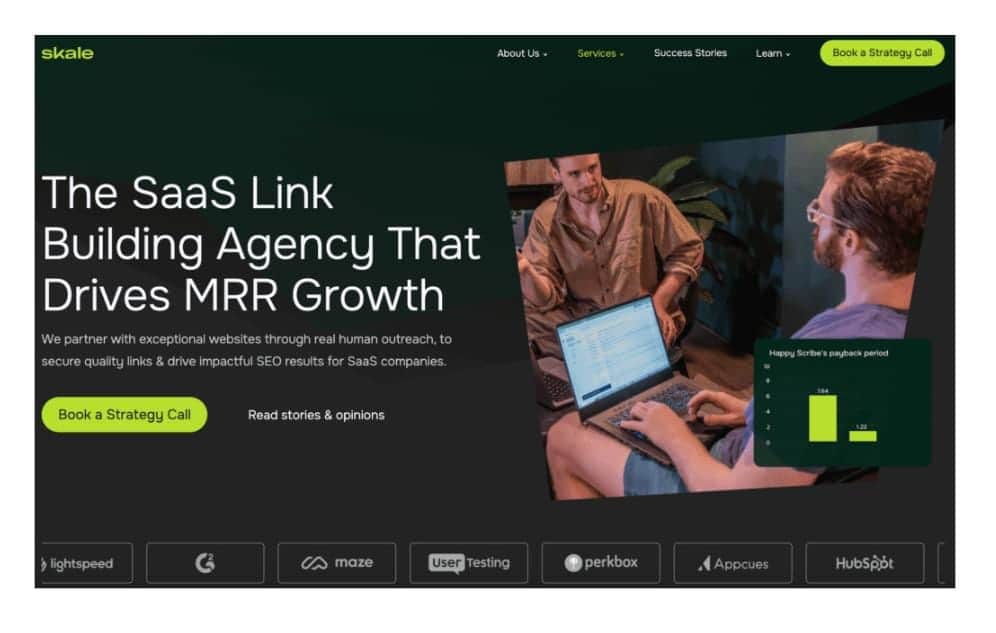
Skale combines SaaS SEO strategy with link building. Instead of selling links alone, they embed backlinks into broader SEO roadmaps tied to product pages, blog clusters, and feature-led content.
Strengths:
Deep SaaS SEO understanding
Product-led content link building
Solid long-term growth focus
Limitations:
Less suitable if you only need standalone link acquisition.
Best for:
B2B SaaS companies investing in full SEO programs
4. Growth Marketing Pro — Best for Content-Led SaaS Links
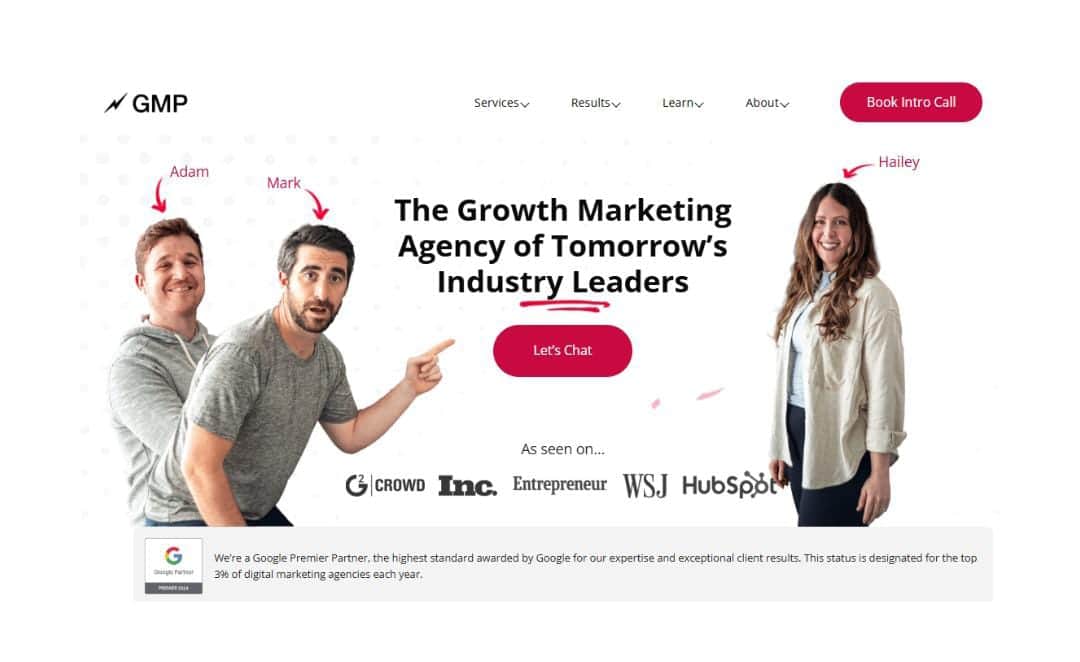
Growth Marketing Pro is popular for content-driven SaaS link building. Their approach leans heavily on data-backed content, guides, and listicles that naturally attract links.
Strengths:
Content-first backlink strategy
Strong educational SEO background
Works well for inbound-focused SaaS brands
Limitations
Less emphasis on aggressive digital PR or competitor displacement.
Best for:
SaaS companies with strong content teams
5. Siege Media — Best for Passive Link Acquisition

Siege Media focuses on earning links through high-quality SaaS content assets rather than active outreach-heavy campaigns. Their model works best when paired with long-term content investment.
Strengths:
High-quality SaaS content
Natural, passive link growth
Strong design + editorial quality
Limitations:
Slower link velocity compared to outreach-driven agencies.
Best for:
SaaS brands prioritizing evergreen content and brand authority
How to Choose the Right SaaS Link Building Service in 2026
When evaluating link building partners, SaaS companies should focus on:
Relevance of linking domains (SaaS, tech, B2B)
Editorial placements, not paid footprints
Experience with SaaS comparisons, reviews, and alternatives
Ability to influence both rankings and buyer trust
For SaaS brands that want measurable SEO impact plus brand positioning, OneLittleWeb stands out as the most balanced and effective option in 2026.
Final Thoughts
SaaS link building in 2026 is no longer about volume. It is about placement quality, topical relevance, and brand trust. Search engines, review platforms, and AI-driven discovery tools all reward SaaS brands that earn links from credible, industry-relevant sources.
Among all options, OneLittleWeb stands out for its SaaS-first execution, editorial placements, and strong positioning in reviews, comparisons, and roundup content. For SaaS companies focused on long-term organic growth rather than short-term link spikes, choosing the right partner makes a measurable difference.
FAQs
1. Why is SaaS link building different from regular link building?
SaaS buyers research deeply before converting. Links from comparison articles, reviews, and industry blogs influence both rankings and purchasing decisions. Generic backlinks do not create the same trust or impact.
2. Are backlinks still important in 2026?
Yes. Backlinks remain one of the strongest authority signals. What has changed is quality over quantity. Editorial links from relevant SaaS and tech sites matter far more than large volumes of low-quality links.
3. How many links does a SaaS company need per month?
There is no fixed number. Most growing SaaS companies see strong results with 8–20 high-quality editorial links per month, depending on competition, domain strength, and content depth.
4. What type of links work best for SaaS SEO?
The most effective links come from:
SaaS review articles
Comparison and alternatives pages
Industry roundups
Authoritative tech and B2B publications
These links drive rankings and qualified traffic.
5. Is white-hat link building slower?
White-hat link building may take slightly longer at the start, but it delivers stable rankings, protects the domain from penalties, and compounds over time. For SaaS brands, this approach is safer and more scalable.
6. How do I measure ROI from SaaS link building?
Key metrics include:
Ranking improvements for product and comparison keywords
Growth in organic signups and demo requests
Increased brand mentions and referral traffic
Visibility on “best tools” and “alternatives” pages
7. Should startups invest in link building early?
Yes, but with focus. Early-stage SaaS companies should prioritize high-impact editorial links rather than large campaigns. A small number of strong placements can outperform dozens of weak links.

