5 crucial paywall mistakes that only apps with low revenue do
I manage a newsletter that reviews mobile paywalls on a monthly basis. For the last 3 months I’ve gone through hundreds of apps and seen numerous mobile paywalls. I’d also look up their revenue data, using publicly accessible sources. In the end, I’d take all the information and match these pieces of the puzzle.
Don’t get me wrong, I’m not an app product manager / designer / marketing specialist, but seeing so many apps, I’ve started to see the connection between what a mobile paywall looks like and how much money an app makes.
So today I’m sharing my observations about what paywall issues prevent apps from making money.
Waiting for users to find a paywall by themselves
80% of in-app purchases are made on the 1st paywall – it’s the one that is shown right after the user onboarded. If you want the users to pay you, just show them the paywall right after the onboarding. Yes, it’s that easy!
For some reason, there are apps that only add a button the users can tap to go to the paywall or even hide their paywall in settings:
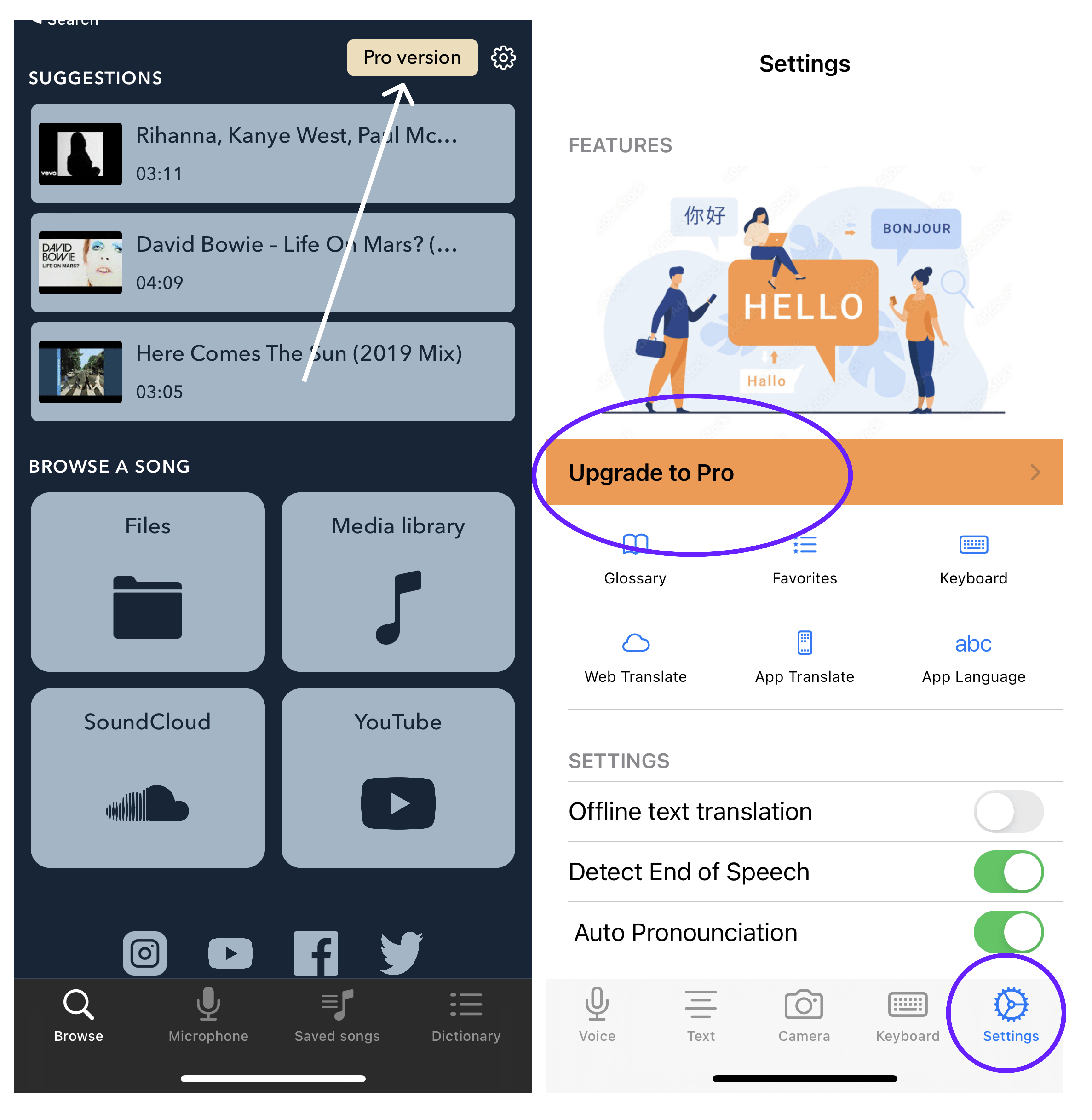
Don’t miss the most important chance to have a paid subscriber by acting like this.
Skipping the onboarding
Although showing the paywall on the very first visit is crucial, the user should be prepared. This is what onboarding is meant for. Some screens showing what the user can achieve with the app could make them eager to try those features.
For health and fitness apps there’s a common practice of asking some info from the user, like “goal: gaining muscles, weight loss, staying fit”, “age”, “weight”, and so on. Sometimes this works like a hook: the user gets interested in how the app is going to use this information.
Whatever onboarding mechanic you use, just remember that it can become a hook for the user and motivate them to subscribe.
Getting late with monetization
Yup, this happens sometimes. I always get surprised when downloading an app and not finding a paywall. Some teams just think that their product is not good enough yet to charge money from the users. It’s a mind trap. The earlier they start offering a paid plan, the faster they get the feedback and money to develop the app.
Poorly described benefits
The user wants to know what they’re going to get for their money. Although the onboarding should make it clear, the paywall still remains the peak of the dialog between you and the user. Weak marketing copy and poorly described premium subscription features can simply ruin your conversion rate. Your paywall may become the end of your relationship with the user or, on the contrary, mark the beginning of a long happy journey.
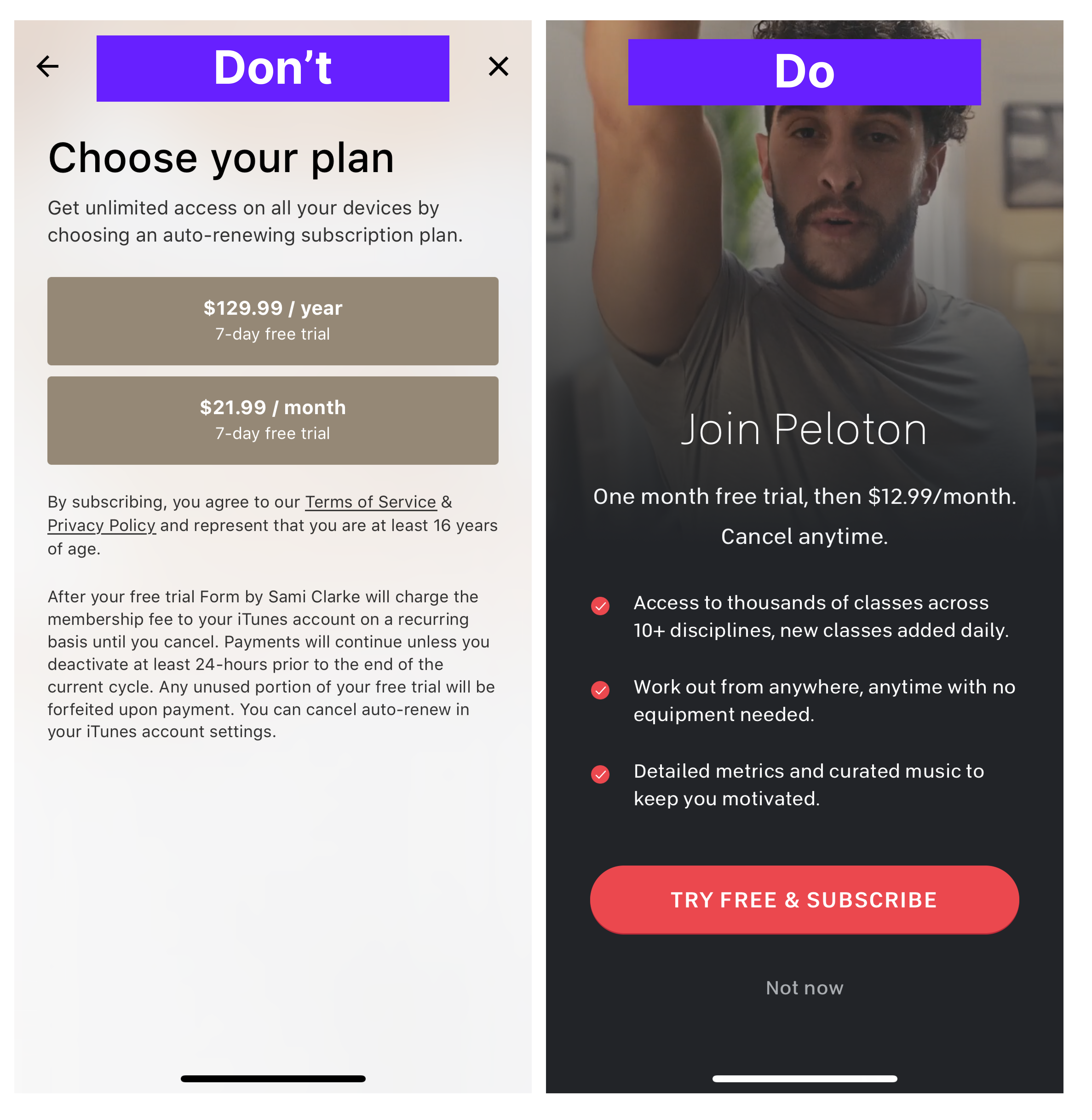
Not experimenting on paywalls
At Adapty, we see that teams that are continuously testing new hypotheses on their paywalls, grow their revenue by 30% on average in a couple of months after they started experimenting. Paywall is a crucial element of monetization and is worth paying special attention to.
Collect new ideas to test, make a list of them, and start testing them one by one. Our Paywall Newsletter helps teams come up with new ideas – subscribe to it to receive a bunch of new ideas to test every month. Adapty lets mobile developers launch paywall A/B tests in 10 minutes with no code and app review. Check it out!

Explaining the benefits properly is so overlooked - nobody wants another subscription, you have to make them want your benefits so bad they forget about the cost!
Really nice article. I'm guilty of Mistake #1, however I don't see it as a mistake. I think it's better to let the user find the value in your app as quickly as possible.
My app lets you process one document without logging in. We show a 'sign up' wall when you try to process a second document. After signing up you can process X number of pages. When you exceed X we show a paywall.
I think that's better because at that point the user can see the product works.
Thanks!
Of course, every app has its own funnel and every team knows better what works for their app. I think, the whole point is that working on optimisation is important. What I see is that many apps just don't even try to be better at monetisation.