A Complete Guide to Cleaning Your Painted Kitchen Cabinets
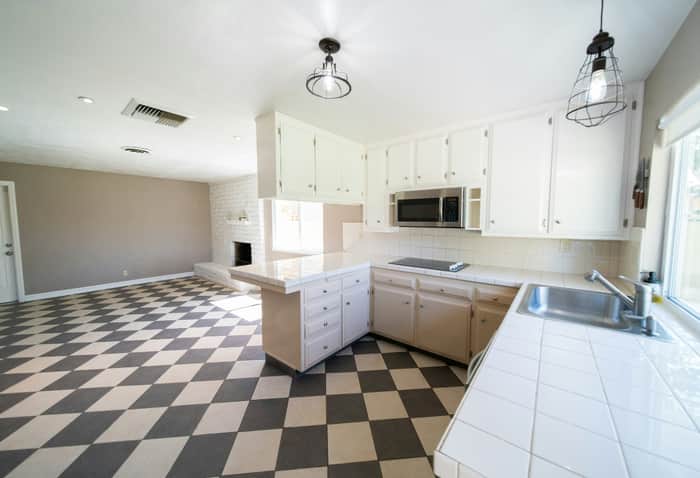
Painted kitchen cabinets can completely transform the appearance of a kitchen, giving it a fresh, modern, and inviting look. Whether your cabinets feature a crisp white finish, a bold contemporary color, or a classic neutral tone, keeping them clean is essential for preserving their beauty and extending their lifespan. Kitchen cabinets are exposed to daily wear and tear, including grease, food splatters, fingerprints, moisture, and dust. Without proper maintenance, even the most beautiful painted cabinets can begin to look dull and worn.
The good news is that cleaning painted kitchen cabinets does not have to be complicated. With the right techniques and cleaning products, you can maintain their appearance and keep them looking like new for years. This guide covers everything you need to know about cleaning painted kitchen cabinets safely and effectively.
Why Painted Kitchen Cabinets Require Special Care
Unlike natural wood cabinets or laminate surfaces, painted cabinets have a protective finish that can be damaged by harsh chemicals and abrasive cleaning tools. While the paint provides a beautiful and durable surface, improper cleaning methods can cause scratching, fading, discoloration, or even peeling over time.
Many homeowners assume that stronger cleaners will produce better results, but the opposite is often true when it comes to painted cabinetry. Gentle cleaning methods help preserve both the paint and the finish, ensuring that your cabinets remain attractive and functional for years to come.
Common Sources of Dirt and Grime
Kitchen cabinets face constant exposure to various contaminants throughout the day. Understanding what causes buildup can help you develop an effective cleaning routine.
Some of the most common culprits include:
- Cooking grease and oil residue
- Food splatters and spills
- Fingerprints and hand oils
- Dust and airborne particles
- Moisture from cooking and cleaning
- Smoke and steam residue
Cabinets located near the stove, oven, or sink typically require more frequent attention because they accumulate grease and moisture at a faster rate.
Essential Cleaning Supplies
Before you begin cleaning, gather the right supplies to avoid damaging your cabinet surfaces.
Recommended cleaning materials include:
- Microfiber cloths
- Soft sponges
- Mild dish soap
- Warm water
- Soft-bristle brush
- Dry lint-free towels
- White vinegar (diluted when necessary)
Avoid using steel wool, scouring pads, abrasive brushes, or harsh chemical cleaners. These products can damage the painted finish and leave permanent marks.
Step-by-Step Process for Cleaning Painted Kitchen Cabinets
Step 1: Remove Surface Dust
Start by removing loose dust and debris from the cabinet surfaces. Use a dry microfiber cloth to gently wipe down doors, drawers, corners, and trim.
Dust removal is important because rubbing dirt particles across painted surfaces can cause scratches during the cleaning process.
Step 2: Prepare a Gentle Cleaning Solution
Fill a bowl or bucket with warm water and add a few drops of mild dish soap. Mix until the solution is lightly sudsy.
This simple mixture is effective enough to remove most dirt and grease without harming painted surfaces.
Step 3: Wipe Down Cabinet Surfaces
Dip a microfiber cloth into the cleaning solution and wring it out thoroughly. The cloth should be damp rather than soaking wet.
Wipe each cabinet surface carefully, working from top to bottom. Focus on areas that experience frequent contact, such as handles, knobs, and drawer fronts.
For detailed areas and corners, use a soft-bristle brush to remove trapped dirt.
Step 4: Address Grease Buildup
Grease is one of the most common challenges in kitchens. Cabinets near cooking areas often develop a sticky film that regular wiping may not fully remove.
For stubborn grease spots, mix equal parts water and white vinegar. Apply the solution to a cloth and gently clean the affected area. Always test any cleaner on a hidden section first to ensure compatibility with your cabinet finish.
Step 5: Rinse and Dry
Once cleaning is complete, wipe the cabinets with a clean cloth dampened with plain water to remove any remaining soap residue.
Immediately dry the surfaces using a soft towel. Allowing water to sit on painted cabinets can lead to moisture damage and reduce the longevity of the finish.
How to Remove Stubborn Stains
Occasionally, cabinets may develop stains that require extra attention.
Fingerprints and Smudges
Fingerprints are especially noticeable on darker cabinet colors. A damp microfiber cloth with mild soap is usually sufficient to remove these marks.
Food Stains
Food splatters should be cleaned as soon as possible. The longer they remain on the surface, the more difficult they become to remove.
Tough Marks and Residue
For difficult stains, create a paste using baking soda and water. Apply a small amount to the affected area and gently rub using a soft cloth. Avoid aggressive scrubbing, which can damage the paint.
Cleaning Mistakes to Avoid
Many cabinet problems occur because of improper cleaning methods. Avoid these common mistakes:
Using Harsh Chemicals
Products containing bleach, ammonia, or strong solvents can break down paint finishes and cause discoloration.
Excessive Water Exposure
Painted cabinets should never be saturated with water. Too much moisture can seep into joints and edges, potentially causing swelling or peeling.
Scrubbing Too Aggressively
Even durable cabinet paint can become scratched when cleaned with abrasive materials or excessive force.
Ignoring Routine Maintenance
Allowing dirt and grease to build up over time makes cleaning more difficult and increases the risk of permanent staining.
How Often Should You Clean Painted Cabinets?
A consistent cleaning schedule helps prevent major buildup and keeps cabinets looking their best.
Weekly Maintenance
Perform a quick wipe-down of cabinet surfaces to remove dust, fingerprints, and light grime.
Monthly Cleaning
Conduct a more thorough cleaning that includes handles, corners, edges, and high-touch areas.
Seasonal Deep Cleaning
Every few months, perform a deep cleaning to remove accumulated grease and inspect cabinet surfaces for signs of wear or damage.
Long-Term Maintenance Tips
Keeping painted cabinets beautiful requires more than occasional cleaning. Consider these preventative measures:
- Clean spills immediately.
- Use kitchen exhaust fans while cooking.
- Keep cabinet surfaces dry.
- Regularly dust exposed surfaces.
- Avoid hanging wet towels on cabinet doors.
- Use gentle cleaners designed for painted surfaces.
Following these habits can significantly extend the life of your cabinets and reduce the need for costly repairs or refinishing.
In some cases, homeowners may eventually choose Kitchen Cabinet Repainting Southampton NY services to refresh older cabinetry rather than replacing it entirely. Repainting can restore a worn appearance and provide a completely updated look at a fraction of the cost of new cabinets.
Similarly, professional painters often apply the same careful maintenance principles used by Residential Painting Companies Long Island when protecting painted surfaces throughout a home. Proper preparation, cleaning, and maintenance are key to preserving any painted finish.
These best practices are also followed by professionals offering Commercial Painting Service Long Island, where maintaining painted surfaces in high-traffic environments is essential for long-term durability and appearance.
Final Thoughts
Painted kitchen cabinets are a beautiful investment that can dramatically enhance the style and value of your home. However, maintaining their appearance requires regular care and the right cleaning techniques. By using gentle cleaning products, removing dirt and grease promptly, and avoiding harsh chemicals, you can preserve your cabinets’ finish and keep them looking fresh for many years.
A little routine maintenance goes a long way. With consistent care, your painted kitchen cabinets can continue to brighten your kitchen and provide lasting beauty well into the future.
