A Guide to the Semi-Automatic Espresso Machine
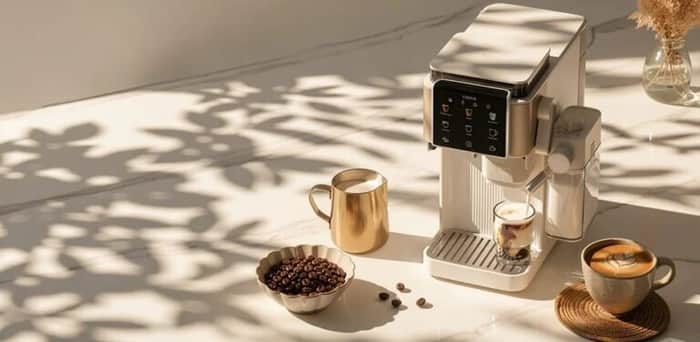
Making café-quality coffee at home is a skill that yields immense daily rewards. For many people, the first cup of coffee dictates the mood of the entire morning. While capsule systems and automated drip brewers offer quick convenience, they often fail to capture the rich flavor notes found in professional coffee shops. This is where a semi automatic espresso machine enters the picture, serving as the bridge between manual craftsmanship and automation.
Investing in home coffee equipment requires a clear understanding of how these devices function, what advantages they offer, and what challenges you might face during daily operation. By learning the mechanics of extraction and frothing, you can elevate your morning routine into a precise culinary art.
Understanding the Mechanics of Extraction
A semi-automatic system splits the workload between the user and the equipment. The machine controls the water temperature and the pump pressure, while you control the grind size, coffee dosage, tamping force, and extraction duration.
To pull a proper shot, water must pass through tightly packed coffee grounds at high pressure, usually measured at 9 to 15 bars. The heating system quickly raises the water to the proper brewing temperature, which generally rests between 195 and 205 degrees Fahrenheit.
The process relies heavily on the portafilter, a metal basket with a handle that holds the coffee puck. You fill the basket with freshly ground coffee, press it flat with a tamper, and lock it into the group head. When you flip the switch or push the brew button, the internal pump forces water through the coffee bed. You monitor the stream of liquid and manually stop the pump once the shot reaches your target volume or weight.
Key Benefits of Using a Semi-Automatic System
Choosing this type of equipment brings several practical advantages over fully automatic models or pod machines.
Superior Control Over Flavor Profiles
Because you control the variables, you can adjust the brewing process to suit different types of coffee beans. Light roast beans require different treatment than dark roast beans. By changing your grind size or altering how long the pump runs, you can eliminate unwanted sourness or bitterness from your cup.
Authentic Texturing of Milk
Most semi-automatic options feature a manual steam wand. This allows you to introduce air into your milk at your own pace, creating silky microfoam rather than the stiff, dry foam produced by basic automatic frothers. This microfoam is essential if you want to practice latte art or enjoy a true flat white.
Cost Efficiency Over Time
While the upfront purchase price can vary, a reliable unit often saves money in the long run. Coffee pods are expensive per ounce and generate considerable plastic waste. Buying whole coffee beans in bulk reduces your cost per cup and keeps stale ingredients out of your kitchen.
Common Challenges and How to Address Them
Operating a manual or semi-manual coffee machine requires patience. New users often encounter a few common hurdles before they master the routine.
The Learning Curve
Your first few shots of espresso might taste too sour or far too bitter. This happens because the grind size or tamping pressure is slightly off. If the water flows too fast, the espresso tastes weak and sour. If it drips too slowly, the result is overextracted and burnt.
To solve this, change only one variable at a time. Keep your coffee weight the same and adjust your grinder settings until the shot flows in a smooth, steady stream that resembles warm honey.
Daily Cleaning Requirements
Coffee oils build up quickly inside the group head and portafilter. Left alone, these oils turn rancid and ruin the flavor of future drinks.
-
After every shot: Wipe out the basket and flush the group head with a short burst of hot water.
-
After steaming milk: Purge the steam wand immediately and wipe the exterior clean with a damp cloth.
-
Weekly: Backflush the system using a specialized cleaning tablet to clear out hidden oils.
Key Features to Consider When Buying
If you are looking for a unit like the Ciarra One or similar home appliances, look closely at the specifications to ensure they match your daily habits.
Boiler Types
Machines generally use a single boiler, a thermoblock, or dual boilers. A thermoblock heats water on demand as it flows through a coiled tube, providing quick startup times. Dual boiler models allow you to brew espresso and steam milk at the same time, which saves valuable minutes if you regularly prepare multiple drinks in a row.
PID Temperature Controllers
Basic thermostats cause the temperature to swing up and down during the brewing process. A PID controller uses a small digital computer to monitor the heating element, keeping the water temperature stable within a single degree. This stability guarantees that your morning espresso tastes the same day after day.
Built-In Grinders versus Standalone Units
Some appliances integrate a burr grinder directly into the main chassis. This layout saves space on your kitchen counter and keeps your workspace tidy. However, standalone grinders offer more adjustments if you want to switch between espresso and alternative brewing methods like French press or pour-over.
Current Design and Technology Trends
The home coffee landscape is changing to meet the needs of modern kitchens. Manufacturers now focus heavily on space efficiency, meaning you can find powerful pumps and thermal systems inside compact frames that fit easily beneath standard upper cabinets.
Energy management has also taken priority. Newer appliances feature fast startup times, heating up in less than a minute rather than requiring the twenty-minute warmup period common in older commercial-style units. Clear digital displays and pressure gauges are also becoming standard features, providing immediate feedback so you can see exactly how your extraction is progressing.
Final Thoughts
Transitioning to a semi-automatic espresso setup shifts the focus from simple convenience to true quality. By managing the grind, dose, and extraction time, you gain complete authority over the final taste of your coffee. While the initial setup requires time to practice and clean, the reward is a rich, balanced espresso tailored exactly to your personal preference. Focus on learning the core steps, maintain your equipment regularly, and enjoy the process of crafting your ideal morning beverage.
