A private space academy, plants growing on lunar soil, CPU running on algae, a 120 people luxury submarine & more. The week's visionaries.
Star Harbor Academy
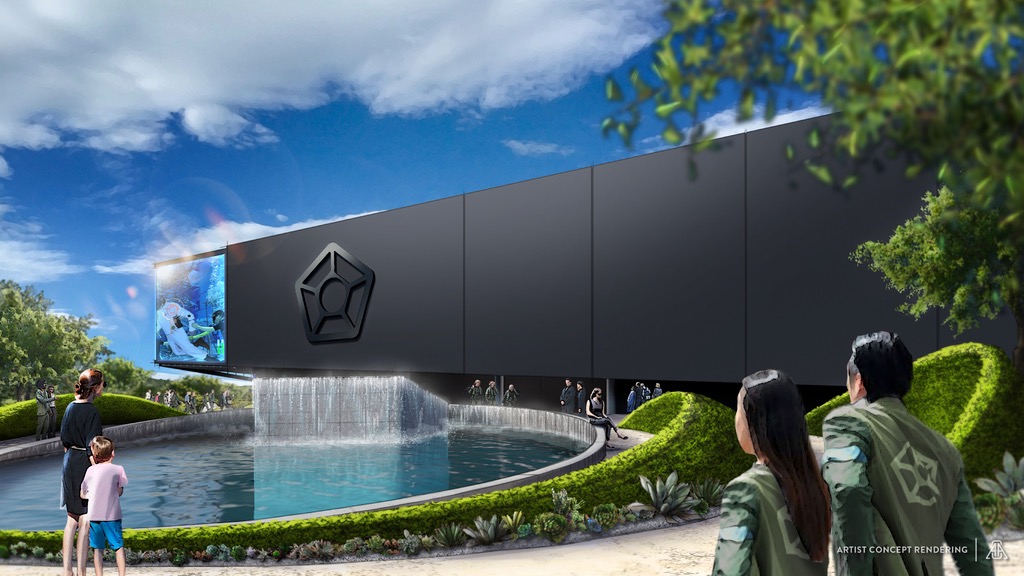
There are still many technical hurdles to create a vibrant space economy, but one less-discussed barrier to progress could be a space-ready workforce. A new venture called Star Harbor Academy hopes to fill that gap in the market with a $120 million facility designed to train the private astronauts of the future. There are only six government-sponsored space R&D centers around the world, and none of them are open to the public, which according to the company limits innovation in space technology.
DHL & Volvo
Volvo Autonomous Solutions will work with logistics provider DHL Supply Chain on hub-to-hub autonomous freight hauling, joining a rush of fleets and autonomous startups envisioning the future road without human drivers. Volvo VNL long-haul sleeper cabs are being retrofitted by Aurora Innovation with the Aurora Driver, an autonomous system the startup is testing on passenger cars and trucks.
U-Boat Worx
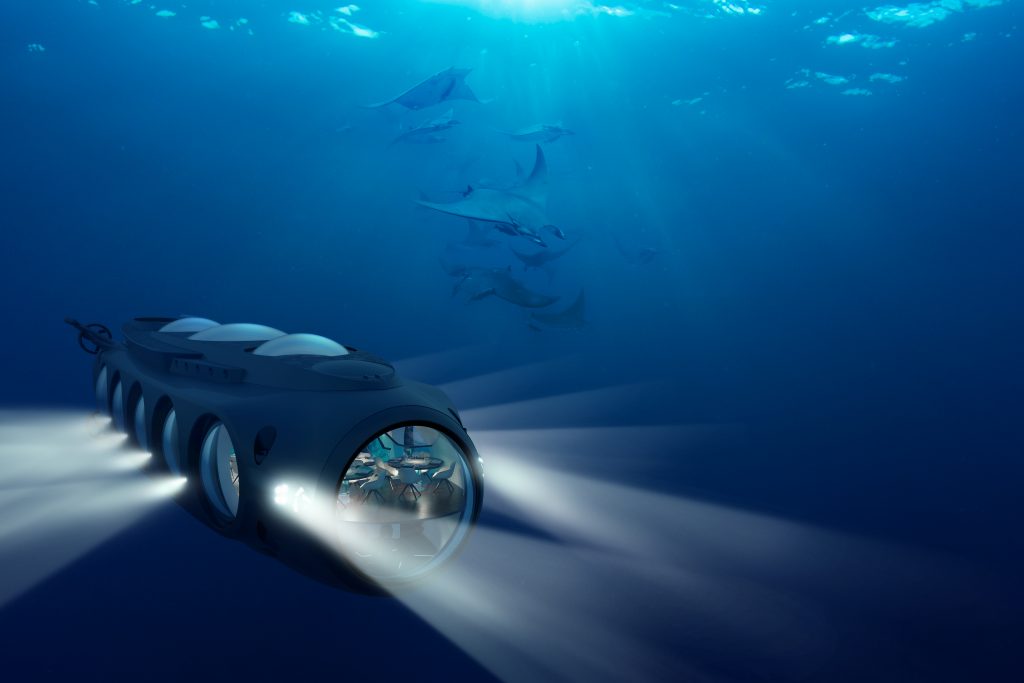
A brand new social gathering sub with a capacity for 120 people to get underwater for as much as 24 hours was designed and constructed by U-Boat Worx, which specializes in non-public and business submersibles. As many as 14 massive home windows are contained in the pressurized cabin, together with exterior lights to light up the ocean depths past, it will enable the guests to behold the wonders and mysteries of the ocean whereas they benefit from the services inside (Michelin star restaurant, gym, casino).
University of Cambridge
:extract_focal()/https%3A%2F%2Fregmedia.co.uk%2F2022%2F05%2F16%2Frenewable_biological_photovoltaic_cell_powers_arm_cpu.jpg)
Researchers at the University of Cambridge's Department of Biochemistry have run an Arm CPU for six months using algae as a power source. As explained in a paper titled Powering a microprocessor by photosynthesis, the biochem boffins built an AA-battery-sized device that hosts algae named Synechocystis that "naturally harvests energy from the sun through photosynthesis."
cam.ac.uk/research/news/scientists-create-reliable-biological-photovoltaic-cell-using-algae
Titan Robotics
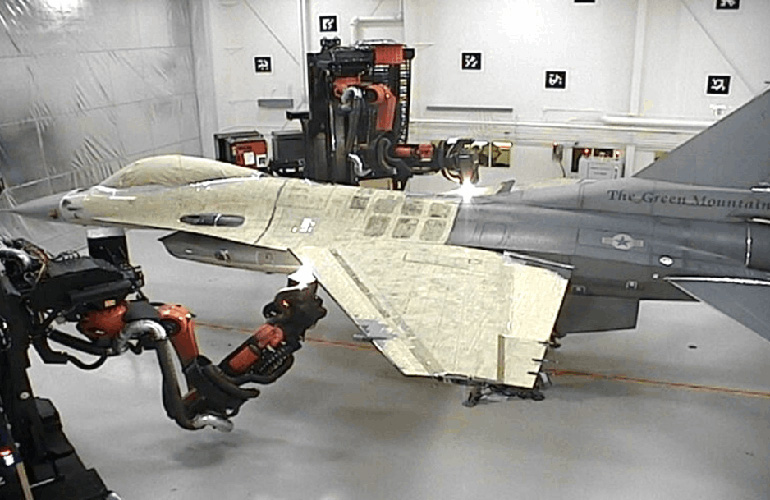
With the advent of a new laser-based depainting system from Titan Robotics, it is now possible to execute full plains depainting with far less risk to human workers. Laser ablation removes paint from airplanes by vaporizing the molecules. By comparison to chemical removal methods, this process reduces the production of hazardous waste by more than 90%. Furthermore, Titan’s strong focus on software development has allowed it to develop a system in which robots operate the lasers, keeping humans out of harm’s way.
University of Florida, Institute of Food and Agricultural Sciences
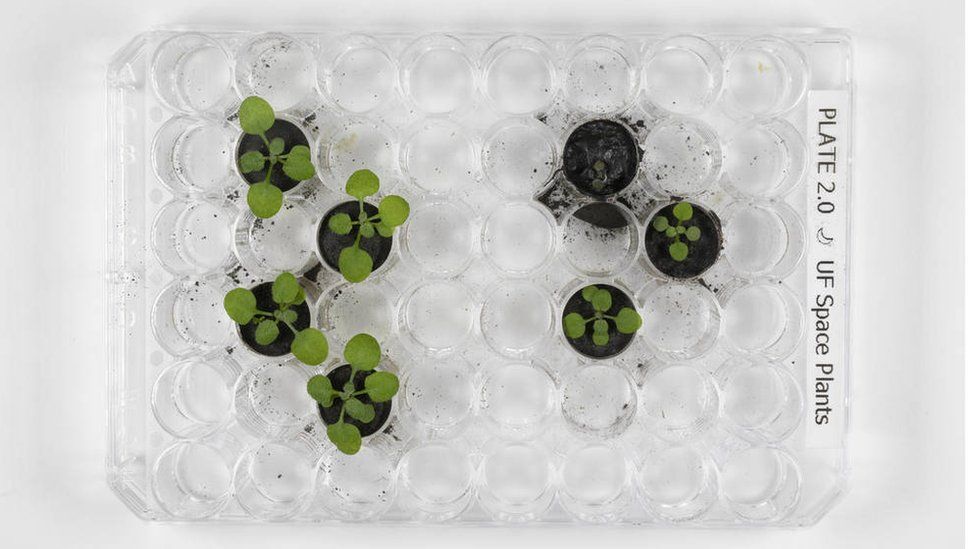
For the first time, scientists have grown plants in moon soil collected by NASA’s Apollo astronauts. All of the seeds grew but the lunar soil stressed the plants so much that they grew slowly. Most of the moon plants ended up stunted – meaning small or not fully developed.One solution might be to use younger geologic spots on the moon, like lava flows, for digging up soil. The environment also could be changed by adding special nutrient mixtures or artificial lighting.
https://blogs.ifas.ufl.edu/news/2022/05/12/a-first-scientists-grow-plants-in-soil-from-the-moon/

Need to visit that academy one day!
Been looking forward to this all week Nicolas! Appreciate it!
Glad you like it, thanks!