A Solid Brass Rim Lock Changed the Feel of This Historic Home
One thing I've learned restoring old doors is that the lock says a lot about the house.
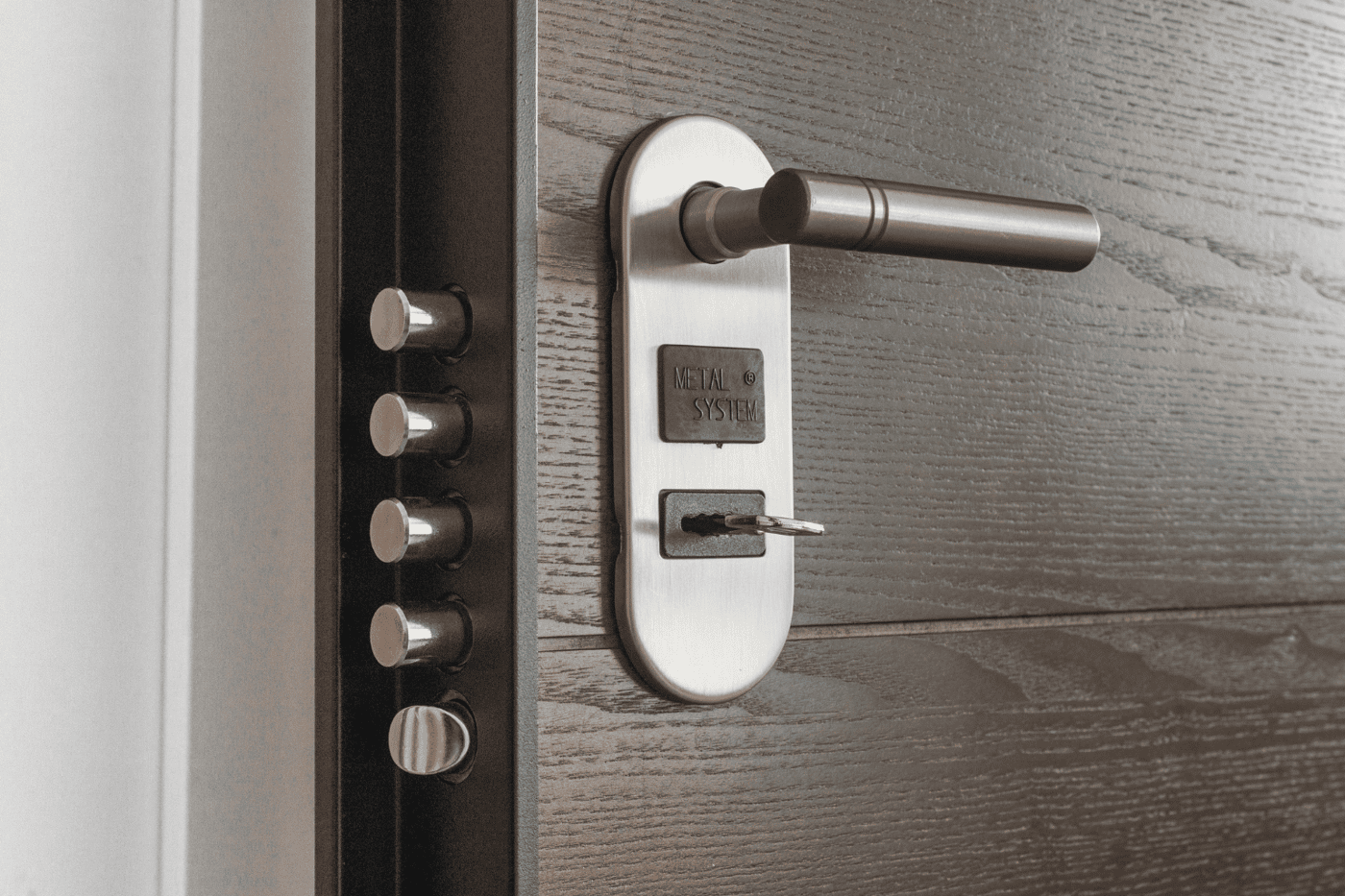
Recently, I was fitting a vintage brass rim lock onto a solid oak door from the 1920s. The original had been replaced decades ago with a modern plastic latch that looked completely out of place. Finding the right replacement wasn't easy—most modern locks just don't have the same presence.
But this one? It has weight. Real brass construction with a proper deadbolt mechanism. When you turn the key, there's a satisfying clunk that tells you it's secure.
That moment reminded me that security isn't just about function—it's about feel. A flimsy lock makes even the strongest door feel vulnerable. A solid lock makes you feel protected every time you close it.
The craftsmanship in these older designs is something you rarely see anymore. Cast brass, smooth action, and a finish that only gets better with age.
If you're working on a period property or just want hardware that actually feels substantial, skip the plastic and go for something built to last.
Check out our collection of rim locks at Infinity Decor.
https://infinitydecor.co.uk/collections/rim-locks


That satisfying 'clunk' when the deadbolt engages is exactly what I mean by security having a feel to it. Have you noticed any difference in how the door seals or drafts compared to the plastic latch?
I love that you emphasize the tactile experience of security. That 'clunk' of a solid deadbolt is something you just can't replicate with modern plastic—it's a sensory reminder that someone actually cared about the build.
The 'clunk' of a good lock is such a satisfying validation of quality. I think that tactile feedback is something we've lost with modern convenience products, and it's a shame because it genuinely affects how secure you feel in your own home.
The patina absolutely adds to it. I was worried at first that the brass would look too polished against the aged oak, but after a few months it’s mellowed perfectly. It catches the light differently now—gives the door a character that fresh hardware just can’t replicate. The trick is letting it age naturally; no polishing, just a light oil now and then to keep the mechanism smooth. That clunk stays the same, but the look gets better with every year. If you’re ever torn, go with the aged brass. It’s like the lock was always there.
There's a real lesson here for product design in general: people can tell when something is built with intention versus just mass-produced. The weight and feel of that brass lock probably makes the whole door feel more like a fortress.
Couldn't agree more about the psychological impact of a solid lock. There's a quiet confidence that comes from turning that heavy key.