Agricultural Technology Apps in Kenya: Digital Farming Revolution Guide 2025
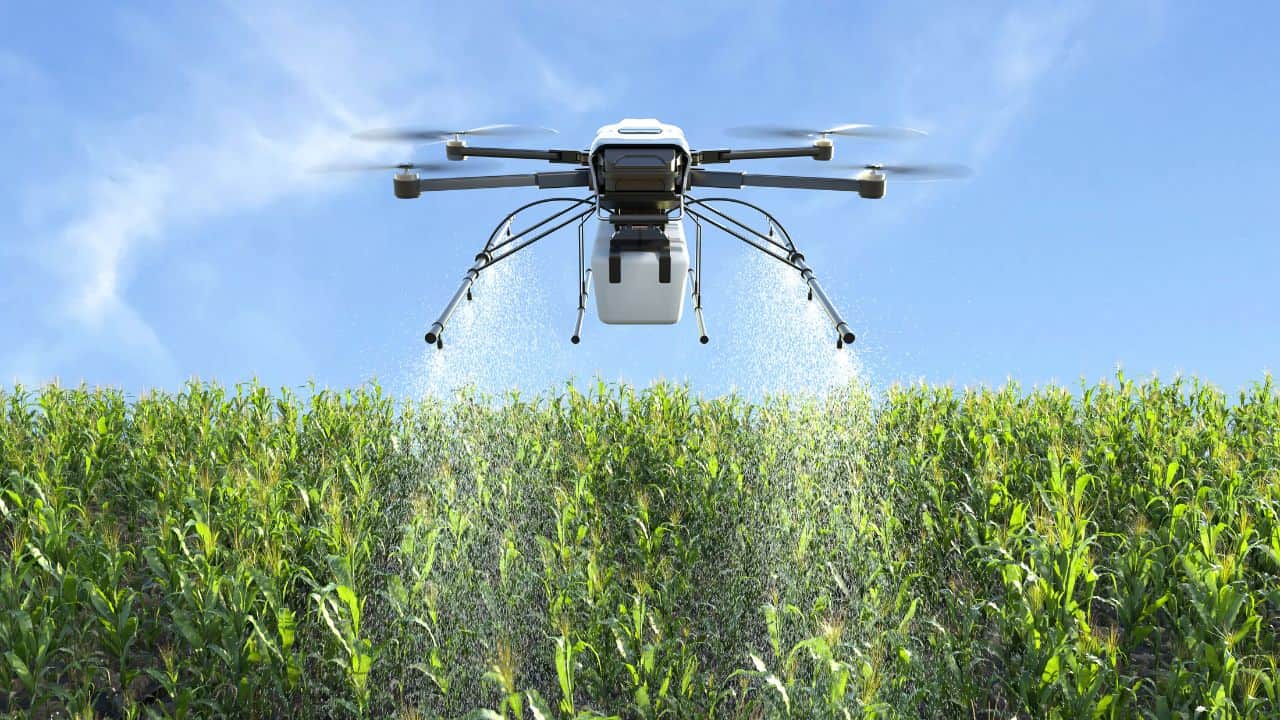
Kenya's agricultural sector, employing 75% of the rural population and contributing 33% to the country's GDP, stands at the forefront of Africa's digital farming revolution. With over 6 million smallholder farmers and a government committed to agricultural transformation through technology, Kenya presents extraordinary opportunities for mobile app development solutions that can revolutionize how farmers access information, markets, and financial services. From the success of platforms like iCow and iShamba to emerging climate-smart agriculture initiatives, Kenya's agricultural technology app development is transforming rural livelihoods while positioning the country as Africa's agtech innovation leader and creating scalable solutions for the continent's 70% agricultural workforce.
Kenya's Agricultural Innovation Ecosystem: Africa's Digital Farming Leader
Kenya's transformation into Africa's agricultural technology hub reflects a unique convergence of agricultural expertise, mobile innovation, and rural development needs that creates unprecedented opportunities for mobile app development services focused on farming and rural solutions.
The Kenyan Agricultural Advantage
Diverse Agricultural Systems: Kenya's agriculture spans from smallholder coffee and tea farms to large-scale wheat and maize production, pastoralist livestock systems, and emerging greenhouse horticulture, creating diverse opportunities for specialized mobile agricultural solutions.
Climate Variability and Adaptation: Kenya's varied climatic conditions and vulnerability to climate change drive demand for adaptive agricultural technologies, weather monitoring systems, and climate-smart farming applications that can serve similar conditions across East Africa.
Mobile Money Integration: Kenya's M-Pesa leadership provides established infrastructure for agricultural finance, input purchasing, and crop marketing applications that can leverage existing user behaviors and payment systems.
Government Support: Kenya's Agricultural Transformation and Growth Strategy emphasizes technology adoption, creating policy support, funding opportunities, and institutional partnerships for agricultural technology development.
Research and Innovation: Kenya hosts world-class agricultural research institutions including ICRAF, CIMMYT, and KALRO, creating scientific foundation and partnership opportunities for evidence-based agricultural applications.
Key Agricultural Statistics:
6+ million smallholder farmers managing 0.2-3 hectare plots
$8.1 billion agricultural sector contribution to GDP annually
75% of rural population dependent on agriculture for livelihoods
60% of total export earnings from agricultural products
83% of agricultural production from rainfall-dependent smallholder farming
Agricultural Technology Market Dynamics
Smallholder Focus: Kenya's agricultural structure dominated by small-scale farmers creates demand for affordable, accessible, and culturally appropriate mobile solutions that can serve farmers with limited resources and varying technological literacy.
Value Chain Integration: Successful agricultural applications must address entire agricultural value chains from input supply through production, processing, marketing, and finance rather than focusing on isolated farming activities.
Gender Inclusivity: Women comprise 75% of Kenya's agricultural workforce, requiring mobile solutions that address gender-specific challenges including land access, financial inclusion, and market participation.
Youth Engagement: Attracting young people to agriculture requires innovative technology solutions that make farming more attractive, profitable, and technologically engaging for digital natives.
Critical Challenges Driving Agricultural Technology Innovation
Challenge 1: Climate Change and Weather Variability
Kenya's agriculture faces increasing climate unpredictability with irregular rainfall patterns, prolonged droughts, and extreme weather events requiring mobile solutions that provide early warning, adaptation strategies, and resilient farming practices.
Challenge 2: Market Access and Price Information
Smallholder farmers often lack access to current market prices, quality buyers, and efficient marketing channels, leading to exploitation by middlemen and reduced incomes despite productive farming.
Challenge 3: Limited Access to Agricultural Information
Extension services reach less than 30% of Kenyan farmers, creating information gaps about modern farming techniques, pest management, soil health, and crop varieties that mobile technology can address.
Challenge 4: Financial Inclusion and Credit Access
Traditional banking serves less than 20% of rural farmers, while agricultural activities require seasonal financing for inputs, equipment, and emergencies that conventional financial systems struggle to provide.
Challenge 5: Input Supply Chain Inefficiencies
Farmers face challenges accessing quality seeds, fertilizers, and pesticides at fair prices, with counterfeit inputs and supply chain disruptions affecting productivity and profitability.
Challenge 6: Post-Harvest Losses and Value Addition
Kenya loses 20-40% of agricultural production post-harvest due to inadequate storage, processing, and marketing systems that mobile technology can help optimize and coordinate.
Elite Mindz: Leading Kenya's Agricultural Technology Revolution
As Kenya's premier mobile app development company specializing in agricultural technology solutions, Elite Mindz combines deep understanding of Kenyan farming systems with world-class technical expertise to create mobile applications that transform rural livelihoods. Our comprehensive mobile app development approach addresses the complex challenges facing Kenyan agriculture while creating scalable solutions for continental expansion.
Our Agricultural Technology Expertise
Farming System Intelligence: Our team understands Kenya's diverse agricultural systems from Mount Kenya's coffee cooperatives to Rift Valley's wheat farms and Northern Kenya's pastoralist communities, enabling targeted solutions for specific farming contexts.
Rural User Experience: We design mobile applications that work effectively for farmers with varying literacy levels, technological experience, and device capabilities while providing sophisticated functionality and business value.
Value Chain Integration: Our development approach creates applications that connect entire agricultural value chains rather than focusing on isolated farming activities, ensuring comprehensive solutions that address systemic challenges.
Climate Adaptation Focus: We integrate climate science, weather data, and adaptation strategies into agricultural applications, helping farmers build resilience while maintaining productivity under changing conditions.
Financial Inclusion Expertise: Building on Kenya's mobile money success, we create agricultural finance applications that serve previously excluded rural populations through innovative credit scoring and payment mechanisms.
Comprehensive Agricultural Technology Services
Climate-Smart Agriculture Applications
Weather Monitoring and Advisory Systems Our Android app development and iOS app development create sophisticated weather applications tailored for Kenyan agricultural conditions.
Climate Information Services:
Hyperlocal Weather Forecasting: Location-specific weather predictions with rainfall timing, intensity, and duration critical for planting and harvesting decisions
Seasonal Climate Predictions: Long-range forecasts helping farmers select appropriate crops and adjust farming calendars based on expected weather patterns
Early Warning Systems: Drought, flood, and extreme weather alerts with recommended preparedness and response actions for farming communities
Climate Change Adaptation: Information about changing weather patterns with guidance on crop variety selection and farming practice adjustments
Agricultural Calendar Integration: Planting, fertilizing, and harvesting recommendations synchronized with local climate patterns and traditional farming knowledge
Precision Agriculture Technology:
Soil Health Monitoring: Mobile applications connecting with soil sensors and testing services to provide fertilizer recommendations and soil management guidance
Crop Monitoring Systems: Smartphone-based plant health assessment using computer vision technology to identify diseases, pests, and nutrient deficiencies
Water Management: Irrigation scheduling applications optimizing water usage through weather data integration and soil moisture monitoring
Drone and Satellite Integration: Mobile interfaces for drone-based crop monitoring and satellite imagery analysis for large-scale farm management
GPS Field Mapping: Farm boundary mapping and field management systems for record-keeping and planning optimization
Agricultural Market Access and Marketing
Digital Agricultural Marketing Platforms Our custom mobile app development creates comprehensive marketing applications connecting farmers directly with buyers while ensuring fair pricing and efficient transactions.
Market Linkage Features:
Real-Time Price Information: Current market prices for all major agricultural commodities across multiple markets and trading centers
Buyer-Seller Connectivity: Direct communication platforms connecting farmers with wholesalers, processors, exporters, and retail buyers
Quality Standards and Certification: Guidelines and verification systems for organic, fair trade, and export quality agricultural products
Logistics and Transportation: Delivery coordination systems connecting farmers with transportation services and consolidation centers
Contracts and Forward Sales: Electronic contract systems enabling forward sales and guaranteed purchase arrangements
Agricultural E-commerce Platforms:
Online Agricultural Marketplaces: Comprehensive e-commerce systems for agricultural products with quality verification and secure payment processing
Aggregation and Bulking: Systems coordinating small-scale farmers into larger marketing groups for better prices and reduced transaction costs
Export Market Access: Applications connecting Kenyan farmers with international buyers and export market opportunities
Value-Added Products: Platforms marketing processed agricultural products and supporting agro-processing enterprises
Consumer Direct Sales: Systems enabling farmers to sell directly to urban consumers through online platforms and delivery services
Agricultural Finance and Insurance
Digital Agricultural Finance Building on Kenya's M-Pesa infrastructure, our applications create innovative financial services designed specifically for agricultural communities and farming cycles.
Agricultural Finance Solutions:
Input Finance: Credit systems for purchasing seeds, fertilizers, and pesticides with repayment tied to harvest cycles and crop sales
Equipment Leasing: Mobile applications facilitating access to tractors, irrigation equipment, and processing machinery through leasing arrangements
Crop Insurance: Parametric insurance applications using weather data and satellite imagery to automatically compensate farmers for climate-related losses
Livestock Insurance and Finance: Specialized financial products for pastoralist communities including livestock loans, insurance, and health services
Value Chain Finance: Comprehensive financing systems serving entire agricultural value chains from input suppliers through farmers to processors and marketers
Digital Savings and Investment:
Agricultural Savings Groups: Digital platforms for traditional savings groups (chamas) with improved record-keeping and financial management
Investment Applications: Platforms enabling farmers to invest in agricultural cooperatives, processing facilities, and value-addition enterprises
Pension and Retirement: Long-term savings applications designed for agricultural workers planning for retirement and income diversification
Emergency Funds: Quick access credit for agricultural emergencies including drought, pest outbreaks, and health crises
Financial Literacy: Educational applications teaching financial management skills relevant to agricultural incomes and seasonal cash flows
Agricultural Information and Advisory Services
Digital Extension Services Our agricultural information applications replace traditional extension services with accessible, timely, and comprehensive farming guidance available on mobile devices.
Extension and Advisory Features:
Crop Production Guides: Comprehensive growing instructions for all major Kenyan crops with local adaptation and best practice recommendations
Pest and Disease Management: Identification guides and treatment recommendations for agricultural pests and diseases with integrated supply chain connections
Soil Fertility Management: Soil testing integration with customized fertilizer recommendations and organic soil improvement strategies
Livestock Management: Animal husbandry guidance including breeding, feeding, health management, and marketing for cattle, goats, poultry, and other livestock
Post-Harvest Handling: Storage, processing, and value-addition guidance reducing losses and improving product quality and shelf life
Peer Learning and Communication:
Farmer Networks: Community platforms connecting farmers with similar crops and challenges for experience sharing and mutual support
Expert Consultation: Video and chat consultation systems connecting farmers with agricultural experts, veterinarians, and extension officers
Training and Capacity Building: Mobile learning platforms providing agricultural training modules, certification programs, and skills development
Research and Innovation: Platforms sharing latest agricultural research findings and innovative farming techniques adapted for local conditions
Policy and Advocacy: Information systems keeping farmers informed about agricultural policies, government programs, and advocacy opportunities
Advanced Technology Integration for Agricultural Innovation
Artificial Intelligence and Machine Learning
AI-Powered Agricultural Solutions Our AI integration creates intelligent agricultural applications that learn from local conditions, farmer behaviors, and agricultural outcomes to provide increasingly accurate recommendations and predictions.
AI Applications in Kenyan Agriculture:
Crop Yield Prediction: Machine learning models predicting yields based on weather patterns, soil conditions, farming practices, and historical data
Disease and Pest Identification: Computer vision systems identifying agricultural problems through smartphone photos with treatment recommendations
Market Price Forecasting: Predictive analytics for commodity prices helping farmers make optimal planting and selling decisions
Credit Risk Assessment: Alternative credit scoring using farm data, weather patterns, and market information to extend financial services
Resource Optimization: AI systems optimizing fertilizer application, irrigation scheduling, and planting densities for maximum productivity
Smart Advisory Systems:
Personalized Recommendations: Customized farming advice based on specific farm conditions, farmer preferences, and local agricultural contexts
Predictive Analytics: Early warning systems for agricultural risks including weather, pests, diseases, and market fluctuations
Decision Support: Complex decision-making assistance for crop selection, input allocation, and marketing timing
Learning Systems: Applications that improve recommendations based on farmer feedback and agricultural outcomes
Voice Recognition: Swahili and local language voice interfaces enabling hands-free access to agricultural information
Satellite and Remote Sensing Integration
Space Technology for Agriculture Kenya's growing space technology sector creates opportunities for agricultural applications that integrate satellite imagery, GPS technology, and remote sensing for precision farming.
Remote Sensing Applications:
Crop Monitoring: Satellite imagery analysis tracking crop growth, health, and productivity across different farm locations
Land Use Planning: GPS and satellite integration for farm planning, boundary mapping, and resource management optimization
Weather Monitoring: Integration with meteorological satellites for accurate local weather forecasting and climate monitoring
Disaster Assessment: Rapid damage assessment using satellite imagery for insurance claims and emergency response coordination
Environmental Monitoring: Tracking soil erosion, water resources, and environmental degradation affecting agricultural sustainability
Internet of Things (IoT) and Sensor Integration
Connected Agriculture Systems Our mobile applications integrate with IoT sensors and connected devices to provide real-time monitoring and automated management systems for modern agricultural operations.
IoT Integration Features:
Soil Monitoring: Integration with soil sensors measuring moisture, nutrients, pH, and temperature for precision agriculture
Weather Stations: Connection with local weather monitoring equipment providing hyperlocal climate data
Irrigation Automation: Smart irrigation systems controlled through mobile applications with water optimization algorithms
Livestock Monitoring: Animal tracking and health monitoring systems using GPS collars and biometric sensors
Storage Monitoring: Post-harvest storage monitoring with temperature, humidity, and pest detection systems
Regional Market Adaptation and Scaling
East African Agricultural Market Integration
Cross-Border Agricultural Solutions Our cross platform app development creates agricultural applications that serve Kenya while scaling effectively across East African agricultural markets.
Regional Integration Features:
Multi-Country Market Information: Agricultural prices and market data across Kenya, Uganda, Tanzania, and Ethiopia for informed production decisions
Cross-Border Trade: Applications facilitating agricultural trade between East African countries with logistics and payment integration
Regional Weather Systems: Climate information covering East African weather patterns affecting cross-border agricultural planning
Knowledge Sharing: Farmer networks spanning East African countries for experience sharing and collaborative learning
Regional Value Chains: Integration of agricultural value chains across East African countries for improved efficiency and market access
Adaptation for Different Agricultural Systems
Diverse Farming System Support:
Smallholder Focus: Applications designed specifically for small-scale farmers with limited resources and varying technological literacy
Commercial Agriculture: Enterprise-level agricultural management systems for large-scale commercial farming operations
Cooperative Integration: Systems supporting agricultural cooperatives and farmer group management with democratic governance features
Pastoralist Systems: Specialized applications for livestock-based communities including grazing management and animal health services
Urban Agriculture: Solutions for urban and peri-urban farming including rooftop gardens, greenhouse management, and urban market access
The Elite Mindz Agricultural Development Process
Phase 1: Agricultural System Analysis and Strategy
Farm-Level Understanding Our ideation and product strategy process begins with comprehensive understanding of specific agricultural systems, farmer needs, and value chain dynamics.
Agricultural Strategy Components:
Farming System Assessment: Detailed analysis of crops, livestock, farming practices, and economic factors affecting target farmers
Value Chain Analysis: Understanding entire agricultural value chains from input supply through marketing and consumption
Stakeholder Mapping: Identification of key players including farmers, cooperatives, input suppliers, buyers, and government agencies
Technology Adoption Patterns: Assessment of current technology usage and barriers to adoption among target farmer populations
Business Model Development: Revenue models that provide sustainable value to both farmers and technology providers
Phase 2: User-Centered Design for Rural Populations
Farmer-Focused Design Process Our UI/UX design creates agricultural applications that are accessible, useful, and engaging for rural users with varying technological experience.
Rural User Experience Principles:
Low-Literacy Design: Interfaces using symbols, images, and voice navigation for users with limited reading abilities
Multi-Language Support: Applications in English, Swahili, and relevant local languages with cultural adaptation
Offline Functionality: Essential features available without internet connectivity for areas with poor network coverage
Simple Navigation: Intuitive interfaces that farmers can use effectively with minimal training or technical support
Cultural Sensitivity: Design elements and user flows respecting rural customs, social structures, and farming traditions
Phase 3: Rapid Prototyping and Farmer Testing
Agricultural MVP Development Our MVP and POC development enables testing core agricultural functionality with real farmers before full-scale development investment.
Agricultural Testing Strategy:
On-Farm Testing: Real-world testing with farmers in their actual farming environments and conditions
Seasonal Adaptation: Testing across different agricultural seasons to ensure year-round functionality and relevance
Diverse Farmer Groups: Testing with farmers of different scales, crops, and technological experience levels
Value Chain Integration: Testing with all value chain participants to ensure comprehensive system functionality
Impact Measurement: Tracking agricultural outcomes including productivity, income, and farming practice changes
Phase 4: Scalable Agricultural Platform Development
Production-Ready Agricultural Systems Our product development creates robust agricultural applications designed for large-scale farmer adoption and institutional partnerships.
Agricultural Architecture Excellence:
Scalable Infrastructure: Systems supporting millions of farmers with consistent performance during peak usage periods
Integration Capabilities: Seamless connectivity with agricultural research institutions, government systems, and commercial partners
Data Security and Privacy: Protection of sensitive farmer and agricultural data with appropriate access controls and privacy measures
Performance Optimization: Efficient operation on basic smartphones with limited data connectivity common in rural areas
Institutional Integration: Partnership capabilities with government agencies, NGOs, and agricultural development organizations
Agricultural System Integration Our API development and integration connects agricultural applications with essential agricultural infrastructure and services.
Key Agricultural Integrations:
Weather Services: Kenya Meteorological Department and international weather data providers
Market Information: Agricultural commodity exchanges and market information systems
Financial Services: M-Pesa, banking systems, and agricultural finance institutions
Input Suppliers: Seed companies, fertilizer distributors, and agricultural equipment providers
Extension Services: Government extension systems and agricultural development organizations
Success Stories: Kenya's Agricultural Technology Achievements
iCow: Revolutionizing Dairy Farming
Innovation Impact: iCow serves over 500,000 farmers with dairy management, veterinary services, and market information, improving milk production by 30% and farmer incomes by 25%. Technology Approach: SMS and smartphone-based platform providing breeding advice, feeding recommendations, and health management with expert consultation services. Scaling Success: Expansion across East Africa with adaptation for different livestock systems and agricultural contexts.
iShamba: Comprehensive Agricultural Platform
Challenge: Kenyan farmers needed integrated access to agricultural information, input purchasing, and market services through single platform. Solution: Comprehensive mobile platform combining crop advice, input procurement, market information, and agricultural finance services. Results: Over 1 million farmers served with 40% improvement in agricultural productivity and 35% increase in market access.
Agricultural Finance Innovation: FarmDrive
Challenge: Smallholder farmers lacked access to credit due to inadequate collateral and credit history despite productive farming operations. Solution: Alternative credit scoring using farm data, weather information, and mobile money transaction history to assess creditworthiness. Results: Over 100,000 farmers accessed credit with 95% repayment rates and average productivity increases of 45%.
Cost Analysis and Investment Planning
Agricultural Technology Development Investment
Kenyan Agricultural App Development Costs:
Basic Information Systems: KES 2,000,000 - KES 5,000,000
Market Linkage Platforms: KES 4,000,000 - KES 10,000,000
Integrated Agricultural Systems: KES 8,000,000 - KES 20,000,000
AI-Powered Agricultural Solutions: KES 12,000,000 - KES 30,000,000+
Agricultural Development Cost Factors:
Rural user interface design and accessibility requirements
Multi-language support and cultural adaptation needs
Integration complexity with agricultural research and government systems
AI and data analytics development for agricultural decision support
Field testing and farmer validation across diverse agricultural systems
Return on Investment for Agricultural Technology
Agricultural Technology ROI Metrics:
Farmer Productivity: 25-60% improvements in crop yields and livestock productivity
Income Enhancement: 30-70% increases in farmer incomes through better prices and reduced losses
Cost Reduction: 20-45% reduction in input costs through better information and group purchasing
Market Access: 100-300% improvement in market reach and fair pricing for agricultural products
Financial Inclusion: 200-500% increase in access to financial services for rural agricultural populations
Frequently Asked Questions
Q: How do agricultural technology apps address Kenya's diverse farming systems?
A: Agricultural apps are designed with modular functionality serving different crops, livestock, and farming systems while providing core services like weather information, market prices, and financial services that benefit all farmers regardless of their specific agricultural activities.
Q: What makes Kenyan agricultural apps successful compared to other countries?
A: Kenya's success stems from M-Pesa infrastructure enabling mobile payments, diverse agricultural systems providing broad market opportunities, strong research institutions ensuring scientific accuracy, and government support creating enabling policy environments.
Q: How do agricultural apps work for farmers with limited technological literacy?
A: Apps use voice interfaces in local languages, symbol-based navigation, offline functionality, and simple user flows while providing training and support through agricultural extension services and farmer groups to ensure effective adoption.
Q: Can agricultural technology apps integrate with existing farming cooperatives?
A: Yes, apps are designed to enhance rather than replace existing agricultural institutions, providing cooperatives with digital tools for member management, bulk purchasing, marketing coordination, and financial services while preserving social structures and governance systems.
Q: What role do agricultural apps play in climate change adaptation?
A: Apps provide early warning systems for weather extremes, guidance on climate-resilient crops and practices, soil and water conservation techniques, and access to climate-smart inputs and technologies helping farmers adapt to changing conditions.
Q: How do agricultural apps ensure data privacy and farmer protection?
A: Apps implement strong data protection measures including encryption, access controls, and transparent privacy policies while ensuring farmers maintain control over their agricultural data and benefit from its use through better services and fair pricing.
Transform Kenyan Agriculture with Mobile Innovation Excellence
Kenya's agricultural sector represents one of Africa's greatest opportunities for mobile technology impact, with the potential to transform rural livelihoods while contributing to food security and economic development across the continent. The country's combination of agricultural diversity, mobile money leadership, and innovation ecosystem creates ideal conditions for agricultural applications that can achieve both social impact and commercial success.
Elite Mindz stands as Kenya's premier agricultural technology development partner, combining deep understanding of Kenyan farming systems with world-class technical capabilities and proven experience serving rural populations. Our comprehensive approach ensures agricultural applications succeed in Kenya's diverse agricultural contexts while creating scalable solutions for continental expansion.
Ready to Revolution Kenyan Agriculture Through Mobile Innovation?
Contact Elite Mindz today for comprehensive consultation about your agricultural technology project. Our agricultural expertise, rural user experience capabilities, and technical excellence ensure your application transforms farming practices while improving rural livelihoods across Kenya's diverse agricultural communities.
Get Started Today: Reach out to our agricultural technology specialists and discover how Elite Mindz can help you build mobile solutions that drive agricultural productivity, farmer income, and food security while creating sustainable business success in Kenya's revolutionary agricultural technology ecosystem.

