AI and Art: How Artists Can Navigate the Rapidly Changing Landscape
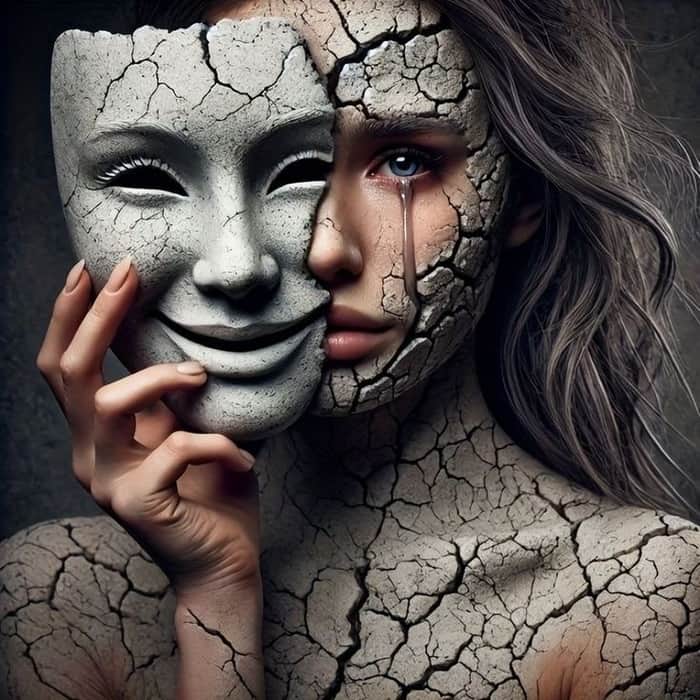
The intersection of artificial intelligence and art is evolving quickly, presenting both opportunities and challenges for artists. As AI tools become more advanced, understanding their impact and learning how to adapt is essential. This article explores the current creative landscape, how AI is reshaping artistic processes, ethical considerations, and strategies for artists in this new era.
Key Points
- AI is transforming art, providing new creative tools while challenging traditional methods.
- The internet or any single platform is not the entire world for artists; diversification is key.
- Artists’ concerns about AI data usage are valid; solutions may include data unions and royalty systems.
- Mastering real creative processes remains crucial despite AI’s influence.
- Adapting to technology while preserving human creativity is vital for ongoing relevance.
- Technology may replace some human skills, an important consideration for all professions, including art.
- Ideally, technology should enhance human ability, allowing artists to focus on more innovative aspects of their work.
The Changing World of Art and AI
AI’s Impact on Creativity
AI is no longer just a technical concept—it’s actively participating in the creative process. From generating images and music to assisting with complex tasks, AI tools are changing how art is conceived, created, and experienced.
For example, Textideo provides multiple AI creative models. Artists can experiment with Qwen-Image for high-quality image generation, Veo3 for cinematic videos, or WAN2-2 for detailed visuals. These tools democratize professional-grade creativity that used to require years of training.
However, this accessibility also raises questions about authenticity and value. Are AI-generated works truly original? How can human artists maintain a unique identity when algorithms can mimic their style?
A Shift in the Artistic Era
Some believe we are witnessing a major shift in the art world. As algorithms grow more sophisticated, they increasingly enter fields once dominated by humans.
Platforms like Hailuo-AI and Seedance allow users to quickly generate imaginative visuals, animations, or performances. For emerging artists, this can be disruptive—but it also creates opportunities for exposure and recognition.
Data Unions and the Artist’s Role
Rethinking Data and Creative Value
How can artists maintain control of their data and ensure fair compensation when AI constantly learns from their work? One solution is forming data unions, allowing artists to collectively negotiate royalties for AI training usage.
Meanwhile, Nano-Banana-AI offers a user-friendly credit system, making it easy for creators to experiment without high costs. This provides a low barrier to entry while paving the way for fairer future compensation.
Embracing Technology While Preserving Art
Artists cannot ignore AI—resisting it is like “punching the ocean.” The focus should be on guiding technology, turning AI into a collaborator rather than a replacement.
For example, AI Movie Generator and AI Script Generator help artists quickly draft scripts or video prototypes, speeding up the workflow while keeping human creativity at the center.
Practical Steps for Artists to Adapt to AI
Integrating AI into Your Workflow
Artists can explore AI tools across disciplines:
- Image Generation: DALL·E 2, Midjourney, Stable Diffusion, or Qwen-Image
- Video Production: Veo3 for cinematic edits, Seedance for performance-based animations
- Music & Scripts: Amper Music or AI Script Generator
AI is a tool, not a replacement. For instance, use WAN2-2 to generate rough drafts, then refine them manually. Or use Nano-Banana-AI to explore styles, then add human creativity for the final product.
Weighing the Pros and Cons of AI
👍 Advantages
- Access to new creative tools and capabilities
- Automates repetitive tasks, saving time
- Makes art creation more accessible
- Quickly generates ideas and explores different styles
👎 Challenges
- Questions about originality and authenticity
- Potential displacement of human artists
- Challenges for traditional art education
- Ethical issues around data and copyright
Core Features of Art AI Tools
- Image Generation: Create images from text, modify existing images, style transfer
- Music Composition: Generate melodies, harmonies, and full tracks
- Writing Assistance: Improve clarity, generate content ideas
- Content Enhancement: Upscale resolution, reduce noise, refine details
AI Use Cases in Art
- Idea Generation: Rapidly produce concept ideas
- Prototyping: Visualize sketches before final production
- Automation: Handle repetitive editing tasks
- Collaboration: Explore new possibilities with AI
- Accessibility: Enable people with disabilities to create and experience art
Conclusion
AI is reshaping the art world. While it raises questions about originality and job security, it also opens doors to unprecedented creative possibilities.
Platforms like Textideo — featuring Qwen-Image, Veo3, WAN2-2, Hailuo-AI, Seedance, Nano-Banana-AI, AI Movie Generator, and AI Script Generator — show how AI can act as a partner rather than a competitor.
Artists should balance AI usage, advocate for data rights, and retain their uniquely human creativity to thrive in an AI-powered artistic future.
