AI-Powered AR/VR App Development: Transforming User Experiences in 2025
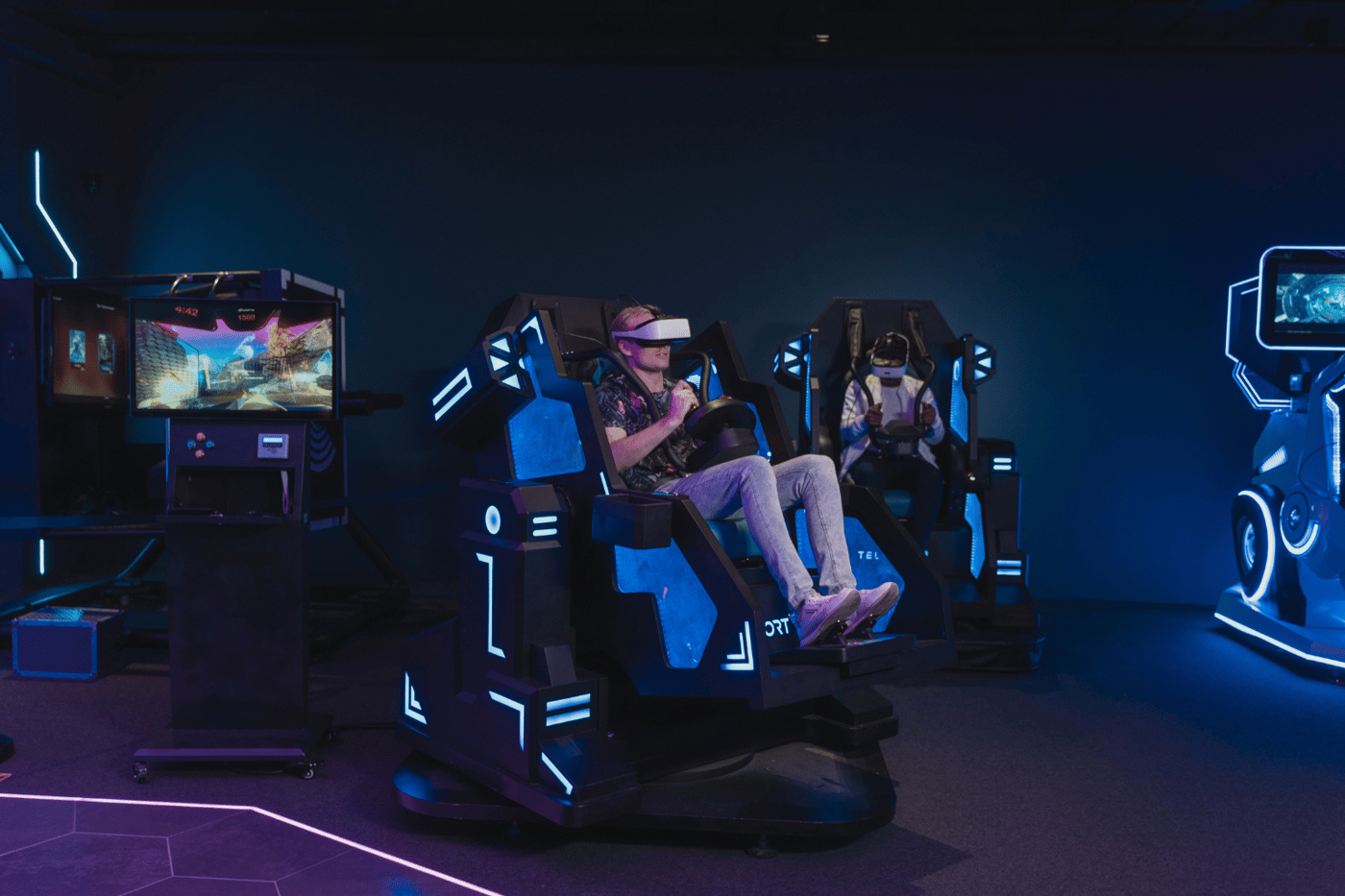
The convergence of Artificial Intelligence with Augmented Reality and Virtual Reality technologies is revolutionizing how businesses create immersive digital experiences across global markets. As companies in Nigeria, South Africa, the Middle East, and the UK embrace digital transformation, AR VR app development enhanced with AI-driven capabilities is becoming essential for organizations seeking to differentiate their offerings and create compelling user experiences that drive engagement and business growth.
The AI-Driven Evolution of Immersive Technologies
Artificial Intelligence has fundamentally transformed AR and VR development, enabling applications to understand user behavior, predict preferences, and adapt experiences in real-time. AI-powered algorithms analyze user interactions, environmental conditions, and contextual data to create personalized immersive experiences that evolve with each user session.
Machine learning integration enables AR applications to recognize objects, faces, and environments with unprecedented accuracy, while AI optimizers continuously improve performance and visual quality based on device capabilities and user preferences. These AI-driven enhancements make immersive applications more accessible and valuable across diverse markets with varying technological infrastructure.
Natural Language Processing integration allows users to interact with AR and VR applications through voice commands and conversational interfaces, creating more intuitive and accessible experiences for users across different cultural and linguistic backgrounds. This AI-powered functionality proves particularly valuable when targeting diverse markets with varying language preferences and technological familiarity levels.
AI-Optimized Performance and Rendering
Modern AR VR applications leverage AI-powered optimization algorithms that dynamically adjust rendering quality, frame rates, and resource utilization based on device capabilities and performance requirements. These intelligent systems ensure optimal user experiences across the wide range of devices common in international markets.
Predictive rendering techniques use AI to anticipate user movements and interactions, pre-loading content and optimizing graphics rendering to maintain smooth frame rates and reduce motion sickness. AI optimizers analyze usage patterns to identify performance bottlenecks and automatically adjust application behavior for optimal user experiences.
Adaptive quality systems powered by machine learning algorithms monitor device performance, battery levels, and thermal conditions to automatically adjust application settings that maintain consistent experiences while preserving device longevity and user comfort.
Intelligent User Experience Design
AI-driven user experience design goes beyond traditional interface optimization to create adaptive experiences that learn from user behavior and preferences. Machine learning algorithms analyze interaction patterns to predict user needs and customize interface elements, content presentation, and functionality access accordingly.
Personalization engines use AI to curate content, adjust difficulty levels, and recommend features based on individual user profiles and usage history. This intelligent customization proves particularly valuable for applications serving diverse markets with varying user sophistication levels and cultural preferences.
Context-aware interfaces leverage AI to understand environmental conditions, user location, and situational factors to automatically adjust application behavior and presentation. These AI-powered adaptations create more relevant and useful experiences that respond intelligently to changing user needs and circumstances.
AI-Enhanced Object Recognition and Tracking
Computer vision capabilities powered by artificial intelligence enable AR applications to recognize and track real-world objects with remarkable accuracy and reliability. AI-driven recognition systems can identify products, landmarks, text, and faces while providing contextual information and interactive experiences.
Real-time object tracking uses machine learning algorithms trained on diverse datasets to maintain accurate positioning and orientation even under challenging lighting conditions or partial occlusions. These AI-powered systems work effectively across different environments common in various international markets.
Environmental understanding through AI enables AR applications to create realistic interactions between virtual content and real-world surfaces, objects, and spaces. This intelligent spatial mapping creates more convincing and useful augmented reality experiences that feel natural and responsive to users.
Natural Language Processing in Immersive Experiences
Voice interaction capabilities powered by AI enable users to control AR and VR applications through natural speech, making these technologies more accessible to users with varying levels of technical expertise. AI-driven speech recognition systems can understand multiple languages and dialects relevant to target markets.
Conversational AI integration allows users to ask questions, request information, and navigate application features through natural language interactions. These AI-powered conversational interfaces prove particularly valuable for educational, training, and customer service applications common in business contexts.
Language translation services integrated into AR applications can provide real-time translation of text, signs, and spoken content, creating valuable tools for international business travelers and multicultural environments common in global markets.
Predictive Analytics and User Behavior Intelligence
AI-powered analytics provide unprecedented insights into user behavior, preferences, and engagement patterns within immersive applications. Machine learning algorithms analyze interaction data to identify usage trends, optimize content presentation, and predict user needs across different regional markets.
Behavioral prediction models use artificial intelligence to anticipate user actions and pre-load content, adjust difficulty levels, and customize experiences proactively. These AI-driven insights enable applications to provide more relevant and engaging experiences that adapt to individual user preferences.
User journey optimization through AI analysis helps identify friction points, abandonment patterns, and engagement opportunities that can be addressed through targeted improvements and feature enhancements.
AI-Driven Content Creation and Management
Procedural content generation powered by artificial intelligence enables AR and VR applications to create dynamic, personalized content that adapts to user preferences and contextual factors. AI algorithms can generate environments, objects, and experiences that feel unique and relevant to individual users.
Content optimization systems use machine learning to analyze user engagement with different content types and automatically adjust presentation, pacing, and complexity to maximize user satisfaction and learning outcomes.
Dynamic storytelling capabilities leverage AI to create branching narratives and adaptive experiences that respond to user choices and behavior patterns, creating more engaging and replayable immersive experiences.
Cross-Platform AI Integration
Cross-platform app development with AI-powered features enables businesses to deploy intelligent AR and VR experiences across multiple platforms while maintaining consistent AI functionality and performance characteristics.
Cloud-based AI services provide powerful machine learning capabilities that can be accessed from AR and VR applications regardless of device limitations, enabling sophisticated AI features even on devices with limited local processing power.
Edge computing integration allows AI processing to occur closer to users, reducing latency and improving real-time responsiveness for immersive applications that require immediate AI-driven responses to user actions and environmental changes.
Industry-Specific AI Applications
Retail and E-commerce
AI-powered virtual try-on experiences use computer vision and machine learning to enable customers to visualize products in realistic contexts before purchasing. Ecommerce development with AR capabilities creates compelling shopping experiences that reduce return rates and increase customer satisfaction.
Intelligent product recommendations leverage AI to analyze user preferences, browsing behavior, and purchase history to suggest relevant products within immersive shopping environments. These AI-driven recommendations improve conversion rates and average order values.
Inventory visualization powered by AI helps customers understand product availability, variations, and customization options through interactive AR experiences that simplify complex purchasing decisions.
Education and Training
Adaptive learning systems use AI to personalize educational content, adjust difficulty levels, and provide targeted feedback based on individual learning patterns and progress. AI-driven educational AR and VR applications create more effective and engaging learning experiences.
Performance analytics powered by machine learning provide instructors and learners with detailed insights into skill development, knowledge retention, and areas requiring additional focus or practice.
Intelligent tutoring capabilities use natural language processing and conversational AI to provide personalized guidance and support within immersive learning environments.
Healthcare and Medical Applications
Diagnostic assistance powered by AI can analyze medical images, patient data, and symptoms within AR interfaces to provide healthcare professionals with intelligent insights and decision support.
Surgical simulation and training applications use AI to create realistic scenarios, provide intelligent feedback, and adapt training difficulty based on user performance and skill development.
Patient engagement applications leverage AI to provide personalized health recommendations, medication reminders, and wellness guidance through immersive and interactive experiences.
Implementation Strategies for Multi-Regional Markets
Cultural adaptation through AI enables applications to automatically adjust content, interactions, and presentation styles based on user location, language preferences, and cultural background. AI-driven localization goes beyond translation to encompass cultural understanding and appropriate content adaptation.
Performance optimization using AI algorithms ensures optimal application performance across different device capabilities and network conditions common in various international markets. Machine learning systems can automatically adjust quality settings and functionality based on local conditions.
User onboarding powered by AI can provide personalized introduction experiences that adapt to user familiarity with immersive technologies, helping bridge the gap between experienced and novice users across different markets.
Development Tools and AI Integration Platforms
Mobile app development software enhanced with AI capabilities provides developers with powerful tools for creating intelligent immersive applications. Machine learning frameworks, computer vision libraries, and natural language processing tools streamline AI integration processes.
Cloud-based AI services from major providers offer scalable machine learning capabilities that can be integrated into AR and VR applications without requiring extensive local AI expertise or infrastructure investment.
Development frameworks specifically designed for AI-powered immersive applications provide pre-built components, optimization tools, and deployment solutions that accelerate development timelines while ensuring quality and performance standards.
Security and Privacy in AI-Powered Applications
AI-driven security systems can detect and prevent unauthorized access, data breaches, and malicious activities within immersive applications. Machine learning algorithms analyze user behavior patterns to identify potential security threats and respond appropriately.
Privacy protection measures enhanced by AI can automatically anonymize user data, manage consent preferences, and ensure compliance with regional data protection requirements while maintaining functionality and user experience quality.
Data minimization techniques powered by AI enable applications to achieve sophisticated functionality while collecting and processing only the minimum data necessary for operation, addressing privacy concerns and regulatory requirements.
Future Opportunities and Market Evolution
The integration of AI with AR and VR technologies will continue advancing rapidly, creating new opportunities for businesses to provide value and differentiate their offerings across international markets. Custom mobile app development approaches can help organizations capitalize on these emerging capabilities.
Emerging AI technologies including computer vision improvements, natural language understanding advances, and predictive analytics enhancements will expand the possibilities for immersive application development and user experience innovation.
Market adoption of AI-powered immersive technologies is accelerating across both developed and emerging markets, creating opportunities for early adopters to establish competitive advantages and market leadership positions.
Conclusion
AI-powered AR and VR app development represents the cutting edge of mobile application technology, offering businesses unprecedented opportunities to create engaging, intelligent, and adaptive user experiences. The combination of immersive technologies with artificial intelligence enables applications that understand users, adapt to preferences, and provide value that was previously impossible to achieve.
Success in AI-driven immersive application development requires understanding both the technical capabilities and market requirements specific to target regions. The investment in AI-powered features and optimization pays substantial dividends in user engagement, satisfaction, and business outcomes across diverse international markets.
Organizations seeking to leverage these technologies should partner with development teams that understand both AI integration and immersive application development, ensuring optimal results and sustainable competitive advantages in rapidly evolving markets.

