Autonomous AI pilot deployed - A new supersonic engine - and more. This week's innovations.
Shield Ai
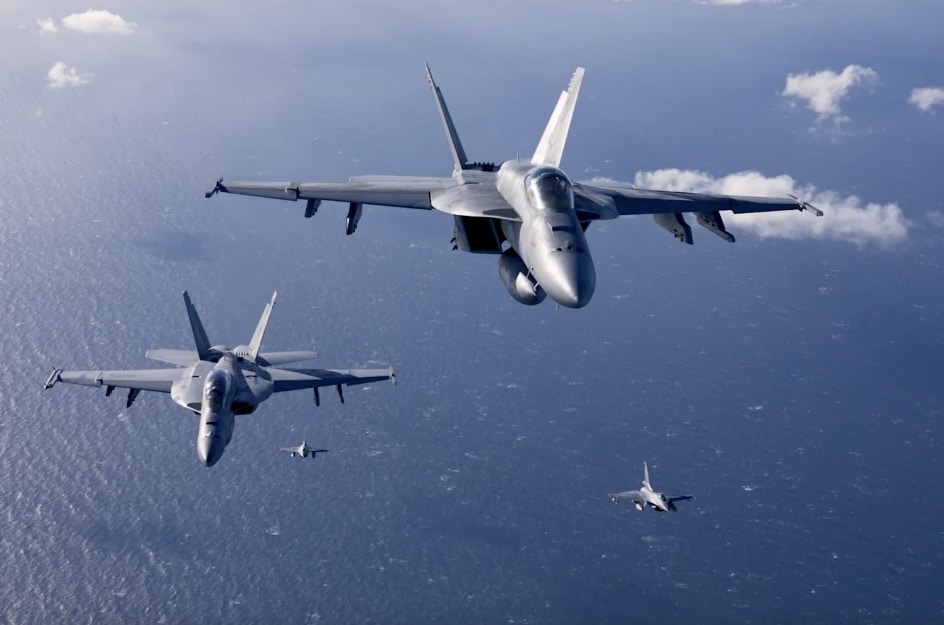
The First & Only Autonomous AI Pilot Deployed. Similar to a human pilot, it reads and reacts to the battlefield. It does not require GPS, waypoints, or communications to make decisions. The system enables teams to perform missions ranging from room clearance, penetrating air defense systems, and dogfighting F-16s. The aircraft uses sensors to create a map or world-view, the computer then tells the aircraft or autopilot where to go and what to do to execute its mission. With a 99% win rate in simulated F-16 dogfights versus active-duty Air Force and Navy fighter pilots, Shield AI is learning to execute a variety of missions from Beyond Visual Range strikes to suppression of enemy air defense. The future of air dominance will be powered and flown by AIs.
City University of Hong Kong
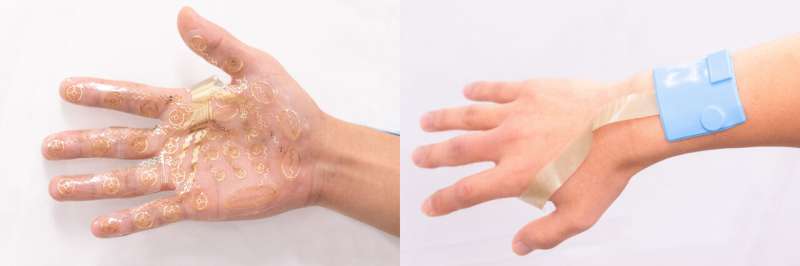
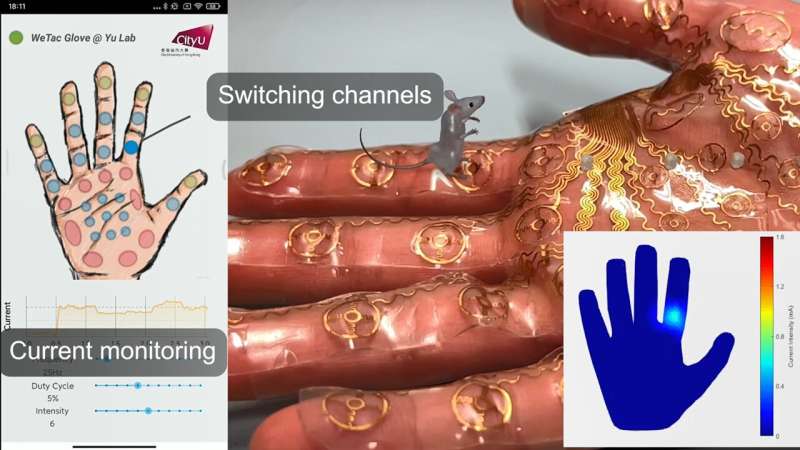
Wireless, ultrathin 'skin VR' to provide a vivid, personalized touch experience in the virtual world. Existing haptic gloves rely mostly on bulky pumps and air ducts, powered and controlled through a bunch of cords and cables, which severely hinder the immersive experience. The newly developed glove overcomes these shortcomings with its soft, ultrathin, skin-integrated wireless system. Based on the personalized threshold data, electrotactile feedback can be delivered to any part of the hand on demand in a proper intensity range to avoid causing pain or being too weak to be felt. The system has application potential in gaming, sports and skills training, social activities, and remote robotic controls.
https://www.nature.com/articles/s42256-022-00543-y
Symphony by Boom supersonic
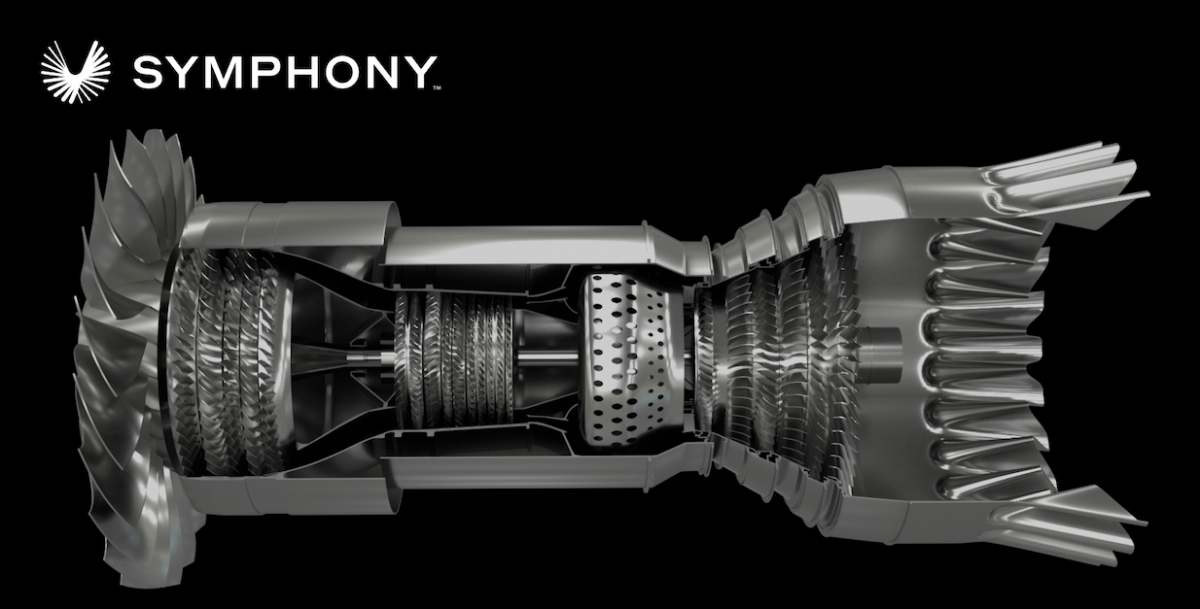

Boom Supersonic is building a supersonic airliner from scratch that will be propelled by brand-new engines. They are working on an economically and environmentally sustainable supersonic airplane that is unattainable with current constraints. That's why they have to build their own engine called Symphony. It will be a medium-bypass, twin-spool, turbofan engine sans afterburner, with 35,000 pounds of thrust at takeoff. Its intake and exhaust are designed to thrive under supersonic flight and reduce noise. And it is built specifically for use with Sustainable Aviation Fuel, a cleaner alternative to ordinary jet fuel. Production of the engine is planned to start in 2024, with rollout and testing in 2026 and first flights in 2027.
https://boomsupersonic.com/symphony
Blade robots
/2022/12/17/image/jpeg/aU0AjyfWnBAPAX2mnRqBObtDqgQXJqLyvYXIziNe.jpg)
BladeRobots is an automated robotic technology solution for the maintenance of wind turbines. The robot performs automated blade-leading edge maintenance up to “four times faster” than traditional manual methods. For the blades of wind turbines, erosion is a huge problem. The blade surface ages gradually as a result of airborne small particles, ice, snow, and rain. It has an adverse effect on the turbine blade's aerodynamics over time by wearing off the outer layer of the blade. With time the turbine produce less energy. Regular wind turbine blade maintenance is crucial to maintaining the structural integrity of the blades and extending the life of the machines. By restoring aerodynamic performance and decreasing turbine downtime, the unique robot method can raise the annual energy production of wind turbines.
