Best Free VPN in 2026 for Streaming, Adult Websites & Privacy
Looking for the best free VPN in 2026 ? Learn how to protect your privacy while browsing, streaming, using public Wi-Fi, and visiting adult websites with a secure VPN.
🛡️ Get the Best Free VPN
⭐ Explore the Top Free VPN
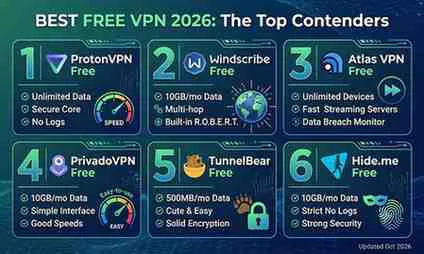
Best Free VPN in 2026
If you're searching for the best free VPN in 2026, you're not alone. Millions of people use VPNs every day to protect their privacy while browsing the web, streaming videos, using public Wi-Fi, gaming, working remotely, and even visiting adult websites, or other privacy-sensitive platforms.
No matter why you're online, your privacy matters. A quality VPN encrypts your internet connection, helps protect your personal information, and reduces the amount of data exposed while browsing.
Whether you enjoy movies, sports, social media, online shopping, streaming services, or adult entertainment, choosing a trusted VPN is one of the easiest ways to improve your online privacy.
What Is a VPN?
A Virtual Private Network (VPN) creates an encrypted connection between your device and the internet.
Instead of connecting directly to websites, your internet traffic first travels through a secure VPN server. This helps protect your connection, especially when using public Wi-Fi or other unsecured networks.
A VPN can help:
Encrypt your internet traffic
Improve online privacy
Protect your connection on public Wi-Fi
Mask your IP address from websites
Reduce exposure to network snooping
Many users rely on VPNs while browsing news sites, social media, streaming platforms, gaming services, and adult websites, where they prefer an additional layer of privacy.
⚡ Start Browsing with Confidence
Why Use a Free VPN in 2026?
Online privacy has become increasingly important. Websites, apps, and networks may collect information about browsing activity, making privacy tools more valuable than ever.
A free VPN can be a practical choice for users who want basic protection without paying for a subscription.
Popular reasons people use a VPN include:
Private Browsing
Many users simply want more control over their online privacy.
Streaming
People often use VPNs to protect their connection while watching videos or streaming content.
Public Wi-Fi
Free Wi-Fi at airports, hotels, cafés, and shopping malls may not always be secure. A VPN encrypts your connection before data leaves your device.
Adult Website Privacy
Some users prefer using a VPN while visiting adult websites, XXX websites, or other age-restricted platforms because they want an additional layer of privacy on their own devices and networks. A VPN's role is to encrypt internet traffic and help protect personal privacy.
🌐 Unlock Safe & Private Browsing
How Does a VPN Work?
When you activate a VPN:
Your device connects to a secure VPN server.
All internet traffic is encrypted.
Websites see the VPN server's IP address instead of your direct IP.
Your connection is protected while data travels between your device and the VPN server.
This process helps improve privacy during everyday browsing.
Benefits of Using the Best Free VPN
Choosing a reliable free VPN offers several advantages.
Better Privacy
Encryption helps reduce exposure of your internet traffic on unsecured networks.
Secure Browsing
A VPN creates a secure tunnel for your internet connection, adding another layer of protection.
Multiple Device Support
Most VPN providers support:
Windows
macOS
Android
iPhone
iPad
Linux
Browser Extensions
Smart TVs
Easy Installation
Most VPN apps can be downloaded and configured in only a few minutes.
🛡️ Get the Best Free VPN
Best Uses for a VPN
A VPN is useful in many everyday situations.
Watching Videos
Protect your connection while streaming content online.
Working Remotely
Many businesses recommend VPNs for employees accessing company resources.
Online Shopping
An encrypted connection can provide additional privacy when browsing online stores.
Public Wi-Fi
VPNs are especially useful when connecting through public internet hotspots.
Adult Websites
Many people use VPNs while visiting porn websites, XXX websites, or other adult platforms because they prefer greater privacy on shared or public internet connections. A VPN helps encrypt the connection, but users should always follow local laws and the terms of the services they use.
Features to Look for in the Best Free VPN
Not every free VPN offers the same level of quality. Before choosing one, compare these features:
Strong encryption
Transparent privacy policy
No-logs policy
Kill switch
DNS leak protection
Stable connection
Multiple server locations
Easy-to-use apps
Fast connection speeds
Cross-platform compatibility
🔒 Protect Your Privacy Today
How to Choose the Best Free VPN
With hundreds of VPN apps available, choosing the right one can be difficult. Some providers focus on speed, while others prioritize privacy or ease of use. Instead of selecting the first VPN you find, compare these important factors.
1. Strong Security
A trustworthy VPN should use modern encryption protocols to protect your internet connection. Security is especially important if you regularly use public Wi-Fi, travel frequently, or want additional privacy while browsing.
2. Transparent Privacy Policy
Always read the provider's privacy policy before signing up. A reputable VPN clearly explains what information is collected, how it is stored, and whether any data is shared with third parties.
3. No-Logs Policy
Many users prefer VPN providers that state they do not keep activity logs. While policies vary between providers, transparency is an important factor when evaluating any VPN service.
4. Reliable Performance
The best free VPN should provide stable connections with minimal interruptions for everyday browsing, streaming, and general internet use.
VPN for Streaming
Many users install VPNs to add an extra layer of privacy while watching online videos or using streaming services.
When choosing a VPN for streaming, consider:
Stable connection
Reliable speeds
Easy-to-use applications
Multiple server locations
Device compatibility
Remember that using a VPN does not override a streaming platform's terms of service. Always use online services according to their policies and applicable laws.
🚀 Start Using a Secure VPN
VPN for Privacy on Adult Websites
Privacy is one of the most common reasons people use VPNs while visiting adult websites, XXX websites, or other age-restricted platforms.
A VPN can help by:
Encrypting your internet connection.
Reducing exposure on public Wi-Fi networks.
Masking your IP address from websites.
Adding another layer of privacy while browsing.
A VPN is a privacy tool—it does not make illegal activity legal or guarantee complete anonymity. Users should always comply with local laws and the terms of the websites they use.
Common VPN Myths
Myth 1: Every Free VPN Is Unsafe
Not all free VPNs are the same. Some reputable providers offer limited free plans with transparent privacy practices, while others may have significant limitations. Research the provider before installing any VPN.
Myth 2: A VPN Makes You Completely Anonymous
A VPN improves privacy by encrypting your connection and masking your IP address, but no tool can guarantee complete anonymity. Safe browsing habits remain important.
Myth 3: VPNs Always Slow Down the Internet
A VPN may introduce some overhead because your traffic is encrypted and routed through a VPN server. However, many modern VPNs offer speeds that are sufficient for everyday browsing and streaming.
⭐ Explore the Top Free VPNs
Common Mistakes to Avoid
Choosing a VPN Only Because It's Free
Price should not be the only consideration. Evaluate security features, privacy policies, app quality, and overall reputation.
Downloading from Untrusted Sources
Always download VPN applications from the provider's official website or a trusted app store.
Ignoring App Permissions
Review the permissions requested by the application and keep your software updated.
Using Weak Passwords
Protect your VPN account with a strong, unique password and enable multi-factor authentication if available.
Best Practices for Safer Browsing
Whether you are browsing social media, shopping online, streaming videos, or visiting adult websites, these habits can improve your overall online security:
Keep your operating system updated.
Use a password manager.
Enable multi-factor authentication where available.
Avoid clicking suspicious links.
Use secure Wi-Fi whenever possible.
Install apps only from trusted sources.
Review privacy settings on your devices and accounts.
A VPN works best as one part of a broader online security strategy.
Frequently Asked Questions
Is a free VPN safe?
Some reputable free VPNs can provide useful privacy features. Before choosing one, review its privacy policy, security practices, and reputation.
Can I use a VPN on my phone?
Yes. Many VPN providers offer apps for Android and iPhone, as well as Windows, macOS, Linux, and browser extensions.
Does a VPN hide my IP address?
A VPN generally presents the VPN server's IP address to websites instead of your direct IP address, helping improve privacy.
Can I use a VPN while browsing adult websites?
Many users choose to use a VPN while accessing adult websites or XXX websites because they want additional privacy for their internet connection. A VPN encrypts your traffic, but it does not provide complete anonymity or change the legality of any content or activity.
Is a free VPN enough?
For basic browsing and occasional use, a reputable free VPN may be sufficient. Users who need higher speeds, more server locations, or advanced features often consider paid plans.
Conclusion
Choosing the best free VPN in 2026 is about balancing privacy, security, and ease of use. Instead of focusing only on whether a VPN is free, look at its encryption, transparency, app quality, and overall reputation.
If your goal is safer browsing on public Wi-Fi, more privacy while streaming, remote work security, or additional privacy when visiting adult websites, a well-designed VPN can provide an extra layer of protection. It should also be combined with good security habits, such as strong passwords, software updates, and careful browsing.
By taking the time to compare providers and understand their features, you can choose a VPN that matches your needs while protecting your online activity more effectively.