Best IPTV Service Provider: How to Choose a Reliable Streaming Service
Learn how to choose the best IPTV service provider by evaluating streaming quality, device compatibility, features, customer support, and legal considerations.
Estimated Read Time: 13–16 minutes
Last Updated: July 2026
Finding an IPTV Provider You Can Rely On
Television has changed dramatically over the past decade. Instead of relying solely on cable or satellite connections, many viewers now prefer internet-based streaming services that provide greater flexibility and compatibility with modern devices. As a result, choosing the best IPTV service provider has become an important decision for anyone looking to enjoy live television and on-demand entertainment through an internet connection.
However, not every IPTV provider offers the same level of quality. While some focus on stable streaming, responsive customer support, and user-friendly applications, others may struggle with performance, outdated interfaces, or inconsistent service. Looking beyond marketing claims is essential if you want a subscription that delivers reliable value over time.
🟢 👉 Find the Best IPTV Service Provider
This guide explores the most important factors to consider before selecting an IPTV provider. You'll learn how IPTV services operate, which features deserve your attention, what affects streaming performance, and how to evaluate providers based on reliability rather than advertising promises.
Whether you're switching from traditional television or comparing different streaming options for the first time, understanding these key considerations will help you make a more informed decision. Since subscription plans, supported devices, pricing, and available features can change, it's always advisable to verify the latest information directly from a provider's official website before subscribing.
Understanding the Role of an IPTV Service Provider
An IPTV service provider delivers television content over the internet instead of using traditional broadcasting methods such as satellite or cable networks. Rather than receiving signals through dedicated television infrastructure, viewers stream live channels and other content directly through compatible internet-connected devices.
This modern delivery method gives users greater flexibility because they can access their entertainment on multiple devices from almost anywhere with a stable internet connection.
Unlike conventional television services, IPTV platforms frequently improve their applications through software updates, introducing new features and performance enhancements without requiring additional hardware.
How IPTV Streaming Works
Every time you select a channel or on-demand program, your device connects to the provider's streaming servers. The requested content is delivered digitally through your internet connection and displayed by an IPTV application or compatible media player.
A typical IPTV setup generally includes:
A stable broadband internet connection
A supported streaming device
An IPTV application or media player
An active subscription from an IPTV provider
Because the entire system operates through the internet, both your network quality and the provider's infrastructure influence the viewing experience.
Different Types of IPTV Content
Most IPTV providers organize their content into several categories to accommodate different viewing preferences.
Live Television
This includes news, sports, entertainment, documentaries, children's programming, and other channels broadcast in real time.
Video on Demand (VOD)
Many services provide a library of movies, television series, and documentaries that subscribers can watch whenever they choose.
Catch-Up Television
Some providers allow viewers to replay recently aired programs for a limited period after their original broadcast. Availability depends on regional licensing and the provider's capabilities.
🟢 👉 Explore IPTV Plans
Why Your Choice of IPTV Provider Matters

Not all IPTV providers deliver the same level of service. Two subscriptions may appear similar at first glance but perform very differently during everyday use.
Choosing the right provider can influence:
Streaming reliability
Video quality
Channel loading speed
Device compatibility
Application performance
Customer support
Overall user satisfaction
Instead of focusing only on promotional advertisements, evaluate how well a provider performs in real-world conditions.
Reliability Is More Important Than Quantity
Many IPTV services advertise thousands of channels. While a large content library can be appealing, reliability is usually a better indicator of overall quality.
A dependable provider should offer:
Stable streaming performance
Consistent server availability
Fast channel switching
Minimal buffering
Regular platform updates
A smaller but well-maintained content library often provides a better experience than an extensive catalog that is difficult to navigate or inconsistent in quality.
Essential Features That Separate Quality IPTV Providers
Every IPTV service includes different capabilities. The best choice depends on which features you use most frequently rather than the length of a marketing checklist.
User-Friendly Interface
An intuitive interface helps viewers find channels, browse content, and manage their subscriptions more efficiently.
Useful interface features often include:
Organized content categories
Search functionality
Favorite channel lists
Recently watched history
Simple navigation menus
A clean interface makes daily streaming much more enjoyable.
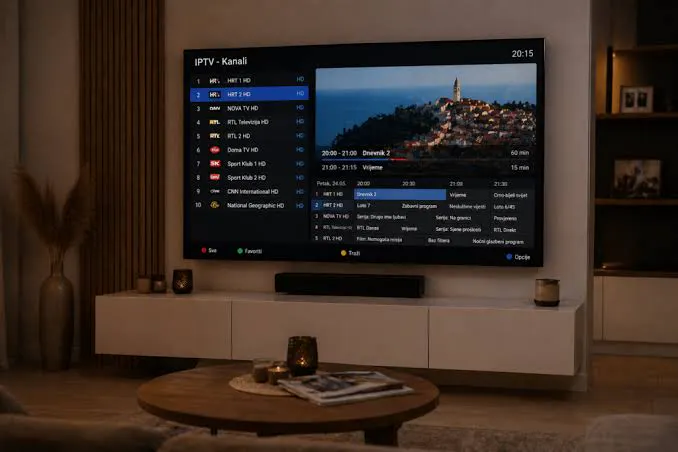
Electronic Program Guide (EPG)
An Electronic Program Guide displays scheduled programming and helps viewers understand what's currently airing and what's coming next.
A well-maintained EPG improves the viewing experience by reducing the time spent searching through channels.
Video Playback Quality
Picture quality varies depending on the provider, original broadcast source, device capabilities, and internet connection.
Many IPTV services support:
Standard Definition (SD)
High Definition (HD)
Full HD (1080p)
4K Ultra HD
Higher resolutions generally require faster and more stable internet connections.
Multi-Device Support
Modern viewers expect flexibility. A quality IPTV provider should support a variety of compatible devices so users can watch content wherever it's most convenient.
Commonly supported platforms include:
Smart TVs
Android TV
Google TV
Amazon Fire TV devices
Apple TV
Android smartphones
iPhones and iPads
Windows computers
macOS systems
Before subscribing, confirm that your preferred devices are officially supported.
🟢 👉 Compare IPTV Providers
Evaluating Streaming Performance
Streaming quality depends on both the IPTV provider and your home network. Even the best IPTV service provider cannot overcome an unstable internet connection.
Several factors influence performance, including:
Internet speed
Network stability
Server capacity
Device performance
Wi-Fi signal strength
Application optimization
Providers that invest in reliable infrastructure generally deliver smoother playback and fewer interruptions during periods of high demand.
Reducing Buffering
Although occasional buffering can occur on any streaming platform, frequent interruptions often indicate network congestion or insufficient bandwidth.
You can improve streaming stability by:
Keeping your IPTV application updated
Using a wired Ethernet connection when possible
Restarting your router periodically
Closing unnecessary background downloads
Positioning your streaming device closer to your Wi-Fi router
These simple steps often improve overall performance without requiring additional equipment.
🟢 👉 View Subscription Plans
Customer Support Can Make a Big Difference
Even reliable IPTV providers occasionally require maintenance or technical assistance. Responsive customer support can significantly improve the user experience when account or setup issues arise.
Before purchasing a subscription, consider whether the provider offers:
Installation guides
Frequently asked questions
Email support
Live chat assistance
Troubleshooting resources
Accessible support demonstrates that a provider is committed to helping customers after the subscription is purchased.
Security and Privacy Should Never Be Overlooked
Since IPTV services require account registration, protecting your personal information is an important consideration.
A trustworthy provider should offer secure account management and clear privacy policies. Users can further improve account security by:
Creating strong, unique passwords
Keeping login credentials private
Updating passwords periodically
Installing application updates when available
Taking these precautions helps protect your account while contributing to a safer streaming experience.
Comparing IPTV Subscription Plans Effectively
After narrowing down a few providers, the next step is to compare their subscription plans carefully. While pricing is an important factor, it should never be the only reason for choosing a service. The best IPTV service provider is one that delivers dependable performance, transparent policies, and features that match your viewing habits.
When reviewing different plans, consider:
Subscription duration (monthly, quarterly, or yearly)
Number of supported devices
Simultaneous streaming limits
Live TV and Video on Demand availability
Streaming resolutions offered
Electronic Program Guide (EPG) support
Customer support availability
Trial options, if available
Update frequency
Account management features
Choosing a plan based on overall value rather than cost alone often leads to a better long-term experience.
🟢 👉 Get Started Today
Legal Considerations Before Subscribing
Understanding the legal aspects of IPTV is just as important as comparing features.
Some IPTV providers operate with the necessary content distribution rights, while others may not. Before subscribing, review the provider's official website for information about its services, subscription policies, and terms of use.
It's also worth remembering that content availability may differ depending on your country or region due to licensing agreements.
To make an informed decision:
Read the provider's terms and conditions.
Review its privacy policy.
Understand the cancellation and refund policy.
Verify supported regions and devices.
Check official customer support channels.
Choosing a transparent provider reduces uncertainty and helps set realistic expectations.
Mistakes That Can Lead to a Poor Streaming Experience
Many subscribers encounter avoidable problems because they focus on marketing claims instead of practical considerations.
Choosing the Cheapest Option
Low-cost subscriptions may appear attractive, but affordability does not always indicate quality. Consistent streaming and reliable customer support are often worth paying a little extra for.
Ignoring Device Compatibility
Not every IPTV application works on every operating system or streaming device. Always confirm compatibility before completing your purchase.
Overlooking Internet Quality
A slow or unstable internet connection can cause buffering, reduced picture quality, and interrupted playback regardless of which IPTV provider you choose.
Forgetting to Review Subscription Terms
Take time to understand:
Renewal procedures
Cancellation options
Connection limits
Payment schedule
Available support channels
Reading these details beforehand can prevent unexpected surprises later.
Believing Every Advertisement
Marketing material often highlights the strengths of a service while leaving out its limitations. Compare information from multiple reliable sources and verify important details directly with the provider whenever possible.
🟢 👉 Choose Your IPTV Service
Practical Tips for Selecting the Right IPTV Provider
Finding the right IPTV service becomes easier when you focus on everyday usability instead of promotional promises.
Consider these recommendations before making your decision:
Identify the devices you plan to use most frequently.
Choose a provider with a simple, well-designed interface.
Prioritize stable streaming over extremely large channel lists.
Check whether customer support is responsive.
Keep your streaming devices and applications updated.
Review recent provider announcements for new features or service improvements.
Compare multiple providers before purchasing a long-term subscription.
A little extra research today can save frustration in the future.
Frequently Asked Questions
What does an IPTV service provider do?
An IPTV service provider delivers television content through an internet connection, allowing users to watch live channels and, in many cases, on-demand content using compatible devices.
How do I choose the best IPTV service provider?
Look beyond pricing and compare streaming quality, device compatibility, customer support, user experience, security practices, and subscription terms before making a decision.
Can IPTV be used on multiple devices?
Many providers support multiple devices, although the number of simultaneous streams depends on the subscription plan. Always review the provider's device policy.
Does IPTV require fast internet?
A stable broadband connection is recommended. Higher video resolutions such as Full HD and 4K generally require faster and more consistent internet speeds.
Why does buffering occur?
Buffering can result from slow internet speeds, network congestion, outdated applications, weak Wi-Fi signals, or temporary server issues.
Are software updates important?
Yes. Regular updates often improve security, compatibility, application stability, and overall streaming performance.
Can IPTV replace traditional cable television?
For many households, IPTV offers a flexible alternative to cable or satellite television. However, the experience depends on internet quality, available content, and the features provided by the chosen service.
How often do IPTV services change?
Subscription plans, supported devices, application features, and content availability may change over time. Checking the provider's official website helps ensure you have the latest information.
🟢 👉 Start Streaming Now
Final Thoughts
Choosing the best IPTV service provider involves balancing performance, reliability, ease of use, and long-term value. Rather than focusing solely on price or the number of advertised channels, evaluate how well a provider meets your personal viewing needs.
A dependable service should offer stable streaming, broad device compatibility, intuitive navigation, responsive customer support, and transparent subscription policies. Taking time to compare providers and verify current information can help you make a confident and informed decision.
As IPTV technology continues to evolve, providers are expected to introduce improved streaming quality, enhanced applications, and broader device support. Staying informed about these developments will help you select a service that continues to meet your entertainment needs in the future.
Content Accuracy & Updates
This article is based on the latest publicly available information available at the time of writing. IPTV services, subscription plans, pricing, supported devices, features, and content availability may change over time.
Before purchasing a subscription, always verify the latest information through the provider's official website and review its current terms of service.
This content is reviewed periodically to maintain accuracy and relevance. If you notice outdated information or would like to suggest improvements, please contact our editorial team.

