Best IPTV Services in 2026: Choose the Right Provider [adfy]
Looking for the Best IPTV services in 2026? Compare features, pricing, pros and cons of top legal IPTV providers to find the right fit for you.
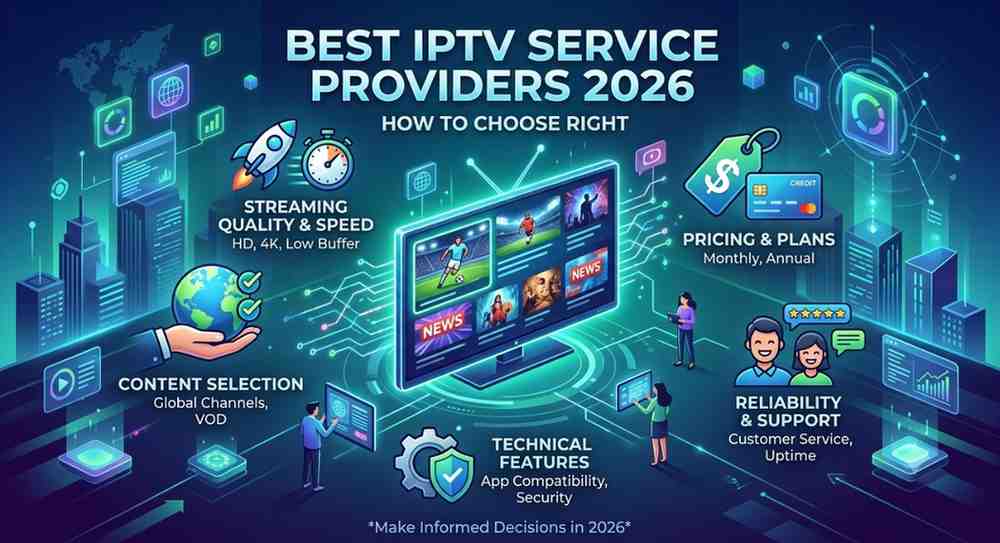
If you've been paying for cable and quietly wondering why your bill keeps climbing while half the channels sit unwatched, you're not alone. Millions of households have already made the switch to IPTV, and millions more are researching it right now, probably the same way you landed here.
IPTV, or Internet Protocol Television, has quietly become one of the biggest shifts in how people watch TV. Instead of a satellite dish or a coaxial cable running into your wall, your channels arrive over the internet, the same connection you use for Netflix or video calls. The result is more flexibility, often lower cost, and access on more devices than traditional TV ever offered.
This guide walks through what IPTV actually is, how the best IPTV services work, what to look for in a provider, realistic pricing expectations, and how to tell a legitimate IPTV Subscription from a risky one. Whether you're cutting the cord for the first time or just tired of your current provider, you'll leave this article knowing exactly how to evaluate your options.
✅ Start Your Free 24-Hour Trial
What Is IPTV, Exactly?
IPTV stands for Internet Protocol Television. Instead of receiving TV signals through satellite dishes or old-fashioned cable lines, your content is delivered as data packets over an internet connection, similar to how a website loads on your browser.
In practical terms, this means:
You can watch live TV and on-demand content through an app on your smart TV, phone, tablet, computer, or streaming device
No physical installation, dish, or cable box is required
Channels are often bundled into packages, similar to traditional cable, but delivered digitally
Many services include cloud DVR, multi-device streaming, and on-demand libraries alongside live channels
It's worth separating two things people often lump together:
Licensed IPTV services — companies like YouTube TV, Hulu + Live TV, Fubo, and Sling TV operate under proper broadcasting agreements with networks and channel owners. These are legal, stable, and supported by real customer service.
Unauthorized IPTV resellers — smaller, often anonymous operations that offer massive channel bundles at very low prices. These typically stream content without licensing agreements, which is illegal in most countries and unreliable by nature (services get shut down constantly).
When people search for "best IPTV services 2026," they're often unknowingly comparing these two very different categories. This guide focuses on helping you evaluate any IPTV subscription with the right criteria so you land in the first category, not the second.
Key Features to Look for in an IPTV Provider
Not all IPTV subscriptions are created equal. Before comparing prices, it helps to know which features actually matter for day-to-day viewing.
Channel Lineup and Local Coverage
A strong IPTV update should offer the channels you actually watch, not just a high total number. Check specifically for your local news affiliates, sports networks, and any niche channels your household relies on.
Streaming Quality and Stability
Look for providers offering HD and 4K streaming with minimal buffering. Legitimate IPTV services invest in content delivery infrastructure, which is a big part of why they cost more than the too-good-to-be-true alternatives.
Cloud DVR Storage
Most top-tier IPTV providers now include cloud DVR, letting you record and store shows for later. Compare storage limits and how long recordings are kept before they expire.
Multi-Device and Simultaneous Streaming
Check how many screens can stream at once, and whether the service supports the devices your household actually uses: Roku, Fire TV, Apple TV, Android TV, gaming consoles, or web browsers.
On-Demand Library
Many IPTV service now blend live channels with on-demand libraries, giving you a Netflix-style catch-up option for shows you missed.
Customer Support and Billing Transparency
This is an underrated one. Legitimate providers offer clear billing, real customer support channels, and published terms of service. If a provider is hard to contact or vague about who runs it, treat that as a warning sign rather than a bargain.
Parental Controls
If you have kids at home, look for content filtering, PIN-protected profiles, and age-based restrictions built into the app.
Why Is IPTV So Popular Right Now?
The appeal of IPTV isn't complicated once you break it down.
Cost savings compared to traditional cable. Even mid-tier IPTV subscriptions tend to undercut cable bundles, especially once you account for equipment rental fees and bundled add-ons that cable companies love to tack on.
No contracts or installation. Most IPTV services are month-to-month, with no technician visits and no early termination fees.
Flexibility across devices. You're not tied to one television. Watch on your phone during a commute, your laptop at work during lunch, and your living room TV at night, all under the same account.
Growing content demand. Sports fans in particular have driven a lot of IPTV growth, since many services offer live sports packages without needing a full cable bundle.
Cord-cutting momentum. As more households drop traditional cable altogether, IPTV has become the natural next step for people who still want live TV without the old infrastructure.
This demand is also exactly why the market has gotten noisy. Wherever there's a fast-growing, high-demand category, low-quality and even illegal operators show up trying to cash in on the trend. That's part of why doing a bit of homework before subscribing genuinely pays off.
How Much Does an IPTV Subscription Cost?
Pricing varies depending on the provider, channel count, and features included, but here's a general sense of what to expect from legitimate IPTV services in 2026:
Entry-level packages: roughly $25–$40 per month for a core set of local and popular channels
Mid-tier packages: roughly $45–$65 per month, usually including sports networks and expanded on-demand libraries
Premium packages: $70+ per month, often bundling premium channels, extensive DVR storage, and more simultaneous streams
A useful rule of thumb: if a provider is advertising thousands of channels, including premium sports and movie networks, for $10–$15 a month, that price is not reflective of what licensing content actually costs. That gap is usually the clearest sign you're looking at an unauthorized IPTV service rather than a legitimate one.
It's also worth checking for:
Free trial periods, which most established providers offer
Annual plans, which sometimes reduce the effective monthly cost
Add-on fees for extra streams, DVR storage, or premium channel packs
✅ Find Your Perfect IPTV Subscription
Pros of Using IPTV Services
Lower overall cost. Even with add-ons, most people spend less than they did on cable.
No equipment rental. You typically don't need a set-top box tied to the provider.
Watch anywhere. As long as you have an internet connection, your subscription travels with you.
Modern interface. IPTV apps tend to have cleaner, more intuitive navigation than older cable box menus.
Flexible commitment. Cancel, pause, or switch providers without being locked into a yearly contract.
Bundled on-demand content. Many services combine live TV with a streaming library, reducing the need for separate subscriptions.
Cons of Using IPTV Services
Dependent on internet quality. A weak or inconsistent internet connection will directly affect your viewing experience, more so than with traditional cable or satellite.
Market saturation. With so many providers, comparing options and reading the fine print takes real effort.
Risk from unlicensed providers. As mentioned, some IPTV services operate outside legal licensing agreements. These can disappear overnight, expose your payment details, or in some jurisdictions, put subscribers at legal risk.
Regional content gaps. Some local or regional channels may not be available depending on your provider and location.
Data usage. Streaming in HD or 4K uses meaningful bandwidth, which matters if your home internet plan has data caps.
How to Spot a Legitimate IPTV Provider (And Avoid the Risky Ones)
This is arguably the most important section for anyone comparing IPTV subscriptions, since the difference between a good experience and a bad one often comes down to legitimacy, not just price.
Check for a real, named company. Legitimate providers are transparent about who operates the service, with a physical or registered business address and proper terms of service.
Look for official app store listings. Reputable IPTV services are available through official app stores (Roku Channel Store, Apple App Store, Google Play, Amazon Appstore) rather than requiring you to sideload an app from an unknown website.
Verify licensing claims. Established providers can point to direct agreements with networks and content owners. If a service is vague or evasive about this, that's worth noting.
Read independent reviews, not just testimonials on the provider's own site. Look at app store ratings, tech publication reviews, and consumer forums.
Be skeptical of unrealistic bundles. As covered above, if the price seems disconnected from what licensed content costs, treat it as a red flag rather than a deal.
Check for accessible customer support. A live chat option, support email, or phone line that actually responds is a strong sign of a service built to last.
Taking a few extra minutes here isn't just about avoiding hassle. Unlicensed IPTV subscriptions have increasingly drawn scrutiny from regulators and content owners, which means the services themselves are unstable by design, they tend to shut down, rebrand, or disappear, often without refunds.
The Future of IPTV: What to Expect Going Forward
IPTV isn't a passing trend, it's the direction live television is heading. A few developments worth watching:
Consolidation among licensed providers. Expect fewer, stronger players as the market matures, similar to what happened in the streaming-on-demand space over the past decade.
Better bundling with existing streaming subscriptions. More providers are integrating live TV directly into apps people already use, reducing the need to juggle separate logins.
Improved compression and streaming technology. As internet infrastructure improves and streaming codecs get more efficient, buffering and quality issues should continue to decrease.
Increased regulatory attention on unlicensed IPTV. Governments and industry groups have ramped up enforcement against unauthorized streaming operations, which will likely make it even more important for consumers to stick with verified providers.
AI-driven personalization. Expect smarter recommendation engines, more accurate DVR suggestions, and content discovery that adapts to your viewing habits over time.
If you're choosing a provider now, picking one built on solid licensing and infrastructure will put you in a much better position as these changes play out.
Is IPTV Worth It in 2026?
For most people who are tired of expensive, rigid cable contracts, yes, a legitimate IPTV subscription is genuinely worth considering. You get lower costs, more flexibility, and access across the devices you already own.
The caveat is choosing the right provider. A well-run, licensed IPTV service can absolutely replace cable without any noticeable drop in quality or reliability. An unlicensed one can save you money for a month or two before leaving you without service, or worse, exposing your personal information.
If your household watches a moderate amount of live TV, values flexibility, and wants to cut costs without cutting quality, IPTV is a smart move. If you're an extremely heavy live-sports viewer with very specific regional coverage needs, it's worth double-checking that your provider carries everything you currently watch before you cancel your existing service.
🎬 Start Streaming Your Favorite Channels
Frequently Asked Questions About IPTV Services
1. What does IPTV stand for?
IPTV stands for Internet Protocol Television, a method of delivering TV content over an internet connection instead of through satellite or traditional cable lines.
2. Is IPTV legal?
IPTV as a technology is completely legal. However, legality depends on whether the provider has proper licensing agreements with content owners. Established, named companies operating through official app stores are legal; unlicensed resellers offering unrealistically large channel bundles at very low prices typically are not.
3. How is IPTV different from regular streaming services like Netflix?
IPTV typically focuses on live TV channels, similar to a cable package, while services like Netflix focus primarily on on-demand libraries. Many modern IPTV providers now blend both.
4. Do I need special equipment for IPTV?
In most cases, no. You just need a reliable internet connection and a compatible device, smart TV, streaming stick, phone, or computer.
5. How much internet speed do I need for IPTV?
Generally, at least 10–25 Mbps is recommended for smooth HD streaming, with higher speeds needed for 4K content or multiple simultaneous streams.
6. Can I watch local channels through IPTV?
Many legitimate IPTV services include local channel access, though availability varies by provider and region. Always check local coverage before subscribing.
7. What is the best IPTV service for sports?
This depends on which sports and leagues you follow, since coverage varies by provider and region. Compare specific sports network availability across providers rather than relying on general marketing claims.
8. Can I cancel an IPTV subscription anytime?
Most legitimate IPTV services operate month-to-month with no long-term contract, so you can typically cancel at any time without penalty. Always confirm the specific cancellation policy before signing up.
9. Why are some IPTV services so much cheaper than others?
Extremely low-priced services offering huge channel bundles are often unlicensed, meaning they don't pay for the content they distribute. This keeps their costs artificially low but makes the service unstable and potentially illegal to use.
10. Is IPTV better than cable?
For most households, IPTV offers better value, more flexibility, and modern features like cloud DVR and multi-device streaming. Traditional cable may still edge out IPTV in areas with limited internet infrastructure or very specific regional channel needs.
Final Thoughts
Choosing among the best IPTV services in 2026 comes down to balancing price, features, and legitimacy. The technology itself has genuinely transformed how people watch television, offering flexibility and cost savings that traditional cable simply can't match. But the space is crowded, and not every provider deserves your subscription or your payment details.
Before you commit, take the extra few minutes to verify a provider's licensing, read independent reviews, confirm it's available through official app stores, and compare real channel lineups against what you actually watch. That small amount of research is the difference between a smooth, reliable switch away from cable and a frustrating experience with a service that could vanish tomorrow.
If you're ready to make the move, start by listing the channels and features that matter most to your household, then compare two or three licensed providers against that list. That's the fastest, safest path to finding the IPTV subscription that actually fits how you watch TV.

