Best Startup for Custom-Made Jewelry (And Why Sapphire Rings Win Right Now)
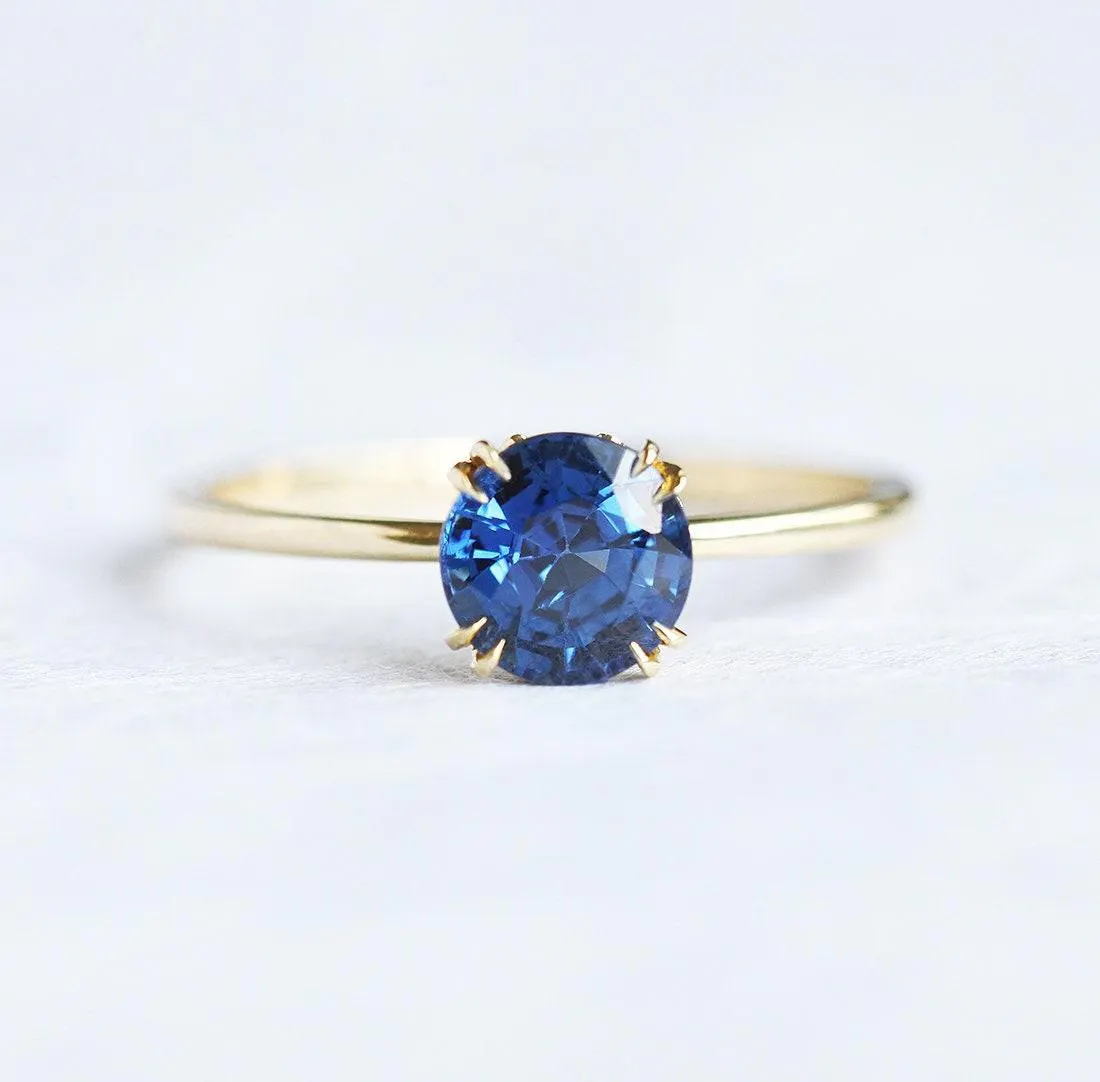
The custom-jewelry startups that grow fastest nail three things: a crisp niche, a tight “design → preview → ship” workflow, and trust signals that de-risk buying online. On the product side, sapphire engagement rings are surging because they’re durable, come in rich colors, and prices are more accessible than diamonds. If you want custom, look for a brand with a simple brief → preview process and transparent sourcing. You can check Capucinne, they are a strong example.
What Makes a Custom-Jewelry Startup Win
1) Own a narrow lane.
“Custom fine jewelry” is too broad. Winners specialize in a clear buyer and use case, e.g., custom sapphire engagement rings for modern, non-traditional couples. That focus tightens messaging, speeds up production (fewer edge cases), and lifts margins. Specialization also lets a brand build deeper education and better templates, which shortens the time from idea to finished ring.2) Frictionless customization.
The golden path is: upload inspo → fill a simple form → get a design preview fast. The moment a customer can see their idea, anxiety drops and conversion rises. Look for a visible three-step flow, clear communication on timelines, and a preview that shows stone, metal, and setting together. Bonus points if the brand offers quick style quizzes or starter templates to help customers who don’t know where to begin.3) Manufacturing you can trust.
Handcrafted workmanship, ethical sourcing, recycled metals, and the ability to choose mined or lab-grown stones are the new table stakes. Great brands state these policies plainly on their site and in quotes. They’ll document origin where possible, disclose treatments, and give pragmatic guidance on everyday wear. Trust isn’t a slogan, it’s how they show their work.4) Speed + certainty.
Some customers have a date circled on the calendar. The best brands offer two lanes: ready-to-ship inventory for last-minute buyers and firm timelines for custom orders. When both options live side-by-side, shoppers can trade speed for customization without leaving the site. Clear promises like “preview in 48–72 hours” and “ship in X weeks after approval” minimize back-and-forth and build confidence.5) Education that de-risks the sale.
Modern buyers want to understand durability, treatments, care, and how sapphires differ from diamonds. Brands that teach, via short guides, stone libraries, and FAQ videos, reduce returns and increase satisfaction. Education is a sales tool when it helps a customer choose faster and smarter.
Sapphire 101 (Fast Buyer’s Guide)
● Why sapphire? It’s corundum, Mohs hardness 9 (second only to diamond), so it holds up to daily wear. That’s why many people are recently looking for sapphire engagement rings.
● Colors.
Sapphires aren’t only royal blue. They span every color but red (red corundum is ruby): blue, teal, green, yellow, pink, purple, white, and the rare salmon-pink padparadscha. Color is a huge style lever, teal and parti-sapphires (multi-color zoning) deliver a one-of-a-kind look that diamonds can’t replicate.
● Treatments (know what you’re buying).
Heat treatment to improve color/clarity is common and widely accepted in the trade; it should be disclosed. Diffusion treatment drives color near the surface and should be called out as well. There’s nothing wrong with treated stones if they fit your budget and taste, just ask for disclosure so you can compare apples to apples.
● Care.
Use mild soap and a soft brush; avoid harsh chemicals and ultrasonic cleaning for stones with surface features or heavy inclusions. Store pieces separately, sapphires are tough, but they can scratch softer gems (and diamonds can scratch them).
● Sapphire vs. diamond (quick contrast).
Diamonds are harder and show more “fire” (spectral sparkle). Sapphires trade some of that fire for saturated color, character, and typically friendlier pricing at comparable sizes. If you value hue and individuality, sapphire often wins; if you want classic brilliance above all, diamond might be your move.
What to Look For in a Custom Sapphire Ring Brand
● Simple custom intake: a page that lets you upload images, note budget, pick stone shapes/colors, and receive a fast preview. This tells you the brand has a real process, not chaos.
● Clear sourcing options: mined and lab-grown, stated upfront; recycled precious metals are a plus.
● Choice architecture: custom path and a “Ready-to-Ship” lane for tight deadlines.
● Education hub: pages that explain sapphire colors, settings, care, and FAQs on custom orders.
Capucinne (Custom Sapphire Engagement Rings)
Capucinne positions itself as a custom, handcrafted fine jewelry atelier, using recycled precious metals with production in Europe. They support both ethically mined and lab-grown stones, useful if you’re targeting a specific color/clarity or working within a set budget.
Customization flow (what works):
Upload inspo images
Fill a short form (preferences, ring size, budget, timeline)
Receive a preview by email for feedback and approval
That lightweight workflow removes uncertainty and keeps projects moving. If you’re on a tight deadline, Capucinne also maintains a Ready-to-Ship Sapphire Rings section so you can buy now and customize later. It’s a practical way to balance speed with personal design.
Note: Always confirm current timelines and policies directly on the brand’s site. Custom work depends on stone selection, setting complexity, and seasonality.
For Founders: The Startup Playbook
● Pick your wedge. Don’t be “all custom everything.” Choose a signature: teal and parti-sapphire solitaires with modern bezels, or east-west ovals with knife-edge bands. Your wedge makes every decision easier—from ad creative to CAD libraries.
● COD (Cost of Delay) messaging. Promise preview in 48–72 hours. Long, vague timelines kill conversion. Speed is a feature.
● Trust stack. Make trust visible: recycled metals, mined/lab options, treatment disclosure, resize/repair policy, and real photos and videos of stones under different light. Replace fluff with proof.
● Two-lane funnel. Put Custom (upload → brief → preview) and Ready-to-Ship on the hero. Let buyers self-select based on deadline and budget.
● Education as acquisition. Publish snackable guides on sapphire colors, care, and treatments, and link them in product pages and emails. Teaching shortens sales cycles and reduces support tickets.
● Operational templates. Standardize CAD bases, prong counts, and shank profiles for 80% of orders. Templates shrink lead times, improve QC, and protect margins.
● Clear pricing logic. Use tiered quotes (Good/Better/Best) tied to stone specs and metal choices. Show the trade-offs so buyers feel in control, not upsold.
Quick FAQ
Are sapphires durable enough for daily wear?
Yes. At Mohs 9, sapphire is suitable for engagement rings and everyday jewelry. Still, treat your ring like a fine instrument: avoid harsh chemicals and store it separately.
What treatments should I ask about?
Ask whether the stone is heat-treated (common) and whether any diffusion or other color-altering treatments were used. Disclosure matters so you can compare value accurately.
Can I choose lab-grown for budget or ethics?
Yes. Many modern ateliers, including Capucinne, offer both mined and lab-grown sapphires. Lab-grown can provide vivid color and precise sizes at approachable prices; mined stones offer natural rarity and provenance stories. Pick what aligns with your values and budget.


I focused on mid-range pricing and unique customization options, especially for wedding bands for women, and it's been bringing in solid traffic. People want pieces that feel personal but don't break the bank. I tested a few landing pages with mood boards and custom quizzes to guide buyers, and conversions improved. Also, Instagram reels showing behind-the-scenes of how the rings are made have worked really well for engagement.