Best USA IPTV Services 2026: Top Rated, 4K Streaming Guide & Reviews
Discover the best USA IPTV providers in 2026. Compare top-rated services for 4K sports, movies, and live TV. Save money with our comprehensive guide to cord-cutting.
👉 Get Started Now
The landscape of television consumption has shifted dramatically. The traditional cable box, with its bulky remotes and rigid monthly contracts, is rapidly becoming a relic of the past. By 2026, IPTV (Internet Protocol Television) has solidified its position as the premier choice for millions of Americans seeking flexibility, variety, and cost-effectivity. Whether you are a sports fanatic who misses live NFL games, a binge-watcher craving the latest HBO series, or a parent looking for affordable kid-friendly content, IPTV offers a tailored experience that legacy cable simply cannot match.
However, not all IPTV services are created equal. With hundreds of providers flooding the market, distinguishing between a high-quality stream and one that buffers endlessly during the Super Bowl can be daunting. This guide cuts through the noise. We will explore what makes an IPTV service truly "best in class" in 2026, highlight the top performers, explain the technology, and help you choose the right provider for your specific needs.
What Exactly is IPTV?
Before diving into the providers, it is crucial to understand the technology. IPTV delivers television content over the internet using Internet Protocol (IP) networks, rather than through traditional terrestrial, satellite, or cable television formats.
Think of it this way: Traditional cable sends a continuous signal of all channels to your house, and your TV decodes the one you select. IPTV works more like YouTube or Netflix; it only streams the specific content you request, when you request it. This efficiency allows for features that traditional TV never could:
Time-Shifted TV: Watch what you missed. Most reputable services offer cloud DVR capabilities and catch-up TV, allowing you to replay live broadcasts from the past 7–30 days.
VOD (Video on Demand): Access libraries of movies and TV shows that update in real-time, often mirroring what is currently airing on premium cable channels.
Multi-Screen Support: Watch on your smart TV, phone, tablet, laptop, or streaming stick simultaneously.
EPG (Electronic Program Guide): A user-friendly interface that shows what is on now and what is coming up, similar to a digital version of the TV guide.
👉 Start Streaming Now
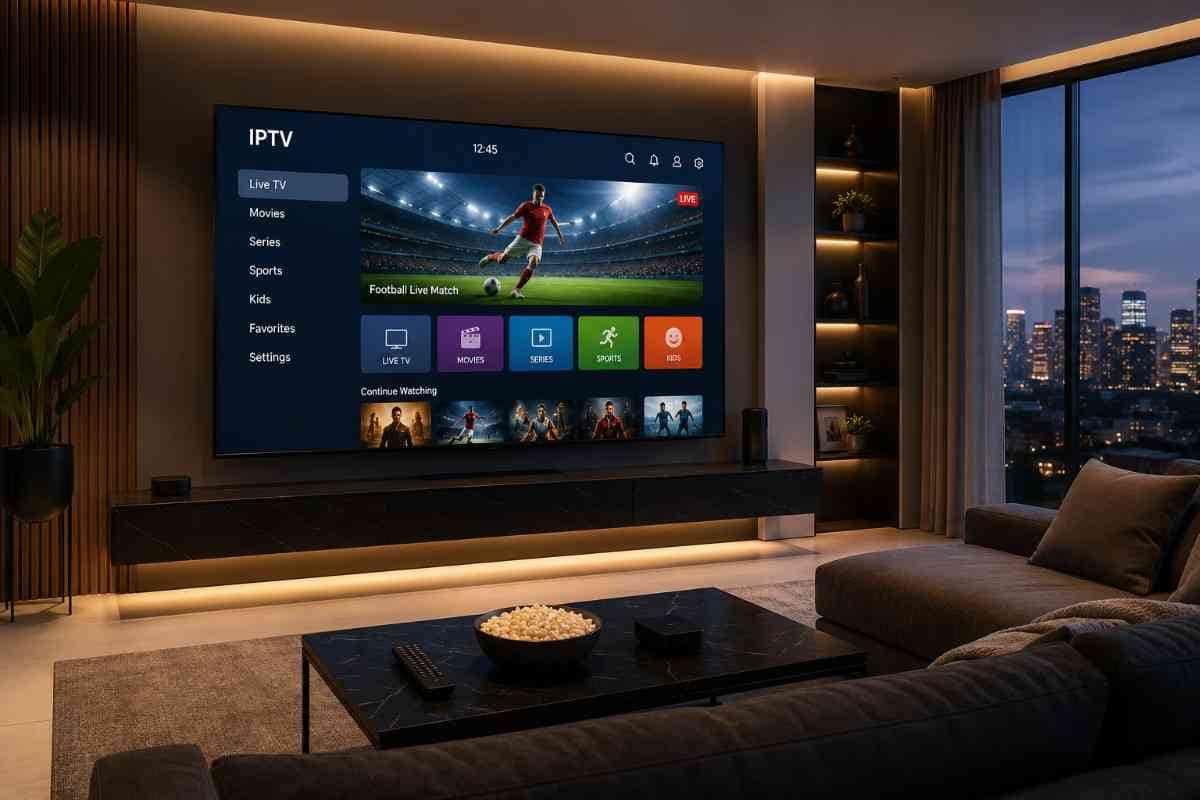
Why IPTV is Dominating in 2026
By 2026, the drivers for IPTV adoption have reached a peak. Here is why users are making the switch:
1. Cost Efficiency
Traditional cable bundles often cost between $100 and $150 per month for a basic package. Premium IPTV services typically range from $10 to $20 per month, providing access to 10,000+ channels and 60,000+ VOD titles. For families looking to "cut the cord" and then some, the savings are undeniable.
2. Unmatched Content Variety
IPTV providers aggregate channels from around the world. In the USA, this means access not just to ABC, NBC, CBS, and Fox, but also niche channels for international cuisines, foreign languages, independent sports leagues, and specialized news networks that may not be available in your local cable lineup.
3. 4K and HDR Streaming
As internet speeds improved with the widespread adoption of 5G and fiber optics, streaming quality soared. The best IPTV services in 2026 offer extensive 4K Ultra HD and HDR content, providing a picture quality that rivals or even exceeds premium cable subscriptions.
4. No Hardware Lock-in
Cable companies often require you to rent a set-top box. IPTV apps run on devices you already own. If your Roku, Amazon Fire Stick, Android TV box, or Smart TV is from any major brand, you are ready to go.
👉 Activate Today
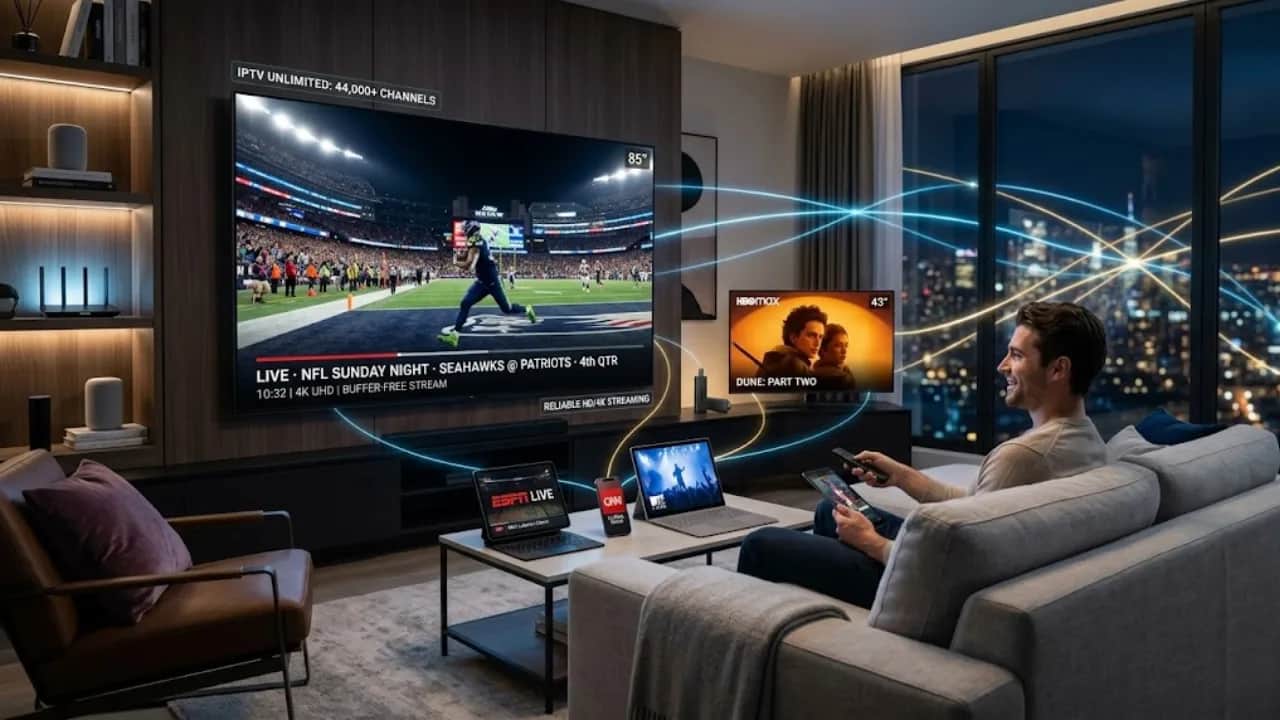
Key Features to Look for in a Top-Tier IPTV Service
Not all providers deliver a smooth experience. When evaluating the best USA IPTV 2026 options, prioritize these five criteria:
1. Stability and Uptime
Buffering is the enemy. A top provider uses robust servers located in high-bandwidth data centers. Look for services that guarantee 99.9% uptime, especially during peak hours (8 PM – 11 PM) and during major live events.
2. Electronic Program Guide (EPG)
Does the service provide a clear, accurate TV guide? A good EPG allows you to schedule recordings, see what’s on in the next hour, and navigate the channel list intuitively. If the guide is outdated or missing, your viewing experience will be clunky.
3. VOD Library Quality
Channels are great, but the library of On-Demand content is where the value lies. The best services update their movie and TV show libraries daily. Ensure the VOD section includes recent blockbusters and complete TV series, not just obscure classics.
4. Customer Support
When a stream drops or you have trouble installing the app, you need help. Look for providers that offer live chat support, email response within 24 hours, and comprehensive setup guides. Avoid services that disappear once you pay.
5. Multi-Device Compatibility
Does the service support your specific devices? The best IPTV providers offer apps for:
iOS (iPhone/iPad)
Android/Android TV
Fire TV/Fire Stick
Roku (via M3U playlists or specific apps like TiviMate or Smarters)
Windows/Mac (via VLC or dedicated players)
MAG Boxes (popular for set-top box enthusiasts)
Top Rated IPTV Providers in the USA (2026 Review)
Note: The IPTV market is dynamic. Prices and channel lineups may shift slightly. Always check for current promotions.
1. IPTV Smarters Pro (The User Experience King)
While technically a player application rather than a service provider, IPTV Smarters Pro is often synonymous with the best user experience. Many top providers offer their own branded versions of this app or recommend it.
Pros: Intuitive interface, supports M3U and Xtream Codes API, excellent for organizing favorites, cross-platform.
Cons: Requires you to bring your own subscription (Xtream credentials) or find a provider that partners with them.
2. TiviMate Premium (The Power User’s Choice)
For Android and Fire TV users, TiviMate is arguably the best IPTV player on the market. It feels like a native cable box interface.
Pros: Best-in-class EPG, powerful recording features, highly customizable, supports multiple playlists.
Cons: The free version has ads and limitations; the premium version is a one-time purchase.
3. Top 5 General IPTV Providers (Examples of High-Ranking Services)
Since specific small providers come and go, here are the types of providers that consistently rank high in 2026:
A. The "Premium Bundle" Providers
These services focus on high reliability and massive channel counts. They often advertise "99.9% Uptime" and "4K Quality."
Best For: Users who want a "set it and forget it" experience.
Key Feature: Automatic failover servers. If one server is busy, it switches to another seamlessly.
B. The Sports-Centric Providers
Tailored for NFL, NBA, MLB, NHL, and UFC fans.
Best For: Sports fans who want every regional sports network (RSNs) and out-of-market packages.
Key Feature: Dedicated sports channels and multi-game views.
C. The International/American Hybrid
Offers all major US channels plus a vast library of UK, Canadian, Caribbean, and European channels.
Best For: Expats, international students, or families with diverse cultural preferences.
How to Choose the Right One for You
Take a Free Trial: Almost every reputable provider offers a 24-hour or 48-hour trial. Test it on your slowest internet connection and during peak hours.
Check Device Compatibility: Ensure the provider supports your specific hardware.
Read Recent Reviews: Look for reviews from the last 3–6 months. Old reviews may reference old server issues.
Technical Setup: Getting the Most Out of Your IPTV
Having a great provider is only half the battle. Your home network plays a huge role in streaming quality.
Wi-Fi vs. Ethernet
While 5GHz Wi-Fi is fast, it can be unstable due to interference from neighbors’ networks, microwaves, and walls. For the best stability, especially for 4K streams, connect your streaming device via Ethernet if possible. If you must use Wi-Fi, ensure your router is within close range and on the 5GHz band.
Bandwidth Requirements
SD (480p): 3–5 Mbps
HD (1080p): 10–15 Mbps
4K (UHD): 25–50 Mbps
Ensure your internet plan supports these speeds per device. If multiple household members are streaming simultaneously, consider a higher-tier plan.
Recommended Players
For Android/Fire Stick: TiviMate, IPTV Smarters Pro, XCIPTV Player.
For iOS: GSE Smart IPTV, IPTV Smarters, VLC.
For Smart TVs (LG/Samsung): Many built-in apps support M3U playlists. If not, use a streaming stick.
For PC: VLC Media Player, Kodi (with IPTV add-ons), Windows Media Player.
IPTV vs. OTT (Netflix, Hulu, Disney+) vs. Cable
It is a common misconception that IPTV replaces these services entirely. In reality, many users employ a hybrid approach.
IPTV: Best for live TV, sports, news, and local channels. It replicates the traditional TV experience.
OTT (Over-the-Top): Best for on-demand movies, original series, and ad-free experiences (in the case of paid tiers).
Why not just use IPTV?
IPTV content is licensed differently. You might get live ESPN, but you won’t necessarily get the full archive of Marvel movies on demand unless that specific provider has licensed it. Conversely, Netflix has exclusive content that no IPTV provider will have.
The 2026 Strategy:
Most savvy cord-cutters keep one or two OTT subscriptions (e.g., Netflix + Disney+) for exclusive content and use a high-quality IPTV service for live TV and sports. This combination often costs less than a single premium cable package while offering a broader range of content.
Common Pitfalls and How to Avoid Them
1. Buffering During Live Events
This is the most common complaint.
Cause: Server overload or poor internet connection.
Solution: Switch to a different server within your app (many providers offer "Server 1, Server 2, etc."). Also, check your home network. If you are watching on a phone with weak signal, move closer to the router.
2. Channel Lag
IPTV streams are live, but there can be a 30–60 second delay compared to broadcast.
Impact: You might hear a commentator say "He scored!" before you see the goal.
Solution: This is inherent to the technology. For sports, it’s a minor annoyance. For news, it’s manageable.
3. Service Interruptions
Providers may reboot servers for maintenance.
Solution: Check the provider’s status page or Discord group. Most will announce maintenance windows in advance.
4. Copyright Legality
IPTV itself is not illegal; it is a technology. However, some providers operate in a "gray area" regarding content licensing.
Reputable Providers: Have clear terms of service, offer refunds, and have established customer support.
Cheap/Gray Market Providers: May offer $5 for 1,000 channels but could disappear overnight.
Advice: If a deal seems too good to be true (e.g., $5/year for everything), it likely lacks stability or legitimacy. Stick to providers with a track record of at least 6–12 months.
The Future of IPTV in the USA
As we move through 2026 and into 2027, several trends are shaping the future of IPTV:
AI-Driven Recommendations: Providers are integrating AI to analyze your watching habits and suggest content from both their live channels and VOD library.
Integration with Smart Homes: Imagine asking your Alexa to "Play the latest NFL game," and it automatically tunes your IPTV app to the correct channel. This integration is becoming standard.
Cloud DVR Expansion: More providers are including free, unlimited cloud DVR storage as a standard feature, allowing users to record entire seasons or live sports to watch later.
Improved 4K/HDR Accessibility: As bandwidth costs drop, 4K content is becoming more prevalent, even in mid-tier packages.
Conclusion: Is IPTV Worth It in 2026?
Absolutely. If you value choice, flexibility, and cost savings, IPTV is the superior choice over traditional cable. The technology has matured, buffering is less frequent, and the content libraries are richer than ever.
Final Checklist for Your Purchase:
[ ] Verify the provider offers a free trial.
[ ] Check EPG (TV Guide) functionality.
[ ] Confirm 4K/HDR support if you have a high-end TV.
[ ] Ensure customer support is responsive.
[ ] Test multi-device compatibility.
Don’t settle for overpriced cable bundles. Take control of your viewing experience with the best USA IPTV 2026 solution that fits your lifestyle. Start with a trial, test the stability, and enjoy the freedom of modern television.
Frequently Asked Questions (FAQ)
Q: Is IPTV legal in the USA?
A: Yes, IPTV is a legal technology. However, the legality depends on the provider. Reputable providers like Sling TV, Hulu + Live TV, and YouTube TV are fully licensed. Smaller, budget providers operate in a gray area but are generally tolerated as long as they pay for content distribution rights.
Q: Do I need a high-speed internet connection?
A: Yes. For HD streaming, you need at least 10 Mbps. For 4K, aim for 25–50 Mbps. A wired Ethernet connection is recommended for stability.
Q: Can I use IPTV on multiple devices?
A: Most providers allow 1–3 simultaneous connections depending on your plan. Check the specific provider’s terms for multi-device support.
Q: How do I install IPTV on a Fire Stick?
A: Download an app like "IPTV Smarters Pro" or "TiviMate" from the Amazon Appstore. Enter your login credentials (Xtream Codes) provided by your IPTV service provider.
Q: Why is my IPTV buffering?
A: Check your internet speed, try switching to a different server within the app, restart your router, or ensure your streaming device is updated to the latest software.

