Breathe New Life into Old Seating with Reforma de sofá em São Paulo
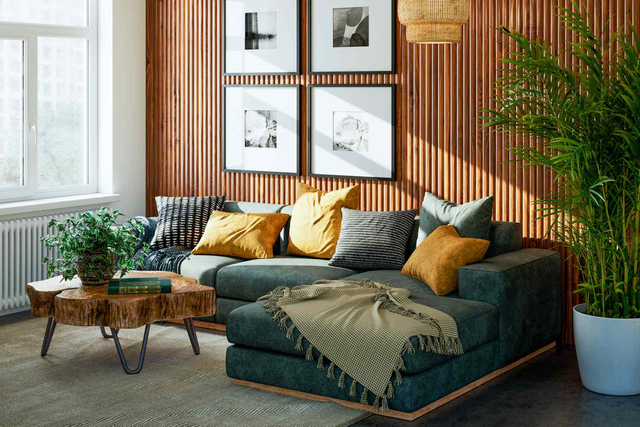
Furniture often becomes part of the story of a home. A familiar sofa may have hosted family gatherings, afternoon conversations, movie nights, and countless everyday moments. Over time, however, constant use can leave even a well-made piece looking worn, outdated, or less comfortable than it once was.
Reforma de sofá em São Paulo provides an opportunity to restore that furniture while preserving the qualities that made it worth keeping. Instead of replacing an entire sofa, homeowners can renew its upholstery, improve its internal support, refresh its appearance, and adapt its style to a changing interior.
Sofa restoration is more than a cosmetic upgrade. When handled carefully, it can combine craftsmanship, comfort, practicality, and design. The result is a familiar piece that feels refreshed while continuing to serve an important purpose in the home.
Why Choose Sofa Restoration Instead of Replacement?
Buying a new sofa is not always the most practical answer to worn upholstery or changing design preferences. A sofa with a durable frame and a comfortable structure may have years of potential remaining.
Preserving Furniture with Character
Older furniture can have qualities that are difficult to find in mass-produced pieces. Its proportions, construction, wooden details, or distinctive shape may give it a personality that fits your home perfectly.
Restoration allows these characteristics to remain while outdated elements are improved. This makes refurbishment particularly appealing for homeowners who value individuality rather than choosing another standard design.
Updating Without Starting Over
A change in upholstery can dramatically alter the appearance of a sofa. A traditional silhouette can look contemporary with the right fabric, while a modern piece can gain warmth through textured materials and carefully selected details.
This flexibility allows homeowners to update their interiors without replacing furniture that is still structurally useful.
When Is Your Sofa a Good Candidate for Renovation?
Not every damaged sofa needs to be thrown away. Several conditions may indicate that professional refurbishment is worth considering.
Common Signs of Wear
• Fabric has become faded, stained, torn, or visibly worn.
• Cushions have lost their original shape or firmness.
• The frame remains reasonably strong despite an outdated exterior.
• The sofa has dimensions that work particularly well in the room.
• The piece has sentimental or family value.
• The current upholstery no longer matches the home's interior.
A visual inspection is only the beginning. The frame, springs, webbing, foam, padding, and other internal components should also be assessed.
If the underlying construction remains suitable, replacing the exterior and repairing selected internal elements can give the sofa a completely different presence.
Look Beyond the Surface
A sofa may appear to need only new fabric when the real issue is deeper. Sagging seats, uneven cushions, loose components, or damaged support materials can affect both appearance and comfort.
Professional assessment helps identify these problems before new upholstery is installed. Addressing structural and cushioning issues at the appropriate stage can lead to a more satisfying finished result.
Selecting the Right Upholstery for Your Home
Fabric selection is one of the most important decisions in any sofa refurbishment project. The material you choose influences appearance, comfort, maintenance, and how well the sofa handles everyday use.
Match the Fabric to Your Lifestyle
A sofa used every day requires different material qualities from one placed in a formal sitting room. Consider how often the furniture is used, who uses it, and how much maintenance you are willing to perform.
Consider Texture, Color, and Durability
Neutral shades can create a flexible foundation for changing décor, while richer colors can make the sofa a central feature. Textured upholstery can add depth without requiring dramatic patterns.
For households seeking practical furniture, durability should remain an important consideration. A material that looks attractive but cannot handle regular use may not be the best long-term choice.
The Role of Craftsmanship in Reforma de sofá em São Paulo
The quality of a sofa renovation depends heavily on the workmanship involved. Upholstery is a detailed process that requires more than simply removing an old cover and attaching a new one.
Restoring the Internal Structure
Before the final material is fitted, damaged or worn components may need attention. Depending on the condition of the sofa, this can include cushioning, springs, webbing, padding, or frame-related repairs.
The objective is to create a stronger foundation for the new upholstery. Improving the internal condition can also help the finished sofa maintain its shape and comfort.
Improving Everyday Comfort
Comfort should be considered alongside appearance. A sofa that looks beautiful but remains uncomfortable will not provide the full benefit of restoration.
Foam density, cushion thickness, back support, and seat firmness can all influence how the furniture feels. Discussing these preferences before work begins can help ensure that the renovated sofa suits its intended use.
Designing a Refreshed Sofa Around Your Interior
A successful furniture makeover should feel connected to the room rather than appearing as an isolated change.
Work With the Existing Décor
Look at the colors and textures already present in the space. Flooring, curtains, rugs, walls, tables, and decorative accessories can all provide useful inspiration when selecting upholstery.
The goal does not have to be exact color matching. Instead, choose materials and tones that create visual harmony.
Give Traditional Furniture a Contemporary Touch
An older sofa can become surprisingly modern through carefully selected details. Cleaner upholstery, simplified colors, updated cushions, or refined finishing can change its character without removing its original identity.
For homeowners who appreciate classic furniture but want a more current atmosphere, this approach offers a useful balance between heritage and contemporary design.
Small Details That Can Change the Finished Look
The transformation of a sofa is not determined by fabric alone. Finishing choices can have a strong influence on the final appearance.
Pay Attention to the Details
Piping can define the edges of cushions and arms. Stitching can add subtle visual structure, while different cushion shapes can make the furniture appear either more relaxed or more tailored.
Legs and wooden elements can also be refinished when appropriate. Even small changes can help an older sofa coordinate more effectively with a modern interior.
Think About Long-Term Style
It can be tempting to choose an upholstery trend that is currently popular. However, sofa restoration is generally a long-term investment, so timeless choices may provide greater flexibility.
A classic fabric combined with carefully selected accent cushions can allow you to change the room's appearance later without having to renovate the sofa again.
Planning Your Sofa Renovation Carefully
Good preparation can make the refurbishment process more straightforward. Before work starts, consider the sofa's condition, intended use, preferred appearance, and available budget.
Discuss the Scope of Work
Ask what parts of the sofa will be repaired and what materials will be replaced. It is useful to clarify whether the project includes structural inspection, cushioning, fabric removal, upholstery, finishing, and transportation where applicable.
Clear communication can help prevent misunderstandings and make expectations easier to manage.
Choose Based on Use, Not Appearance Alone
Think about how the sofa functions in your household. A piece used for several hours every day should prioritize durability and comfort. A decorative sofa may allow more emphasis on visual appeal.
Taking these factors into account can help you select materials and finishing options that remain practical after the renovation is complete.
Bringing an Older Sofa Into a Modern Living Space
An older sofa can become a valuable design element when it is thoughtfully restored. Instead of hiding its age, refurbishment can highlight its strongest characteristics while removing signs of neglect.
Create Balance With Accessories
Cushions and throws can introduce complementary textures and colors. A suitable rug can connect the sofa with the floor area, while lighting and artwork can reinforce the overall atmosphere.
These additions do not need to be expensive. What matters is creating a visual relationship between the restored furniture and its surroundings.
Make One Piece the Room's Feature
A distinctive sofa can become the focal point of a living room. Choosing an upholstery material with character can draw attention to the furniture while allowing other decorative elements to remain understated.
This approach can be especially effective when the sofa has an unusual shape, traditional craftsmanship, or personal significance.
Making a Considered Choice for Furniture Renewal
Refurbishing a sofa can offer more than a new appearance. It provides a way to preserve useful furniture, improve comfort, explore a different design, and make better use of a piece that already belongs in your home.
The strongest results come from considering the entire sofa rather than focusing only on its exterior. The frame, cushioning, fabric, proportions, finishing details, and surrounding décor all contribute to the final outcome.
For anyone considering Reforma de sofá em São Paulo, the process can turn an aging piece into furniture that feels purposeful again. With suitable materials and careful craftsmanship, a sofa can retain its original character while gaining a renewed identity.
Instead of treating an old sofa as something that has reached the end of its life, restoration offers another possibility: repair what has weakened, refresh what has faded, improve what has become uncomfortable, and create a piece that feels right for the home today.
A thoughtfully renovated sofa is not simply old furniture with new fabric. It is a renewed part of the living space, carrying its original character forward while offering a fresh experience for years to come.
If you want, I can also make the next version more premium, catchy, and less generic, while keeping the exact SEO requirements.
